
“The clearest way to the Universe is through the forest wilderness.“
– John Muir (also known as “John of the Mountains” and “Father of the National Parks”)
Till about a few years ago, I could only dream of seeing a Mountain Gorilla in the wild. I was contend watching documentaries on the Nat Geo or Animal Planet and be inspired by the likes of Sir David Attenborough. However, I have been lucky to have landed in the lands of mountain gorillas – East Africa and Uganda to be precise.
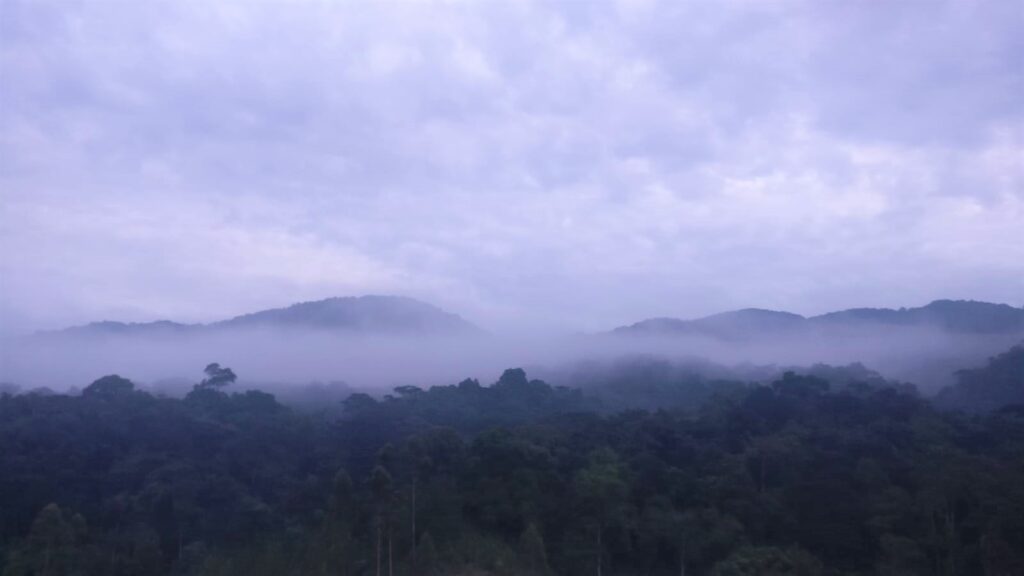
Uganda boasts of hosting (protecting) about 50% of the worlds surviving mountain gorillas. There are multiple areas where tourists can visit these primates in their natural habitat. One of the first questions which comes to mind – is it not dangerous? Well, there is an elaborate system of ensuring the safety of these animals in the wild as well as that of the tourists. Without going into too many details, these gorillas, while still in the wild, have been habituated to human presence. Since they inhabit dense rainforests, it is an exhilarating experience overall.
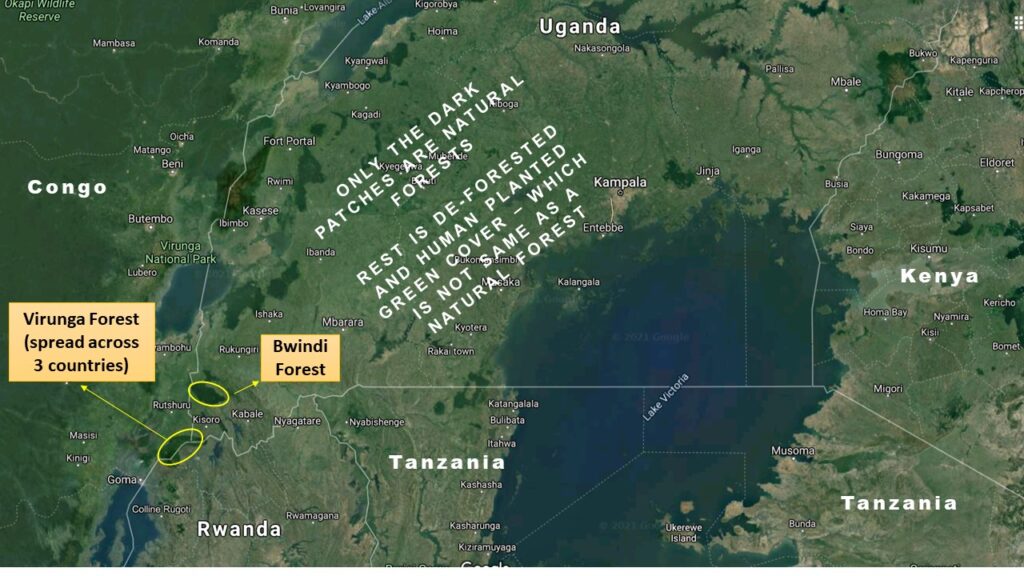
The mountain gorilla (Gorilla beringei beringei) is one of the two subspecies of the eastern gorilla (Gorilla beringei). The total population is estimated to be about 1000. A major portion of the population lives in Uganda’s Bwindi Impenetrable National Park, and the balance live in the Virunga Forests which spread in three adjacent national parks (across three countries) i.e., Uganda’s Mgahinga Gorilla National Park, Rwanda’s Volcanoes National Park, and Virunga National Park in the Democratic Republic of Congo.
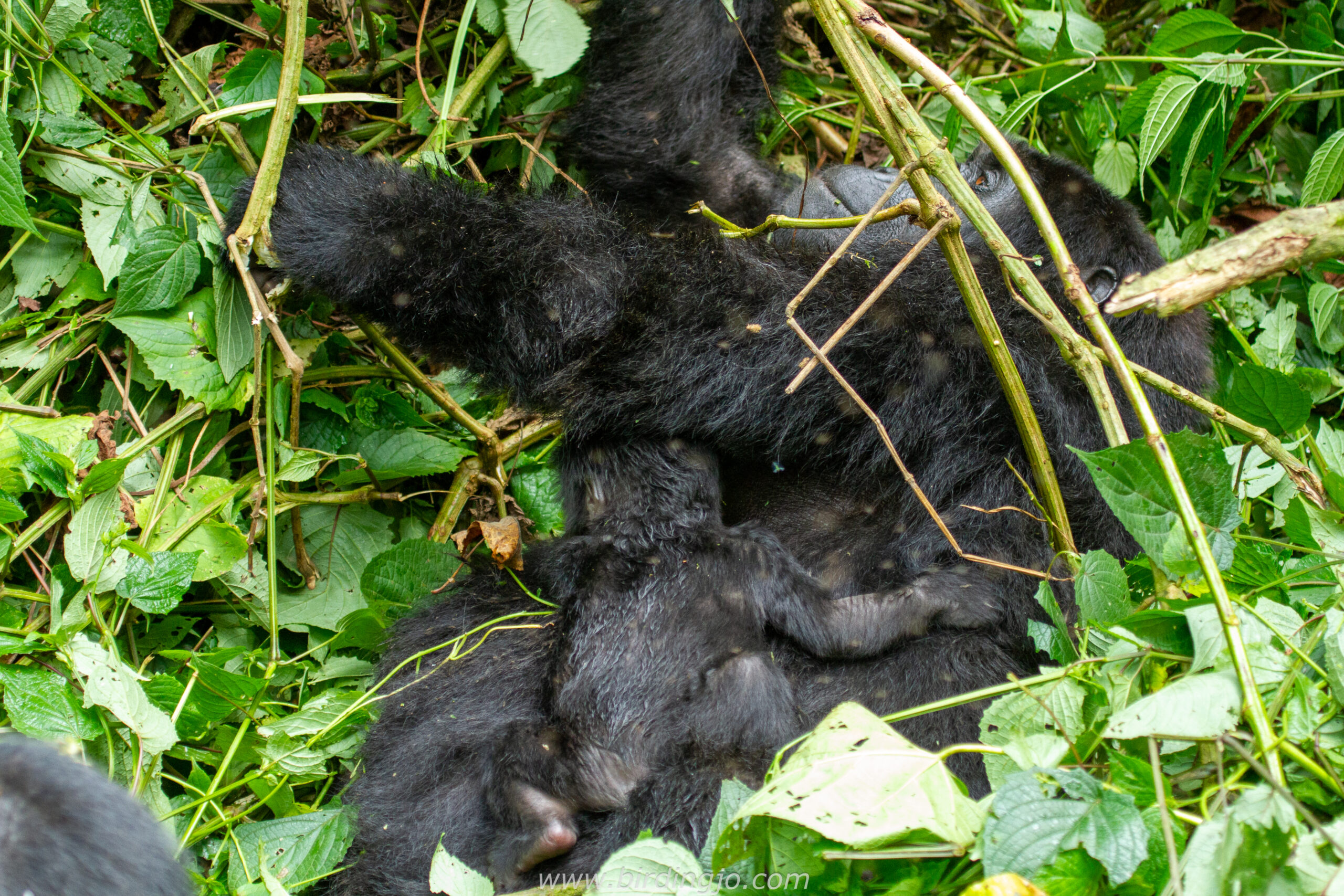
I decided to visit the Bwindi Impenetrable Forest, in the SW Uganda, which is about 425 km (by road) from Entebbe. Below are some snapshot of my meeting with the Gorillas.
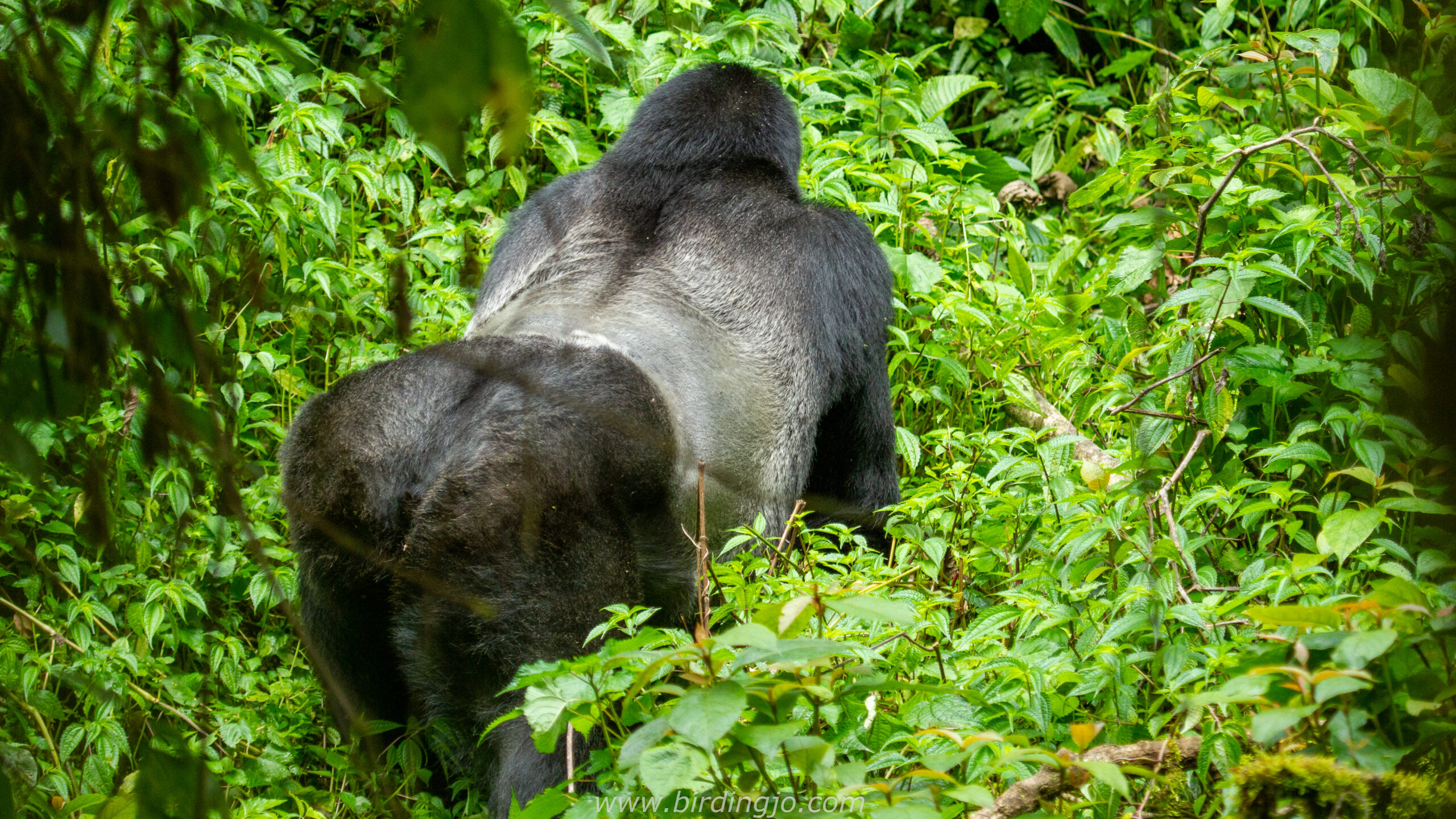
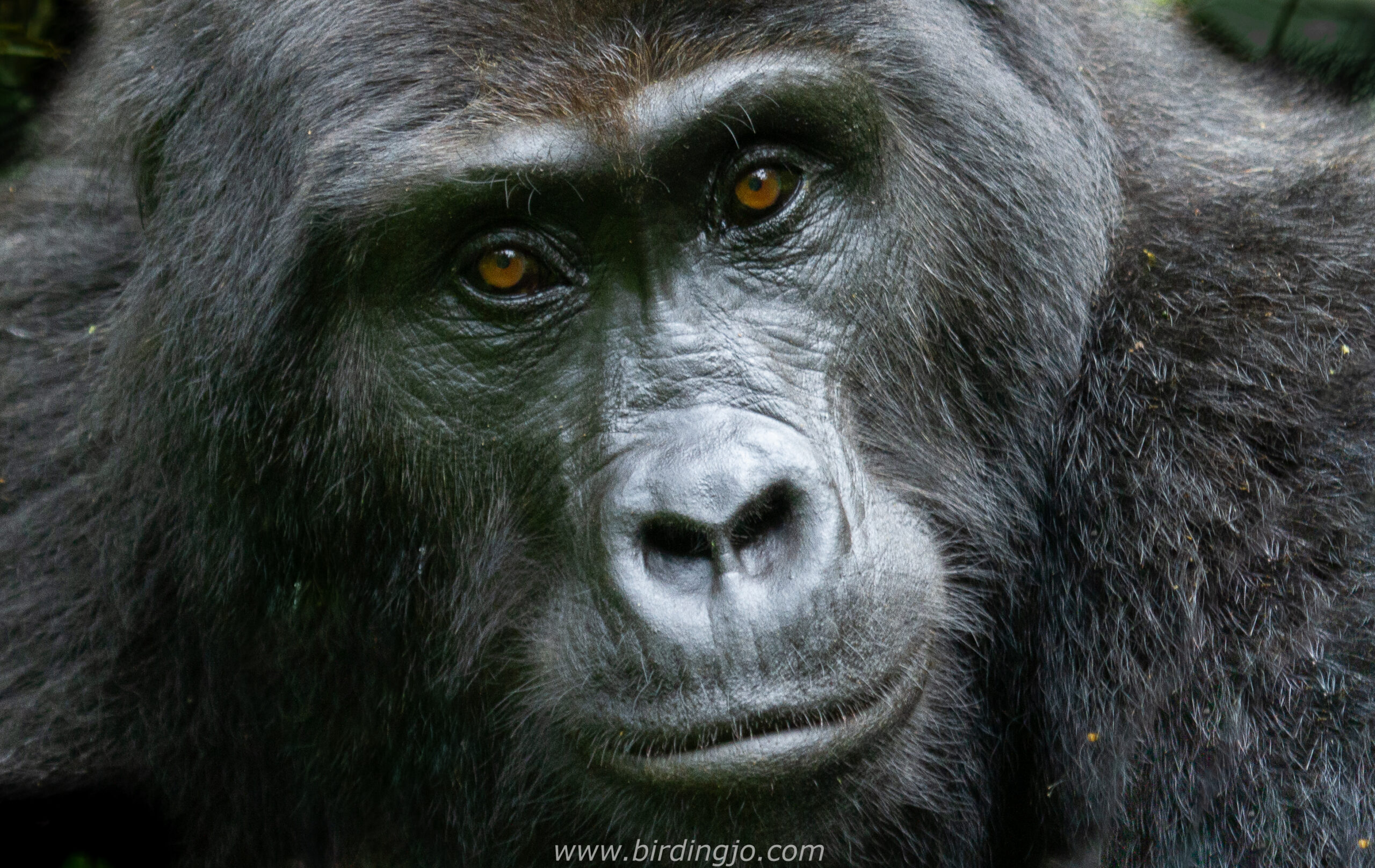
In Uganda, there are about 18 family groups of Gorillas which have been habituated – a two years process, in which Gorillas are gradually exposed to human presence in their environment. As such, gorillas are gentle by nature. Once the families are habituated, no more than 8 tourists are allowed to visit them for more than an hour.
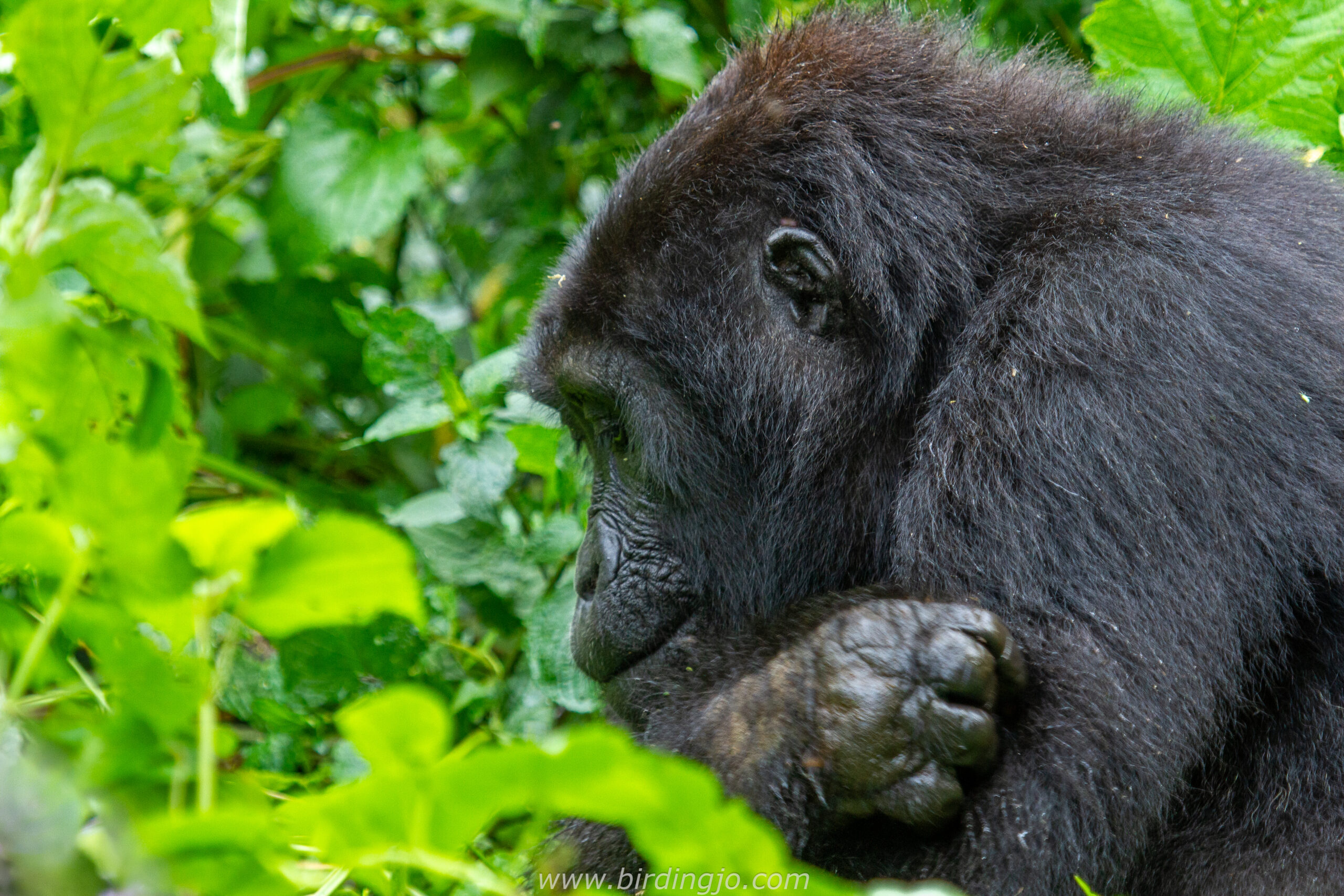
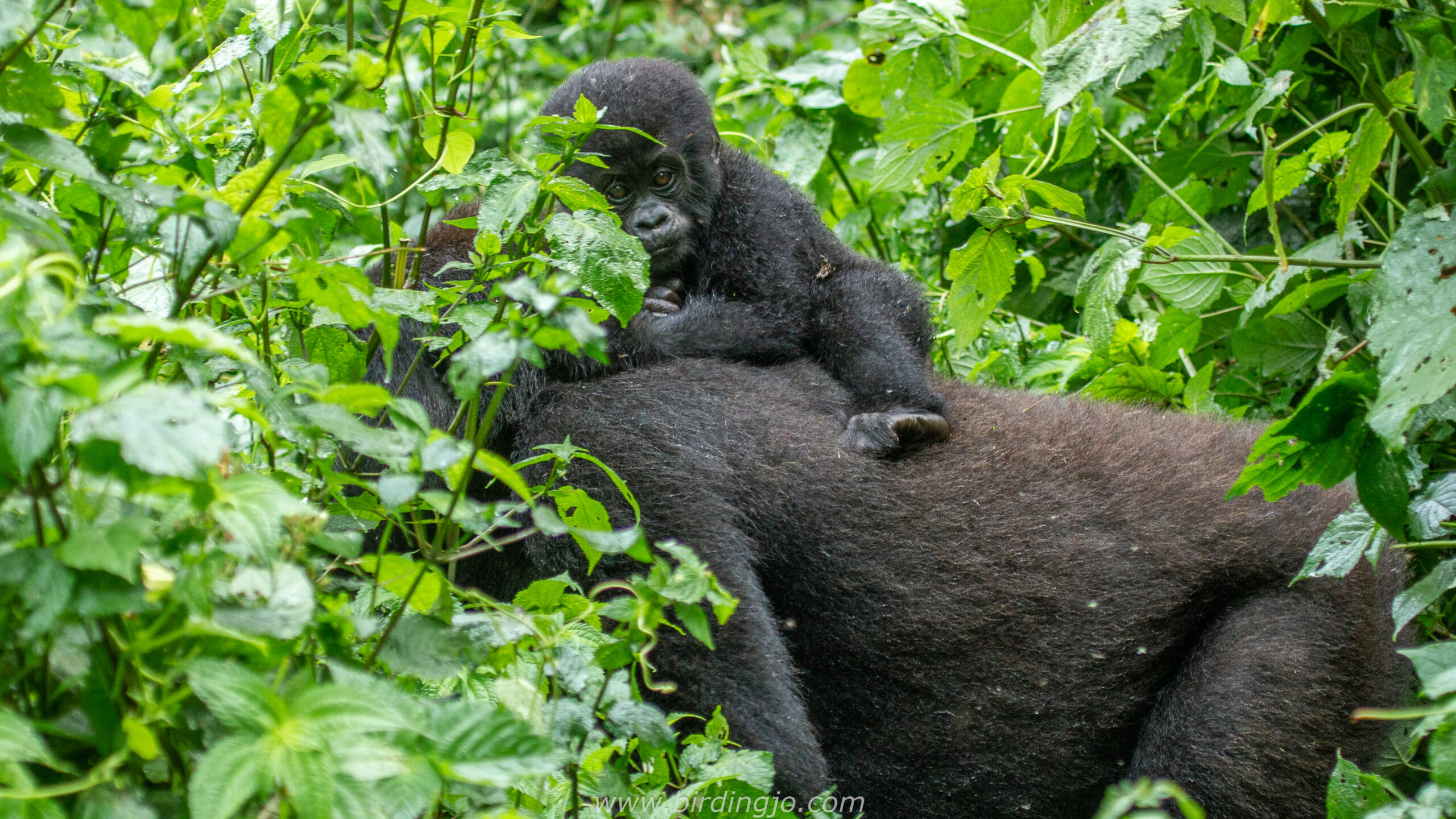
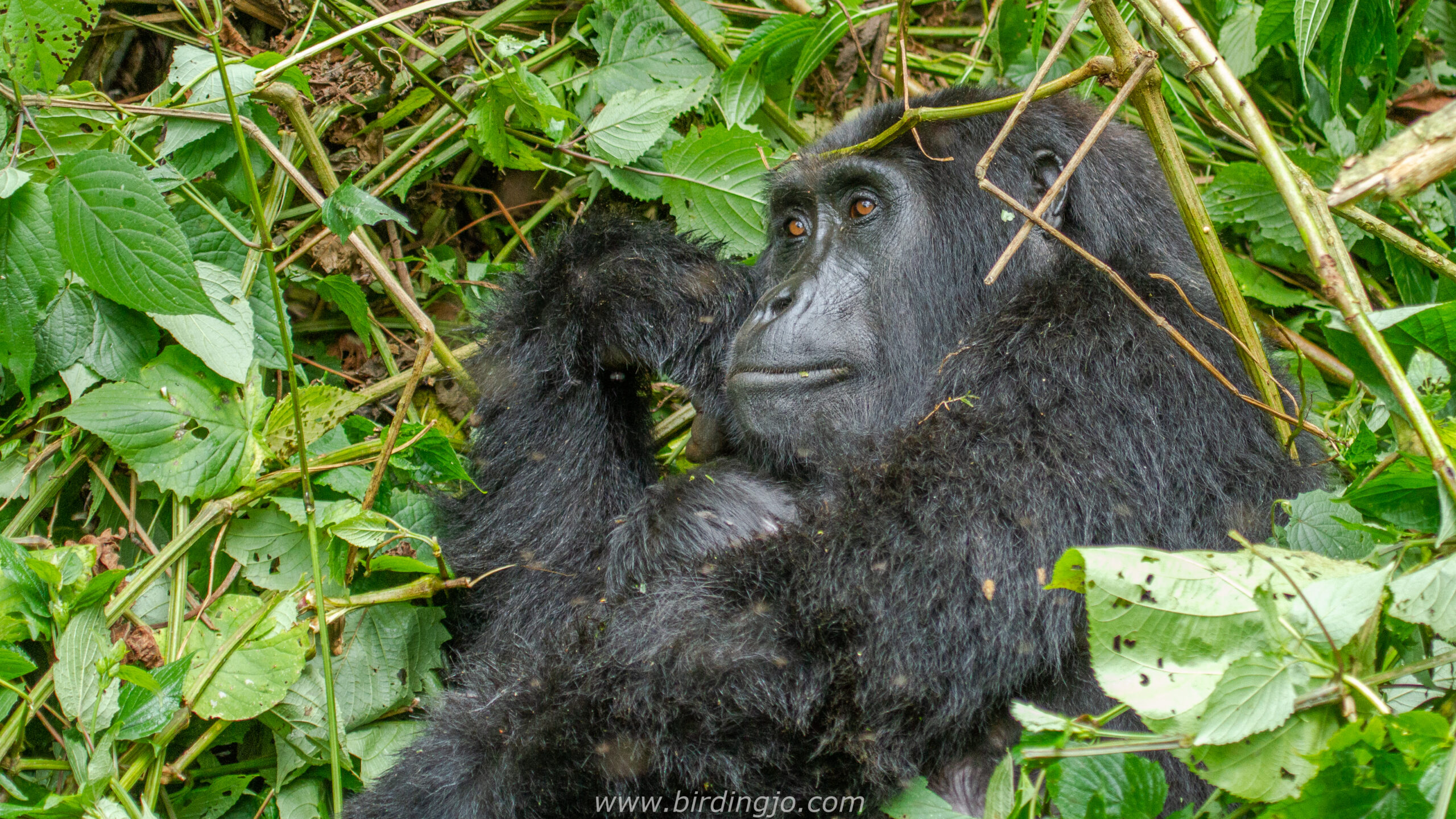
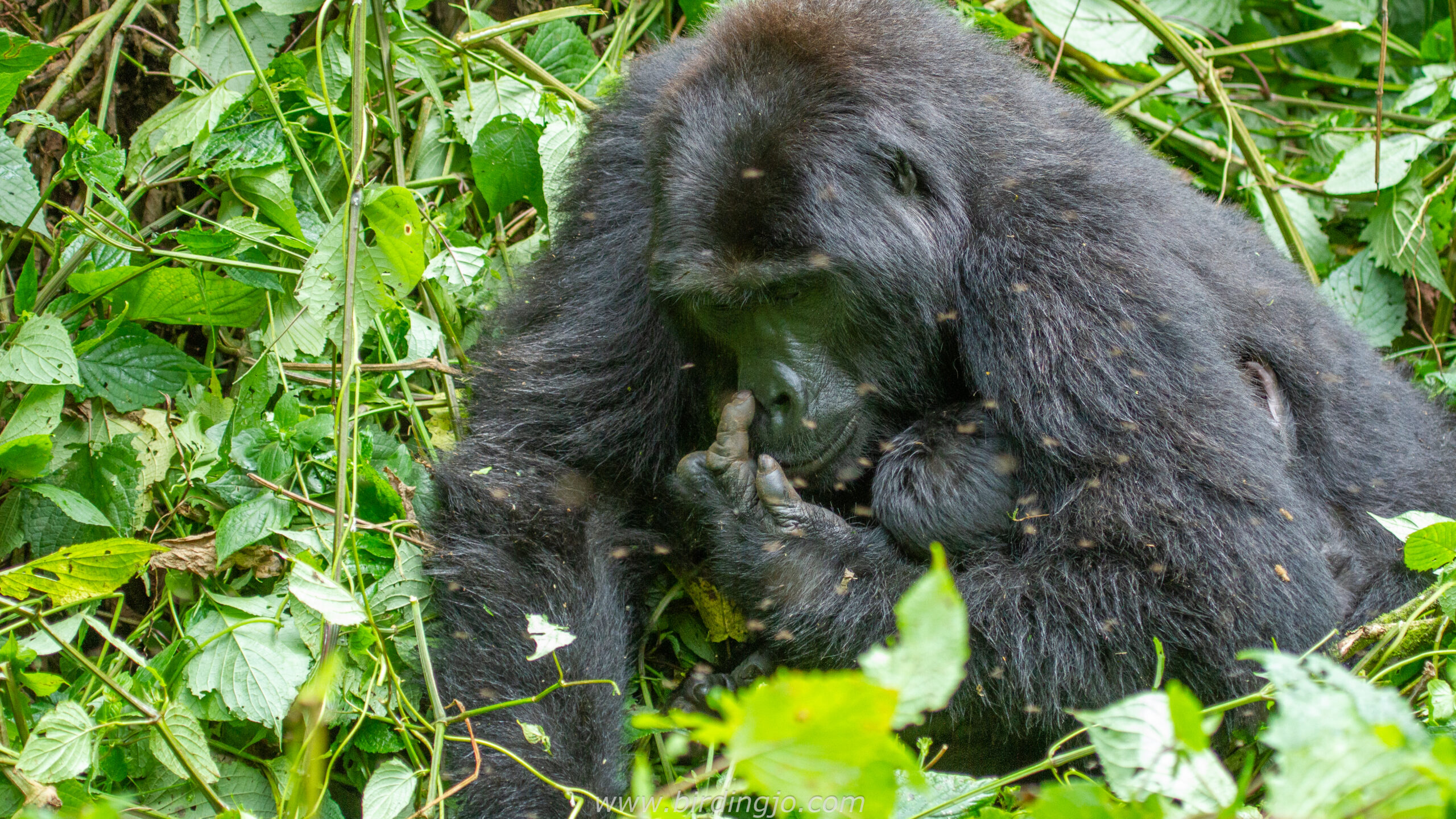
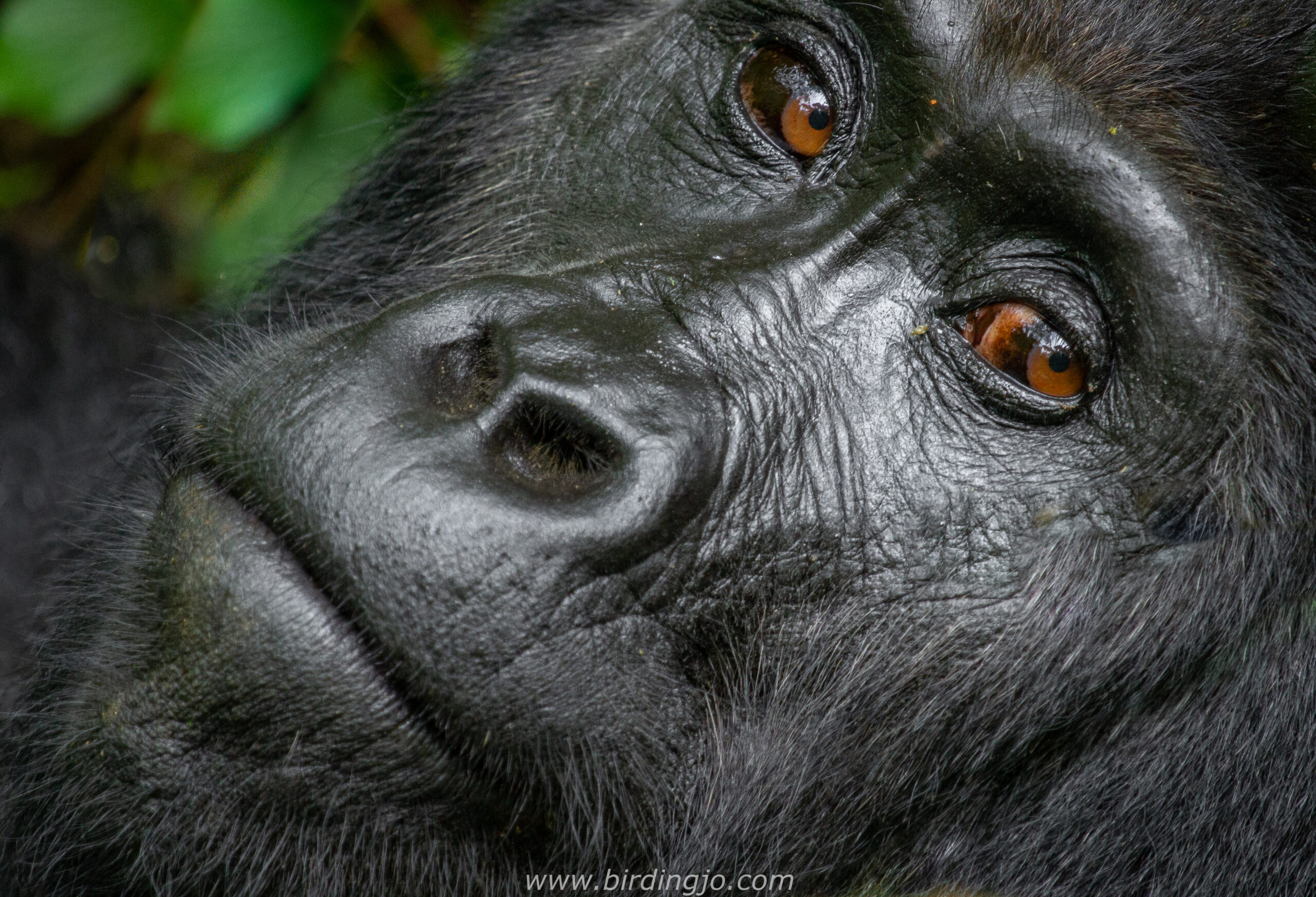
The nose reminds me of another interesting fact – Gorillas can be identified by nose prints, which are unique to each individual
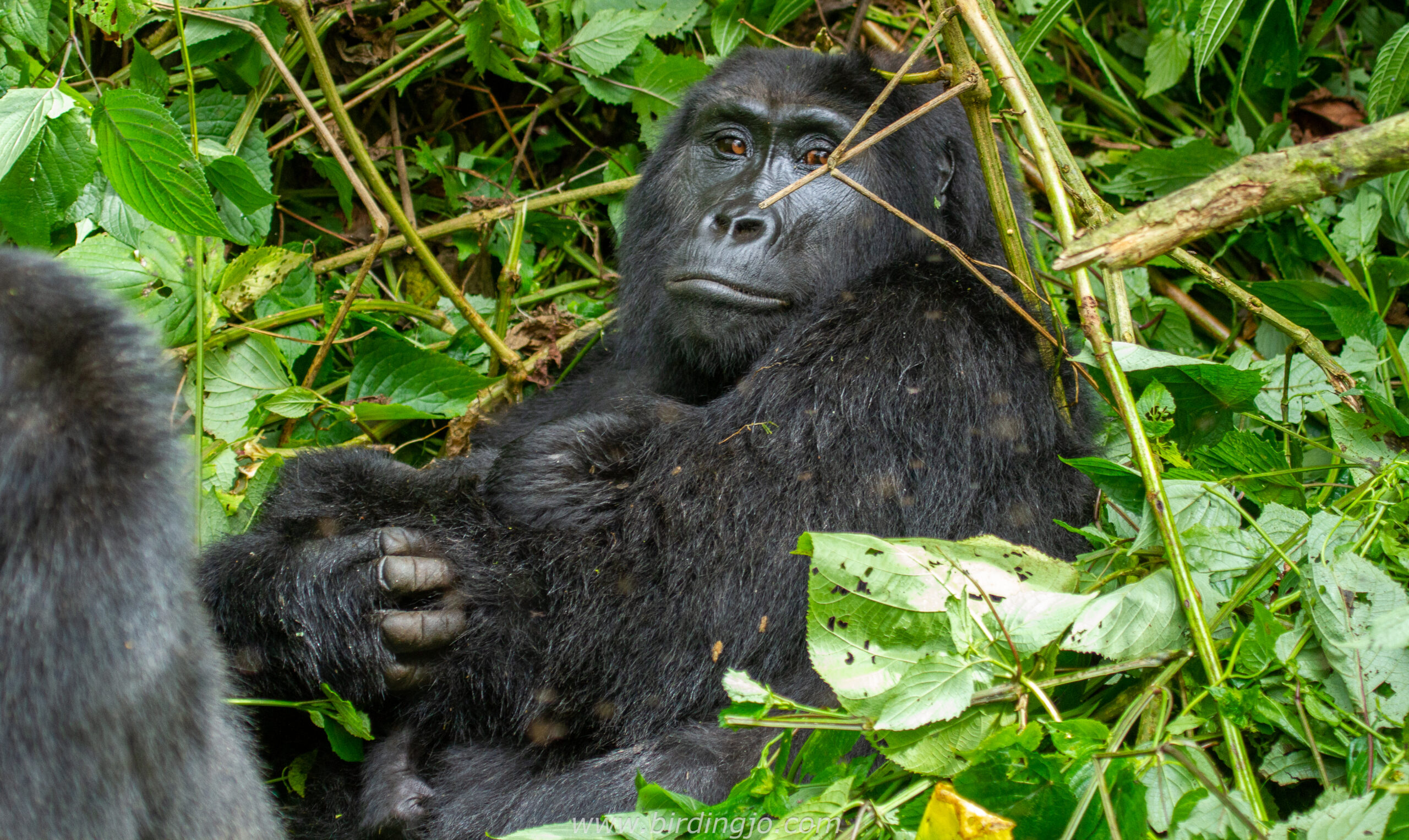
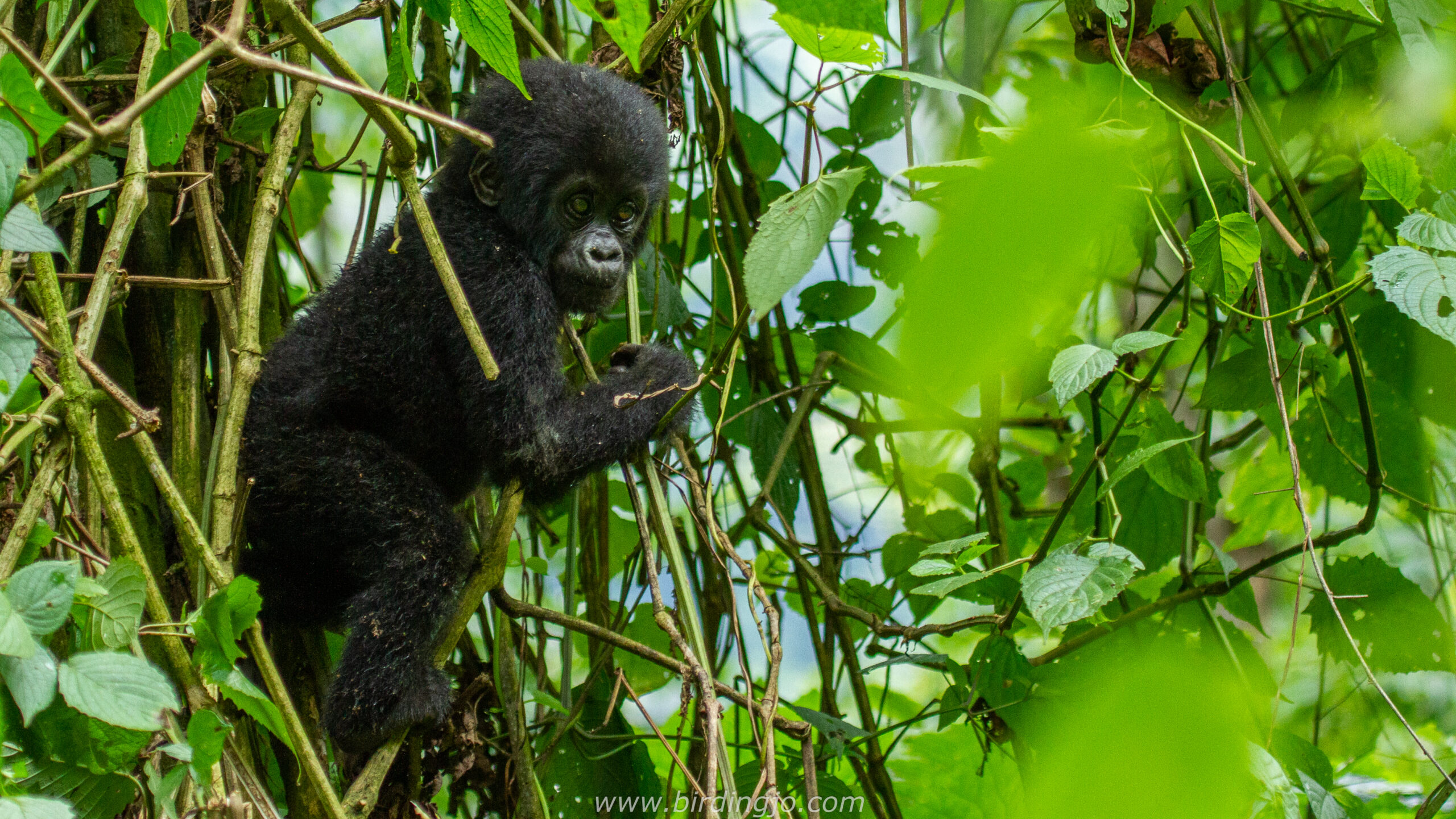
I think, we are.
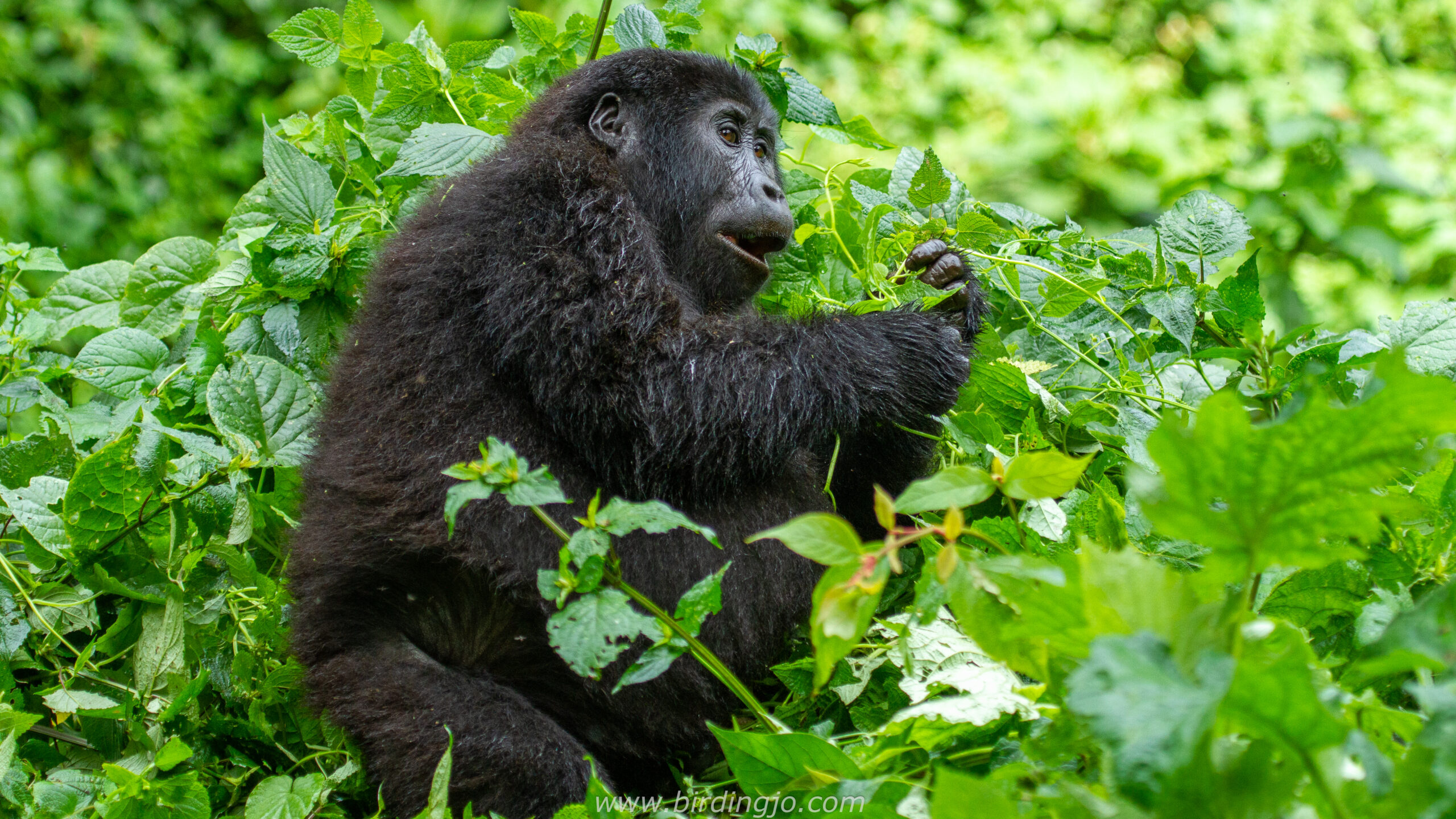
A word about the taxonomy of mountain gorillas. It was not until 1967 that the taxonomist Colin Groves proposed that all gorillas be regarded as one species (Gorilla gorilla) with three subspecies Gorilla gorilla gorilla (western lowland gorilla), Gorilla gorilla graueri (lowland gorillas found west of the Virungas) and Gorilla gorilla beringei (mountain gorillas, including Gorilla beringei, found in the Virungas and Bwindi). In 2003, after a review, they were divided into two species (Gorilla gorilla and Gorilla beringei) by The World Conservation Union (IUCN). Hence, the mountain gorillas are gorilla beringei. They have thicker hair cover to protect them from cold and incessant rains in their habitat.
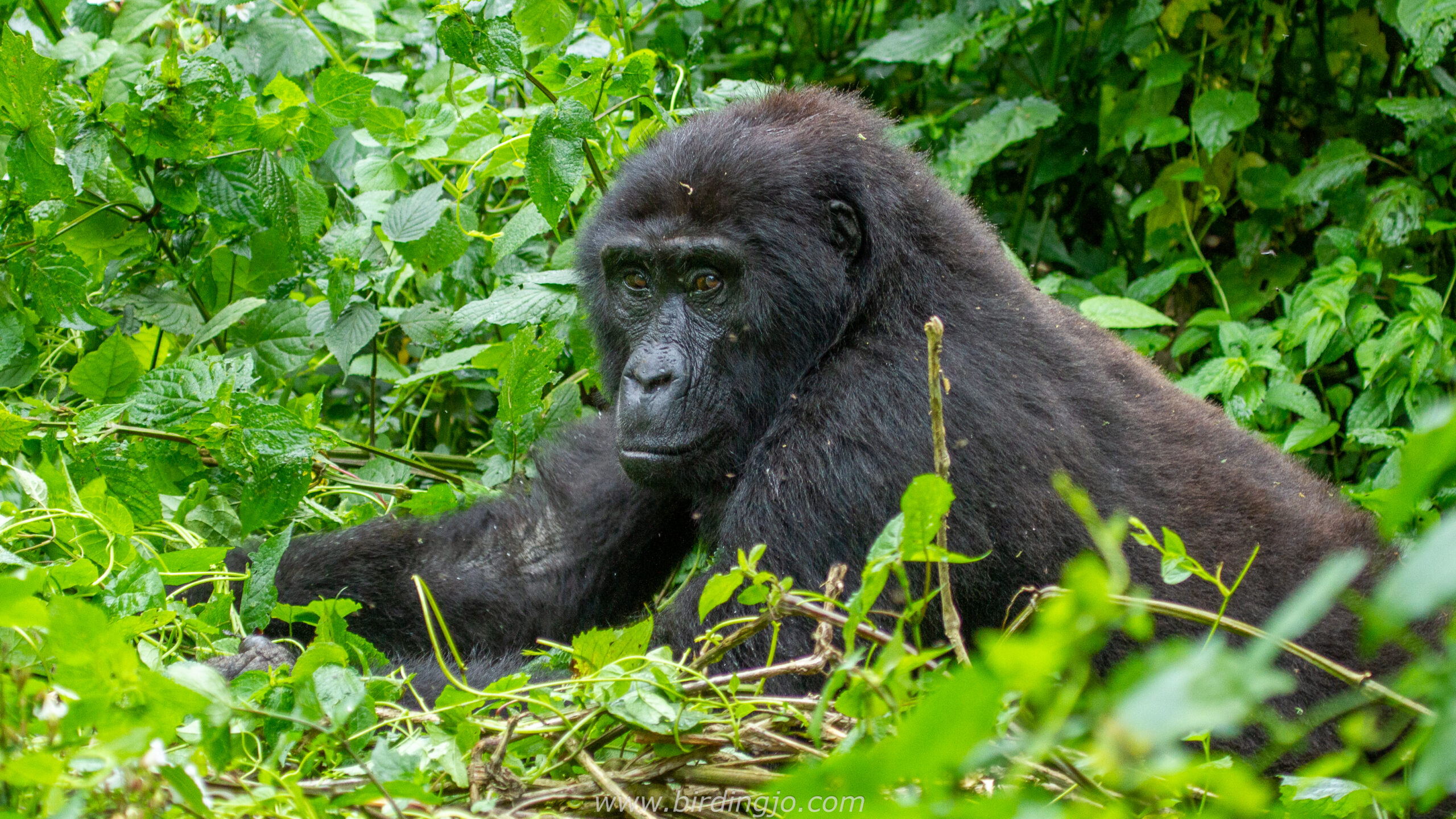
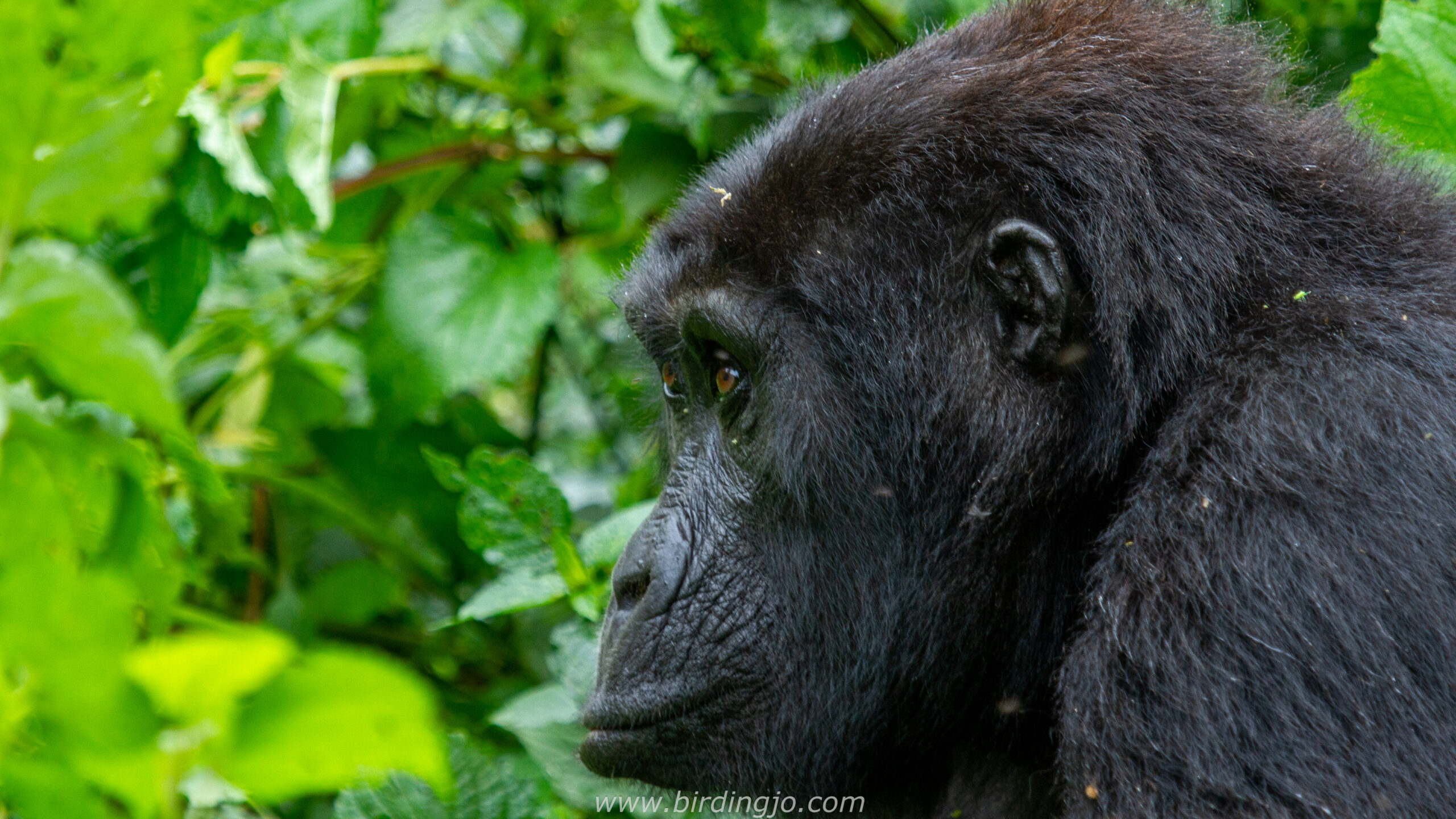
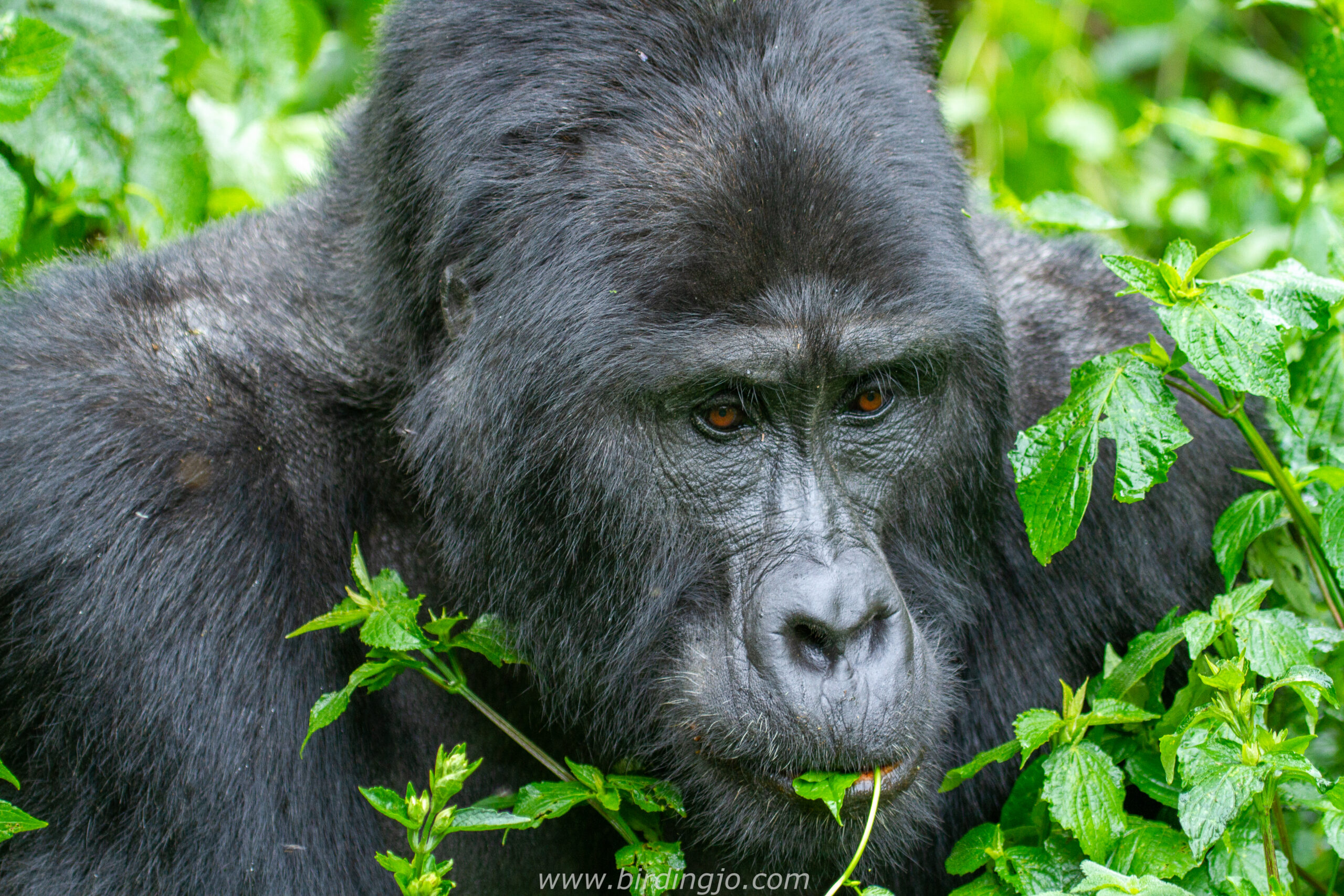
Now you know ‘where’ and ‘how’ to visit the mountain gorillas. The only question that remains to be answered / planned for is ‘When ?’. When are you visiting the King Kong and his family ?
Happy thinking !!
PS – Some important links to read up more on gorillas:-
https://en.wikipedia.org/wiki/Mountain_gorilla
https://www.nationalgeographic.com/adventure/article/reasons-trek-see-mountain-gorillas-uganda
https://en.unesco.org/courier/news-views-online/uganda-mountain-gorillas-shielded-threats