Tag: indian_birds

  • Eastern Ladakh

    Eastern Ladakh

    “Travelling to remote places is a great de-tox ! ” – birdingjo

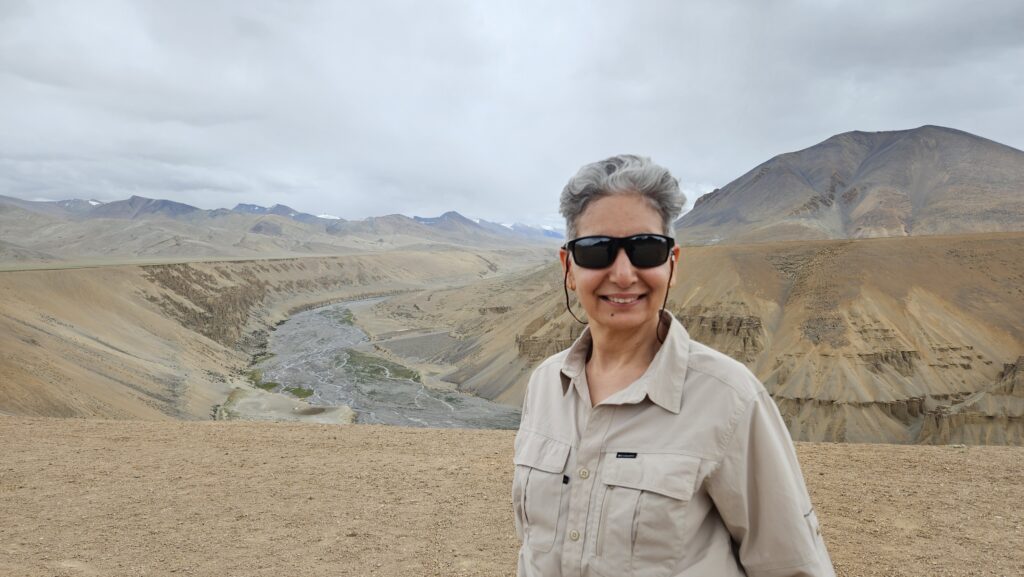
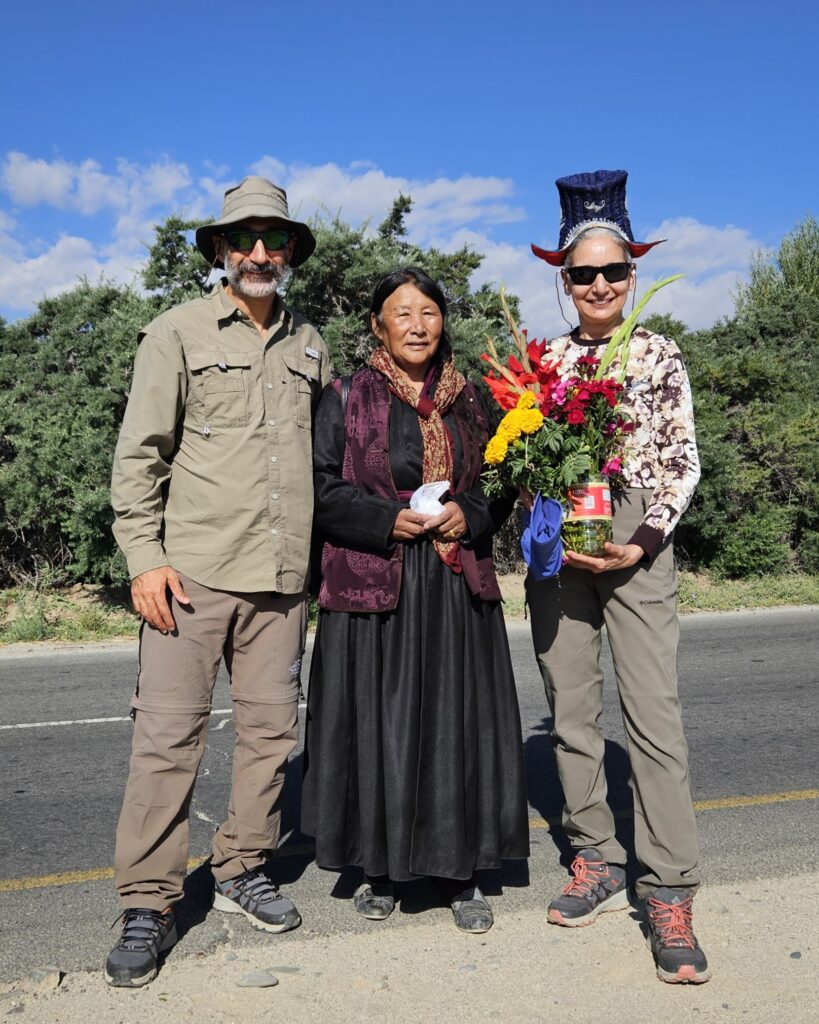
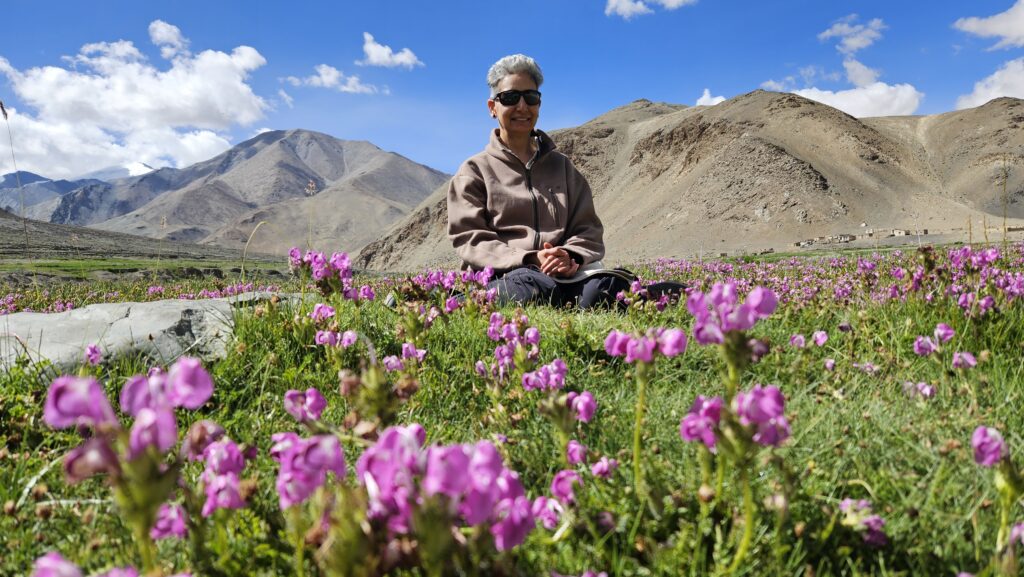
    I consider myself fortunate for multiple opportunities to have travelled and lived in this unique area called Ladakh and I always wanted to show it to my better half, Pushpinder aka Pusha.

    Incidentally, Ladakh, for un-initiated is now a Union Territory of India and has the distinction of sharing its borders with Pakistan and China. Not hard to guess that it is situated in the Northern tip of India on the Western India. Prior to 31 Oct 2019 (exactly five years from the time of writing this blog), Ladakh was part of the state of Jammu and Kashmir.
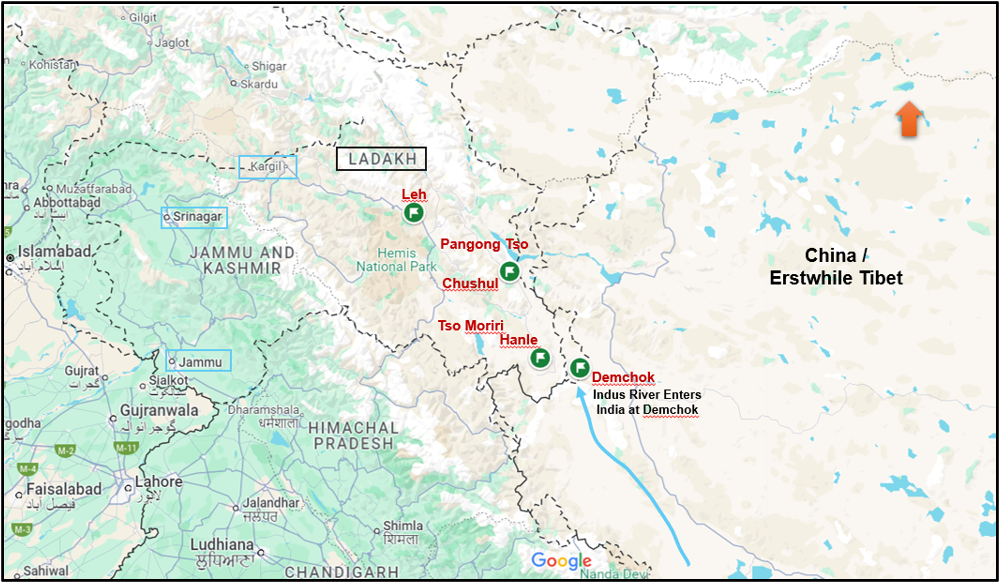
    General Area of Ladakh for a Broad Orientation

    La-dakh in local language translates to ‘land of thousand passes’. The remoteness and harsh weather conditions aptly are best described by an old ladakhi saying “The land is so inhospitable that only best of friends and worst of enemies visit us”.

    Day 1

    Started from Chandigarh – Kullu – Manali – Atal Tunnel (to bypass Rohtang Pass) – Keylong – Jispa. Kullu and Manali were surprisingly quite quiet. When we asked, where are the tourists and crazy traffic, we learnt that there was a ‘Yellow’ Alert by the government of Himachal about the possble landslides / flashfloods keeping in view what had happened in July 2023. Luckily, we made through to Jispa without any trouble.


    It was heartening to see the set of tunnels including the state of the art 9 km long Atal Tunnel by-passing the Rohtang pass and making it possible to reach Jispa in one day from Chandigarh.
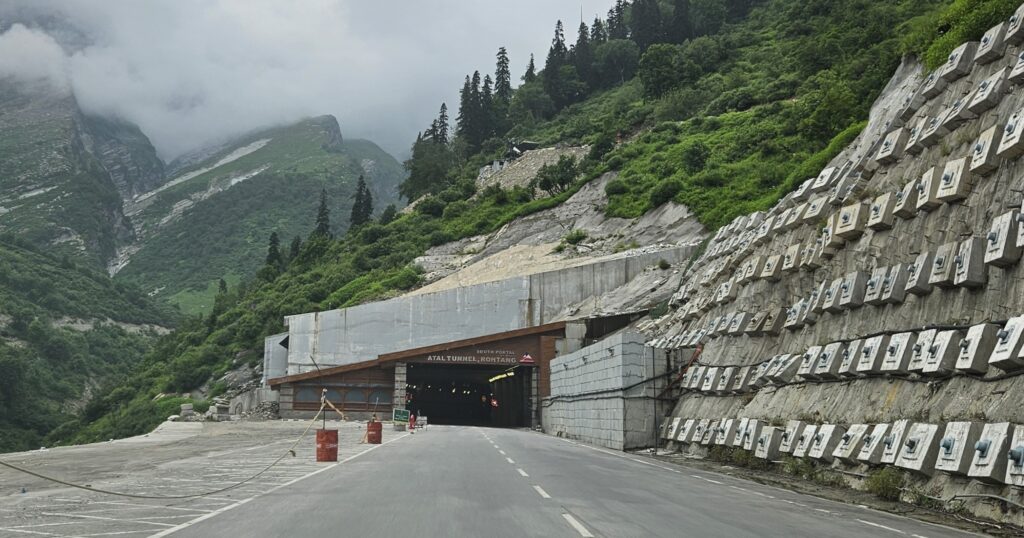
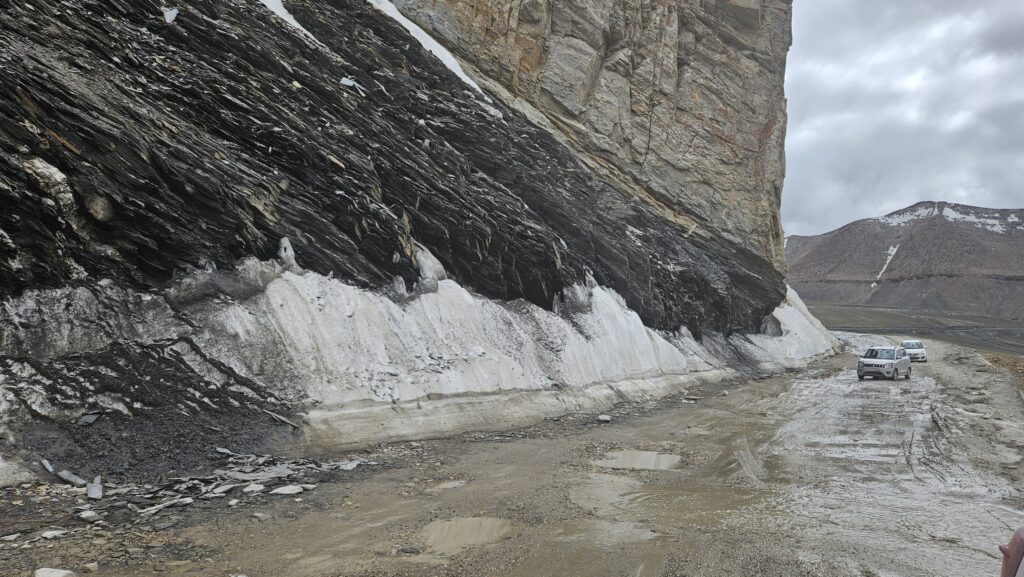
    Enterance of the Atal Tunnel and few pictures of the everchaning landscape enroute to Leh

    Day 2 & 3 – Stay at Ghemoor Khar, Jispa, District Lahol & Spiti, Himachal Pradesh.
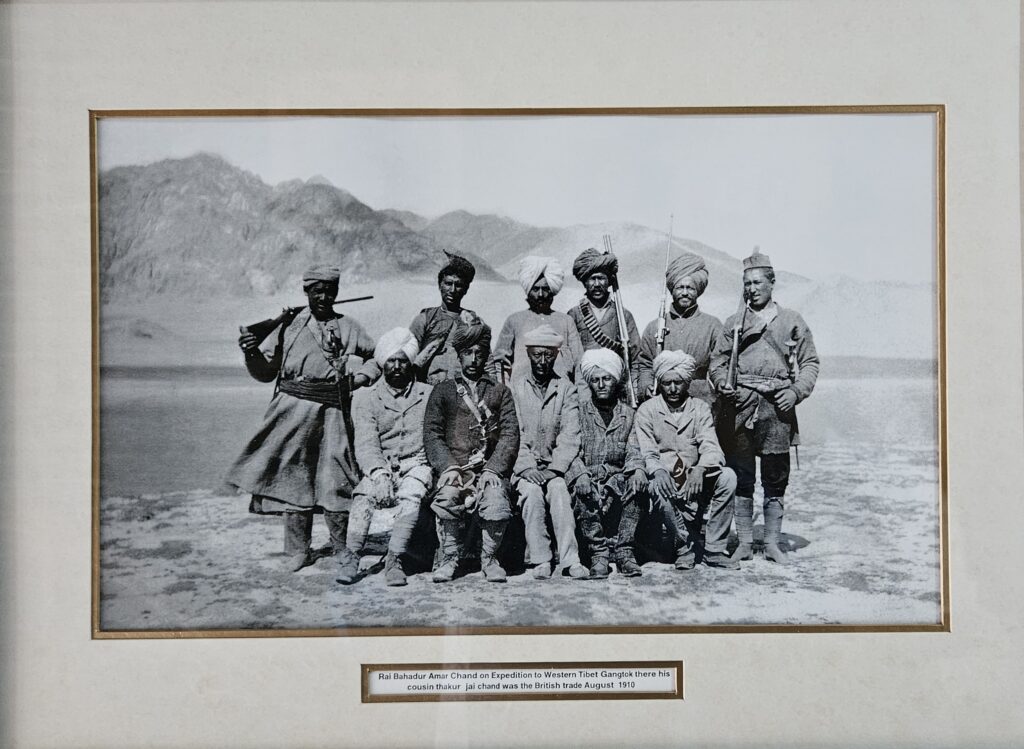
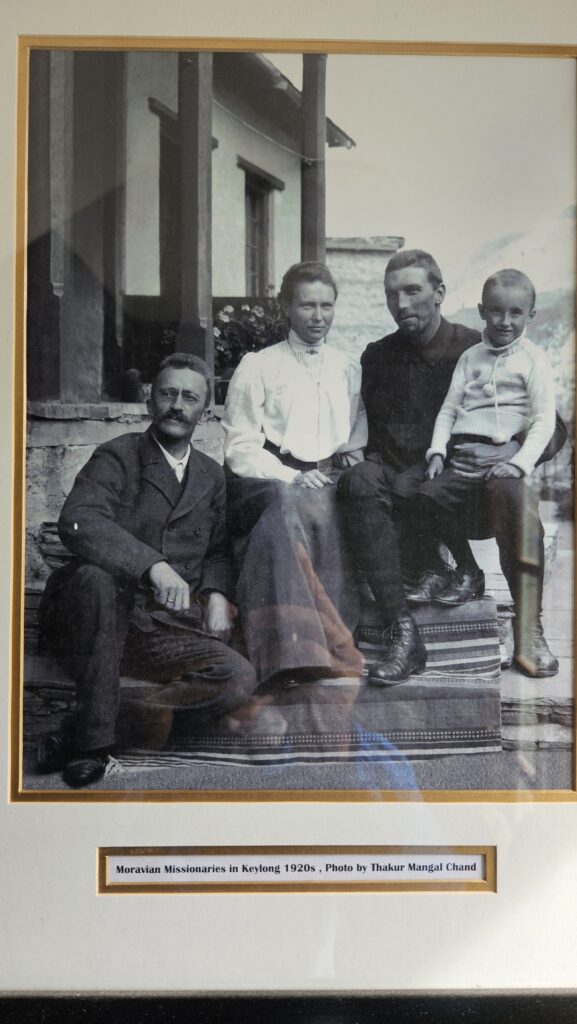
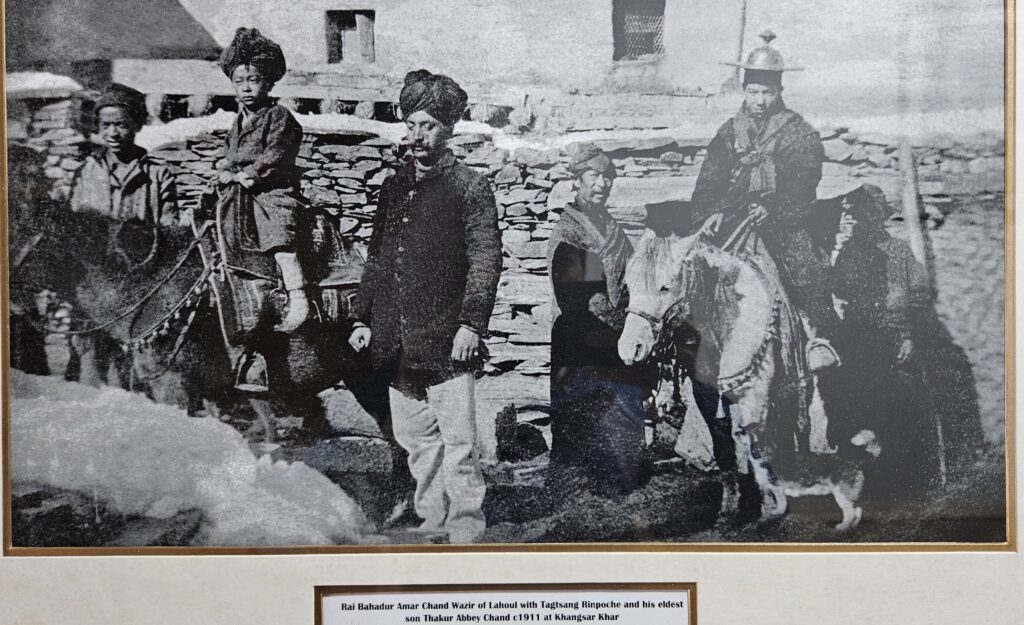
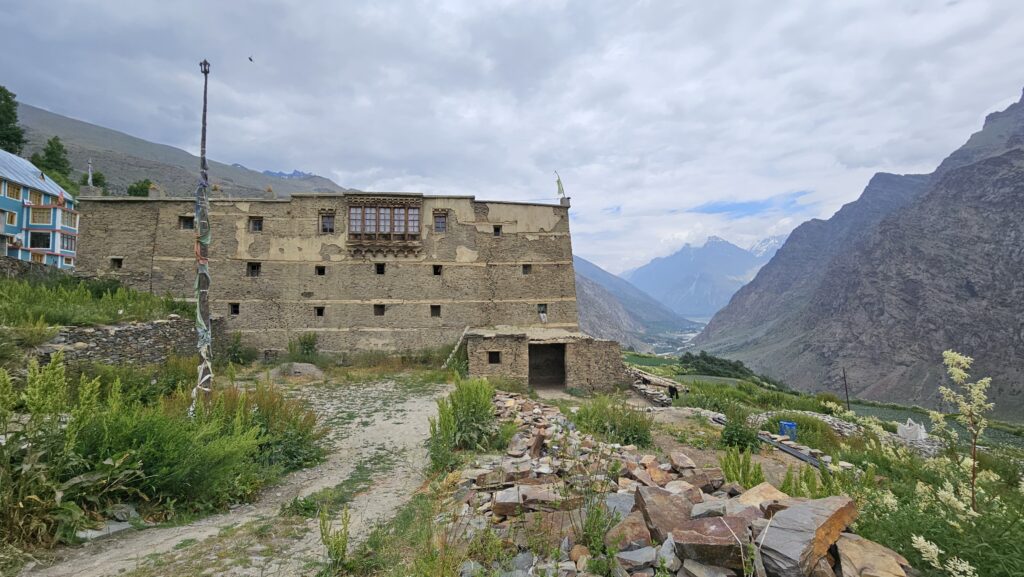
    We were fortunate to have booked Ghemoor Khar, which happen to belong to a prominent local family with a rich history. Posting some pictures of the past which Ghemur Khar has witnessed about 100 years ago.
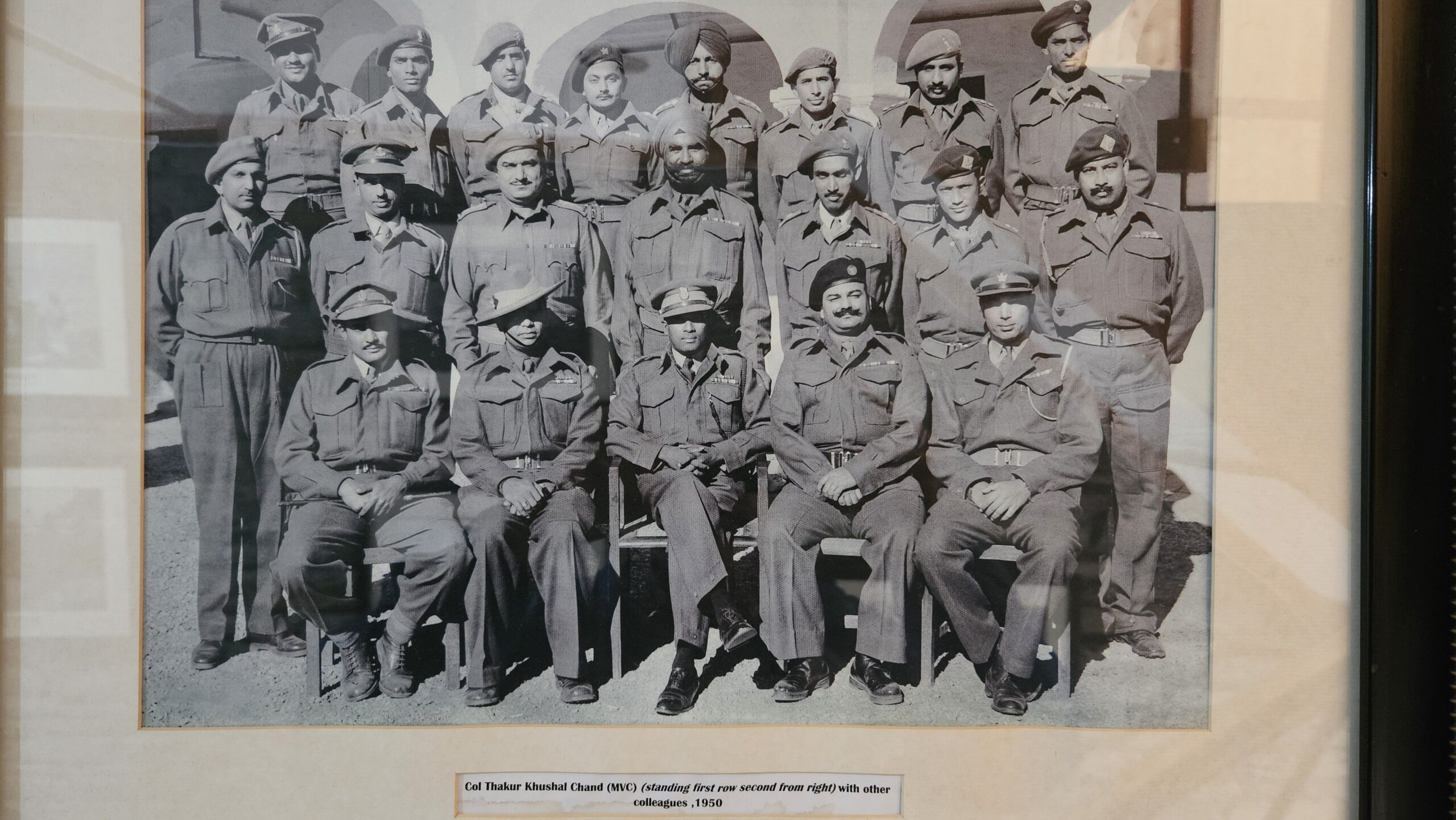
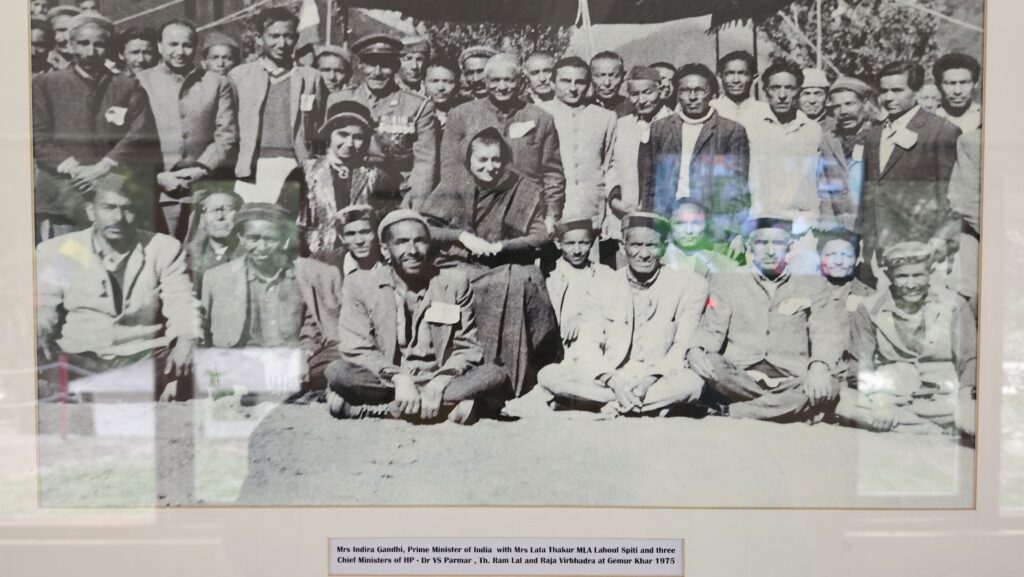
    Two Centuries old Palace (now in disuse) of Royal Family of the Lahol-Spiti.

    Day 4: Jispa – Pang – More Plains – Tanglang La – Leh

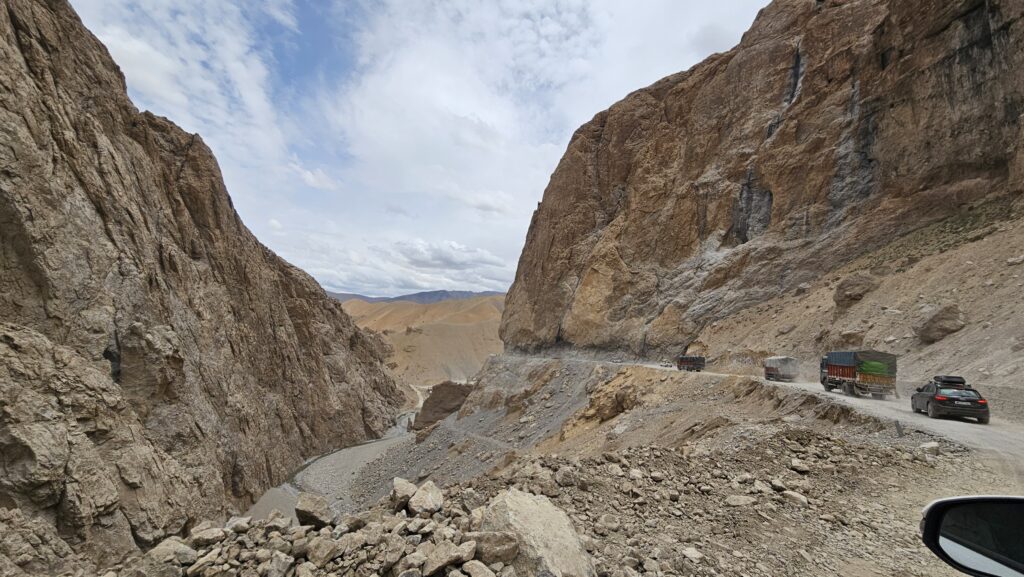
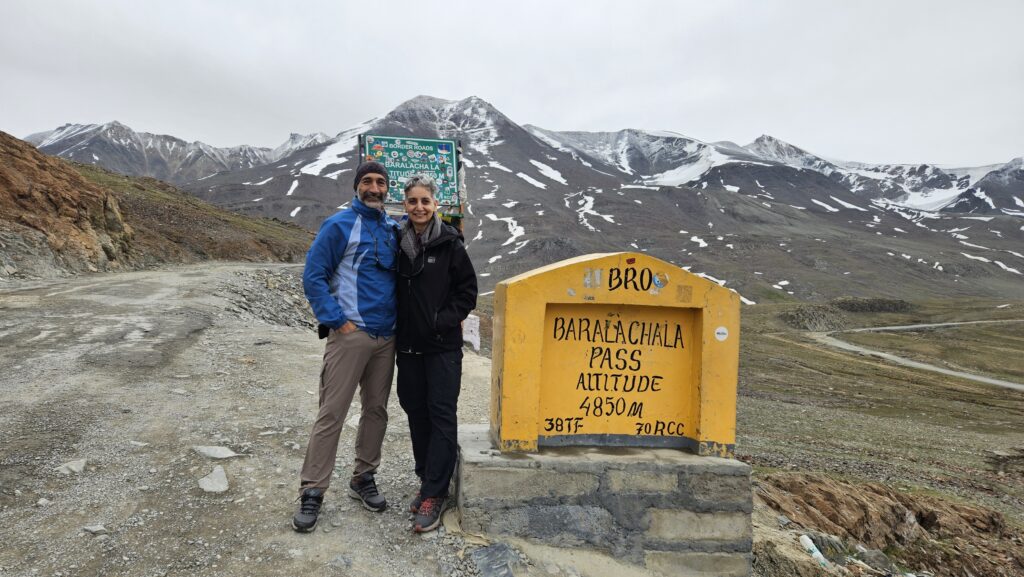
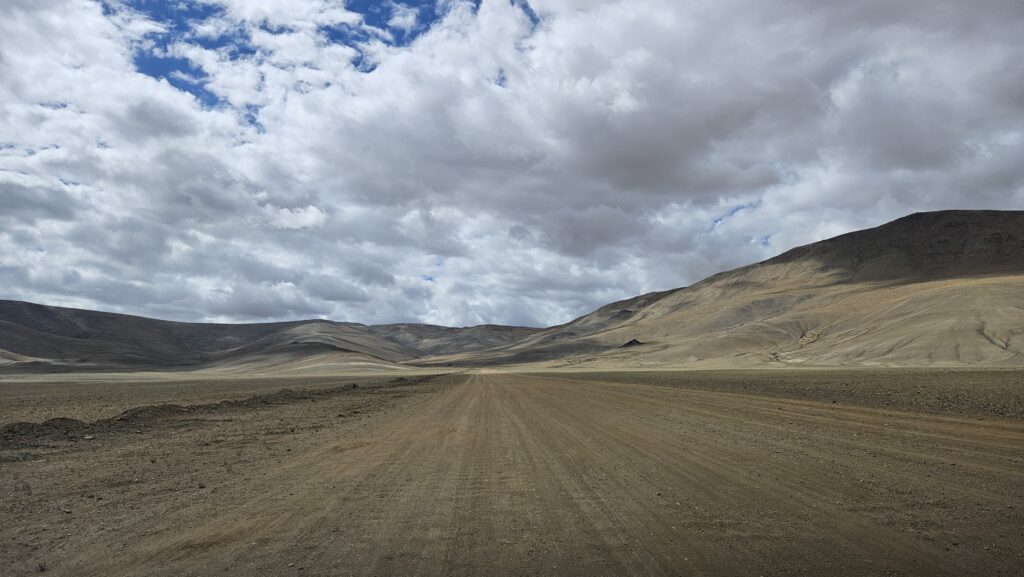
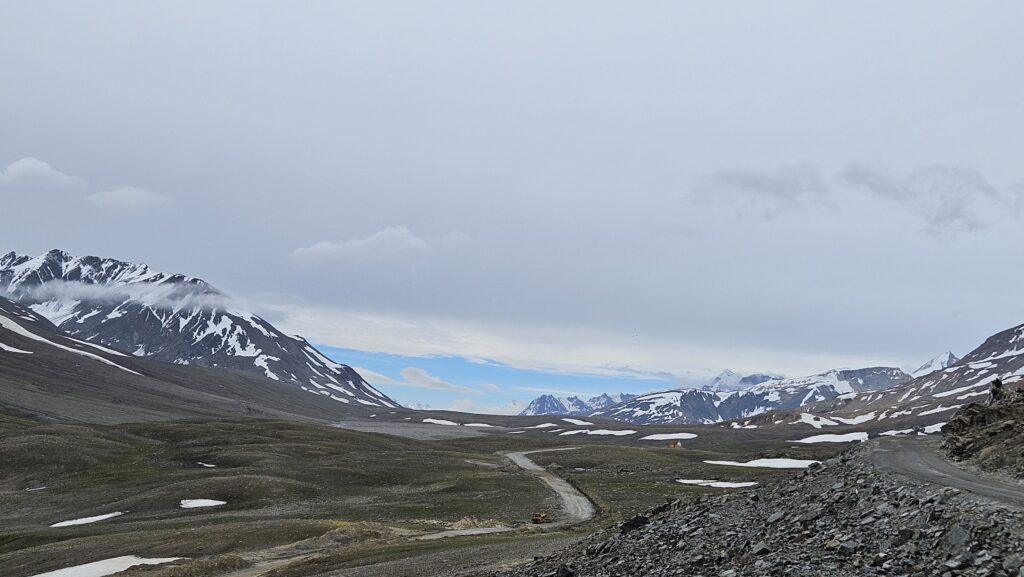
    Day 3 was a long drive of about 10 – 11 hours to cover a distance of approximately 380 kms. Some may wonder, why so much time for this distance, well, this route is at many places still a dirt or gravel track, precarious and challenging hill side cuttings and goes up through at least 5 passes which are above 15000 feet. Tanglang La being the highest enroute is at 17,482 feet.

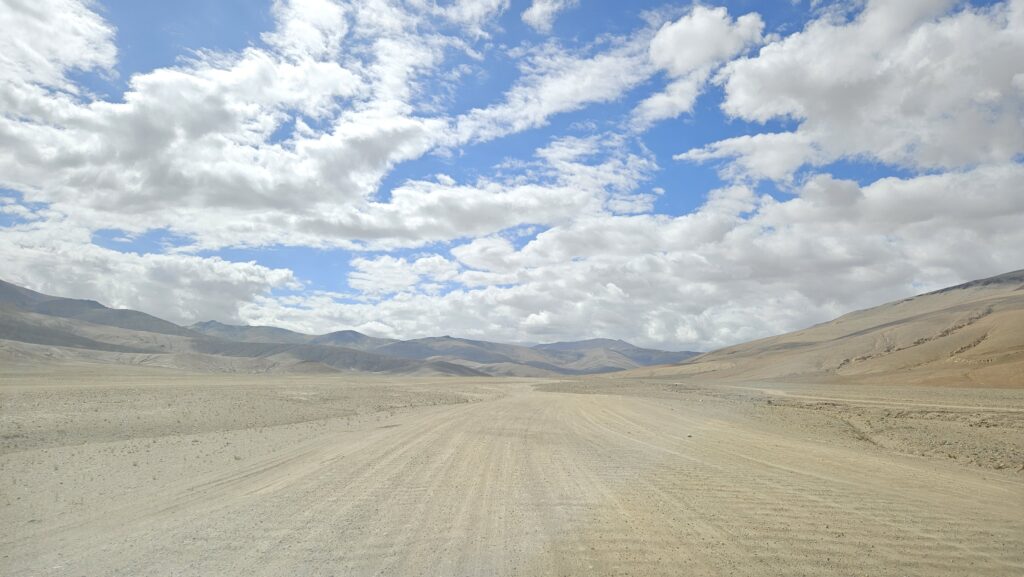
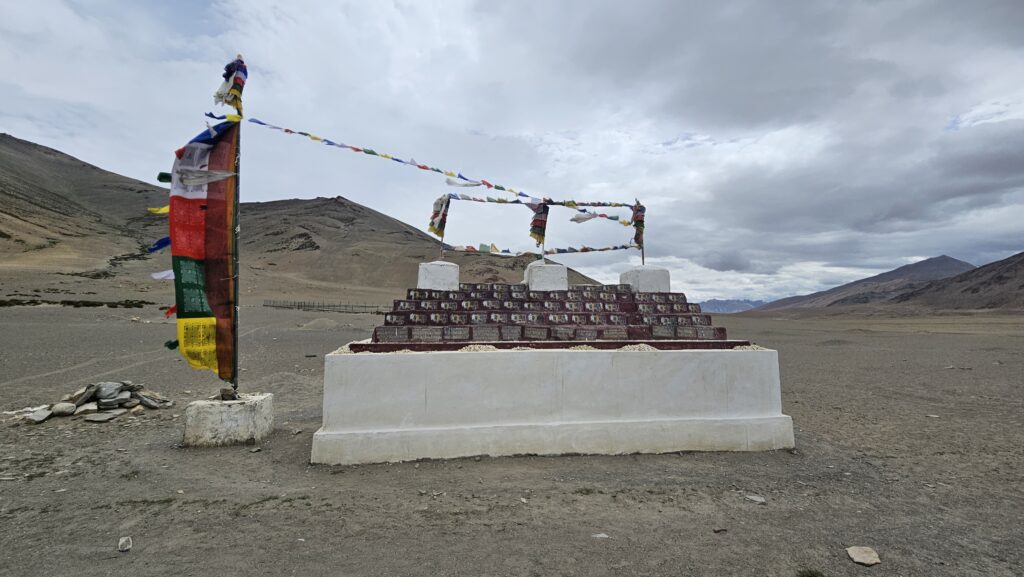
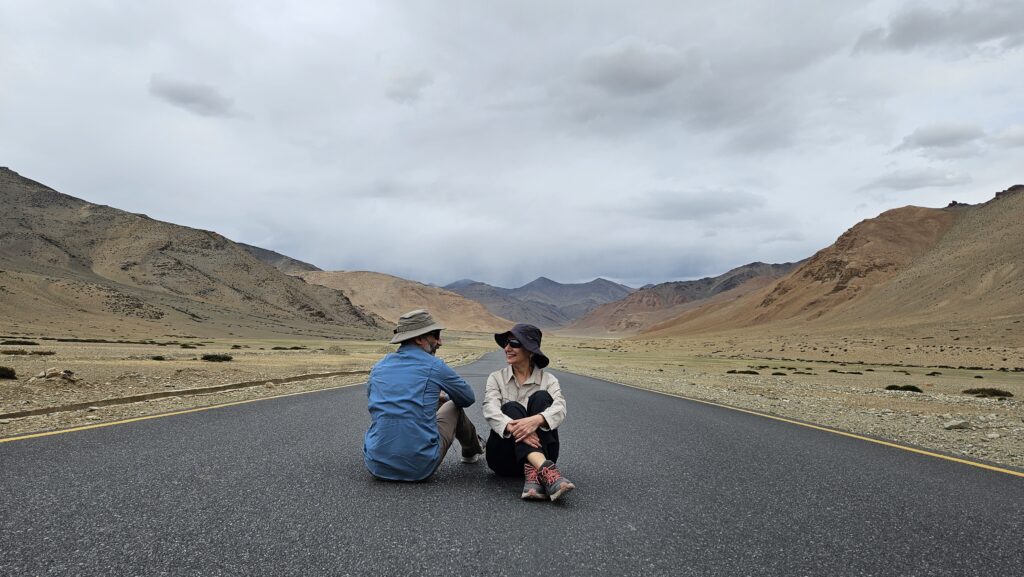
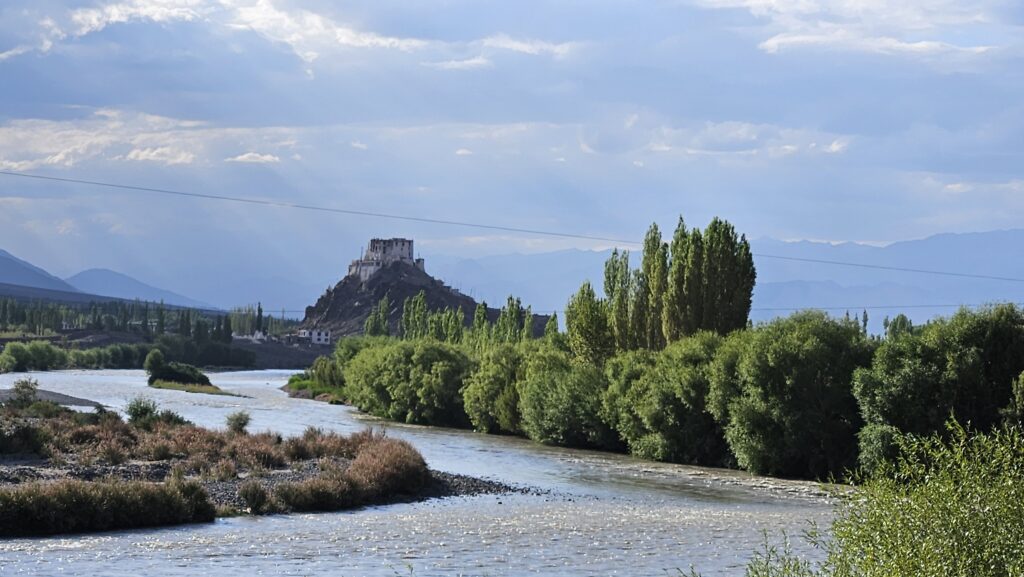
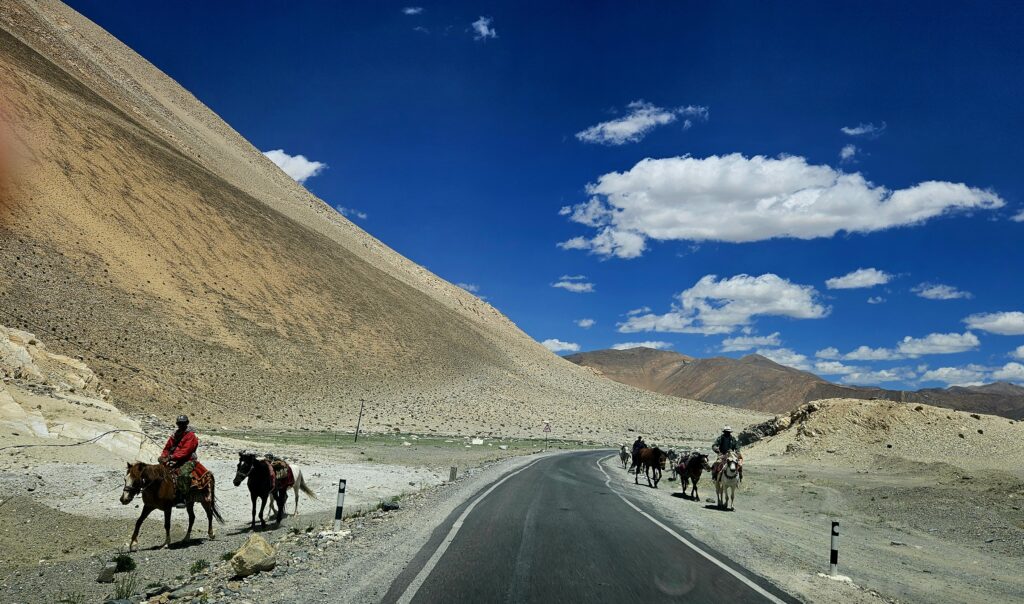
    In addition, one is bound to have multiple stops to admire and capture the beautiful and everchanging landscapes. Here are a few glimpses of the route.
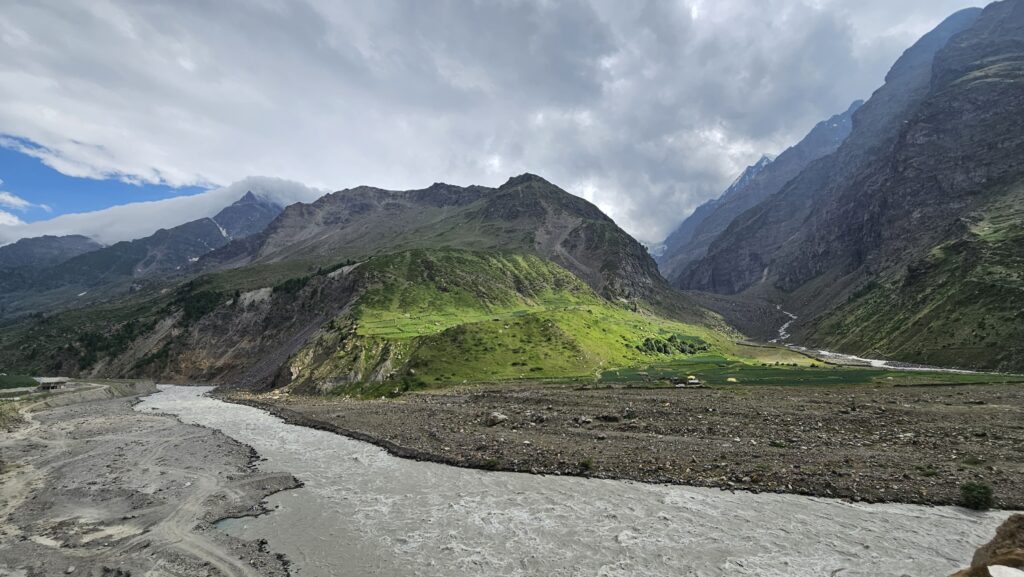
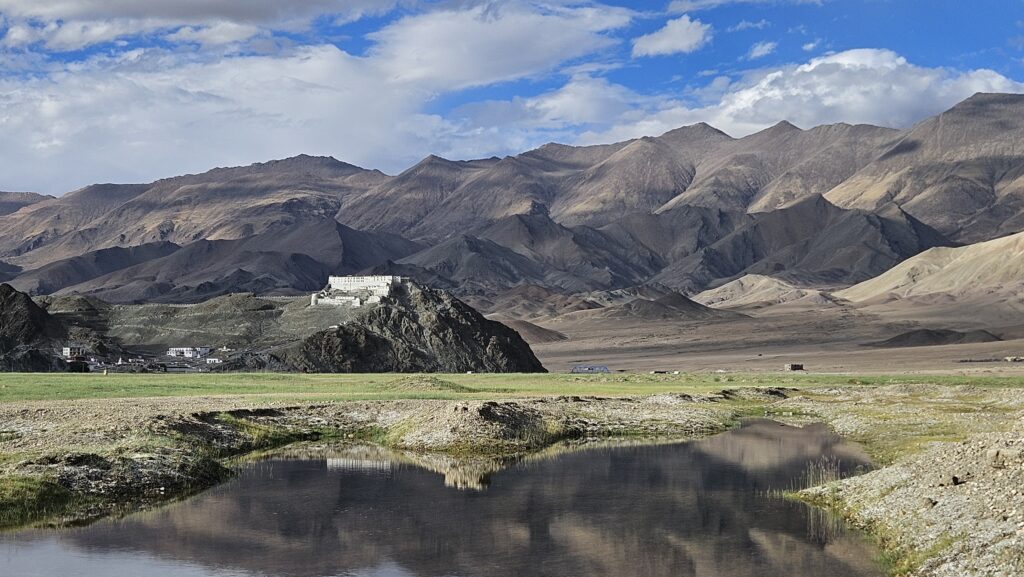
    Mighty Indus River Enroute to Leh near Stakhna Monastery.

    Day 5 & 6 : Stay at Leh

    Well, after going through multiple ups (17000 feet) and downs (10000 feet) on the road to Leh, it makes perfect sense to spend a day or two to acclimatise the body in this high altitude areas. Hence, we enjoyed our stay at lovely Ladakh Residency hotel, personally looked after by the gracious owner Mr. Wangchuk.

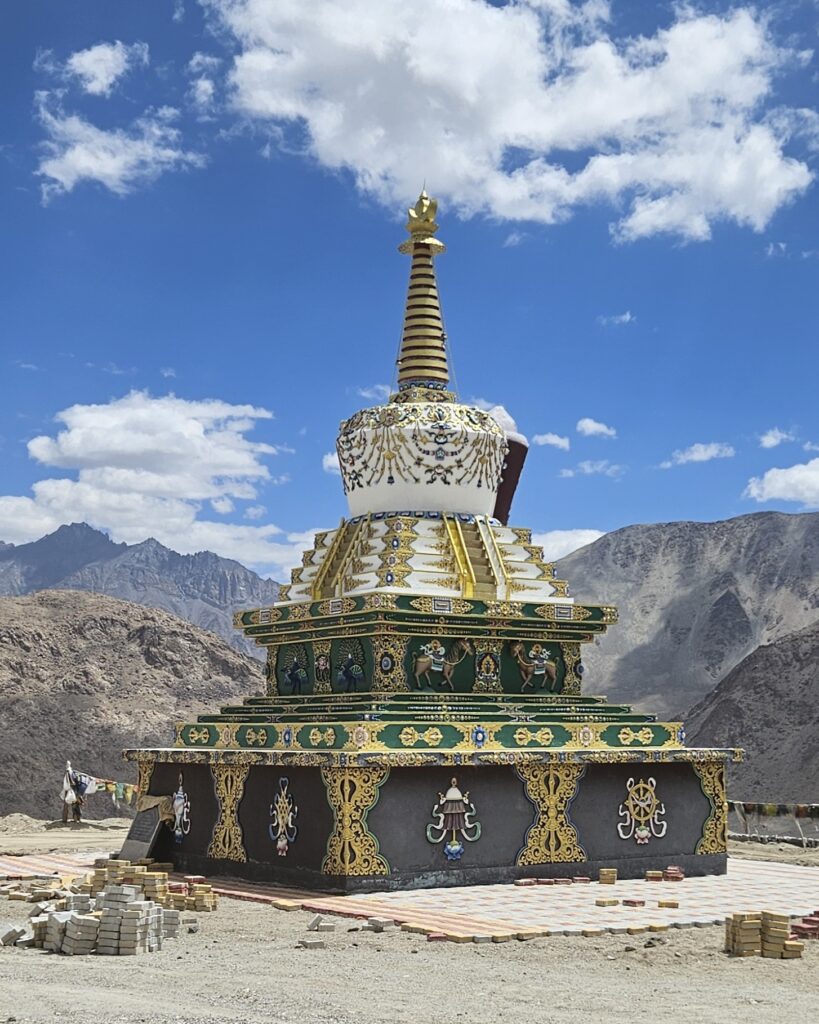
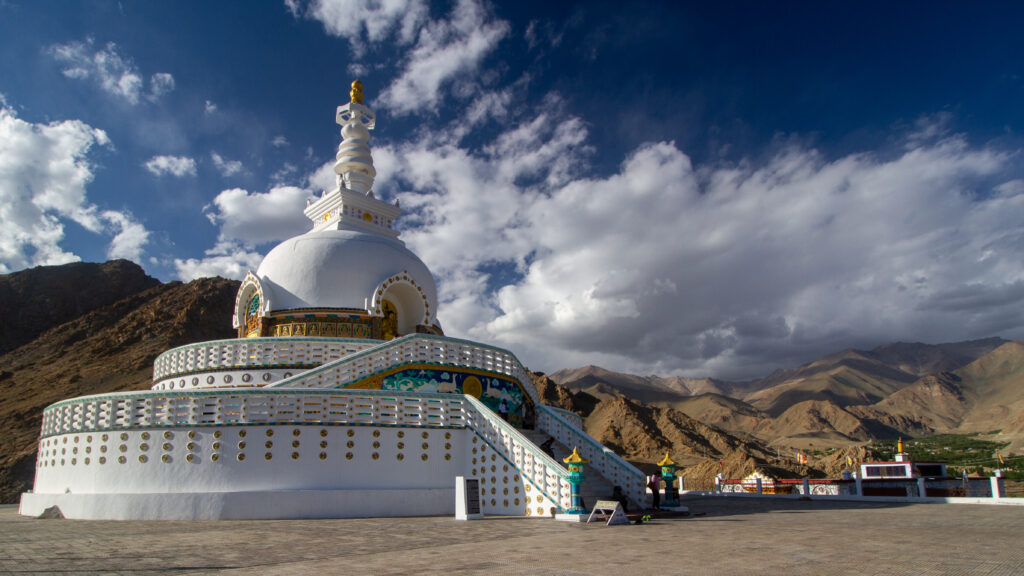
    We took strolls to the Leh market and the magnificent Shanti Stupa overlooking the entire Leh Valley.

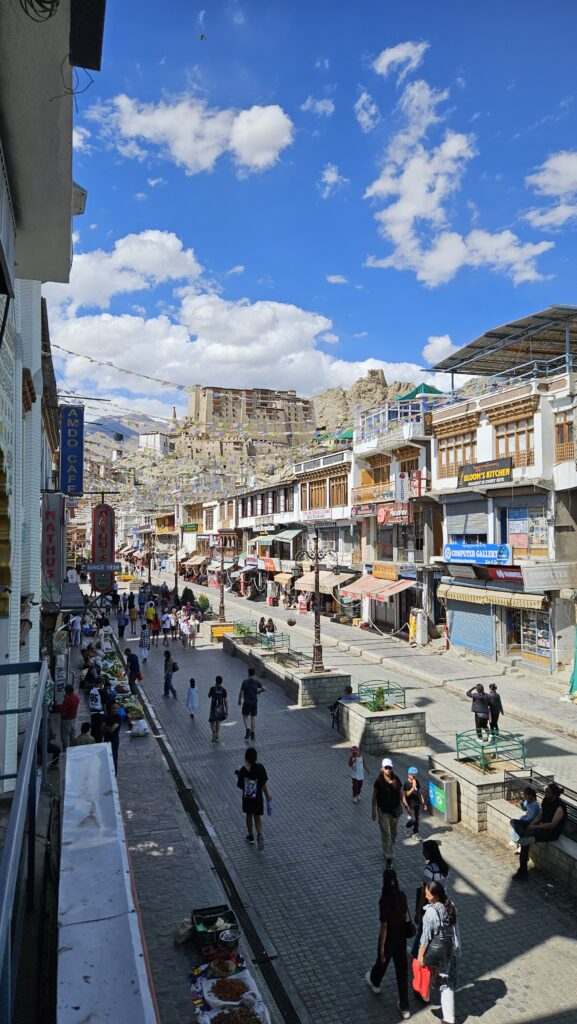
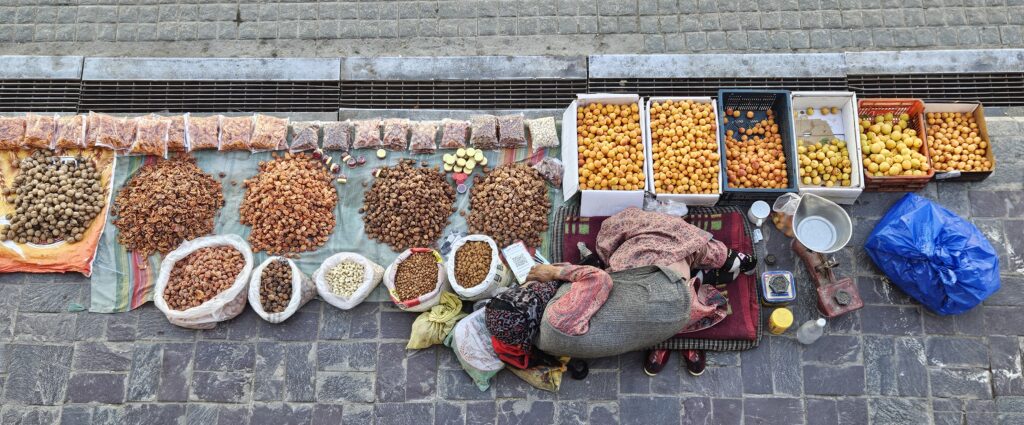
    Catching 40 winks in between the 400 bucks !! We, enjoyed the fresh and organic apricots !

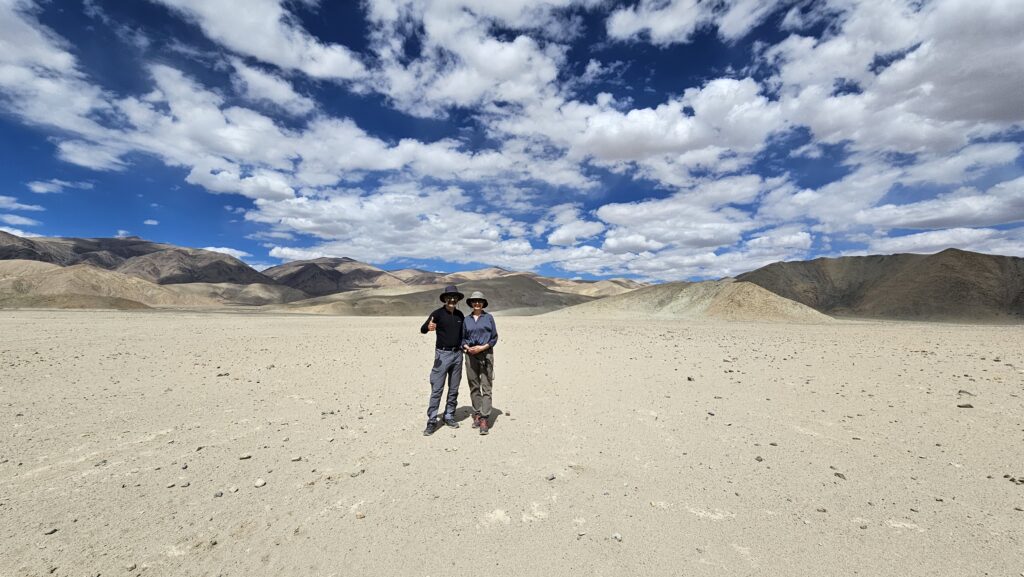
    Day 7: Leh – Chang La – Pangong Tso

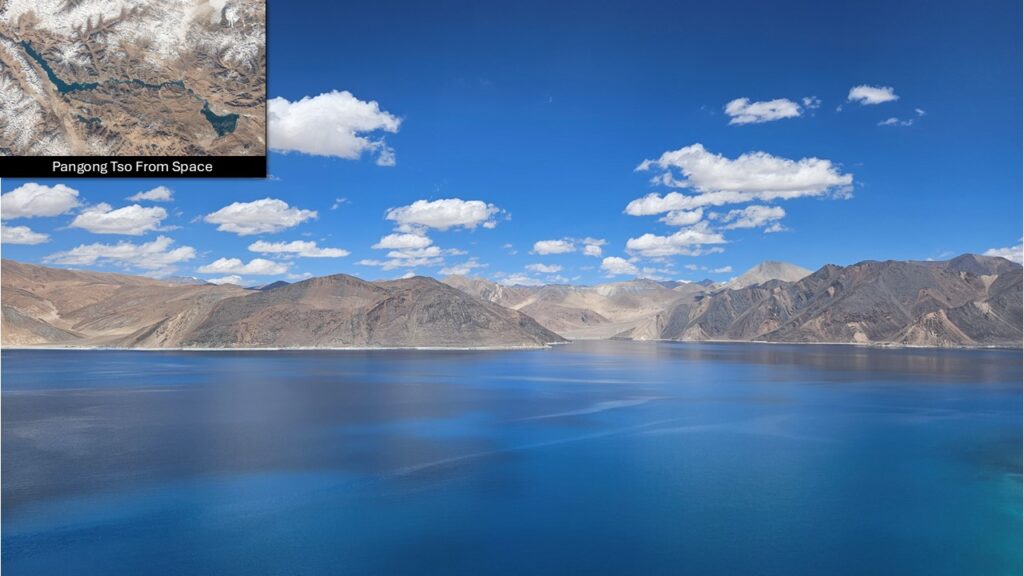
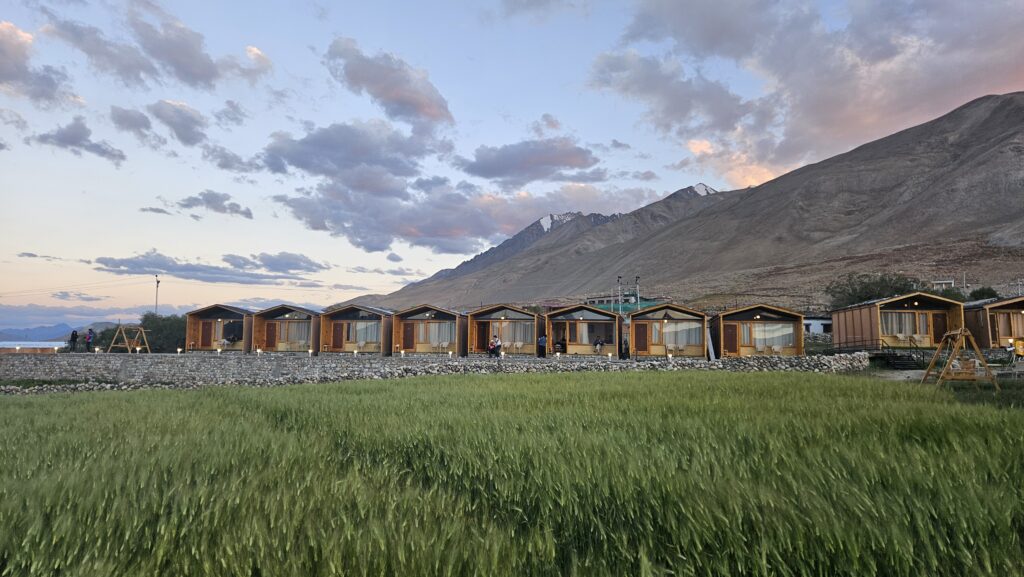
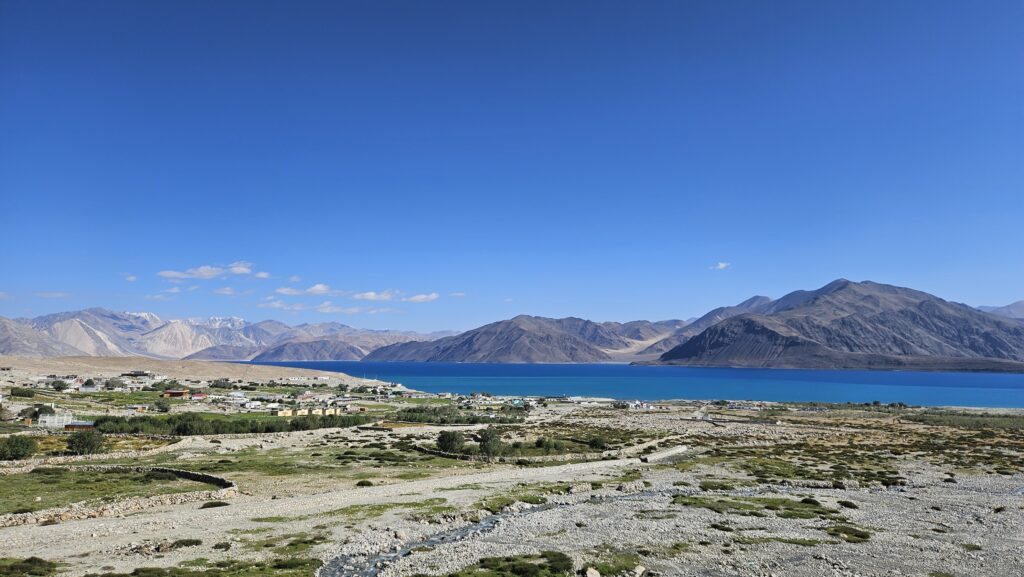
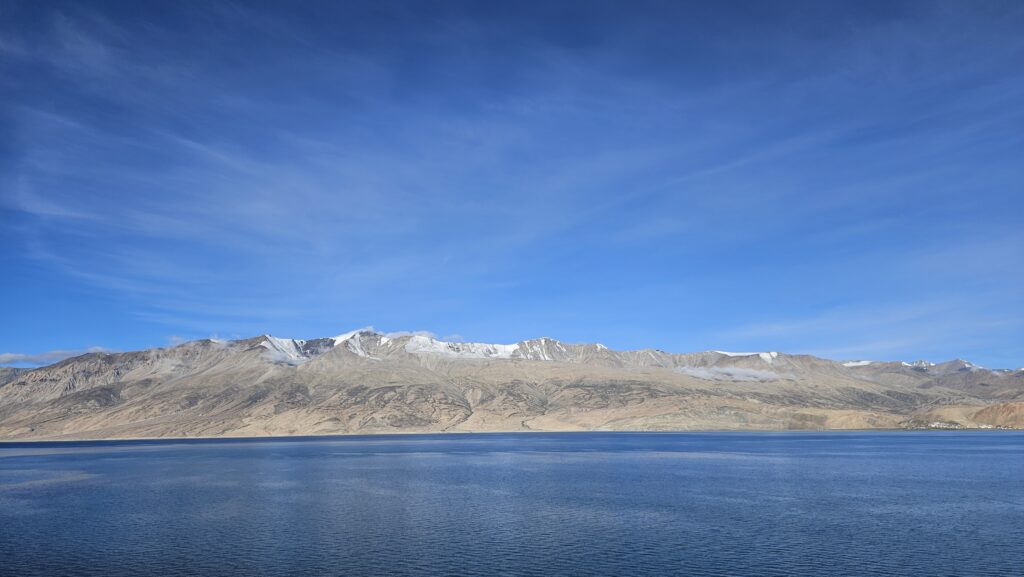
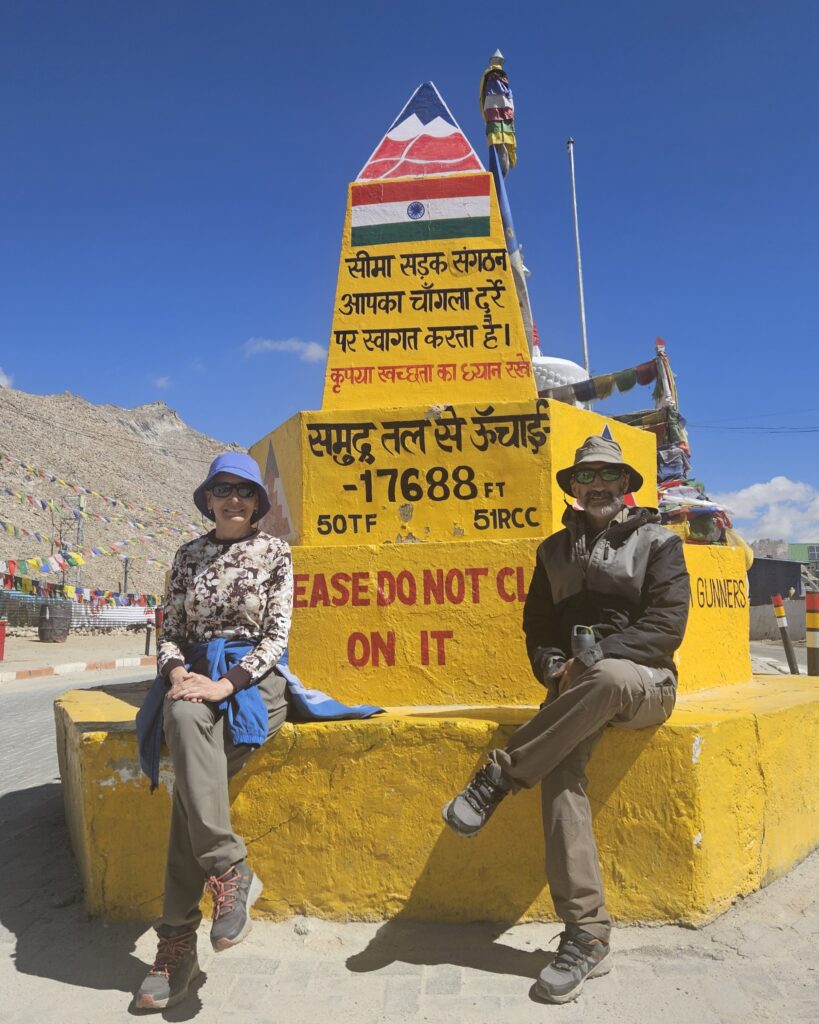
    We headed out to the most iconic lakes in the are i.e., Pangong Tso and we were to go through Chang La, which is the third highest motorable pass at 17,688 feet.
    Pangong Tso at an elevation of 4,225 m. It is 134 km (83 mi) long. Approximately 50% of the length of the overall lake lies within Tibet administered by China, 40% in Indian-administered Ladakh, and the remaining 10% is disputed and is a de-facto buffer zone between India and China. (Source – Wikipedia)

    Day 7: Pangong Tso to Hanle

    The route goes along mostly dirt track on the banks of Pansong Tso and then via Chushul village – a site of historical importance from the 1962 war between India and China.

    It was a privilege to be able to visit the War Memorial for Rezang La in the Chushul Valley. The Memorial honours the 114 Indian soldiers of the ‘C’ Company (a.k.a. Ahir Company) of 13th Kumaon who died defending their position while inflicting 1300 casualties on the Chinese.
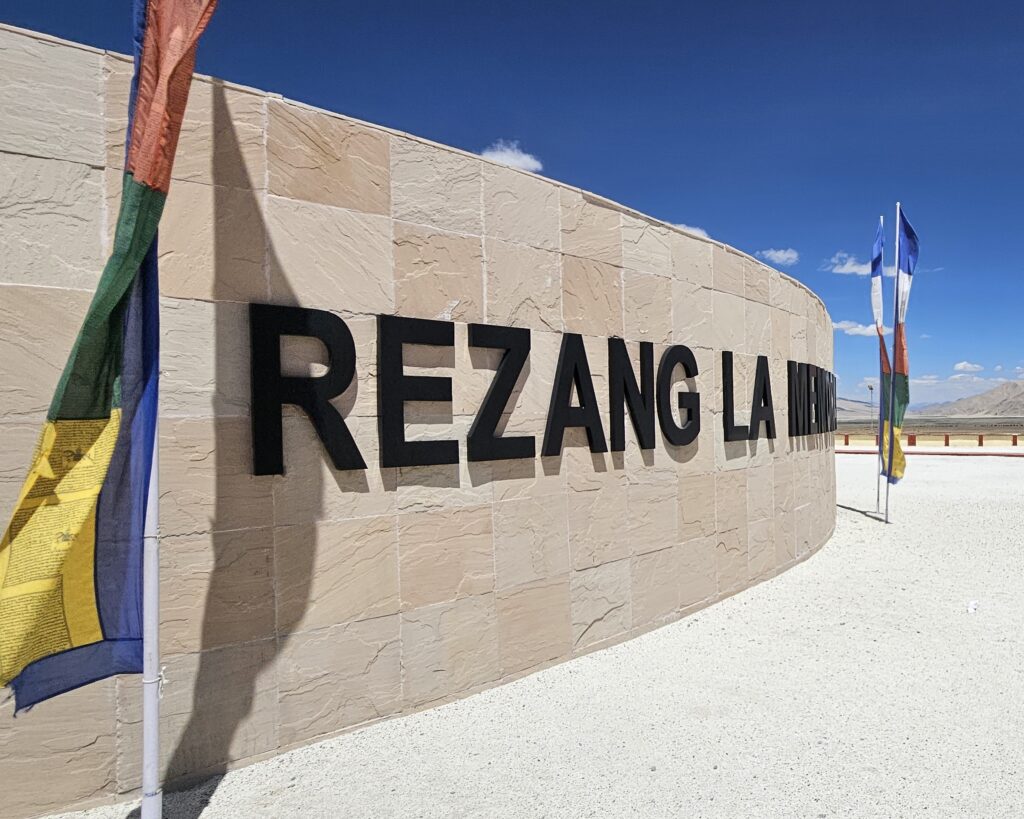
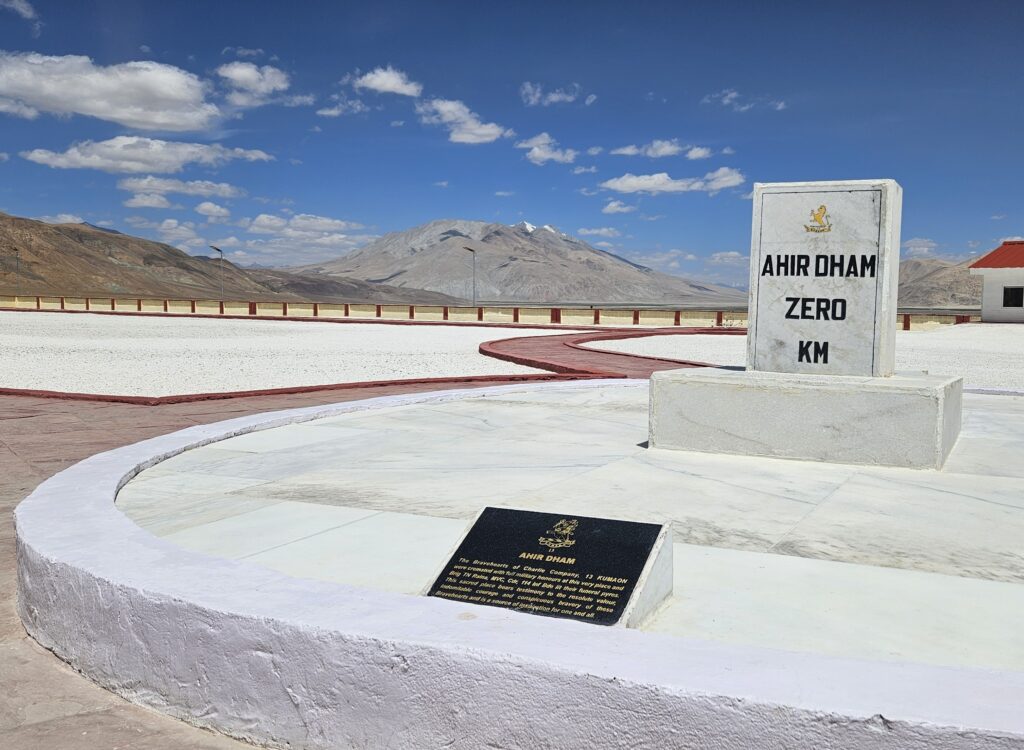
    After crossing Chushul, one reached Dungti area, where the Indus river takes a westerly turn and heads along the valley to Leh. It is here that the road diverges along the Hanle river valley towards the Hanle village.

    Days 8, 9 & 10: In and Around Hanle

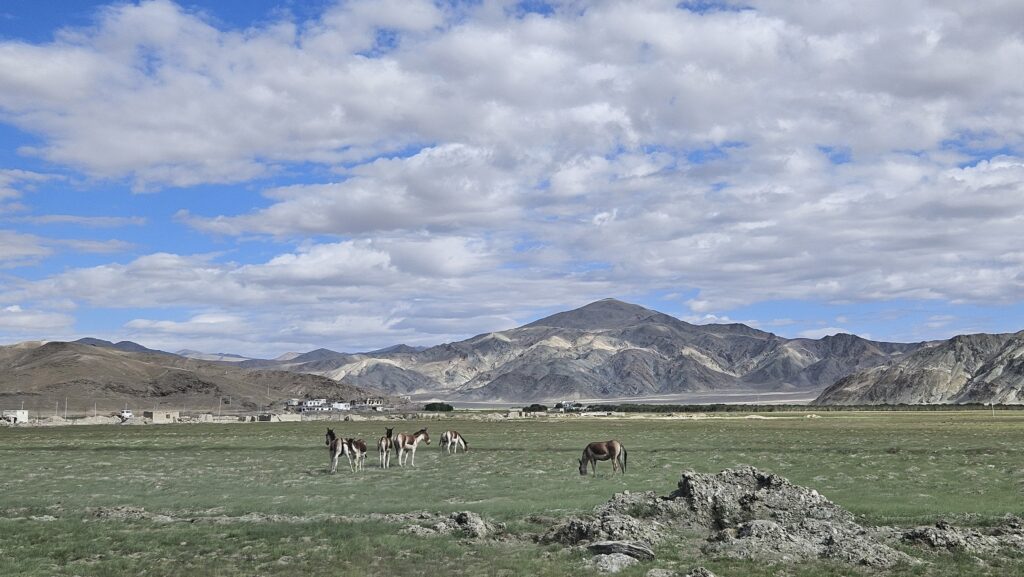
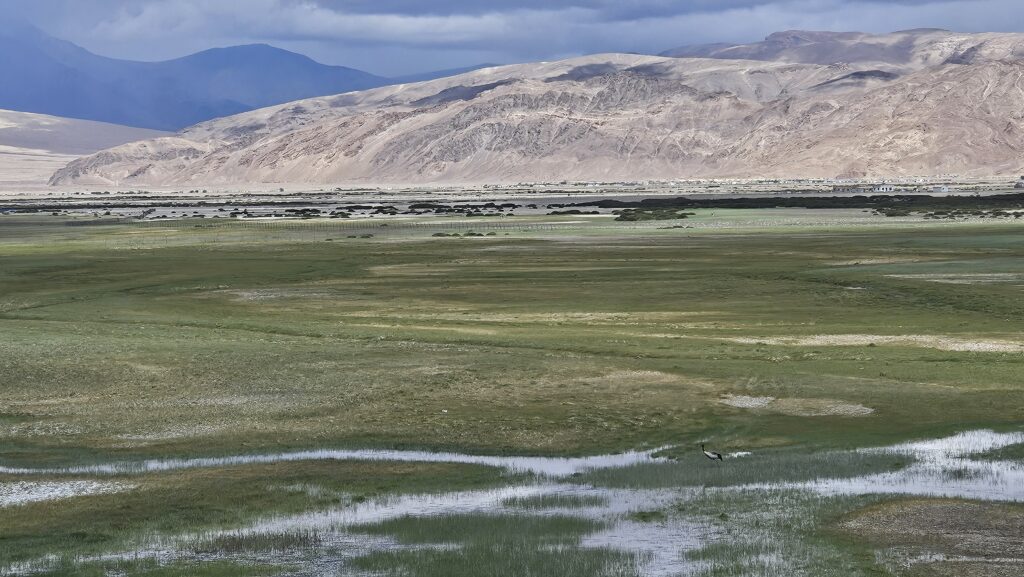
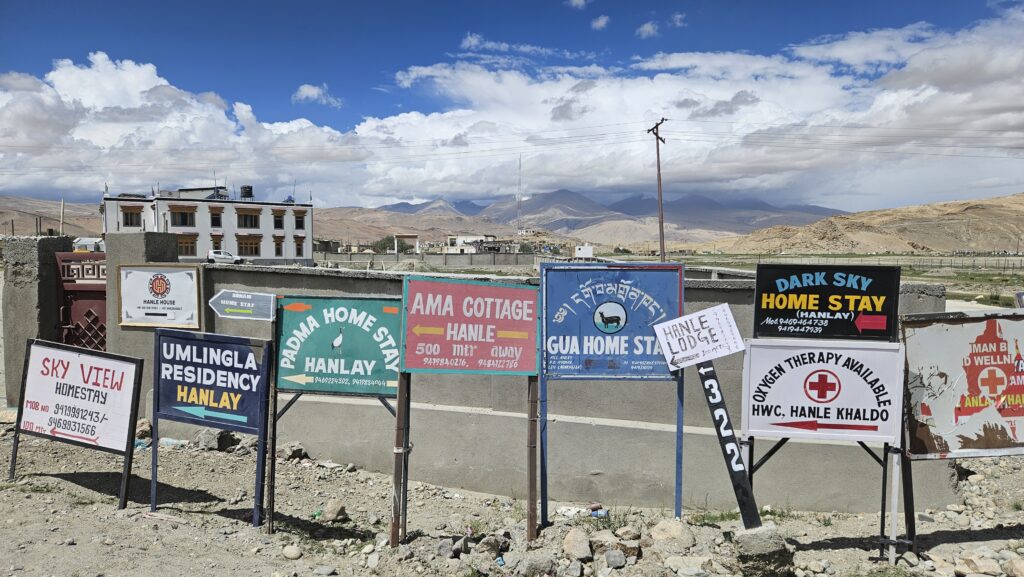
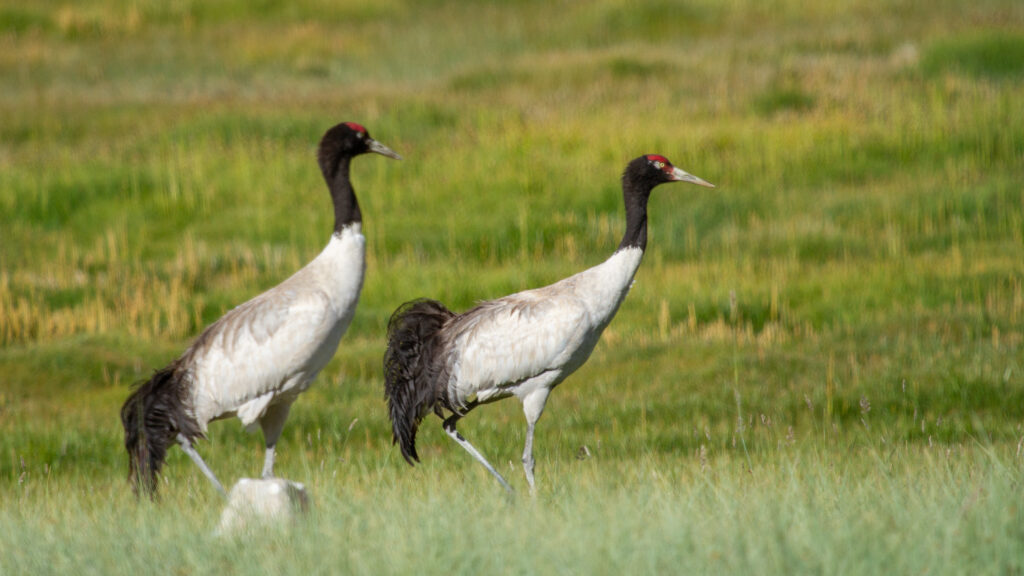
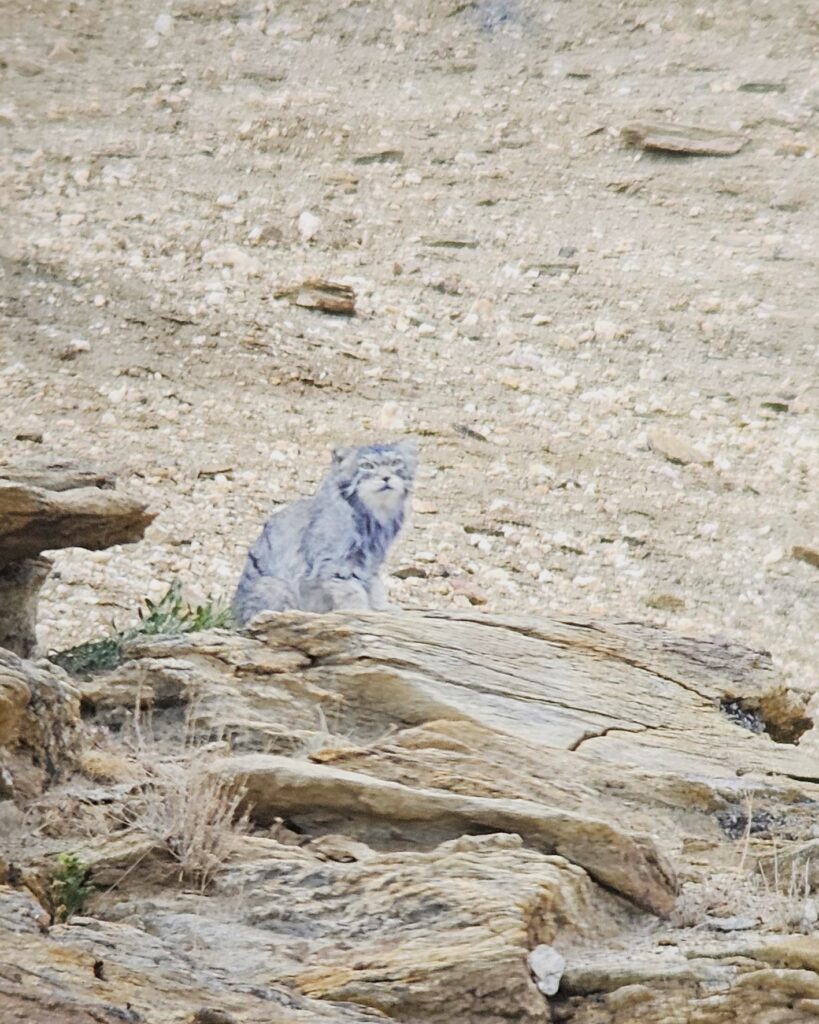
    Hanle, which was once known only for the Indian Astronomical Observatory (IAO), is now fast gaining popularity amongst tourists for diverse reasons like sighting of specific wildlife like Pallas’s cats, black necked cranes (BNCs), wild Kiangs and as a base for travelling to Umling La – the highest motorable pass at staggering 19,024 feet with a possibility to further visit Demchok, which is the last village right at the border between India and China where, Indus river enters Indian territory.

    With so much to do, we had planned to stay at Hanle for three nights and we managed to see all that is mentioned above. Here are a few glimpses.
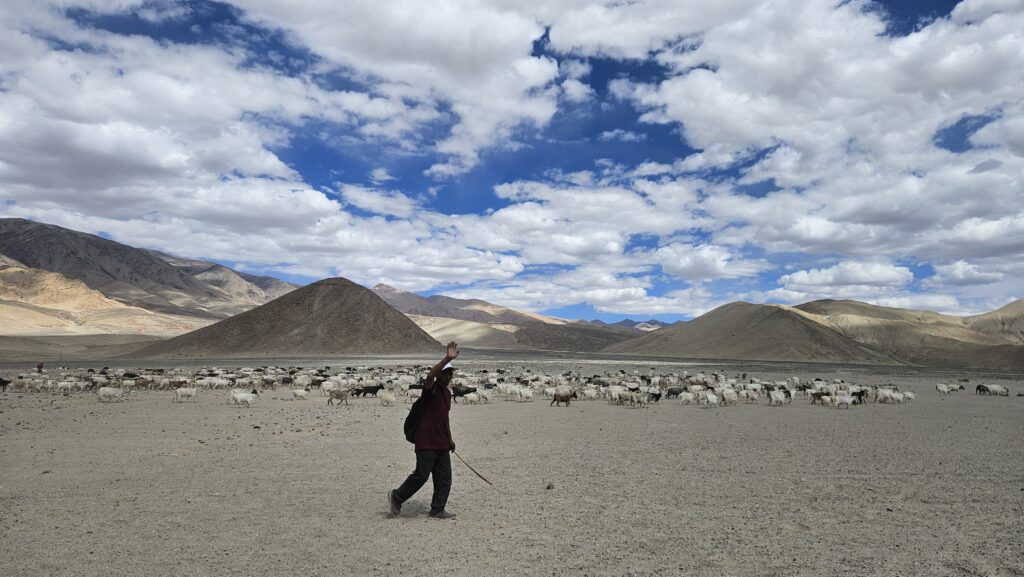
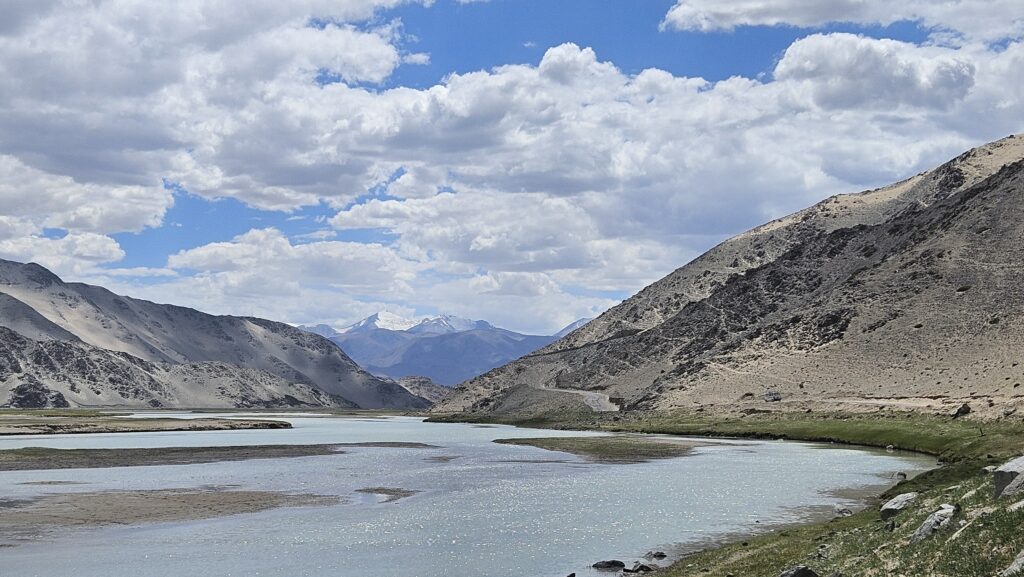
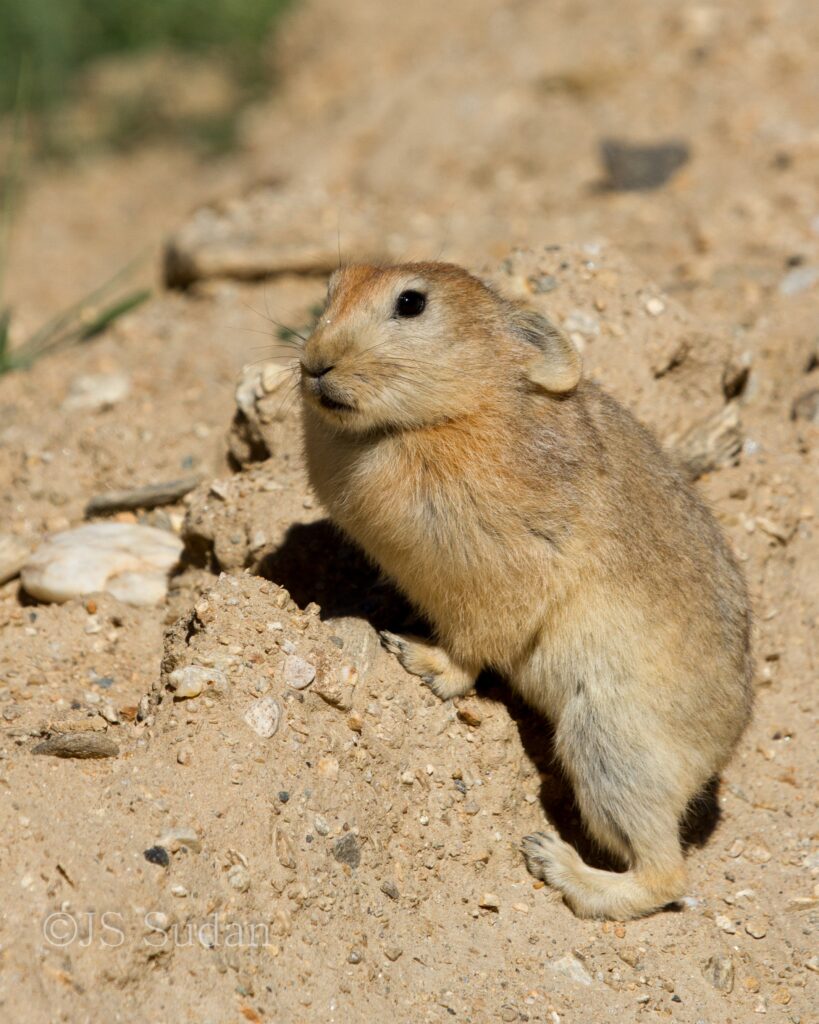
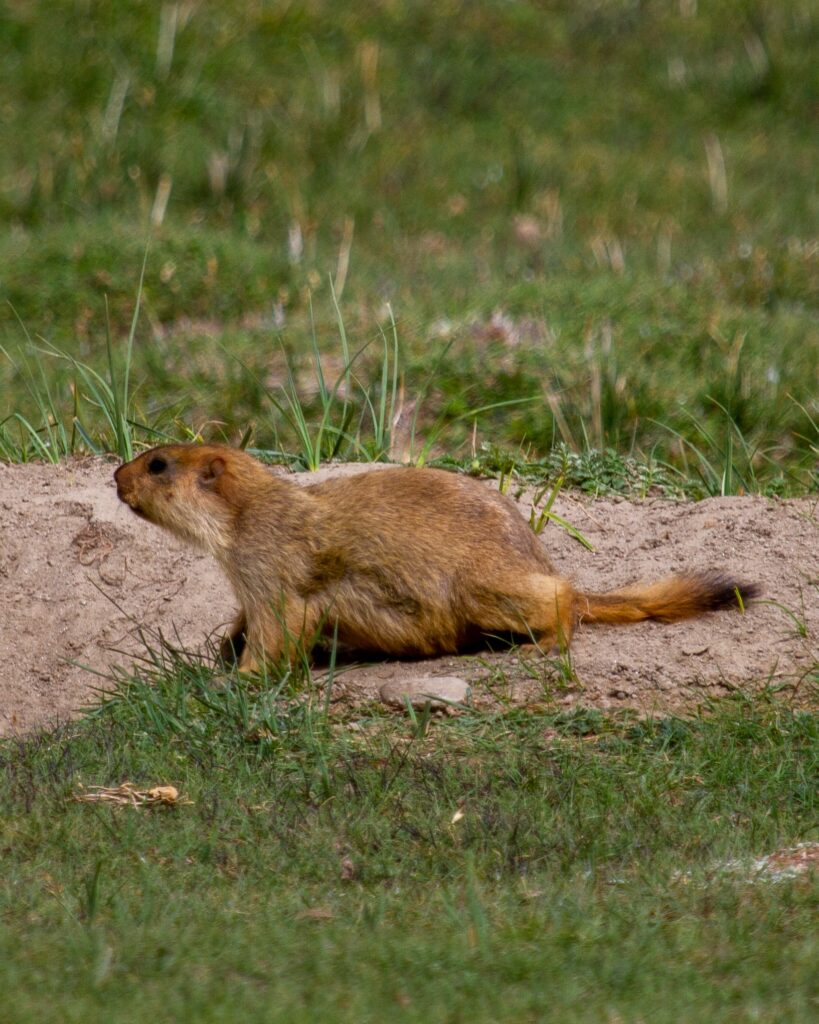
    Now a little bit of special residents of Hanley valley.
    A pair of Black Necked Cranes

    Day 11 & 12: Hanle – Tso Moriri

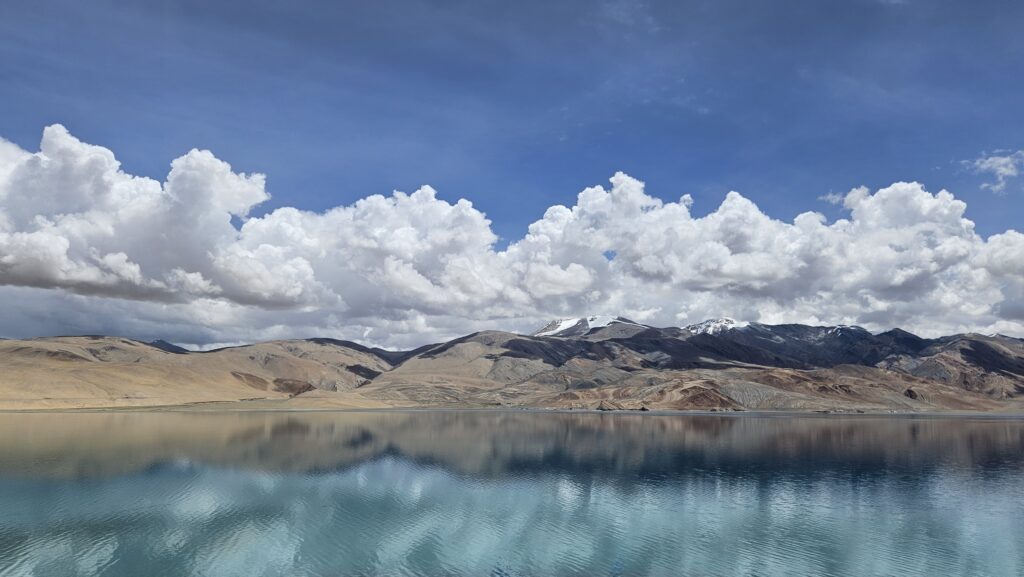
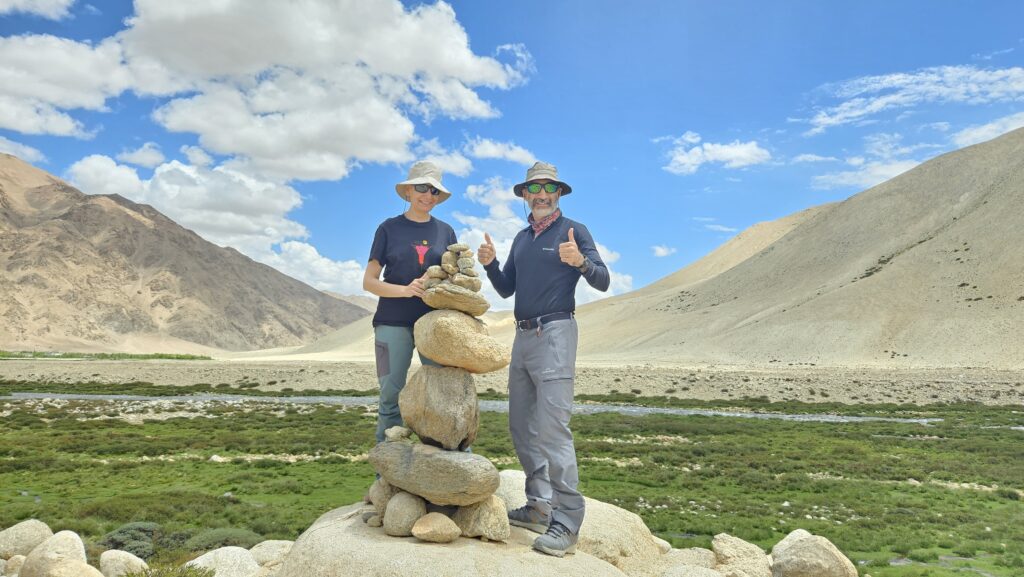
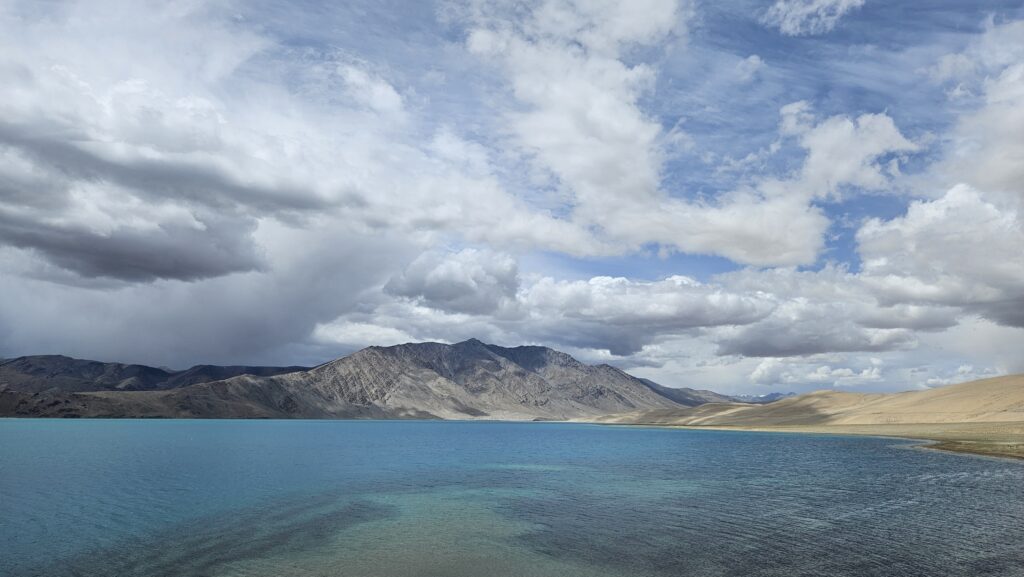
    Tso Moriri is the second largest lake in the region and some claim it to be more beautiful than Pangong Tso. To my mind, both are exquisite and unmatched in their ever changing hues aided by the clouds. It was a great coincident to discover that one of our closest friends were also travelling on the same road to Tso Moriri. What an opportunity to meet after more than 8 years and exchange notes while skipping stones in the lakes enroute.
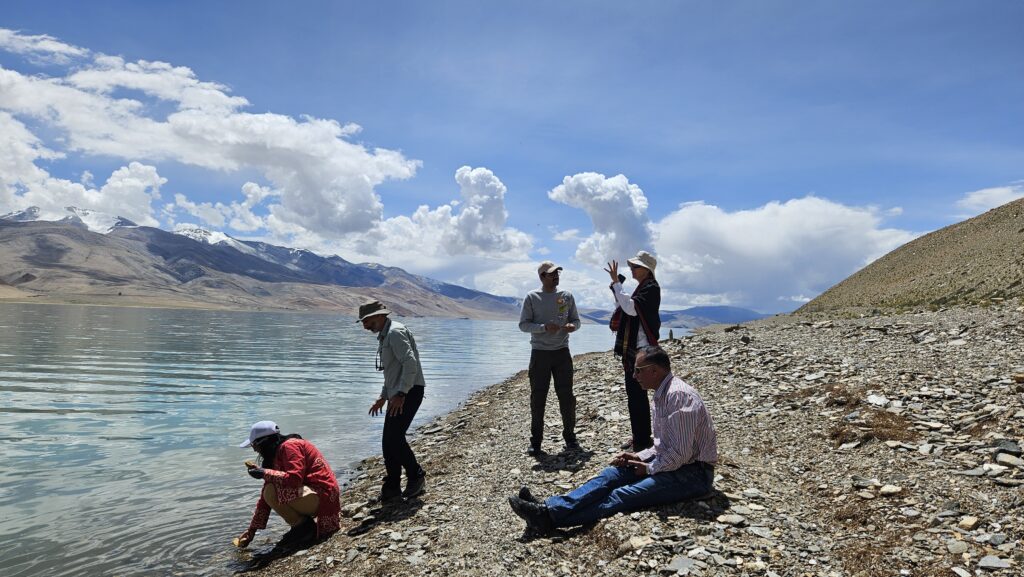
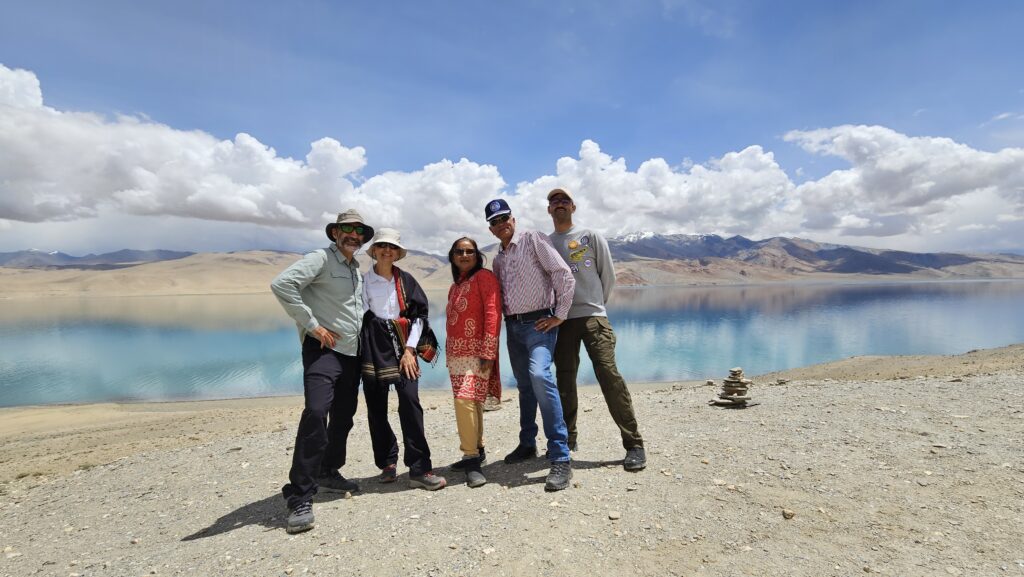
    Lake Tso Moriri is a brackish water lake in the Changtha.ng Plateau (literally: northern plains) at an altitude of 4,522 m (14,836 ft). It is about 26 km in length and 3 to 5 km wide. Accessibility to the lake is largely limited to summer season.
    Though, village Karzok on the northwest shore has many options (Guesthouses) to stay.

    Day 13 : Tso Moriri to Leh

    After two quiet days in Tso Moriri, we set out to return to Leh via Tso Kar. Tso Kar was once famous for the sighting of Black Necked Cranes which used to breed in good numbers around this unique lake with large salt pans and wetland patches. The number of pairs have declined in last two decades to just about one or two pairs. We did not see any while crossing this time and even the locals did not have much to say.

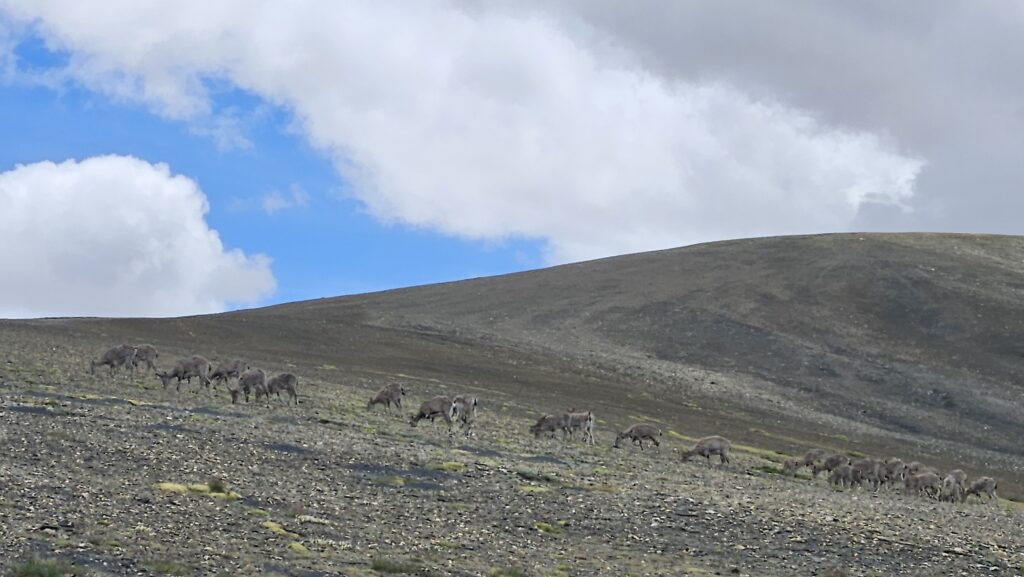
    We crossed many valleys and passes again and were super-stoked to see a huge heard of Blue Sheep grazing next to the road near Tanglang La.
    At Leh, we had the privilege of meeting with a lovely couple Dr. Raghu S Chundawat and Joanna Van Gruisen over lunch organised by Mr. Wangchuk.

    Dr. Chundawat is a conservation biologist whose main areas of research have been snow leopards and tigers. His pioneering ten-year research on tigers took place in the Panna Tiger Reserve and has been documented in the BBC Natural World documentary, Tigers of the Emerald Forest. His book on the tigers of Panna – The Rise and Fall of the Emerald Tigers is seminal work in tiger conservation. As on date they manage a unique lodge ‘The Sarai at Torai‘ near Panna Tiger Reserve, Madhya Pradesh.

    Listening to the interesting and inspiring anecdotes, challenges and success stories from all three stalwarts of wildlife excursions and research over snow leopards and tigers, I think was the best way to culminate of a beautiful 12 days trip in this mesmerizing land.

    Day 14 : Leh to Jammu

    31 July, saw us pack our bags full of great memories and bid farewell to the lovely staff and Mr. Wangchuk at Hotel Ladakh Residency and head to the airport with our local chauffeur, friend and guide for last 12 days, Mr. Nurbu. We are grateful to his commitment and ever cheerful disposition which made the trip even more enjoyable and comfortable.

    I am sure that these mountains and lovely people will beckon us for another visit, the only question is ‘when?’.

    “We travel not to escape life, but for life not to escape us.” – Anonymous
  • Birds of India: Portraits, Raptors and Owls

    Birds of India: Portraits, Raptors and Owls

    A broad field collection of Indian birds—from familiar garden visitors to birds of prey and the elusive owls of forests, wetlands and open country.

    Bird portraits

    “Wherever there are birds, there is hope.” – Mehmet Murat Ildan

    Ranking amongst top 10 most biodiverse countries (yeah, be proud of it and protect it), India is home to about 1211 species of birds of splendid variety, shapes, colors and equally diverse habits and habitats.

    A comprehensive, well structured list of Indian birds can be found on Wikipedia at
    https://en.wikipedia.org/wiki/List_of_birds_of_India

    Here are some observations without going too far or exclusive to find them, except a few. Bear with the poor quality of some pictures, I am basically a birder trying to learn photography both for its own charm and keeping records.

    If you have any queries / suggestions / feedback – please leave them in the comments. Will revert.

    Tailor Bird : Bamboo Fence and Lantana. Clicked at home. Saugor, MP, India 2013. Tailor birds stich leaves together to build their nest – that is why the name !
    Red Wattled Lapwing (Titihiri in Hindi). Lays a clutch of 3-4 eggs on a shallow pit on the ground and there after defends the territory with a fierce force. Doesn’t hesitate in attacking even humans wandering too near its nest.
    Yellow Wattled Lapwing: Not as common as its cousin Red Wattled Lapwing.
    A male Paradise Flycatcher. Grow upto 50 cm tip to tail. Fully mature adult males turn white. In flight, the tail follows the bird like a ribbon in flow. Collects spider web to strengthen the nest.
    Female Paradise Flycatcher. Does not have the long tail like male and stays in this colour throughout. Both parents share the parenting duties.
    Male Indian Magpie Robin. Female is dull grey. One of the most common songster – very melodious calls. Common around human habitats.
    Crimson Breasted Barbet aka Coppersmith. Named Coppersmith as its repetitive high pitch call notes are similar to a coppersmith striking metal with a hammer (tunk tunk tunk….). The female excavates a hole in the tree trunks / branches for making a nest.
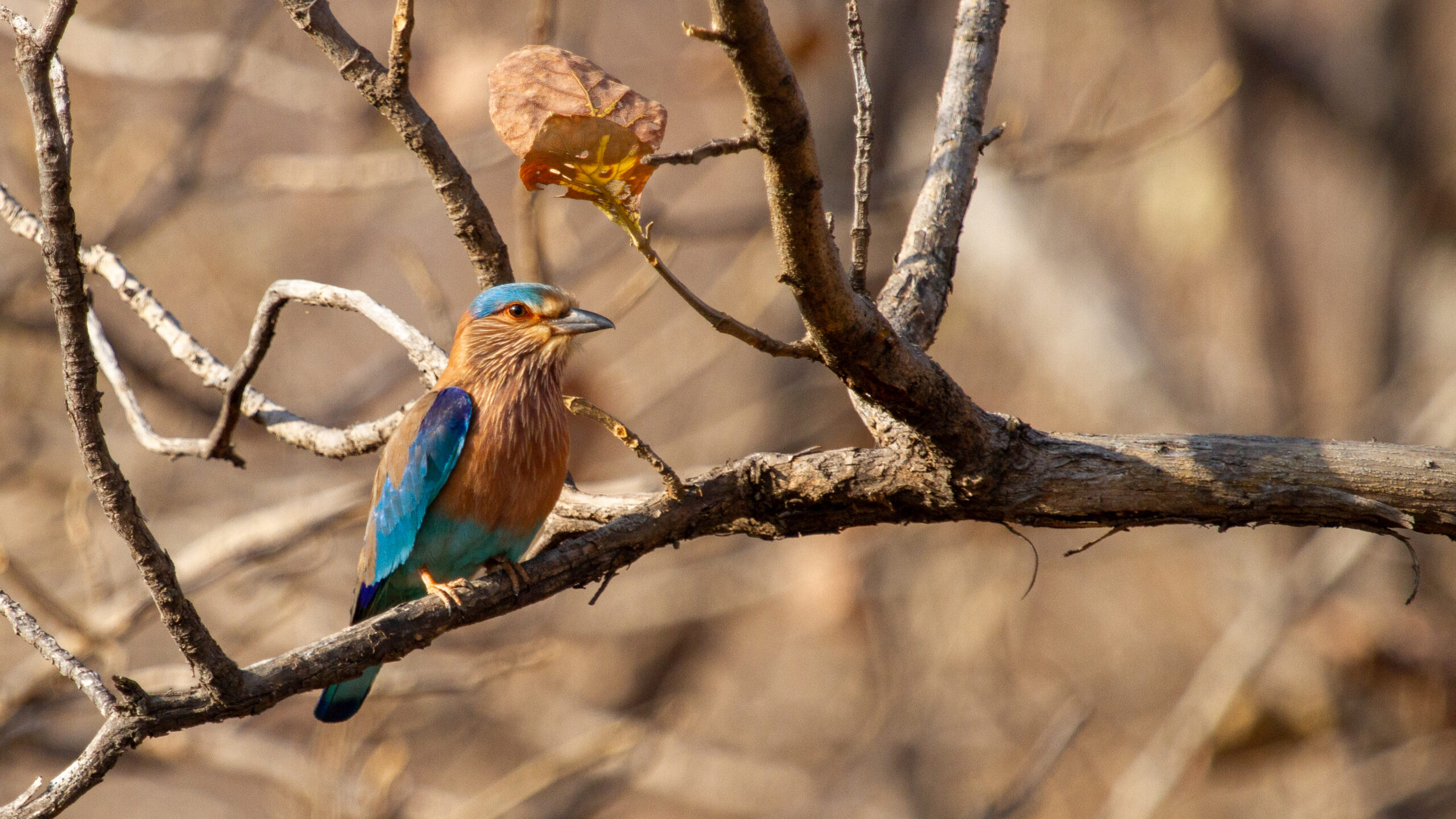
    Indian Roller / Neelkanth. Earlier name Blue Jay. Beautiful bird, specially in flight. Sadly, owing to mythology, many are captured during festive season of Dushhera as people consider it lucky to see one. Hence, they are caught and paraded for a fee outside temples. Most end up dead due to starvation. Rollers eat insects and their human captors try to feed them Rice / Roti.
    Brown Fish Owl. 55 – 60 cm. A big owl, this one was sitting pretty in the shade over a stream flowing below. Bandhavgarh Tiger Reserve, Madhyapradesh. 2016.
    A Collared Scops Owl. Mediun size. It took my wife and me more than an year to locate this beauty. We would hear its extremely soft call – a single ‘wut’ and wonder, what is it and where is it? Absolutely thrilled to discover it finally. Witnessed the pair raise a family of two chicks.
    A Jungle Owlet. Common in India, found in habitats ranging from scrub forest to deciduous and moist deciduous forests. Active during dawn and dusk, known to bask in sunlight as seen here. Shot near Dharamsala, 2017.
    Spotted Owlet. Smaller in size. One of the most common owlets found in the country. Commonly seen fluttering about and calling around the human habitats during the dusk. Notice the difference between the Jungle and Spotted Owlet.
    Virditer Flycatcher. An exquisite, old world bird with unique colours and equally unique metallic calls. Female, slightly dull and displays some patterns too. Clicked in our house garden, Saugor, Madhya Pradesh.
    Do NOT assume that this is a Virditer female. This looks similar, but is a different bird altogether. This is a Blue Rock Thrush.
    An Indian Jungle Nightjar. Nocturnal, sleeping in a typical habitat during the day, blending in effortlessly with the branch below. Not easy to spot, especially during daylight hours due to their excellent camouflage pattern. Bandhavgarh, 2016.
    Indian Skimmer. Lower mandible is bigger than upper, used to skim the water as the bird s flies low over the water. Classified as Endangered list by IIUCN. Clicked near Chambal River, South of Agra.
    A Eurasian Spoonbill. Feeds by wading in shallow waters, moving its broad bill side ways, snapping it shut if any small fish, insect or crustacean comes in contact. Breeds in reed beds. Clicked on the banks of River Chambal, South of Agra. 2016.
    A small Bee-Eater. Catches insects (specially bees) while on the wing, displaying swift maneuvers and acrobatics. Beats the insect dead on the branch / wire before swallowing it. Nests in shallow holes excavated in mud walls. Common in India.
    Crimson Sunbird. A medium sized sunbird found in the Northern and NE parts of India. Spreads upto Indonesia. Female is dull olive-yellow overall with brighter underparts. Clicked in Palampur, HP, 2017.
    A Tickell’s Blue Flycatcher (male). Female is less intensely coloured. Found all over India. Very pleasant calls (metallic clinks at times). Clicked in home garden. It visited regularly to drink from the water bowl. Saugor, Madhya Pradesh. 2014.
    A Purple Sunbird (male). Female is dull brown in colour. Male turns Purple during breeding season. A commoner around gardens and human habitats. Found all across the country.
    A Yellow Breasted Greenfinch (male). Female is duller in colours. Seen in pairs / flocks. Distributed along the Himalayan foothills in Northern to NE India. Clicked in Palampur, 2017.
    A Common / Siberian Stonechat. Quite like European Stonechat. Clicked in Manali, Himachal Pradesh.
    Special Mention : A male Shrike (left in the image) is feeding a cuckoo chick considering it as his own. Notice the chick has grown larger than its foster parents. We have all heard about cuckoos engaging in parasitic breeding i.e., they lay their eggs in other species nests. This is the evidence. For me personally, this was thrilling, I saw the (poor) Shrike pair constantly working to satisfy this chicks hunger, which is at least 3 times their size. Another interesting fact, different species of cuckoos, target different birds to raise their young. They all have different size / shapes / colours of the eggs which match their targets. Most cases, the cuckoo females, just toss out the host’s eggs and lay their own in hosts nests. You can see the unaware victim performing its parental duty in full earnst. I sometimes wonder that there is nothing un-natural in Nature (its all part of the game / circus called Life). PS – I wish I could remove that branch, but then the Shrike would have fallen down 😉

    Hope you liked the short exposure to our own natural heritage. I intend covering Indian Birds of Prey in a separate chapter – they definitely deserve a special post.

    Happy birding !!

    Birds of prey

    “when they prey, others pray” – birdingjo

    Fierce, powerful, and ruthless rulers of the skies, the raptors have long fascinated humans. History is replete of records displaying the reverence these birds of prey have attained over thousands of years in all parts and cultures of the world.

    India too is home or a pit stop for many a raptors. Great variety and diversity is found all across the country. Here is a humble collection of a few that my friends and I have been lucky to observe and capture some memories.

    This is just a humble account of some fabulous raptors which can be found and observed in India. The list is far from complete, but that was never the idea – the idea was to just share what we have been fortunate to witness in diverse landscapes and corners of our vast country. As raptors, Indian owls are equally unique, intriguing and fascinating – they deserve a dedicated post (coming soon).

    You would agree that we are blessed on many accounts in terms of diversity of landscapes / habitats and their occupants. I hope that my friends and I have managed to ignite some curiosity and sense of association with our natural heritage.

    Happy hunting (only with eyes or cameras) !!

    Owls of India

    “Then nightly sings the staring owl, Tu-whit, Tu-who, a merry note.” – William Shakespeare

    Owls are fascinating in more than many ways. Equally revered and feared as they were obscure from the observation of common people compared to other diurnal birds, owls have a strange spookiness and strings of myths attached with them across continents and cultures. Following scientific studies since the eighteenth century, the owls have found some relief from the perception of belonging to the evil camp.

    Personally, I am intrigued by these birds. Differently equipped and skilled, they are masters of their craft – highly efficient in hunting in low light. Some of them are active during the day as well. Finding them is always a pleasure, especially the not so common ones. Many a times, one can hear them around for months, yet never be able to see them, leave aside taking a picture.

    Here is a modest collection of some owls found in India, put together by a group of friends who share a common passion for wildlife.

    Brown Wood Owl (strix lectogrammica). A medium-large (45-55 cm) owl with a typical solemn look. Widespread in the Indian sub-continent, Indonesia, Taiwan and South China. Inhabits lowland and montane broadleaf forests or fringes thereof. Diet consists of small mammals, birds and reptiles. Highly nocturnal, maybe spotted during the day when discovered and mobbed by smaller birds. Picture Credit – Vinit Bajpai, Lansdowne, Uttrakhand, March 2021.
    Earlier known as Eurasian Eagle Owl, now ‘Rock Eagle Owl’, This was one of the most fascinating sightings I have ever had. Was driving through scrub / bush in the midst of the desert. I suddenly, saw a big bird take off just in front of the vehicle to avoid being run over (It wasn’t visible to me or the driver). I leapt out of the vehicle and ran after the bird, not to lose sight of it. Found it again after a little chase and hastily clicked few record shots. It was the first time that I was seeing this big marvelous owl in the wild. Well distributed across Europe and Asia, has many variant sub-species. Female (larger) incubates and cares for the young, male feeds her and the young ones. Parental care goes on upto 5 months. Mainly active at night, sometimes during dusk. Size – upto 75 cm tall, wing span – upto 6 feet. Call – a deep loud ‘oohoo-oohoo-oohoo’. Clicked somewhere deep in the Thar desert, Rajasthan, India, 2013.
    Dusky Eagle Owl. A large owl (upto 53 cm in hieght), well distributed in South and South-East Asia. Preferred habitat is wetlands with trees. Builds a large nest in the trees (unlike the Eurasian Eagle Owl) near water bodies. Nocturnal, emerges from its roost, just before sunset. Photo credit – Gaurav Kamboj. Shot at Bharatpur, Rajasthan, 2017.
    Brown Fish Owl. Another large owl, upto 60 cm tall, wingspan upto 140 cm. Habitat – forests / woodlands near water bodies, streams / canals / rivers and lakes. Mainly nocturnal, sometime semi-diurnal and seen hunting during the day as well. Perches above / near water (like the one above, was sitting over a stream) or wades through water. Glides over the water and grabs its prey with its claws. Feeds on fish, frogs, and aquatic crustaceans. Clicked at Bandhavgarh Tiger Reserve, MP, 2016.
    Another Brown Fish Owl. Kalagarh Division, Jim Corbett Tiger Reserve. April 2021.
    Photo Credit – Vinit Bajpai.
    PS – Please ignore the hazy picture, it was almost dark, when we found this innocent fellow.
    A Jungle Owlet. Small size owlet, Round head and fine horizontal bars across the breast are typical. Active during dawn & dusk, also known to bask in the early morning Sun. Dharamsala, HP, 2017.
    Lets bust another myth – owls can see very well during the day and (some) owls are also active during the day.
    In the frame is another Jungle Owlet. Picture Credit – Vinit Bajpai. Lansdowne, Uttrakhand. Feb 2021
    Indian Scops Owl. Formerly part of a wide spread species ‘Collared Scops Owl’. It is the largest scops owl. Nocturnal, may be found snoozing in its hideout during early morning / evening. It took me more than an year to figure out who makes the soft ‘Whuk’ call in the night in the forest around my house. Saw the pair finally raise three chicks in 2014, Saugor, Madhya Pradesh, India
    Snoozing in the early morning Sun – Another Indian Scops Owl.
    Short Eared Owl. Quite wide spread across the world, it is a medium sized owl (36 to 42 cm). It is diurnal (active during day) and crepuscular (more active during dawn and dusk). It is typically a grassland owl. Primarily hunts small rodents / mammals, also known to prey upon smaller birds and insects. Photo credit – Gaurav Kamboj
    Barn / Screech Owl. One of the most common owl, a companions of the humans (other than Spotted Owlets). A medium sized owl (40 – 45cm). Typical heart shaped facial disc. Pale, orangey with grey spots. Mainly nocturnal, resides around human habitat, at times cohabits in same buildings. There is a pair residing in my apartment building in Entebbe. The one in the frame was living in the Senior Command Wing office Building in Army War College, Mhow. The name bears the linkage – it used to be found living in the barns. A great friend of famers, it helps keep the rodent populations in check. Call is a bone-chilling rising shriek, reason for the other name – The Screech Owl.
    Spotted Owlet. The cutest of them all. It turns into a clownish activity of bobbing up and down when it is detected. I guess it tries to assess the intruder / threat. Can be easily found perched / snoozing around the human habitat during the day, active during dusk and night. In our growing up years, it was common to spot / hear their squabbles along the electricity poles / wires during dusk. These owlets would descend on to the road to collect their prey (insects) and return to their perch. In the cities, they are around but less visible due to ever increasing din of human activity and traffic. Still very common in rural areas. Mhow, MP, 2016.
    A pair of Spotted Owlets. They made themselves a comfortable home in our home (Yes, we had some broken walls !). I have met quite a few educated people still carrying the old myths where owls are considered harbingers of bad news / death / illness. Aren’t they beautiful !! Lets cut the crap and enjoy their company.
    Little Owl (thats the name !!), Found in a very narrow range of higher altitudes in India’s Northern and North Eastern parts. Mainly nocturnal, sometimes can be found perched in the open during the day as well. Mainly inhabits open countryside. 2017, Tsokar, Ladakh.
    Collared Owlet. A small stout owl with a longer tail (compared to other smaller owls).. Photo Credits : Vinit Bajpai, Shot at Lansdowne, Uttrakhand, Feb 2021.
    A pair of Himalayan Wood Owls. Courtesy Vinit Bajpai.
    A Himalayan Wood Owls. Courtesy Vinit Bajpai. Clicked in Lansdowne, India


    Did you know that a group of owls is called a ‘Parliament of Owls’.
    I am sure you know that Owls deliver postal mail only in ‘Harry Potter’ movies.

    If you think that you are interested in spotting your own owls – feel free to reach out and see how best can we assist you to find the wise ones around your home. Believe me, they are out there.

    Happy hunting (only with eyes or cameras) !!