Tag: birds_of_africa

  • Birds of East Africa: A Field Collection

    Birds of East Africa: A Field Collection

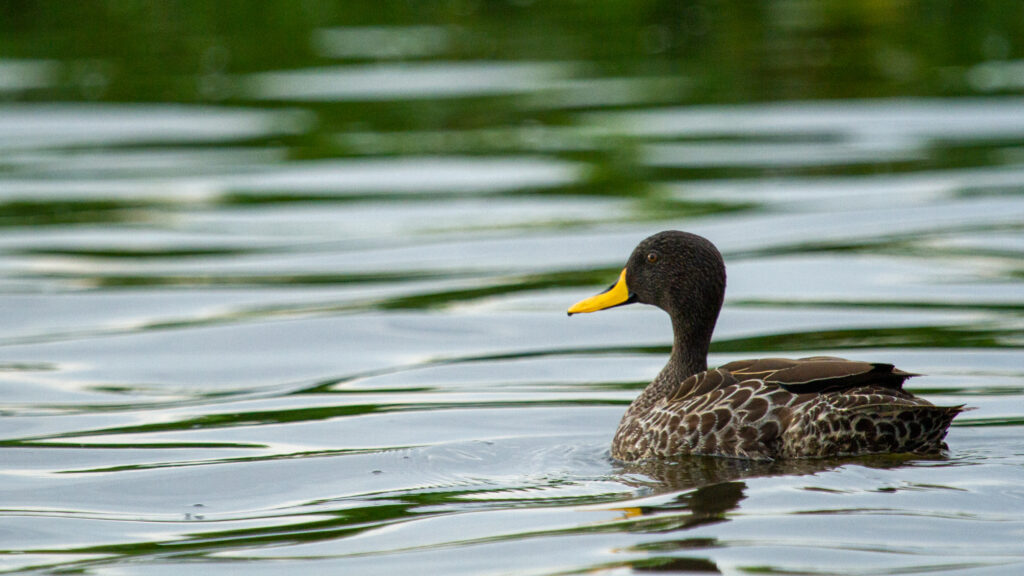
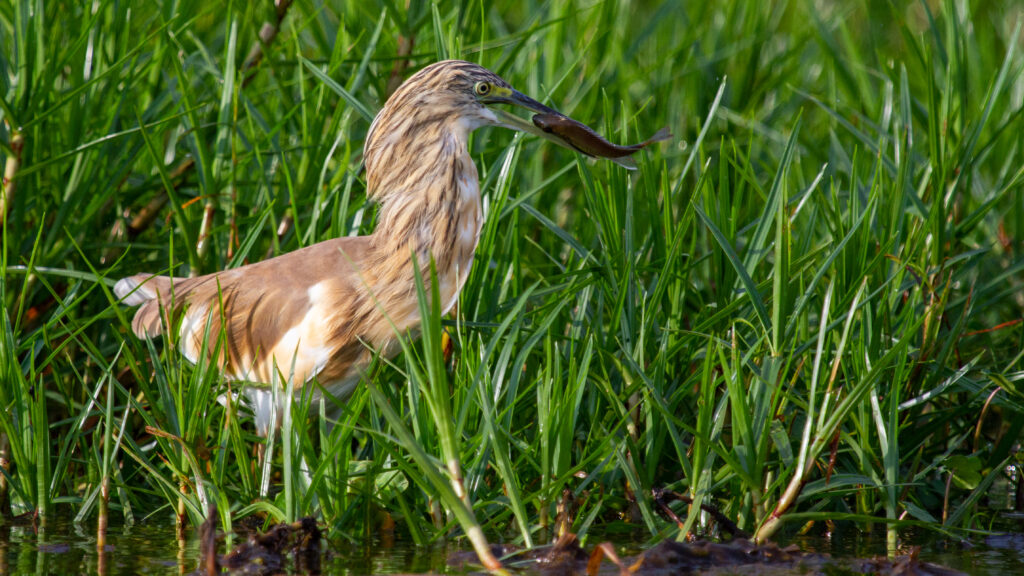
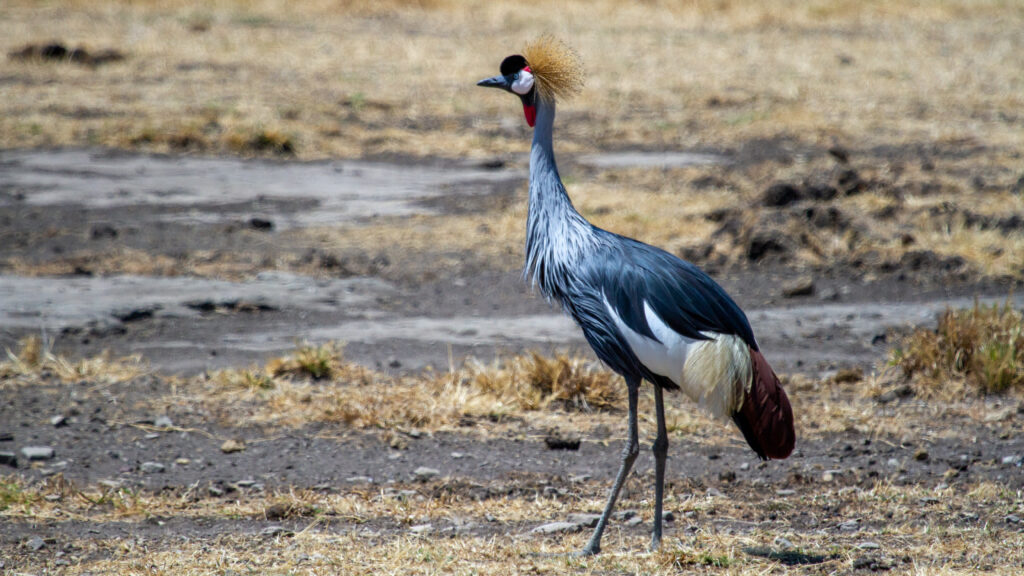
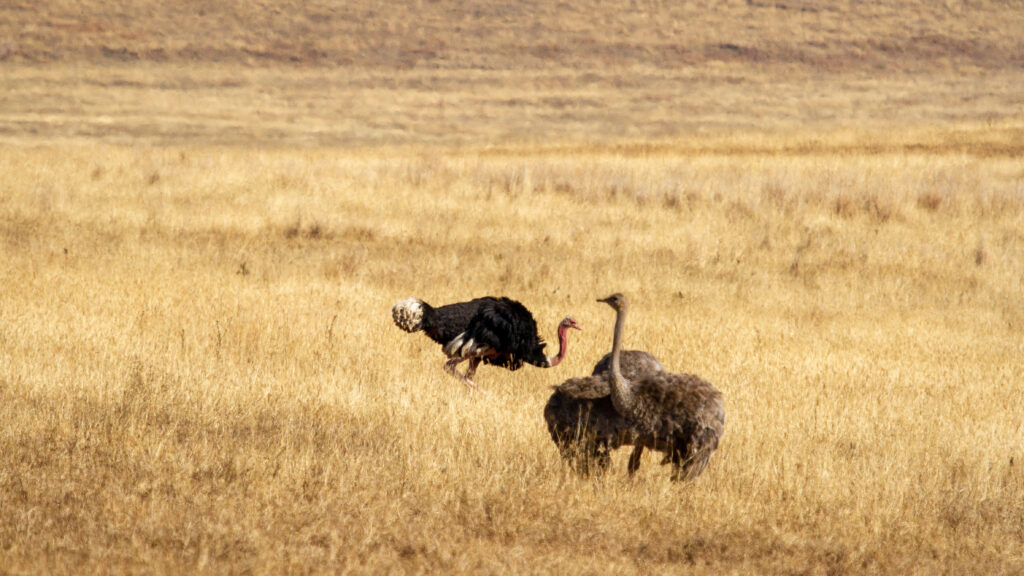
    A field collection of birds encountered across East Africa—portraits, behaviour and moments observed in their varied habitats.

    The first collection

    “In order to see birds, it is necessary to become a part of the silence.”
    ― Robert Lynd

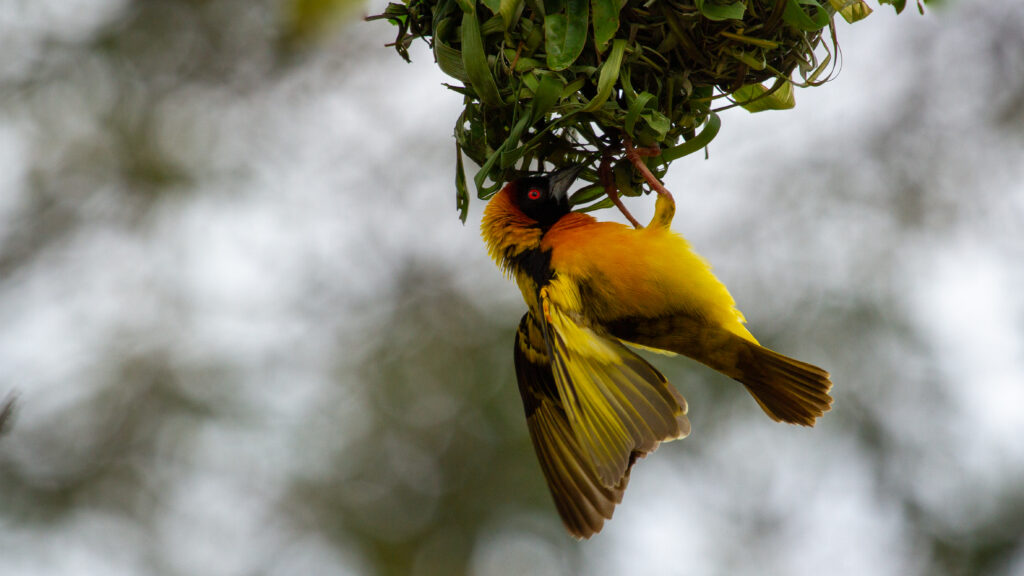
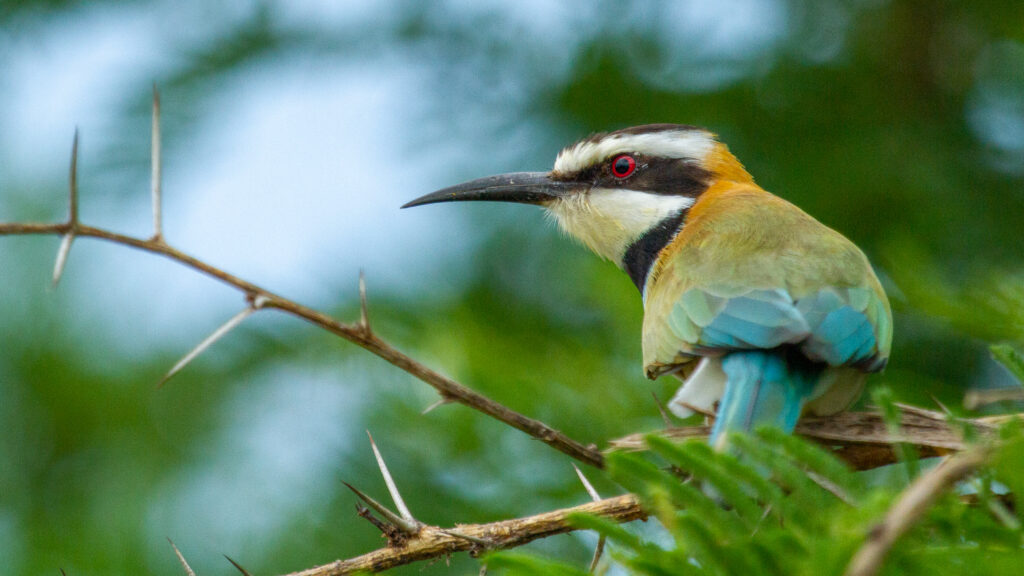
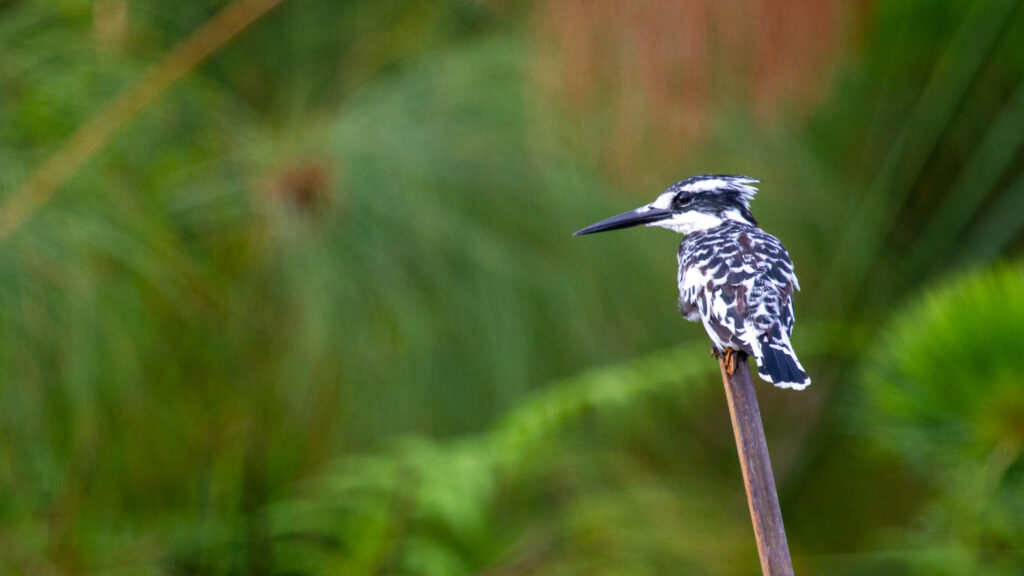
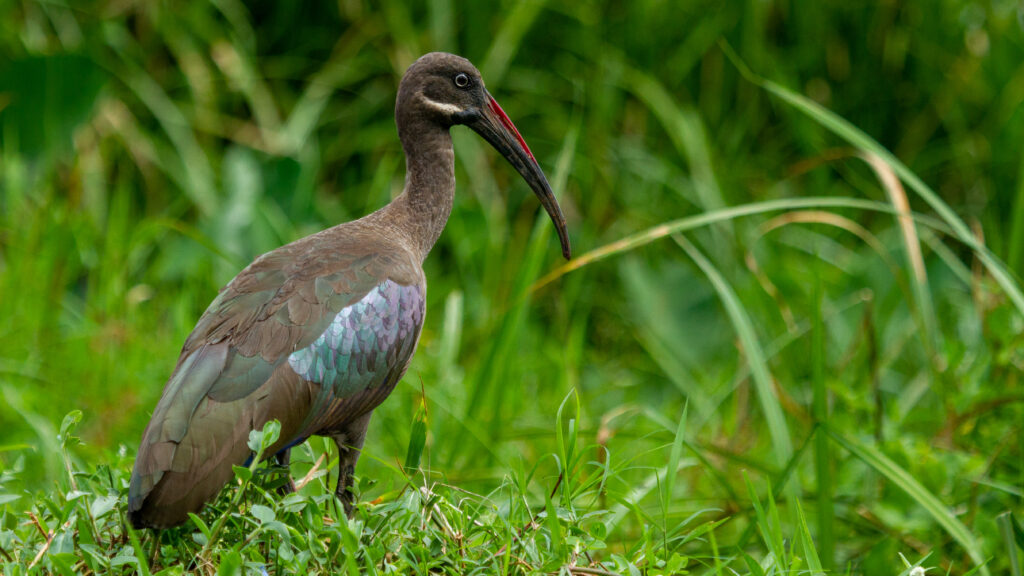
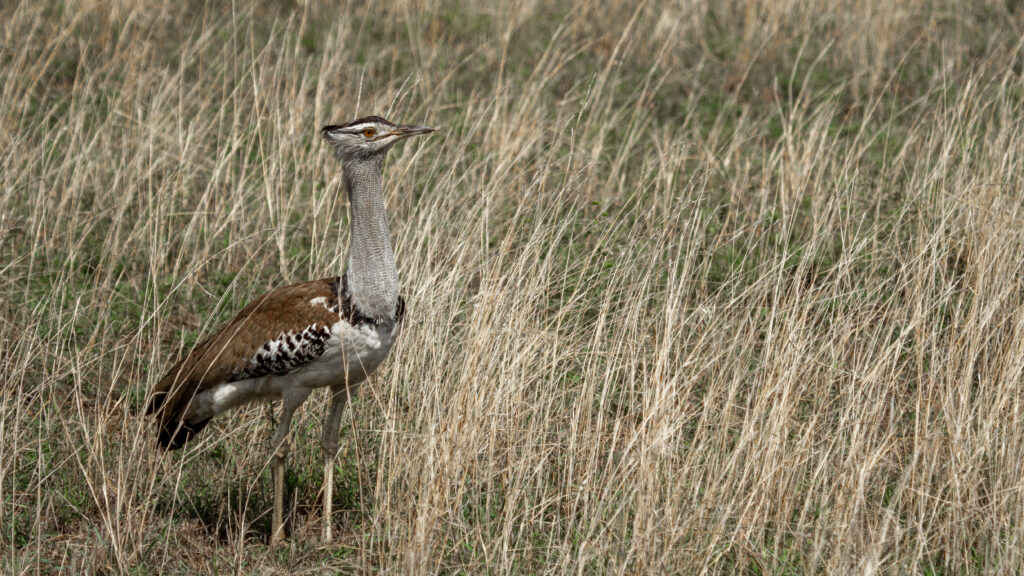
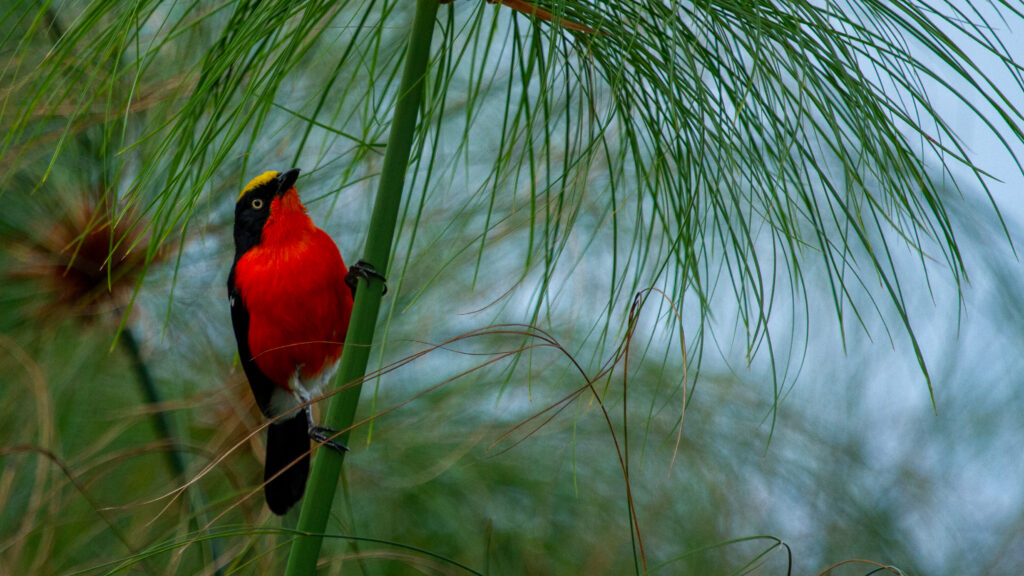
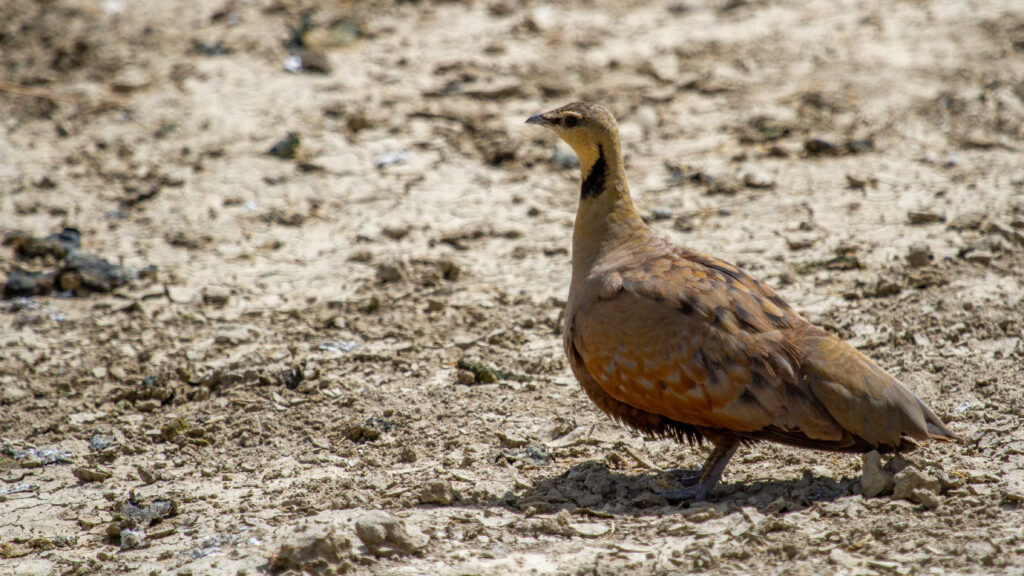
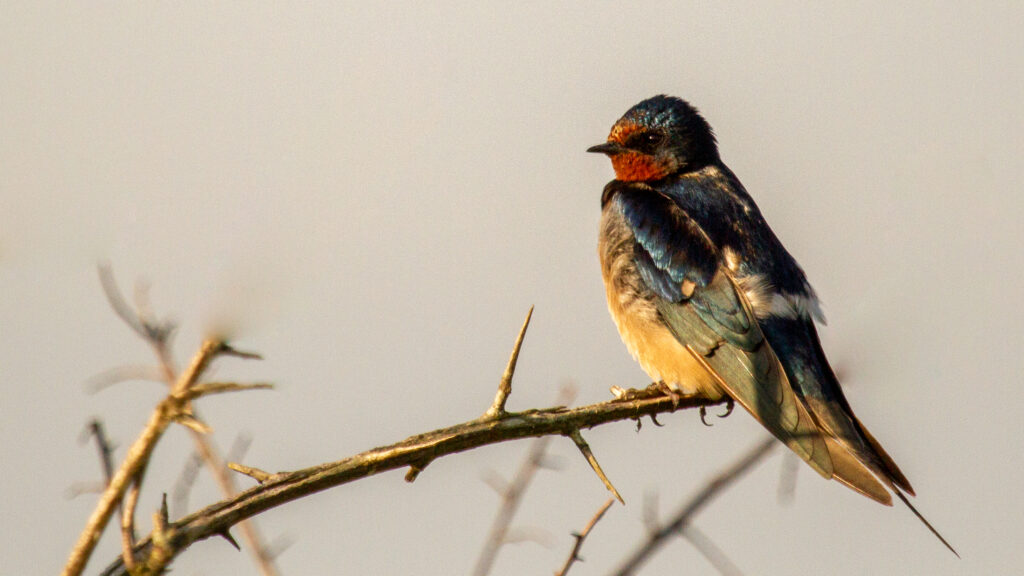
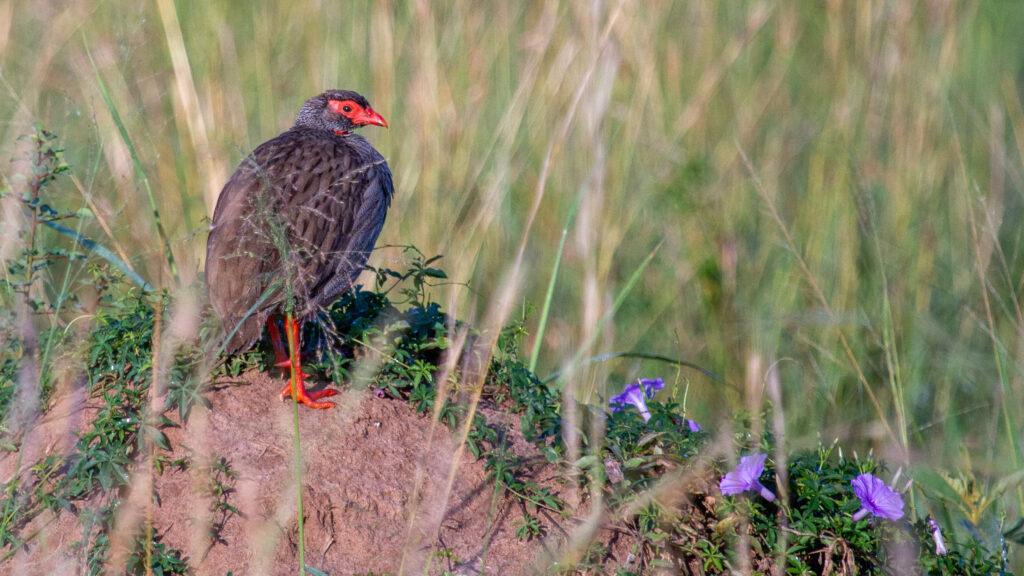
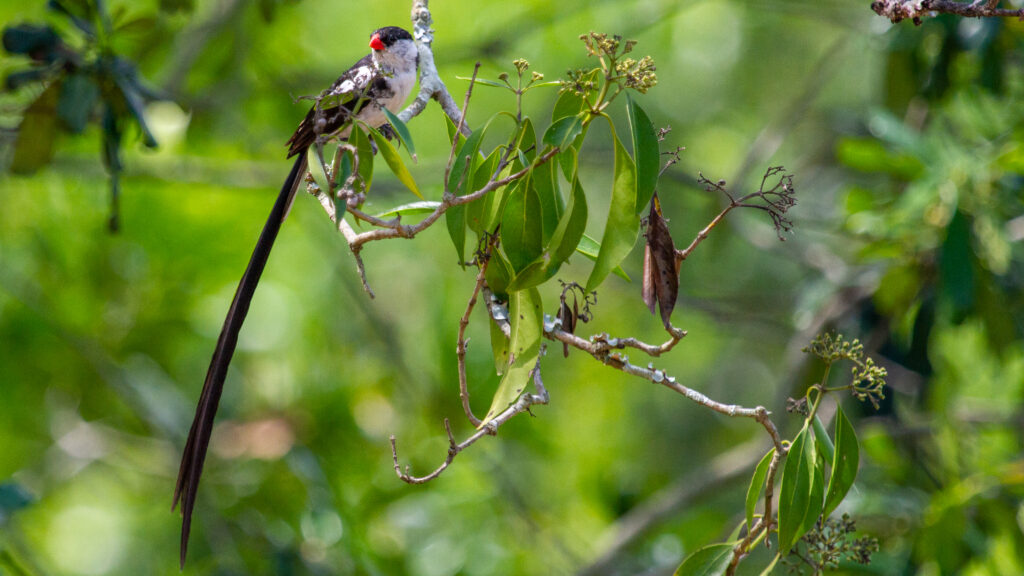
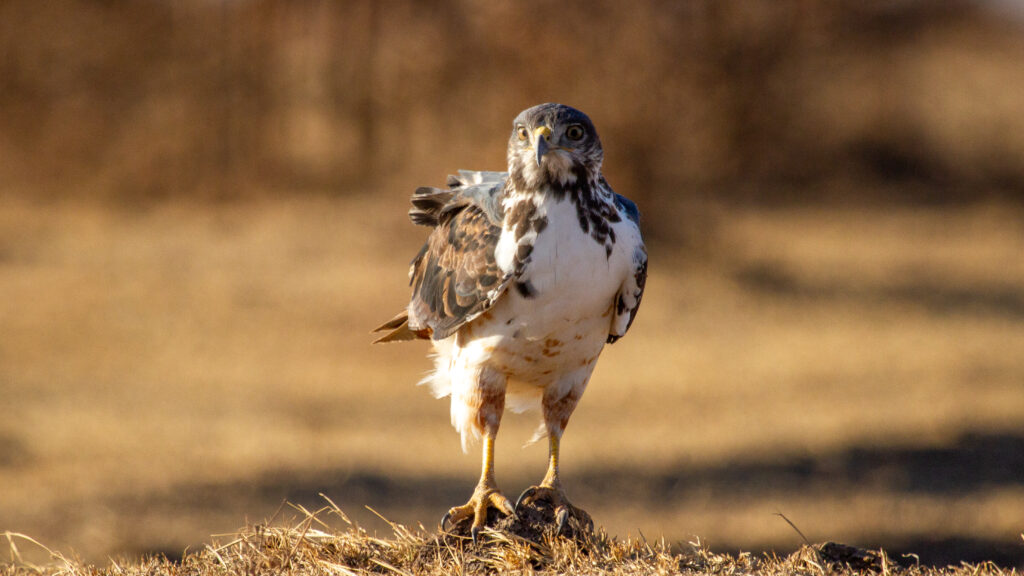
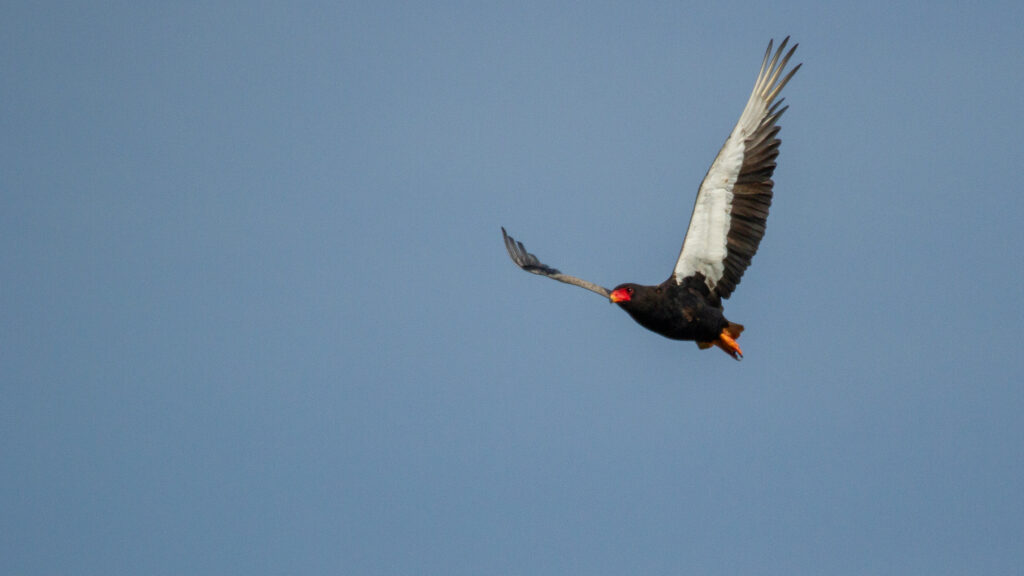
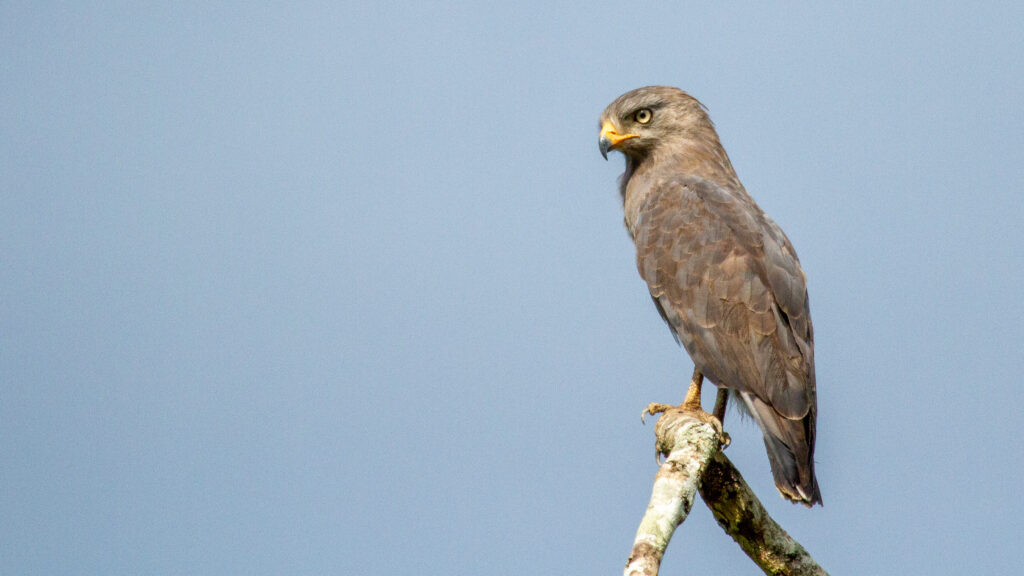
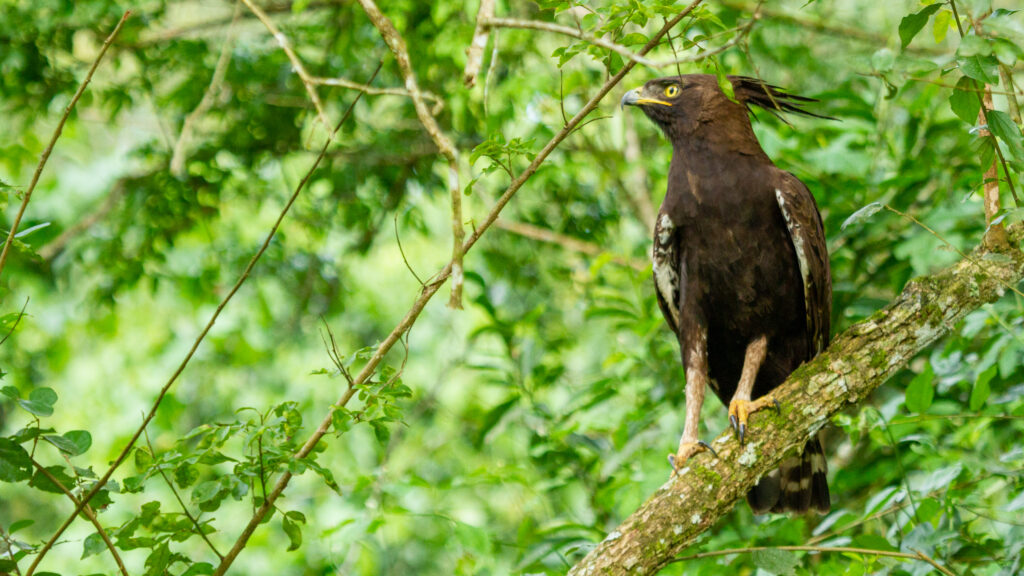
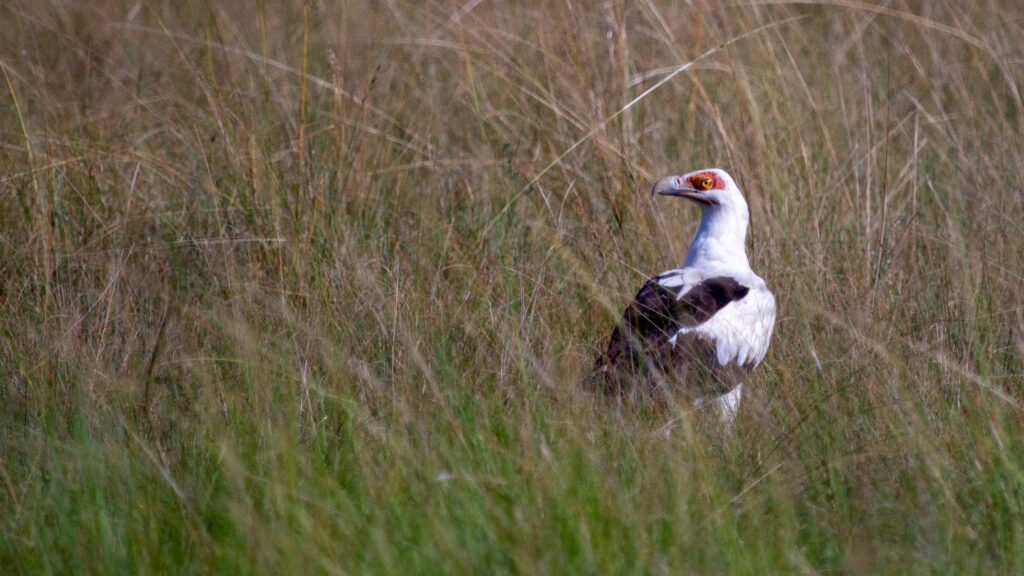
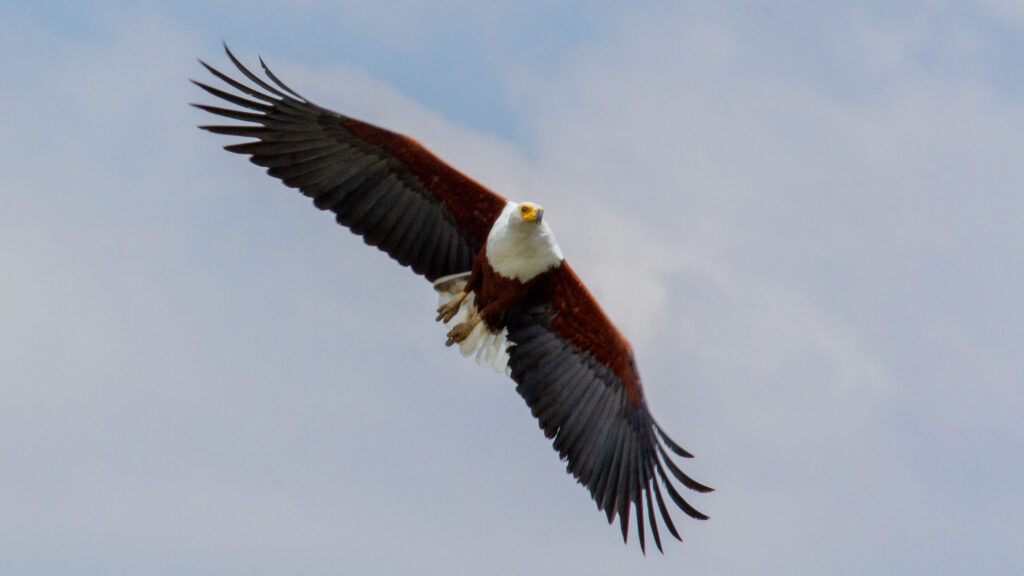
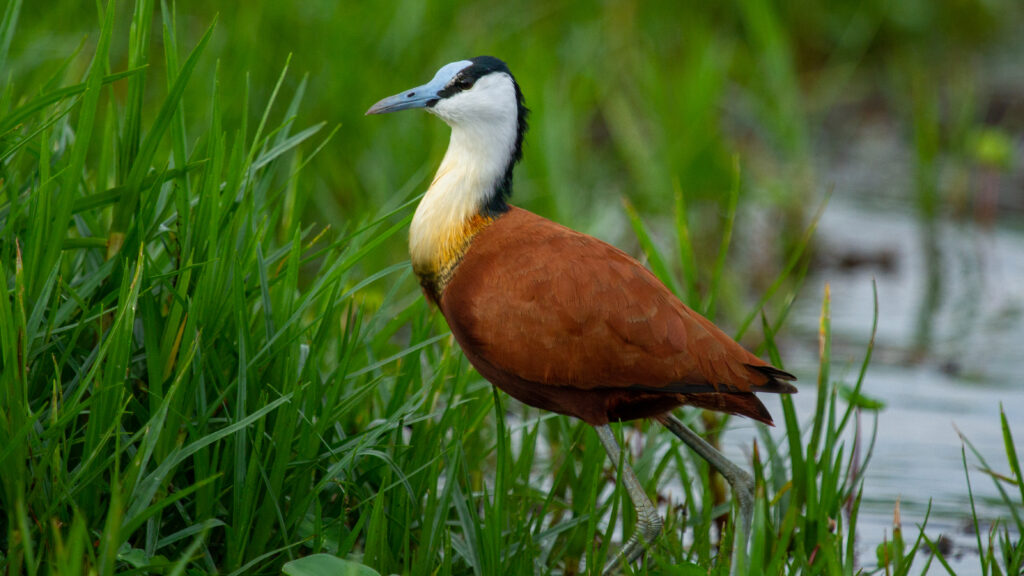
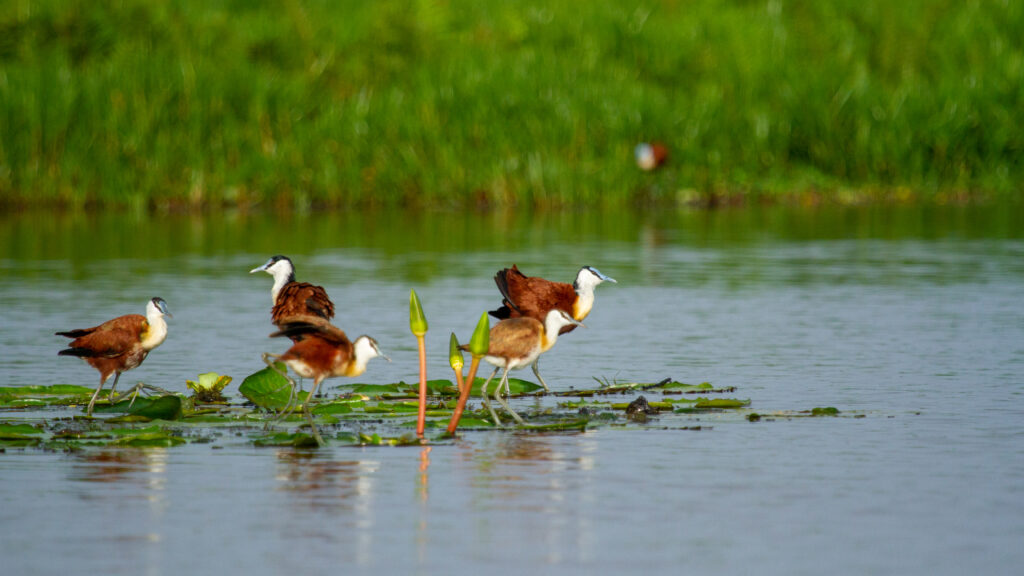
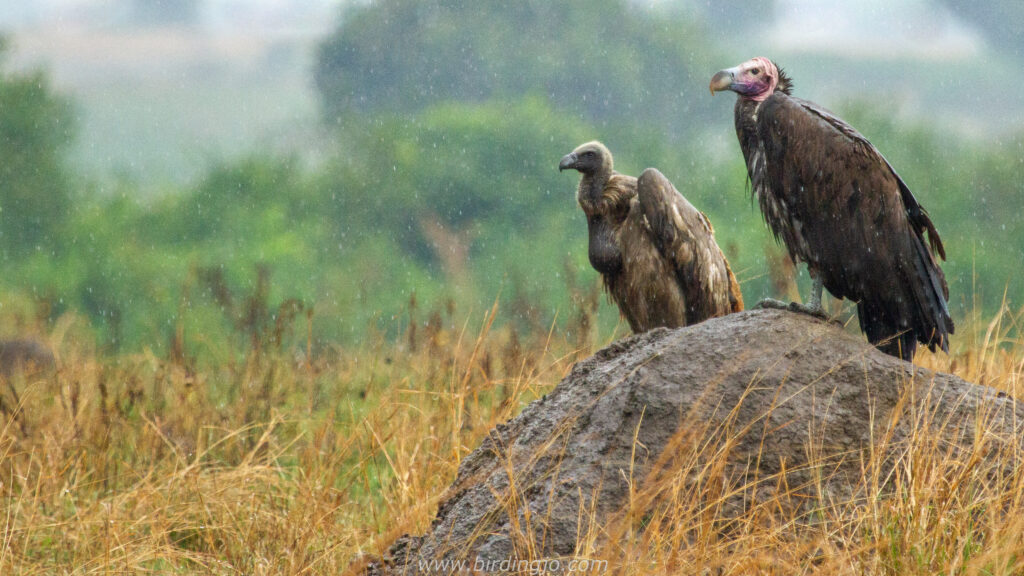
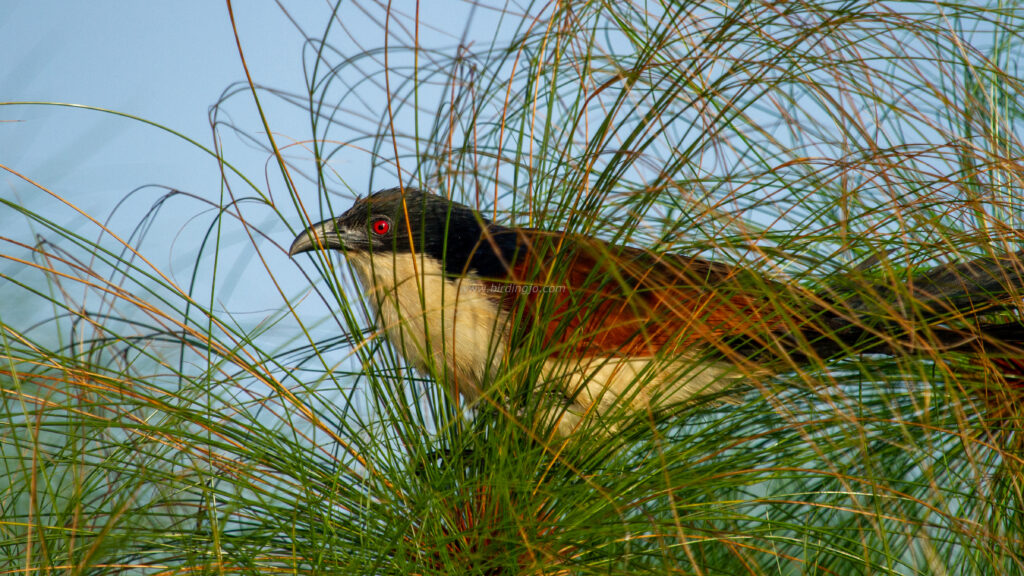
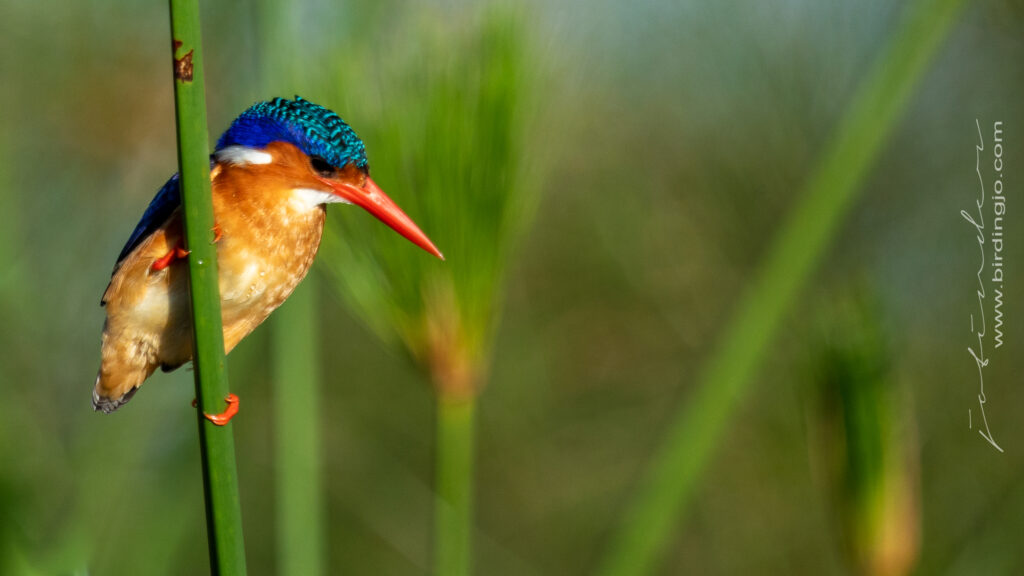
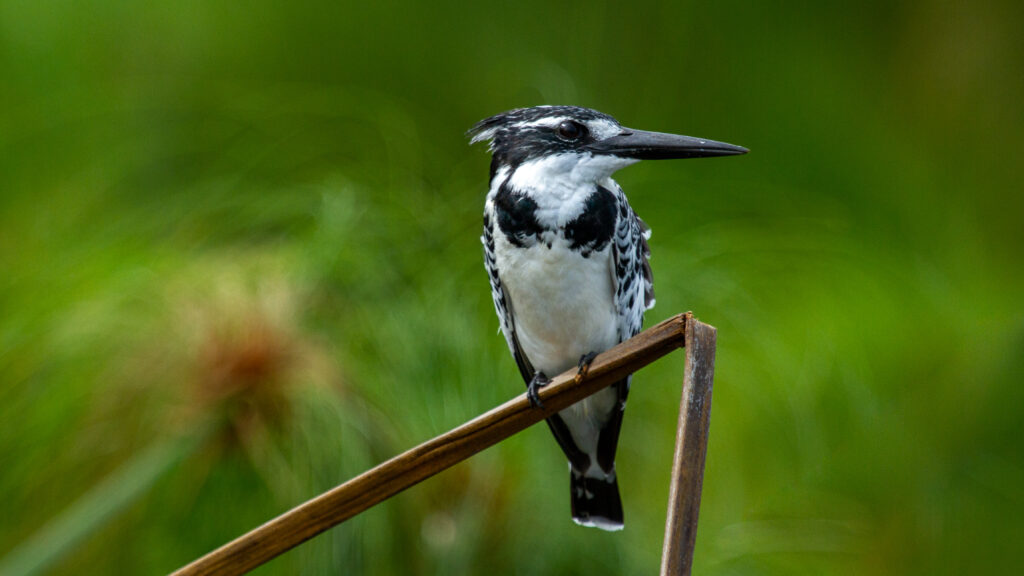
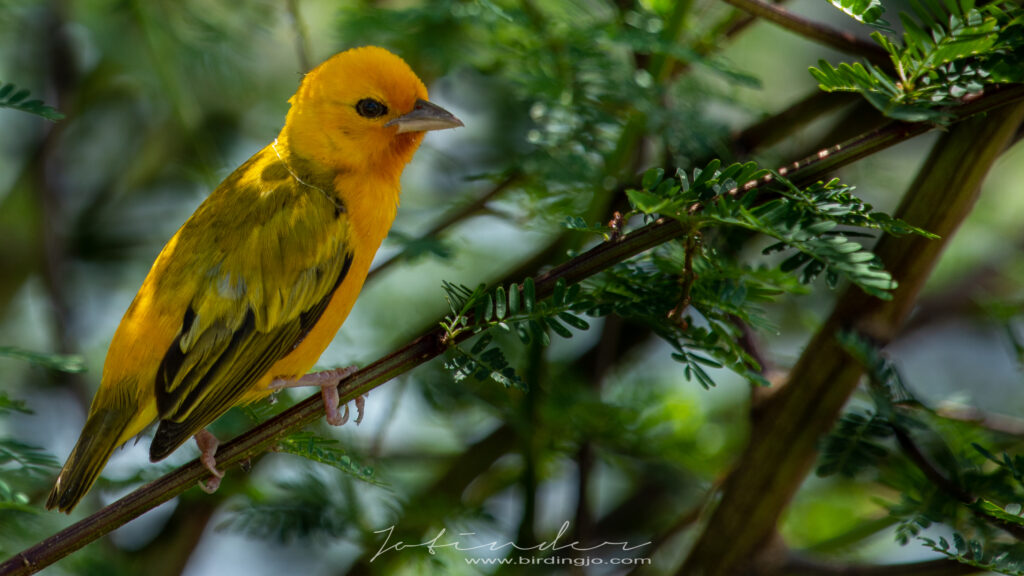
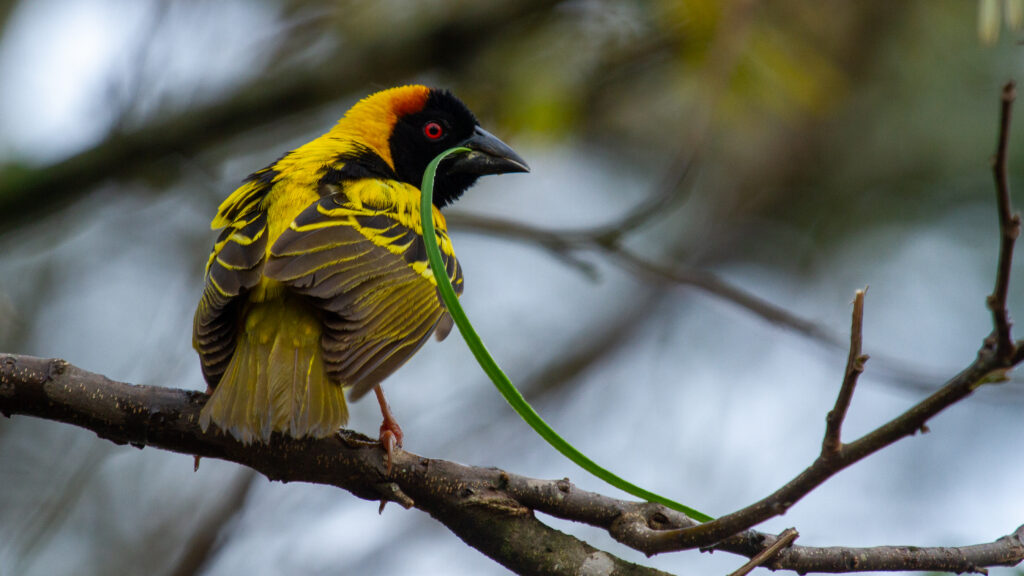
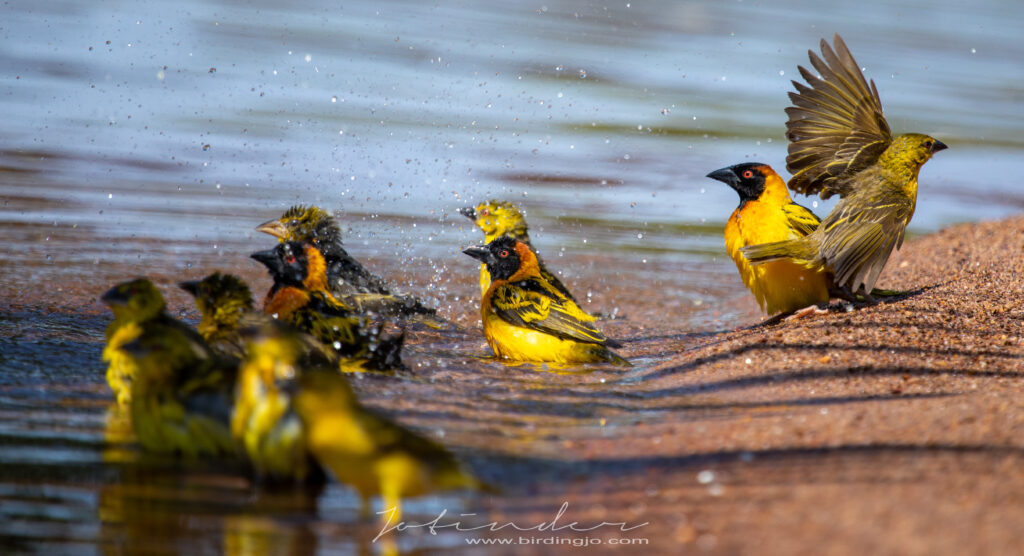
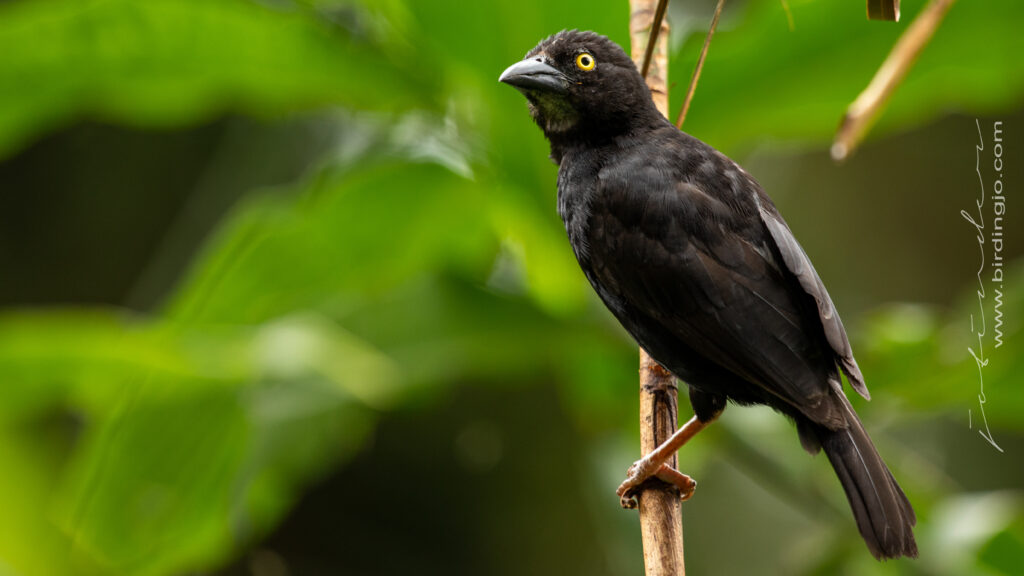
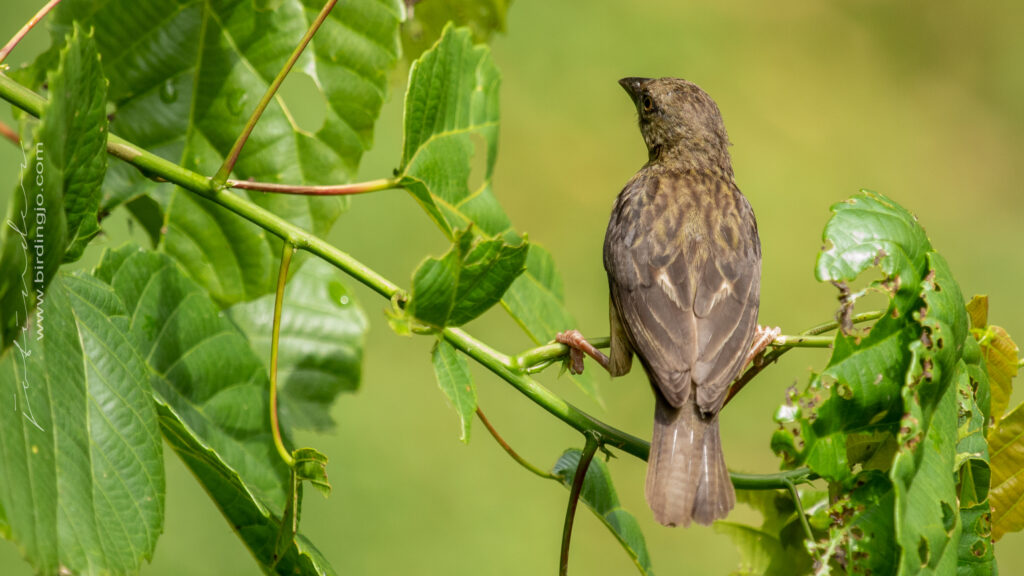
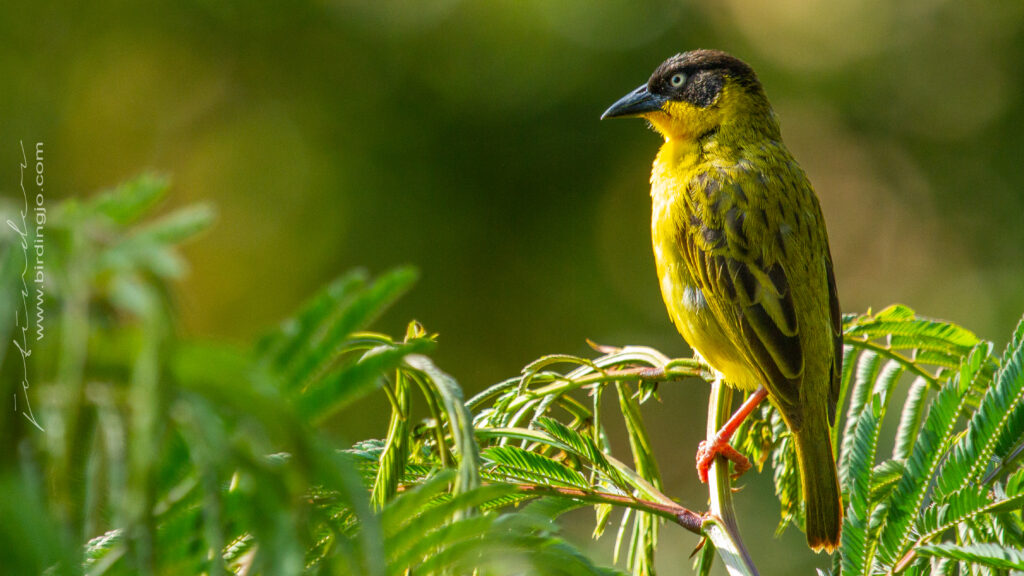
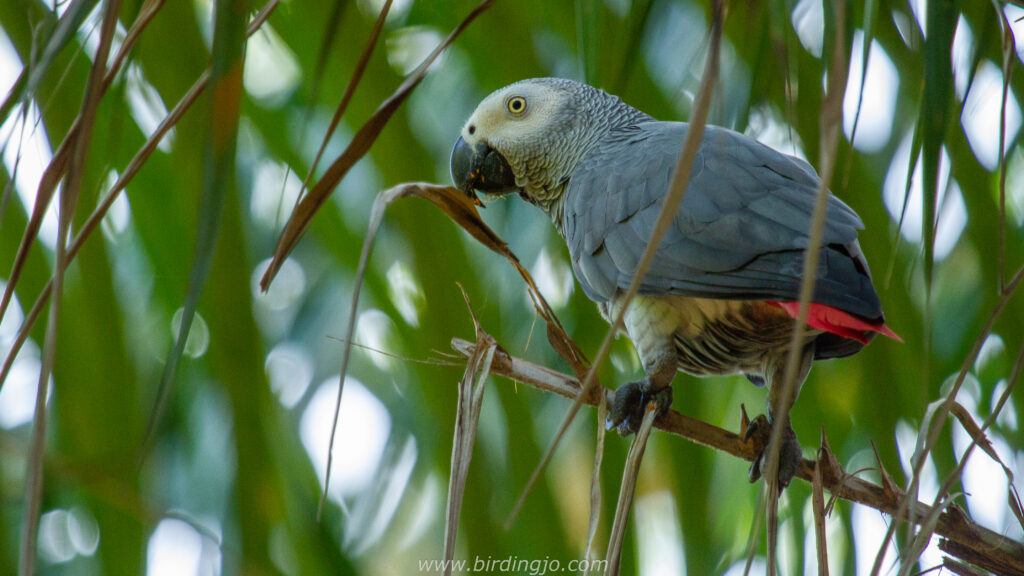
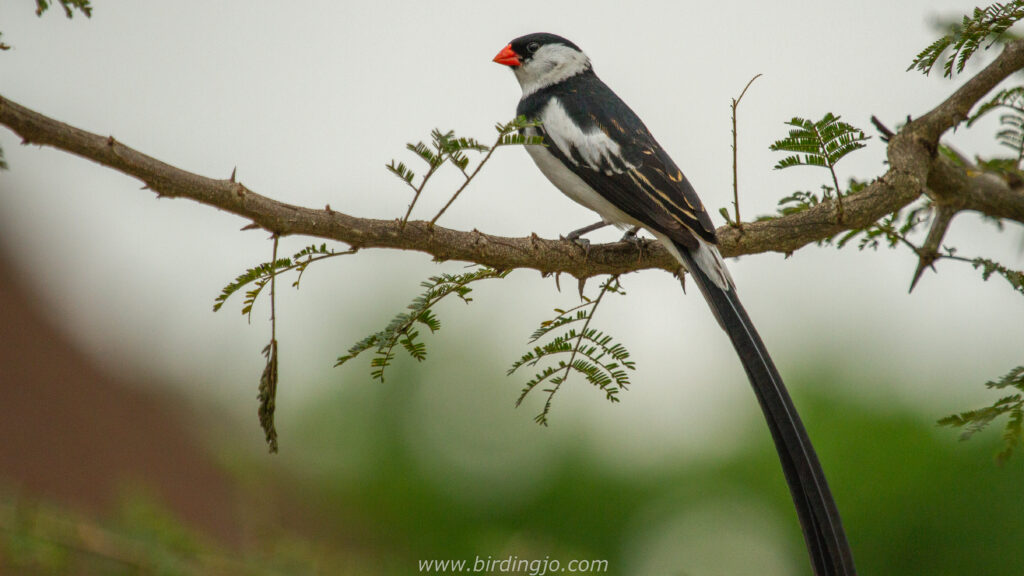
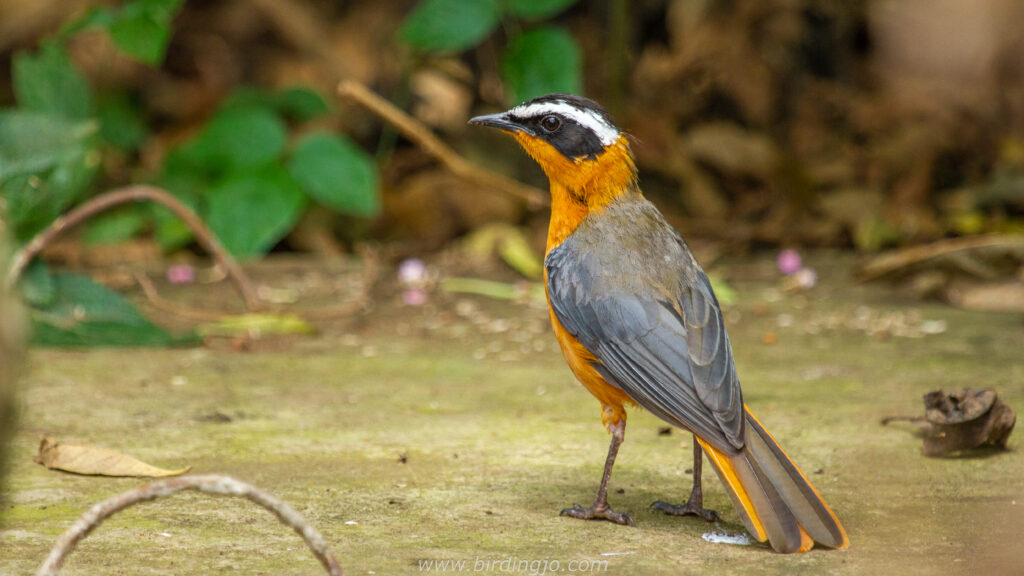
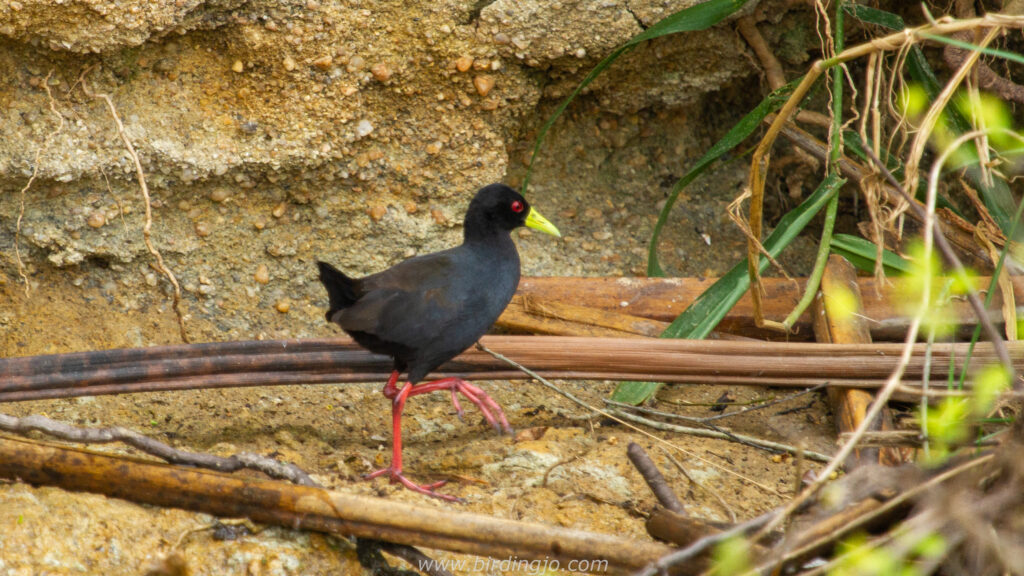
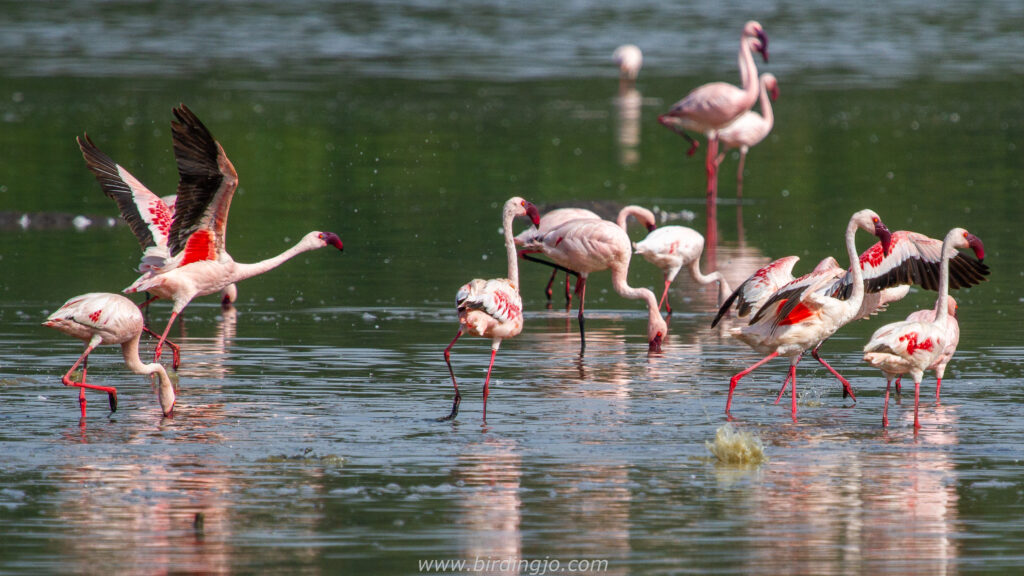
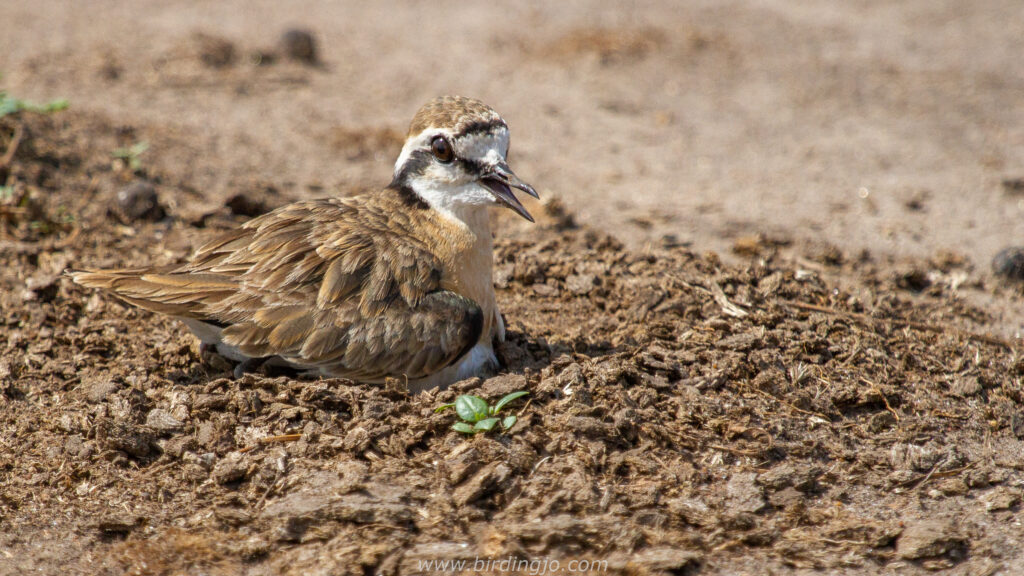
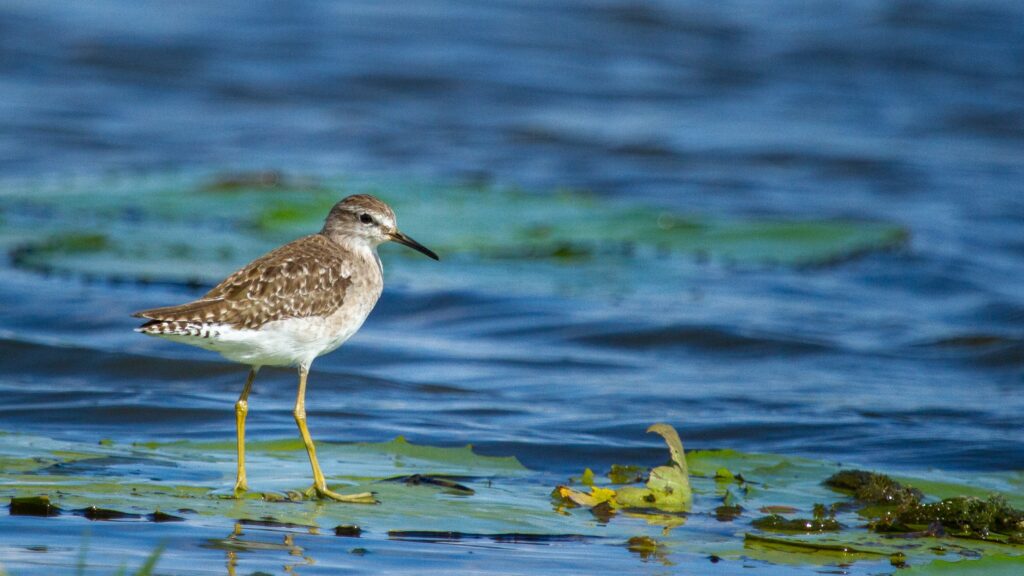
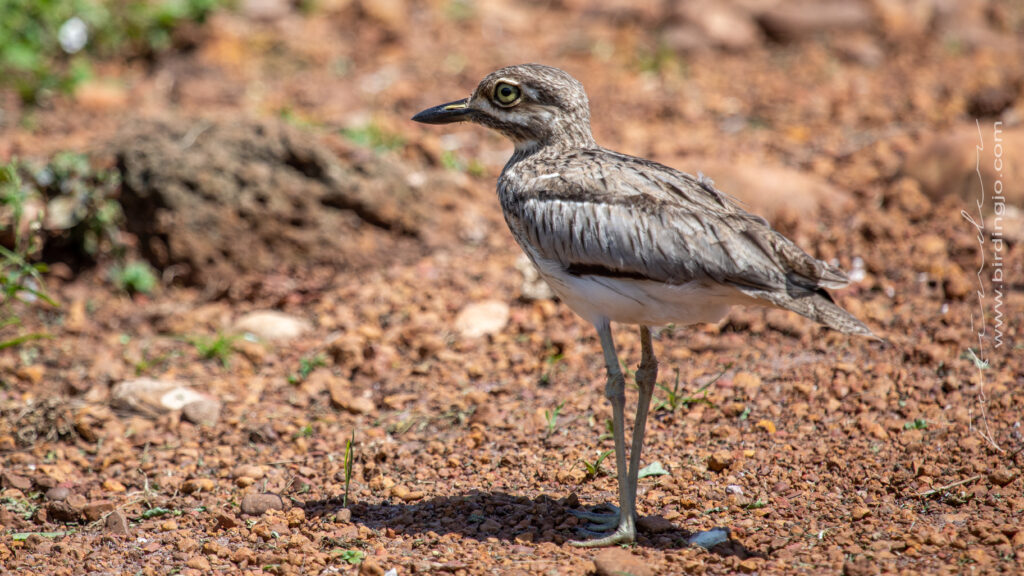
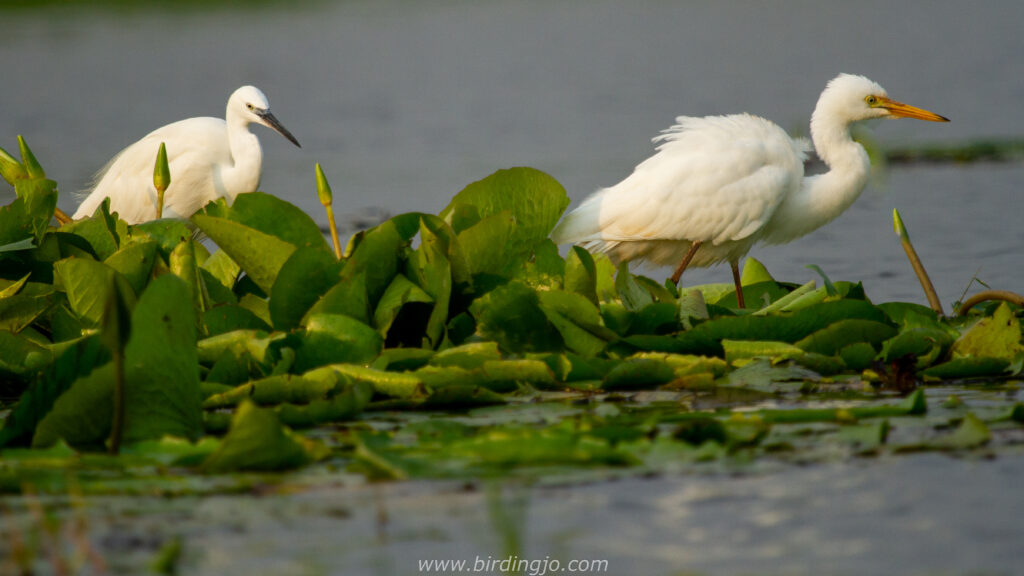
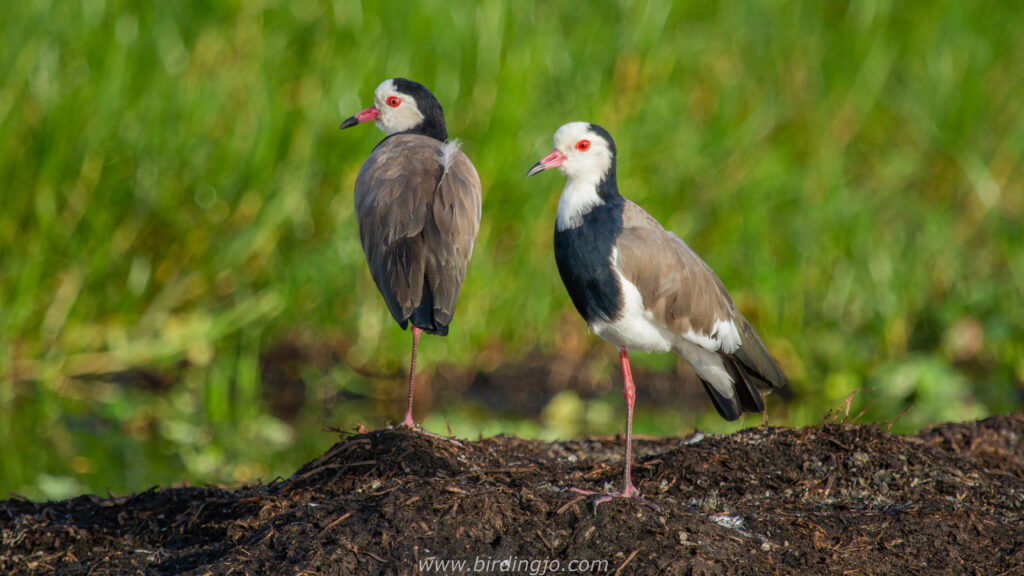
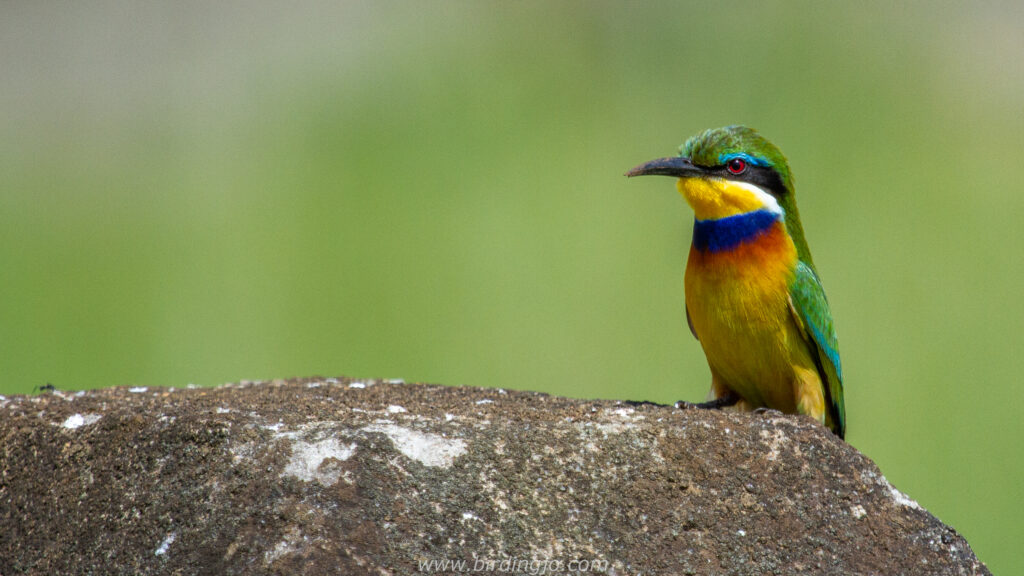
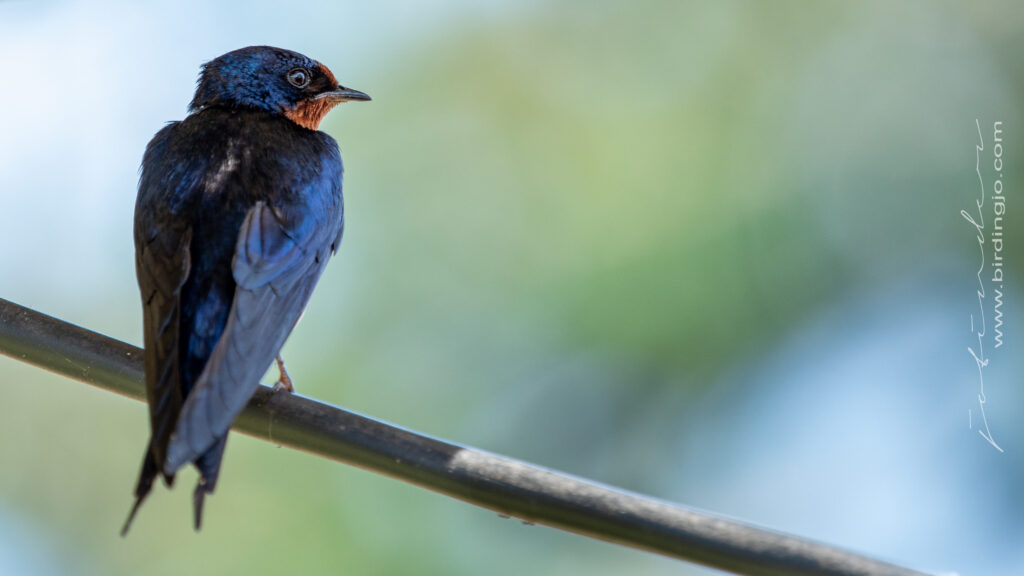
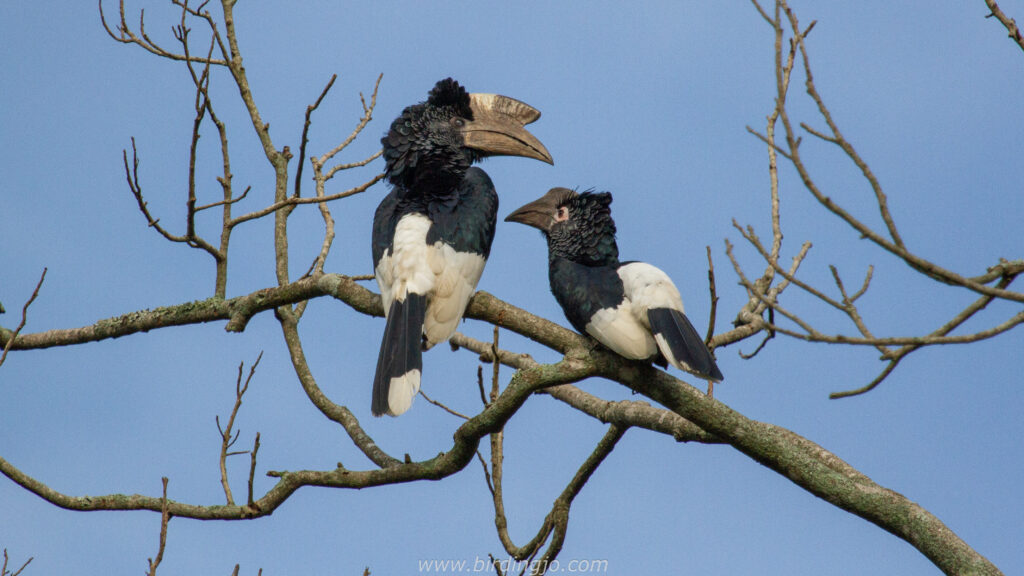
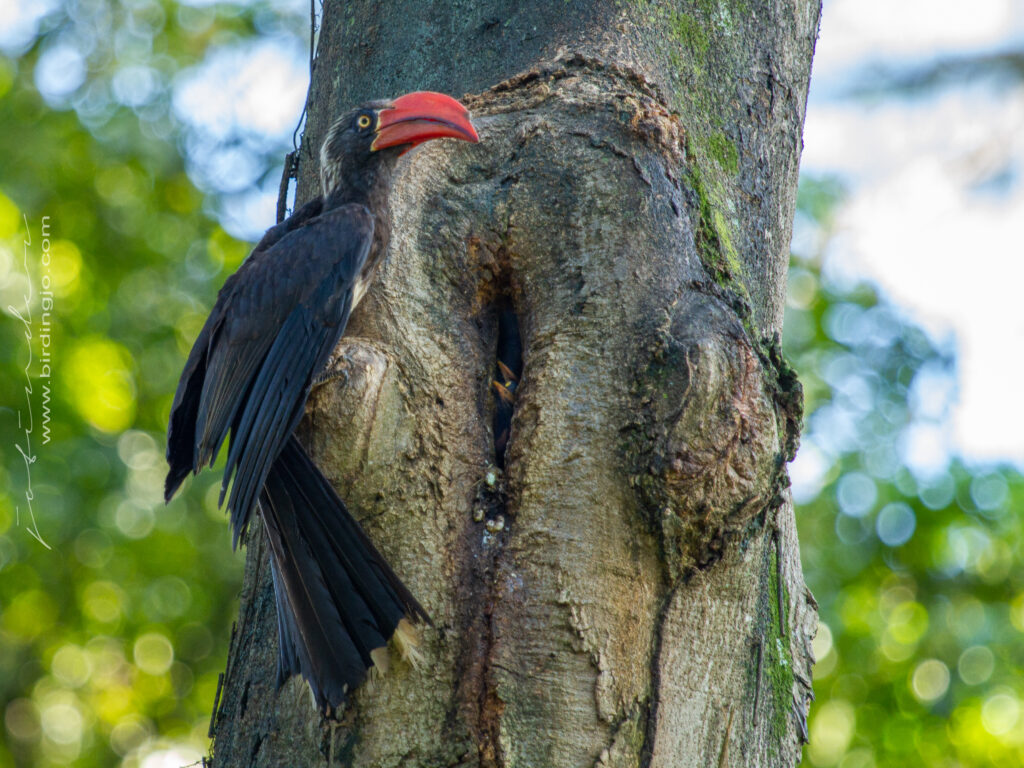
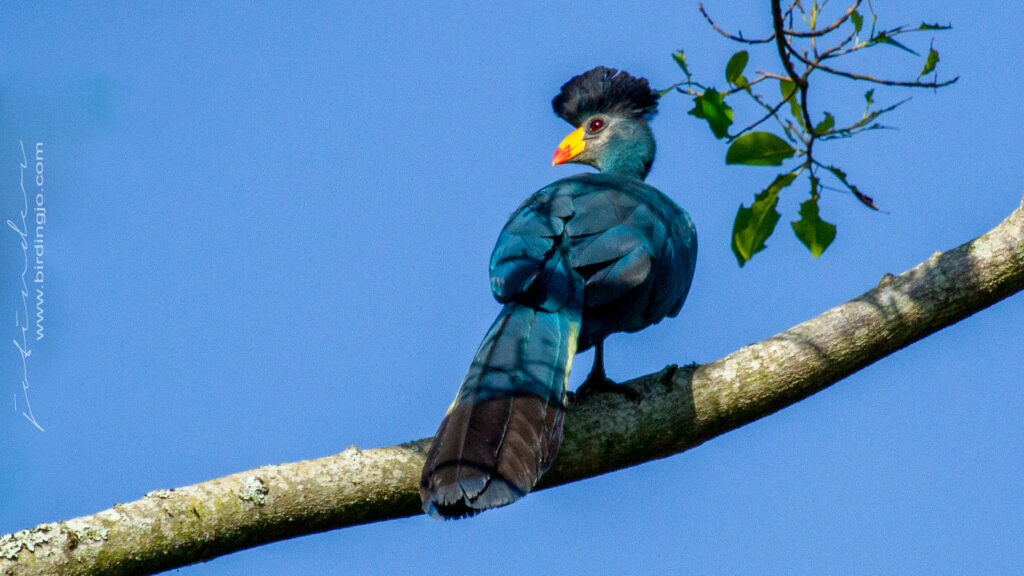
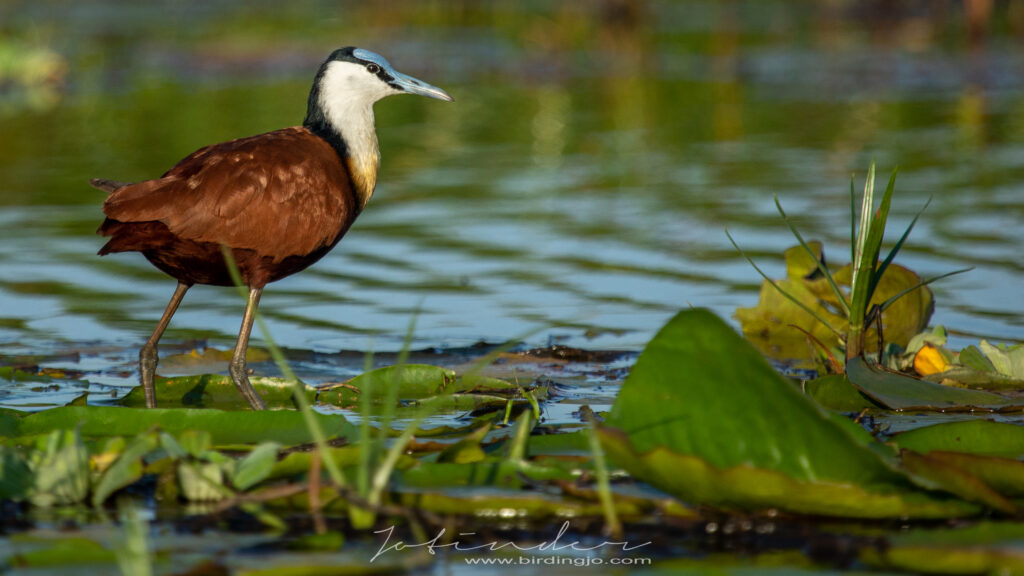
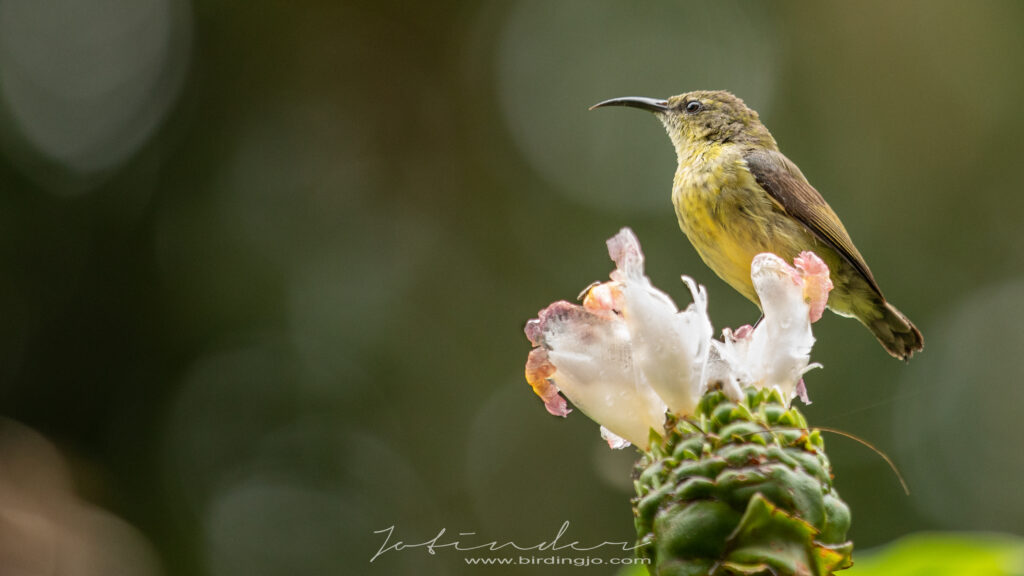
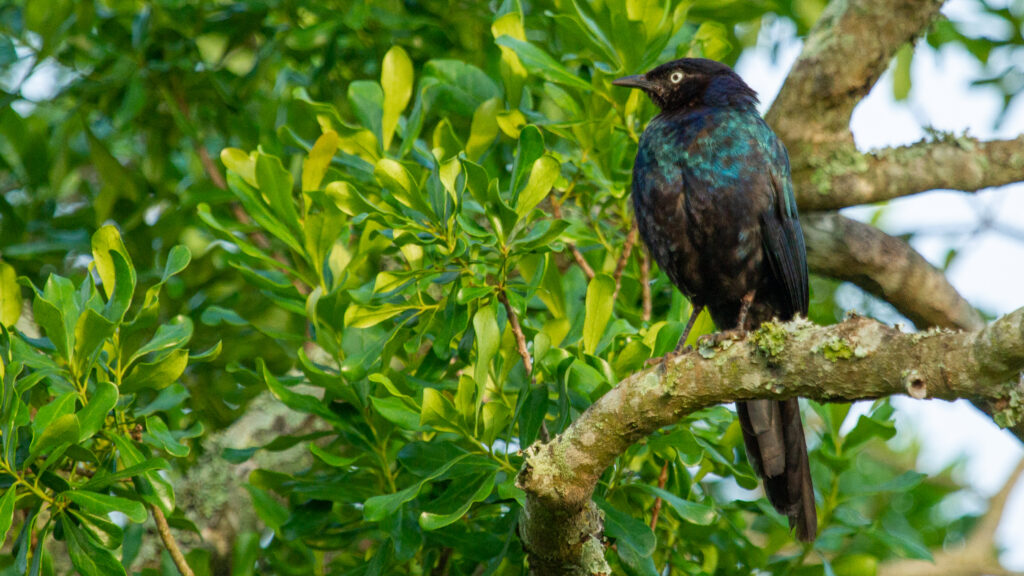
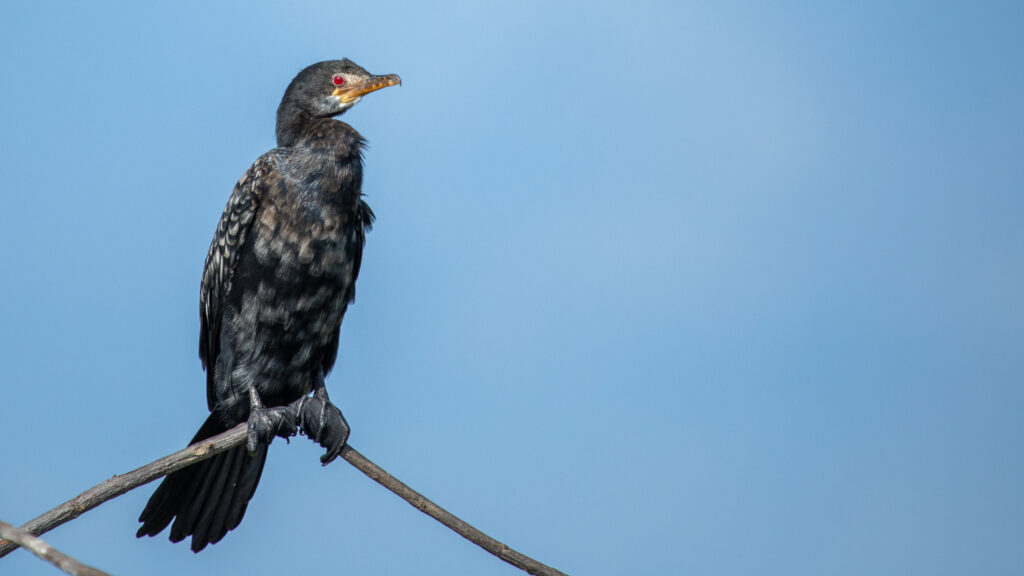
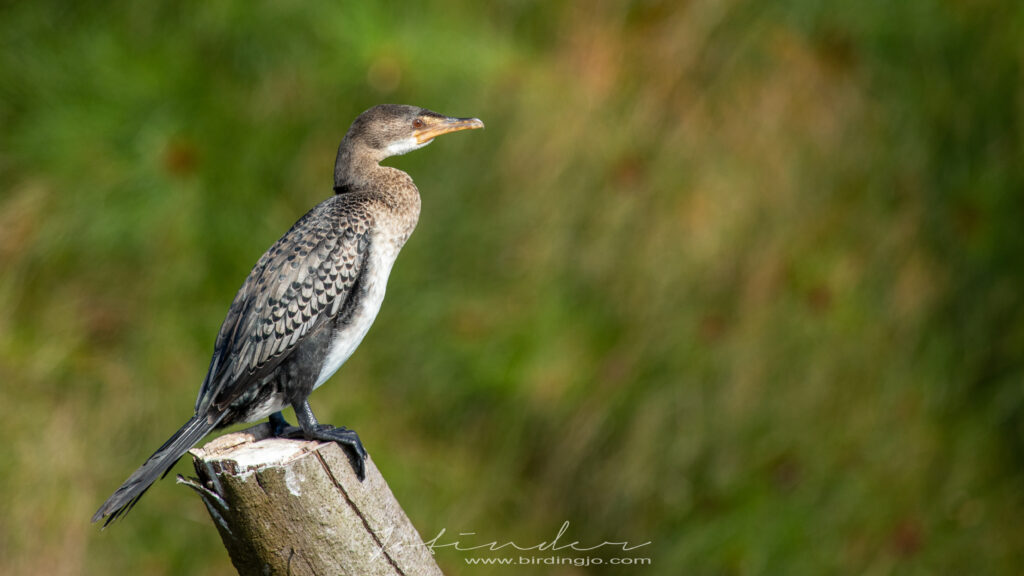
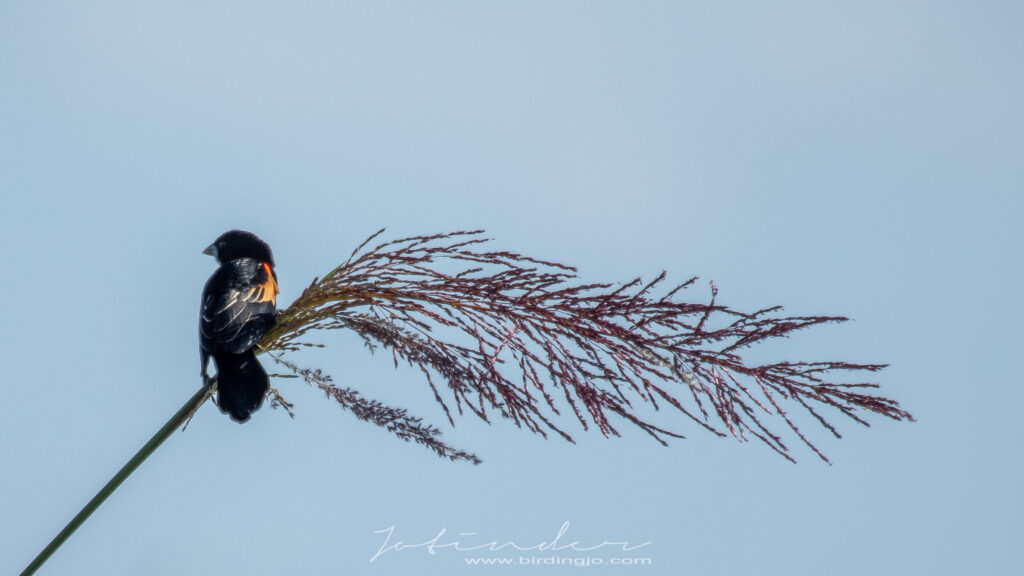
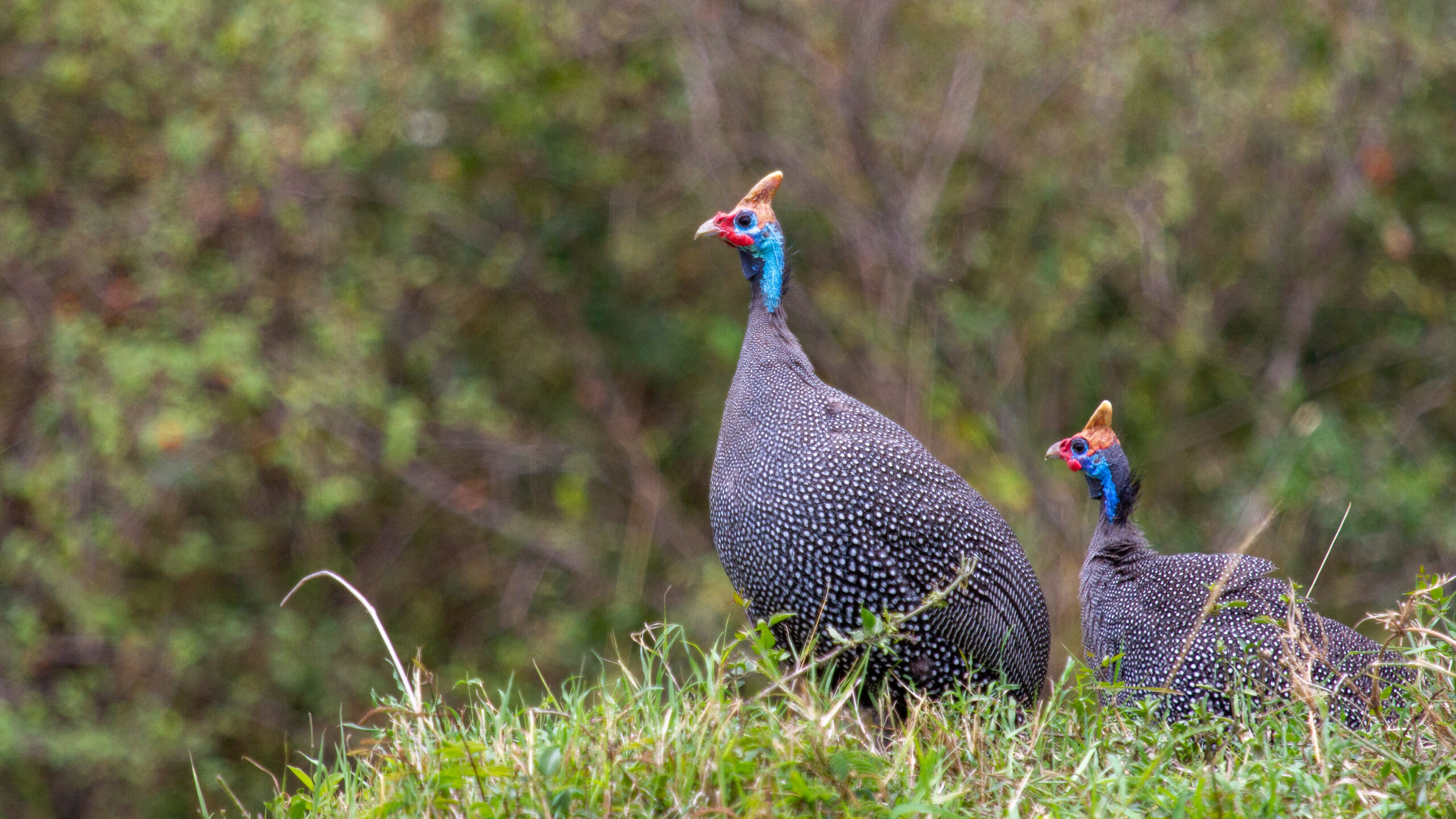
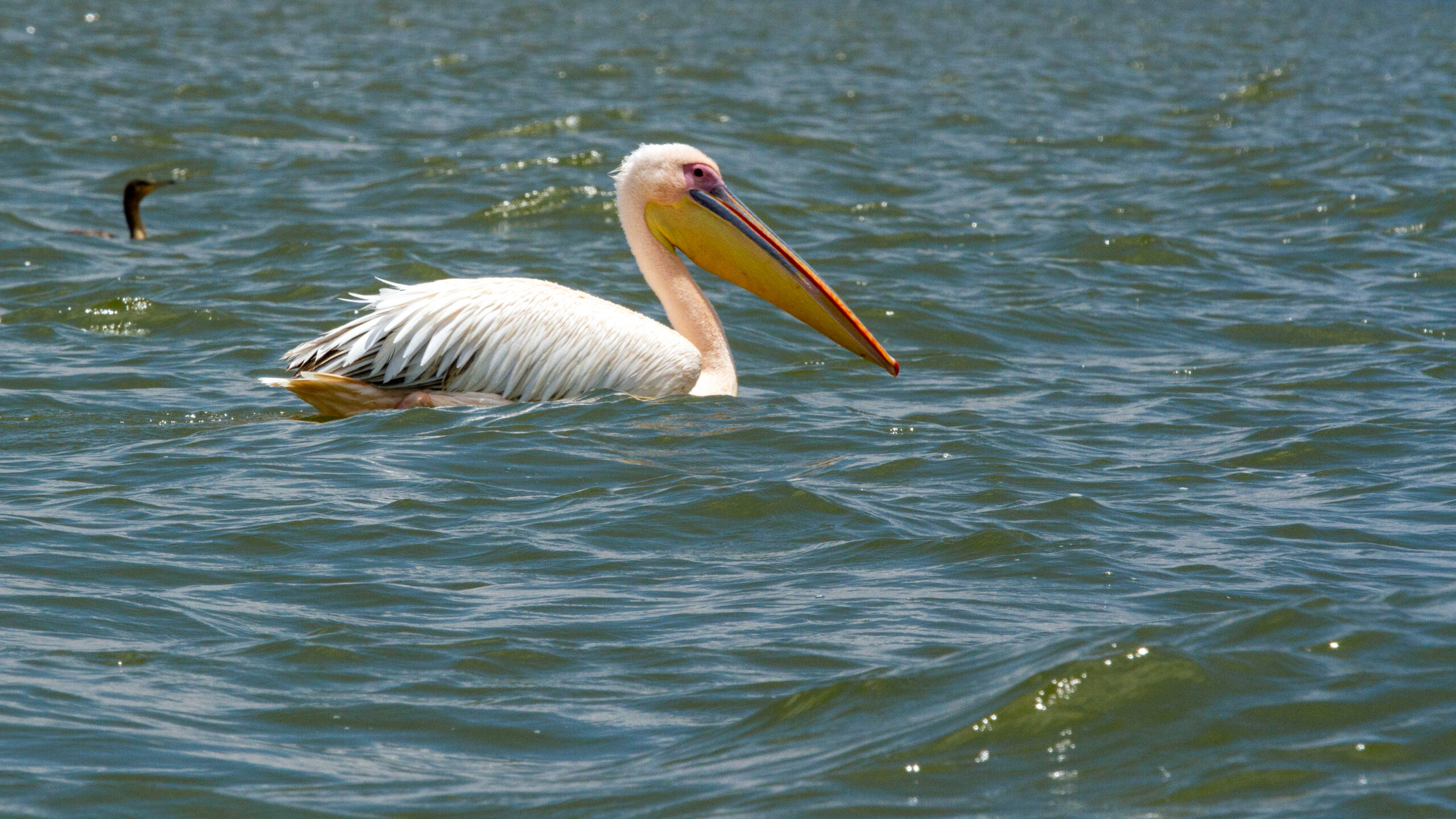
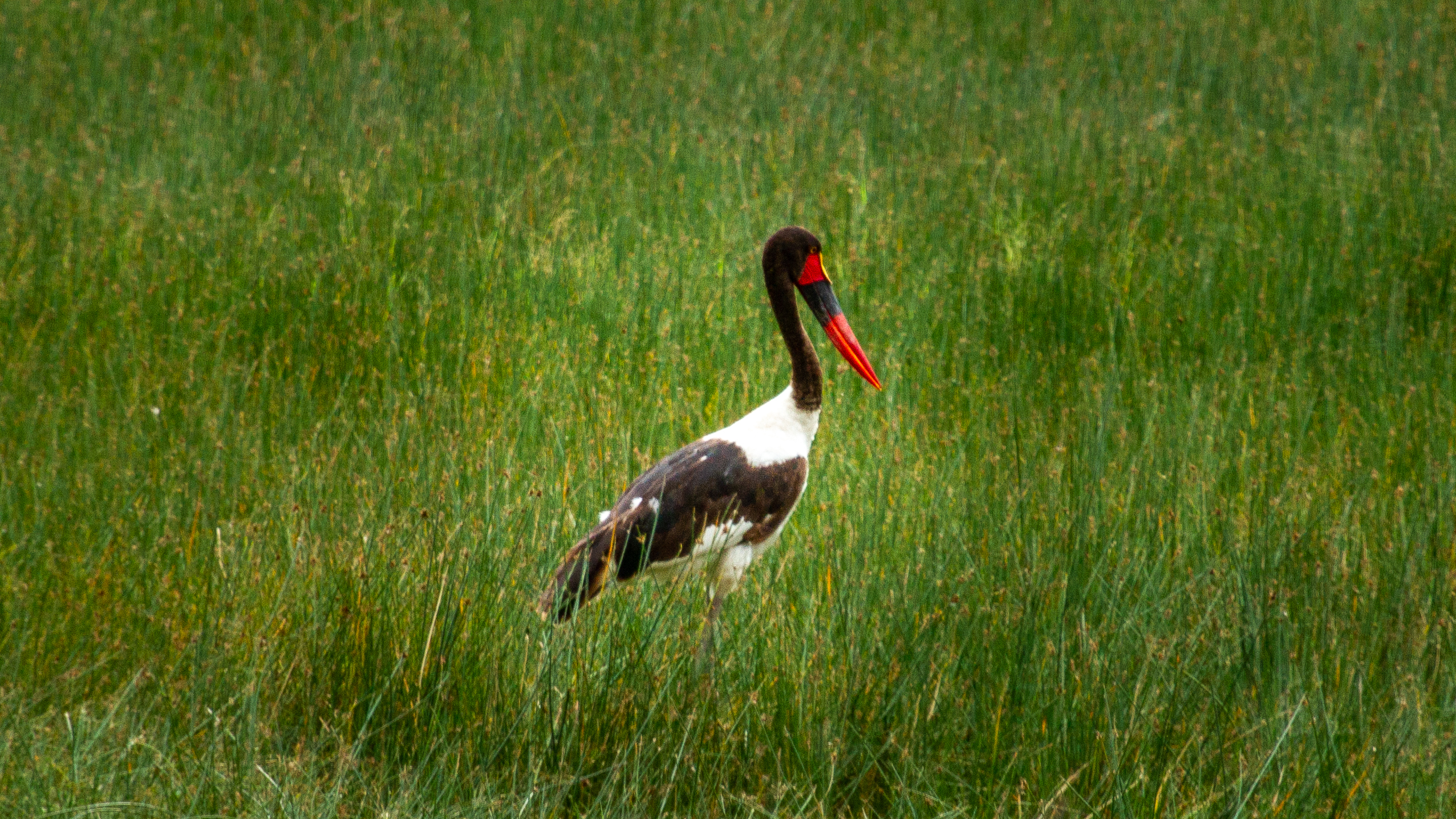
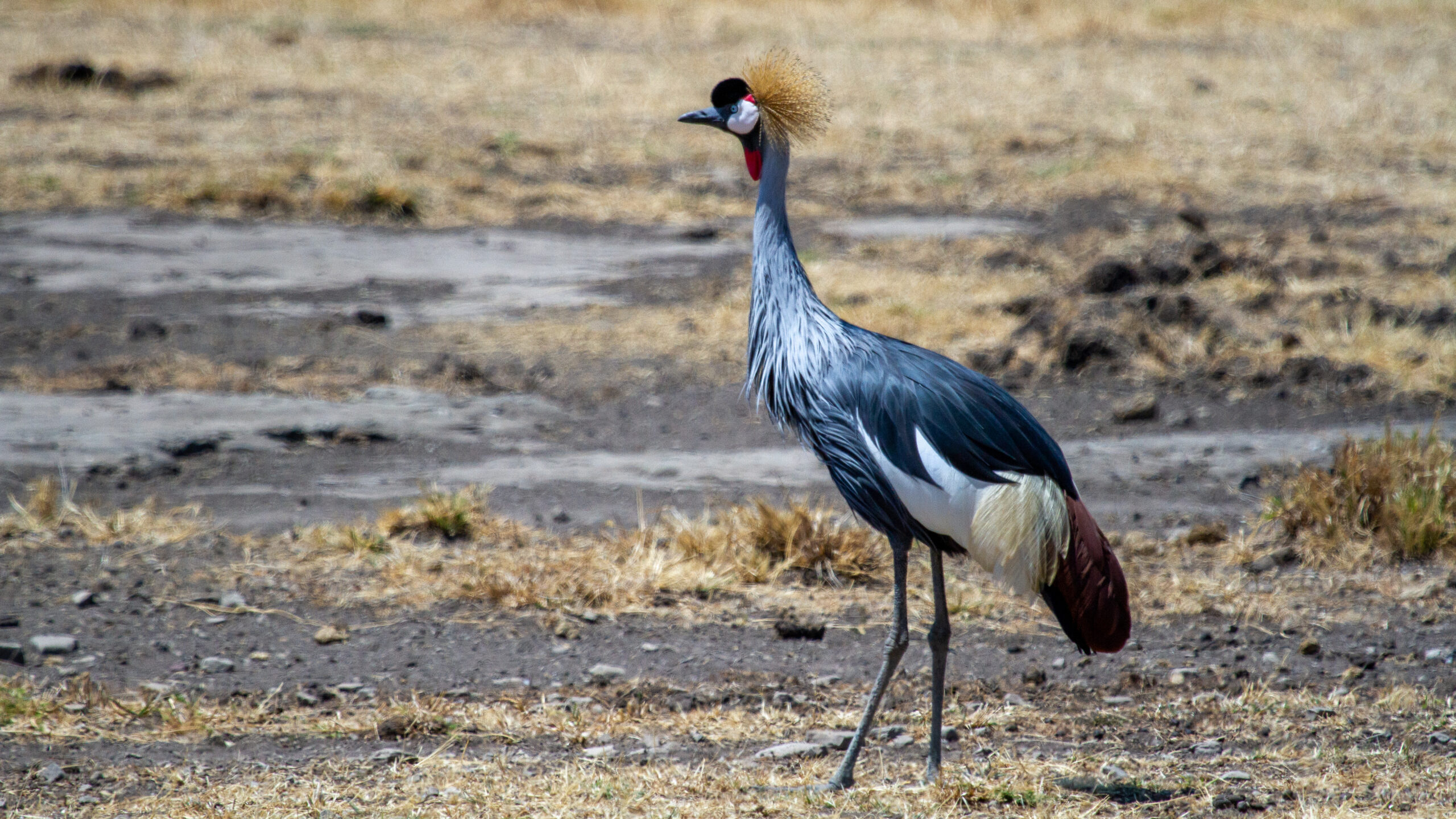
    East Africa, comprising of Kenya, Tanzania, Uganda, Rwanda and Burundi is home to approximately 1388 bird species, some unique, edging towards bizarre and endemic to the region. Since this region is home for me now – I am starting a series of posts to keep a good record.

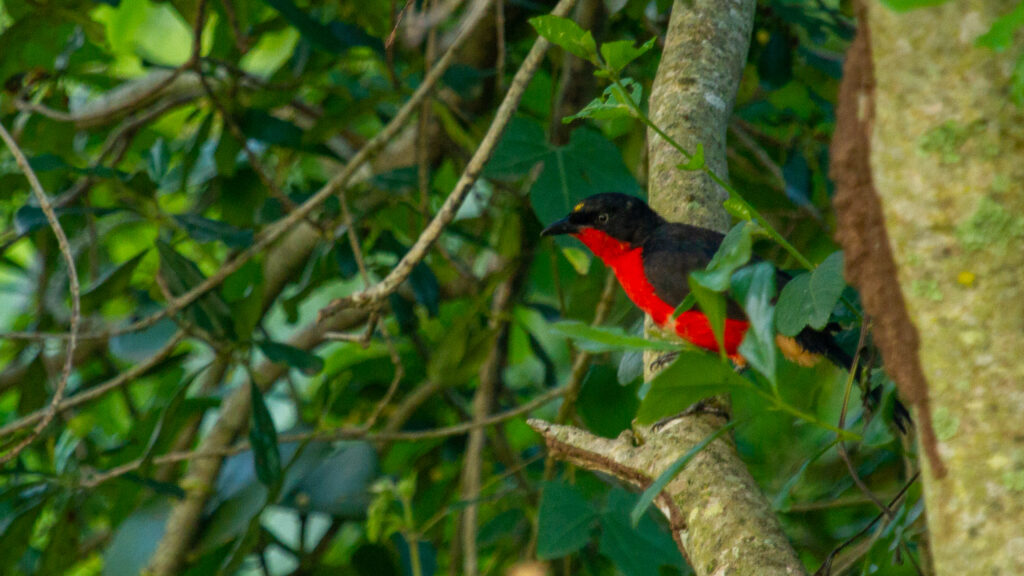
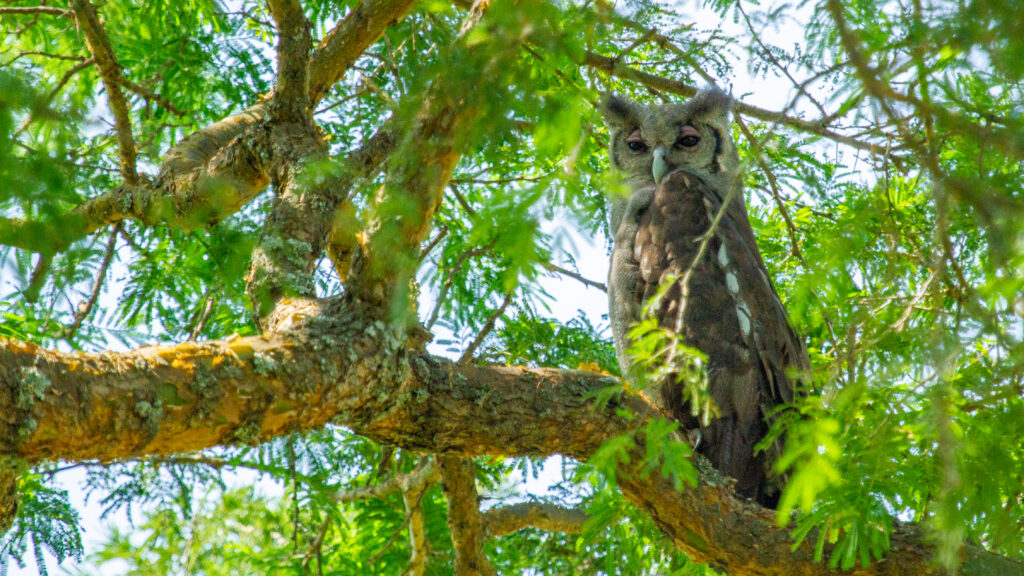
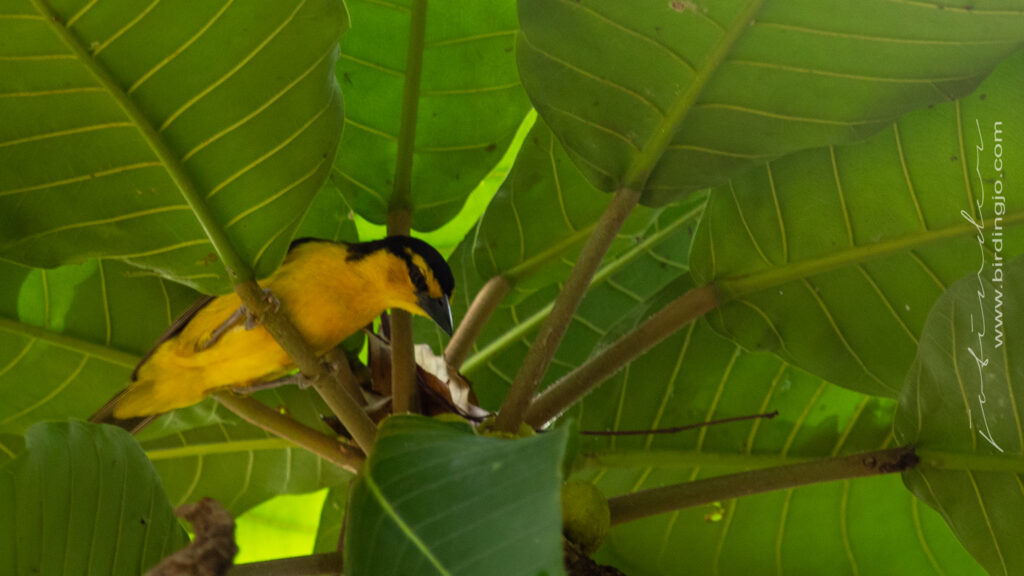
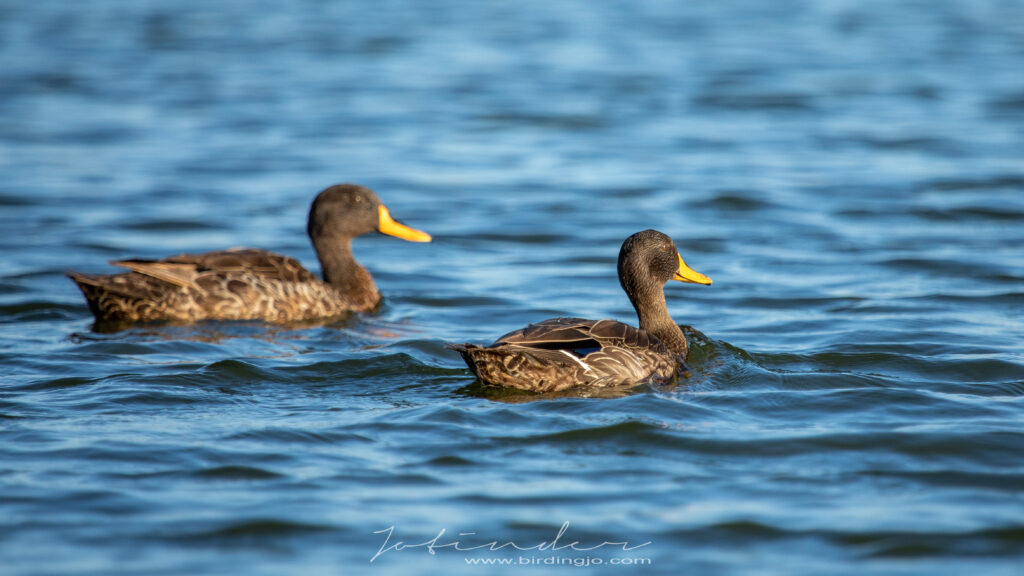
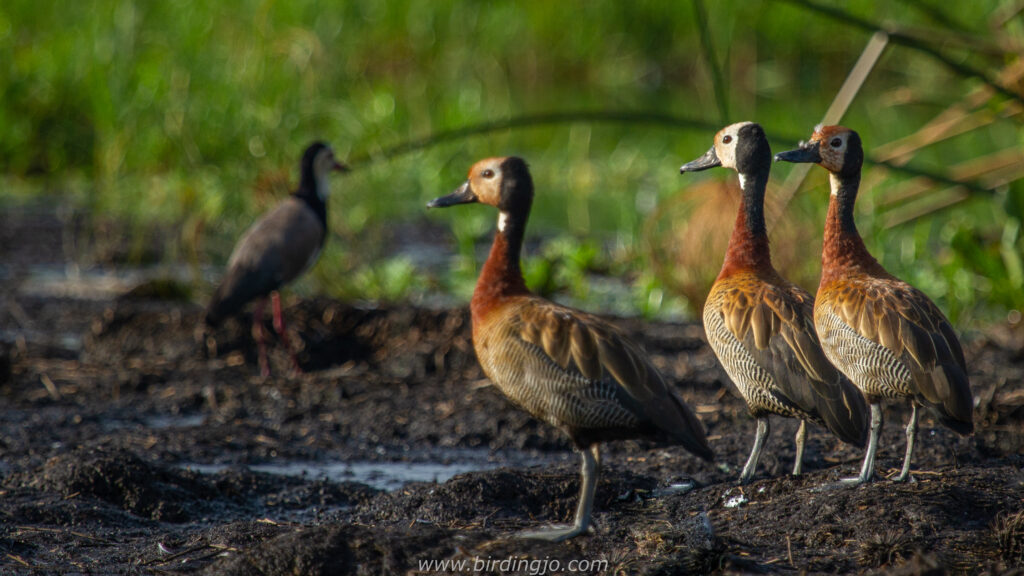
    There are 27 pictures below. You may find, leaves and foliage covering the bird in some pictures. Well, I like to keep and present, as I find them in their natural habitat, without much editing. Hope you enjoy that too. (To see a larger picture , click on the images below. Best viewed in a PC / Tablet).
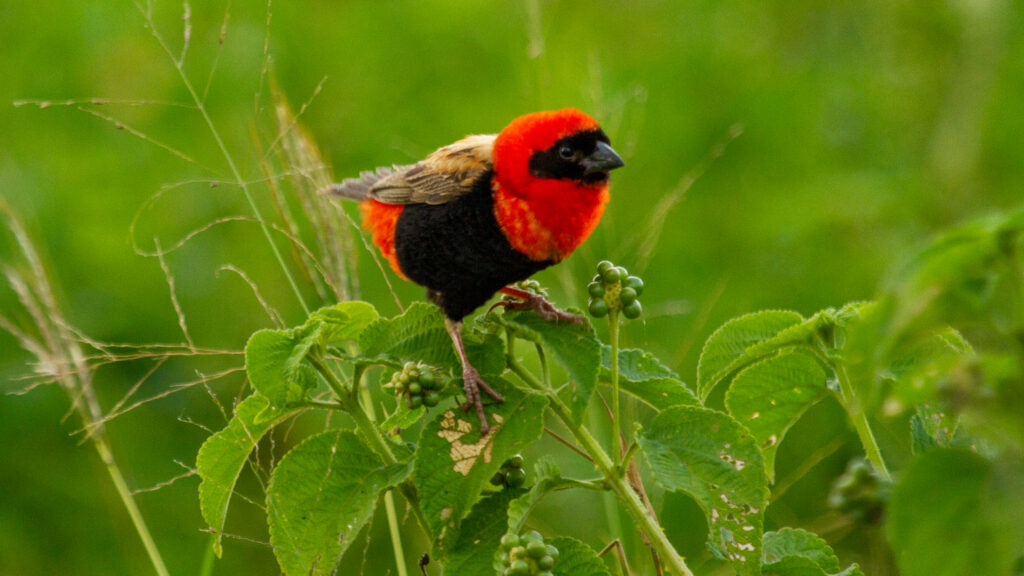
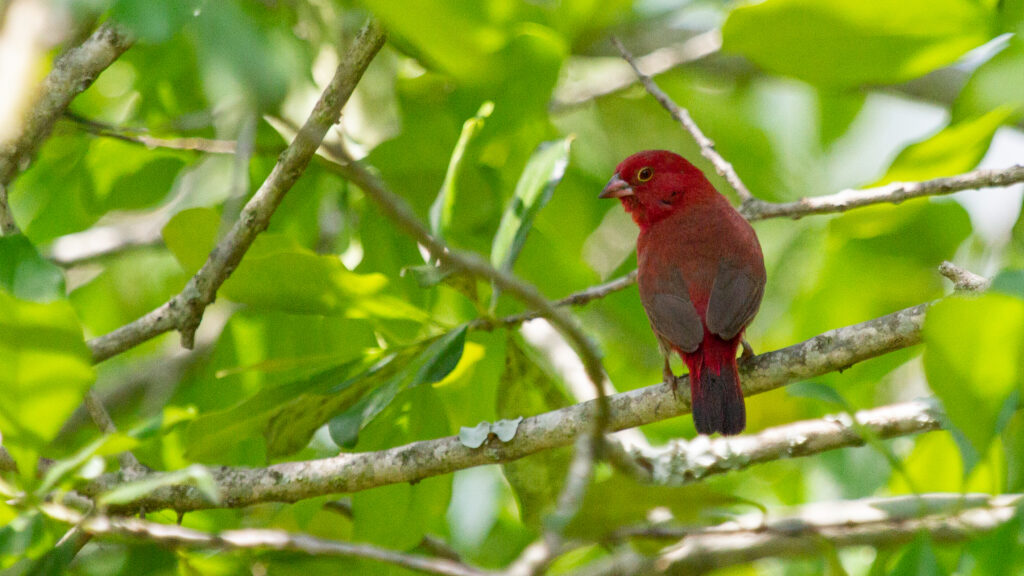
    Let me leave you with an excerpt from a poem by Debbie, which goes well with the compilation above.

    “Ah and then there are the birds,
    breeds you have never heard.
    Colors that take your breath away,
    as they sit in the trees and watch you all day.

    Yes, you are amazed once more by our Lord,
    an undiscovered forest holding secrets galore.
    I won’t say a word or tell a soul,
    this is our secret of pure beauty to behold. ”

    – Debbie wagoner

    Happy Birding !!

    Further encounters in Uganda

    “Tame Birds Sing of Freedom, Wild Birds Fly” – John Lennon

    While East Africa in particular is known for wildlife safaris, especially for those looking for the ‘Big Five’, Uganda can easily claim itself to be a heaven for the birders. Uganda boasts of about 1350 species of birds including some endemic and unique birds, not / difficult to be found elsewhere.

    Even though the heading mentions ‘East Africa’, this post mainly contains birds of Uganda, which I have been able to spot and record in last few months despite the partial restrictions on movement due to Covid-19. Most shots may not appear to be of Natgeo quality, remember, I am just a modest twitcher trying to share some experiences and memories.
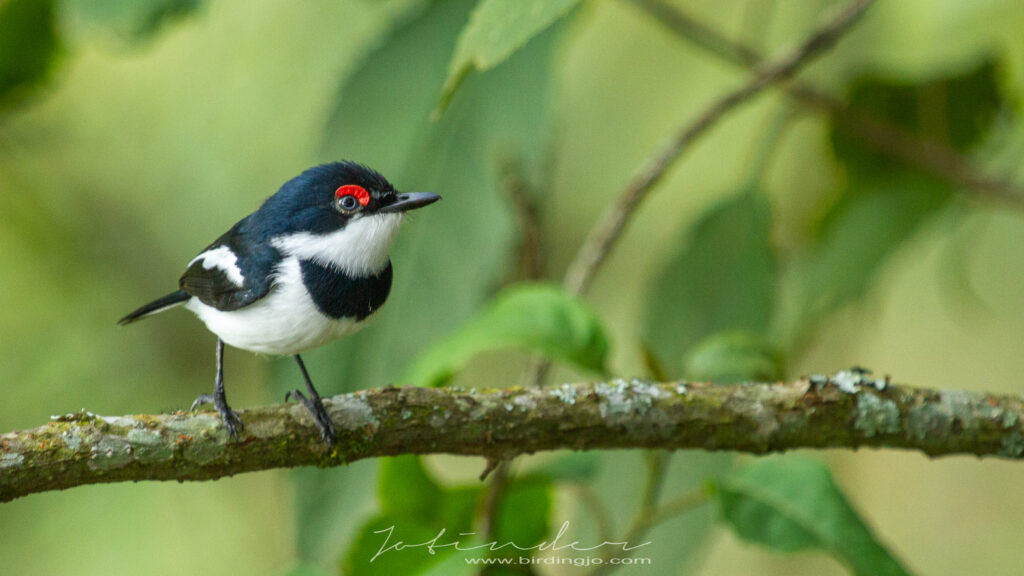
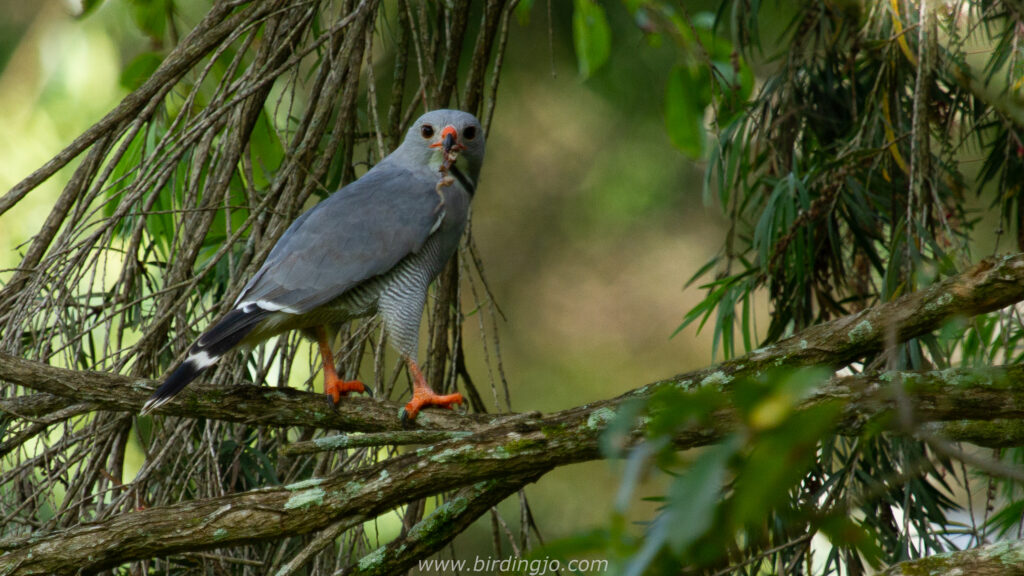
    Thank you for stopping by. There is more coming.

    Happy birding !!

  • The Shoebill of Mabamba: Encounters, Wetlands and Conservation

    The Shoebill of Mabamba: Encounters, Wetlands and Conservation

    Several visits to Mabamba revealed more than a remarkable bird. They opened a window onto a living wetland, the patience of a specialist hunter, and a community whose knowledge has become central to its protection.

    Into Mabamba

    I had read about the Shoebill long before work brought me to Uganda. The possibility of meeting this prehistoric-looking bird in its own habitat was irresistible. Mabamba Bay, on the shores of Lake Victoria near Entebbe, offered the closest opportunity: a freshwater wetland of papyrus, reeds and floating vegetation where narrow channels disappear into a seemingly endless green maze.

    Reaching the swamp is part of the experience. A larger boat crosses the open water before visitors transfer to a small canoe that can move quietly through the papyrus. Finding a Shoebill is never guaranteed. The guides read the channels, vegetation and recent sightings, checking likely feeding areas without disturbing the bird.

    A canoe moving through the Mabamba wetland
    Entering the papyrus channels of Mabamba Bay.

    The first encounters

    On my early visits, long periods of searching ended in the thrill of finally seeing a Shoebill standing almost motionless among the floating plants. Its stillness was deceptive. Every part of the bird seemed focused on the water below.

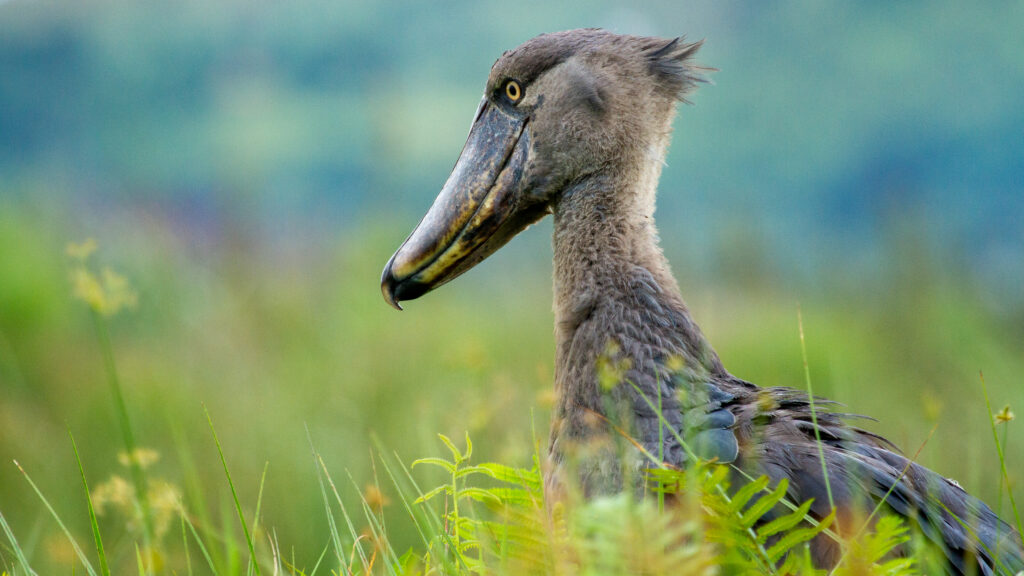
    Young Shoebill standing in the Mabamba wetland
    A young Shoebill in its papyrus habitat.

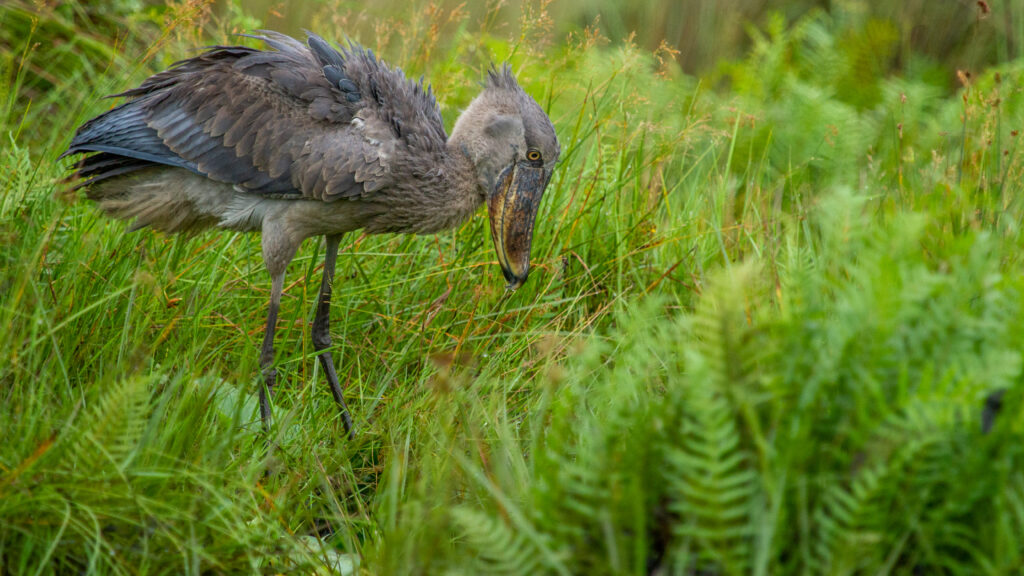
    A wait of nearly half an hour was rewarded when the bird struck and emerged with a lungfish. It carefully separated vegetation from its catch before swallowing the fish. Watching such a large bird hunt with such restraint transformed the encounter from a sighting into a study of patience.

    Shoebill hunting with focused patience
    Hunting with singular focus and patience.

    Built for the wetland

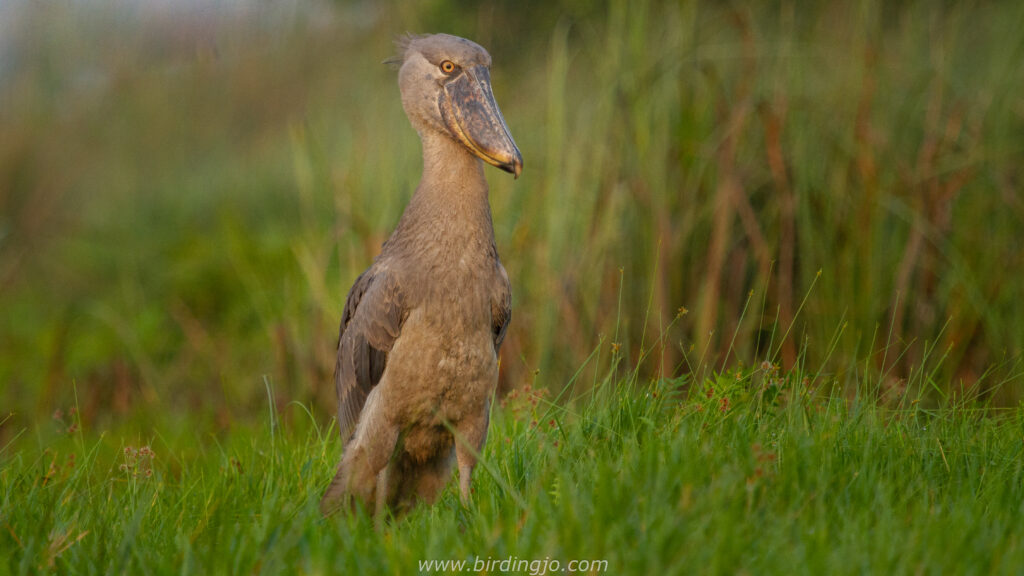
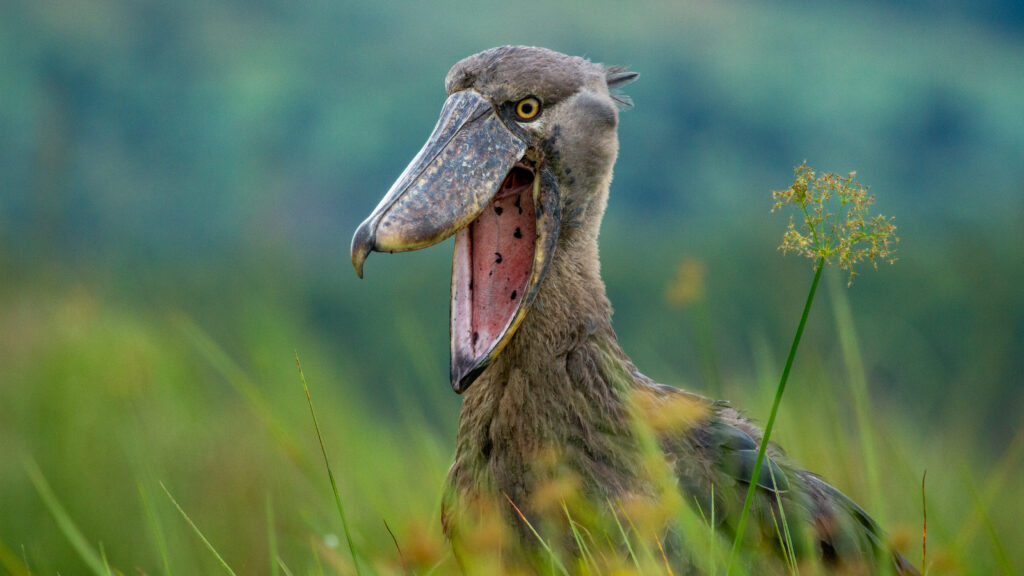
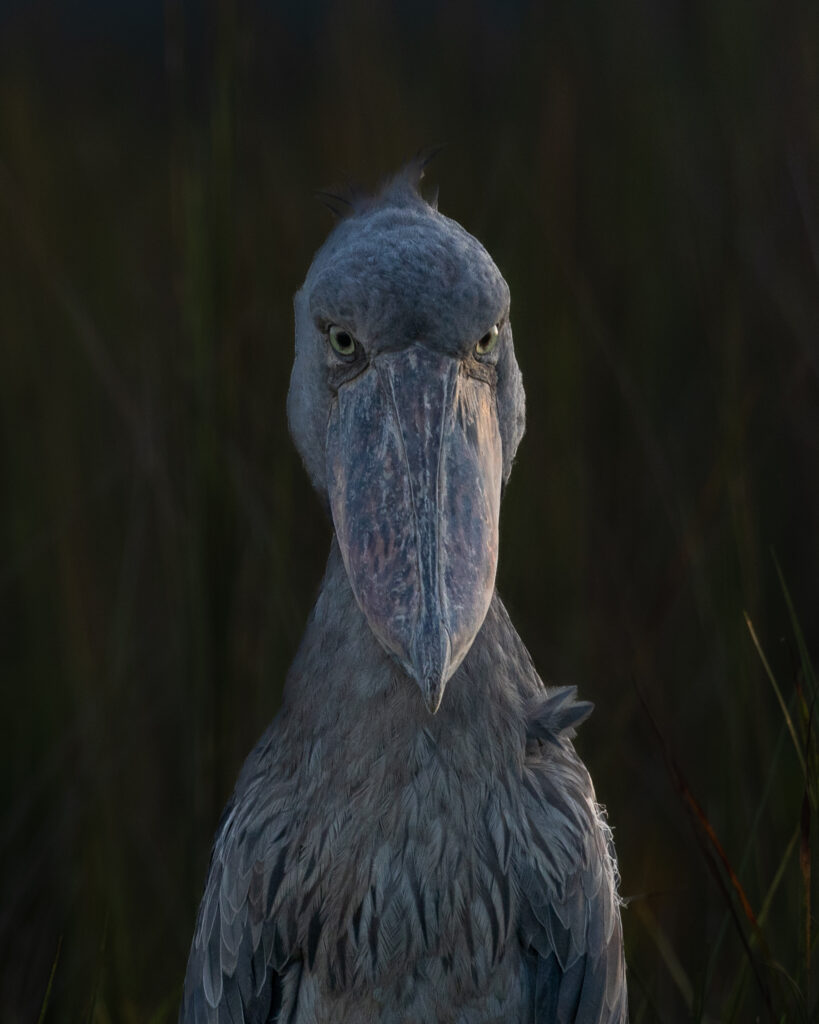
    The Shoebill (Balaeniceps rex) is unlike any other bird. Its enormous shoe-shaped bill ends in a hook that helps secure slippery prey, while its long toes spread its weight across floating vegetation. It can stand almost motionless for minutes before collapsing forward in a sudden strike.

    Freshwater swamps with undisturbed papyrus and reed beds provide the conditions it needs. Lungfish are a favoured prey, although the bird will also take other fish, snakes and small wetland animals. Its size and heavy bill suggest awkwardness, yet in flight it is unexpectedly graceful, soaring and gliding with ease.

    Close view of a Shoebill's distinctive bill
    The distinctive bill is both a defining feature and a specialised hunting tool.

    Repeated visits also showed that individuals can be recognised. Patterns, marks and colour differences on the bill vary from bird to bird. One individual carried three dark bars on the lower bill—small details that made each encounter feel personal without forgetting that these are wild birds moving through a much larger landscape.

    Side profile showing the markings on a Shoebill's bill
    Bill markings can help distinguish one Shoebill from another.

    Behaviour beyond stillness

    The swamp produced surprises on later visits. On one occasion a Shoebill suddenly spread its wings and opened its bill, appearing much larger. An African Fish Eagle was overhead. The display worked: the eagle changed course. Moments like this revealed a bird that was not merely statuesque, but alert, expressive and fully capable of defending its space.

    Shoebill spreading its wings defensively
    A defensive posture in response to an African Fish Eagle overhead.

    The Shoebill shares Mabamba with an entire wetland community. African Jacanas cross floating leaves on their long toes; egrets, sandpipers and fish eagles animate the channels and skies. The Shoebill may be the celebrated resident, but its survival depends on the health of this complete ecosystem.

    A community and its wetland

    Mabamba’s story is inseparable from the people who live and work around it. Local fishing families possess an intimate knowledge of the water, fish, seasons and birds. Some fishermen have become specialist bird guides, while others share information about sightings and changing conditions across the wetland.

    The relationship has changed over time. Where Shoebills were once sometimes regarded as competitors for fish, conservation awareness and nature-based livelihoods have encouraged their protection. The wider community of guides, boatmen and fishermen now helps visitors experience the swamp while creating a stronger local interest in safeguarding its most distinctive resident.

    Shoebill surrounded by the green vegetation of Mabamba
    The Shoebill is inseparable from the wetland that sustains it.

    This work matters because the pressures remain real: disturbance, habitat change, expanding human activity and the illegal capture of birds or chicks. Protecting Mabamba therefore means protecting both habitat and the community relationships that make conservation possible.

    Returning to the Shoebill

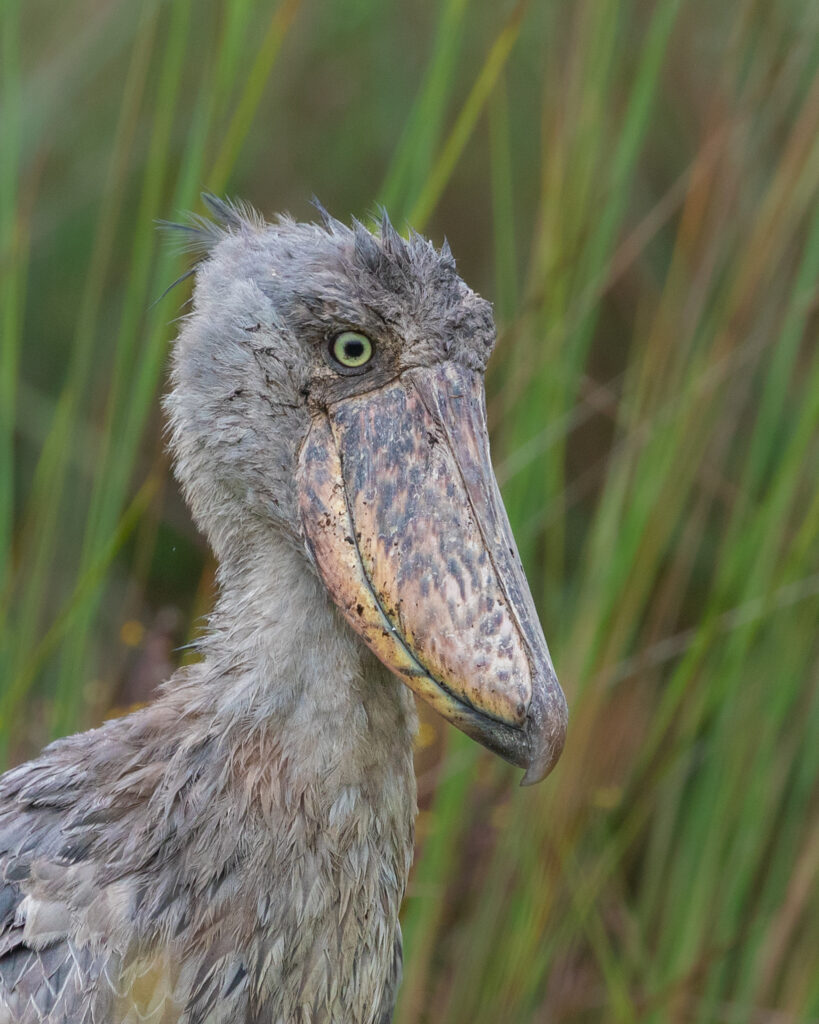
    When I returned in December 2023, the excitement had not diminished. The journey through the swamp, the quiet search and the first sight of that unmistakable profile still felt extraordinary. Familiarity had added context rather than reduced wonder: each visit revealed another detail of behaviour, another corner of the wetland and another reason to value the people who know it best.

    Shoebill portrait photographed at Mabamba Bay
    A later encounter at Mabamba Bay.

    The Shoebill draws visitors to Mabamba, but the lasting impression is broader: a rare bird, an intricate wetland and a knowledgeable community connected by the same water. I hope many others have the opportunity to enter those papyrus channels, wait quietly and experience that relationship for themselves.

  • Who Looks for Birds in Savannahs !

    Who Looks for Birds in Savannahs !

    “It’s better to be absolutely ridiculous than to be absolutely boring.” – Marilyn Monroe

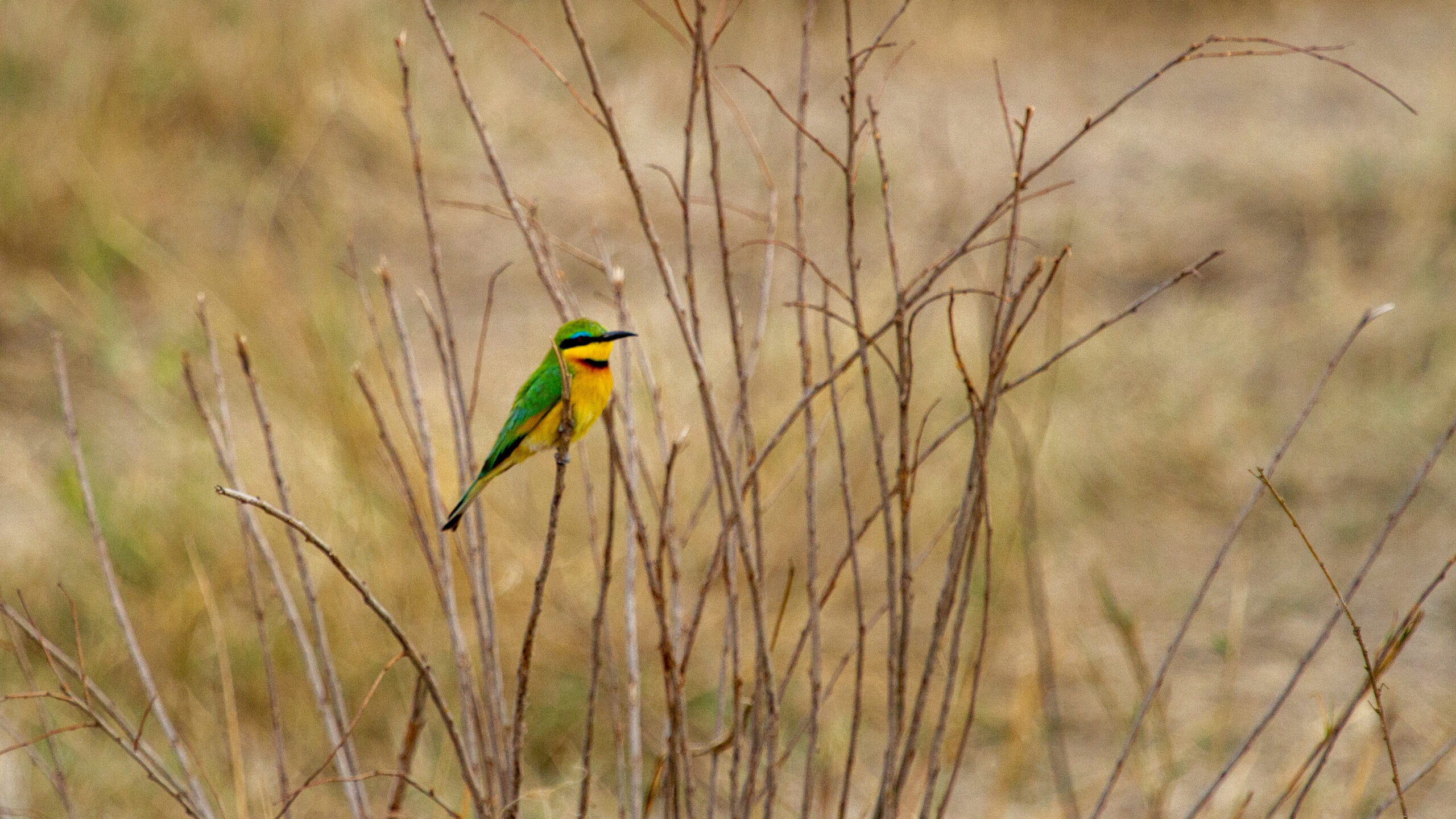
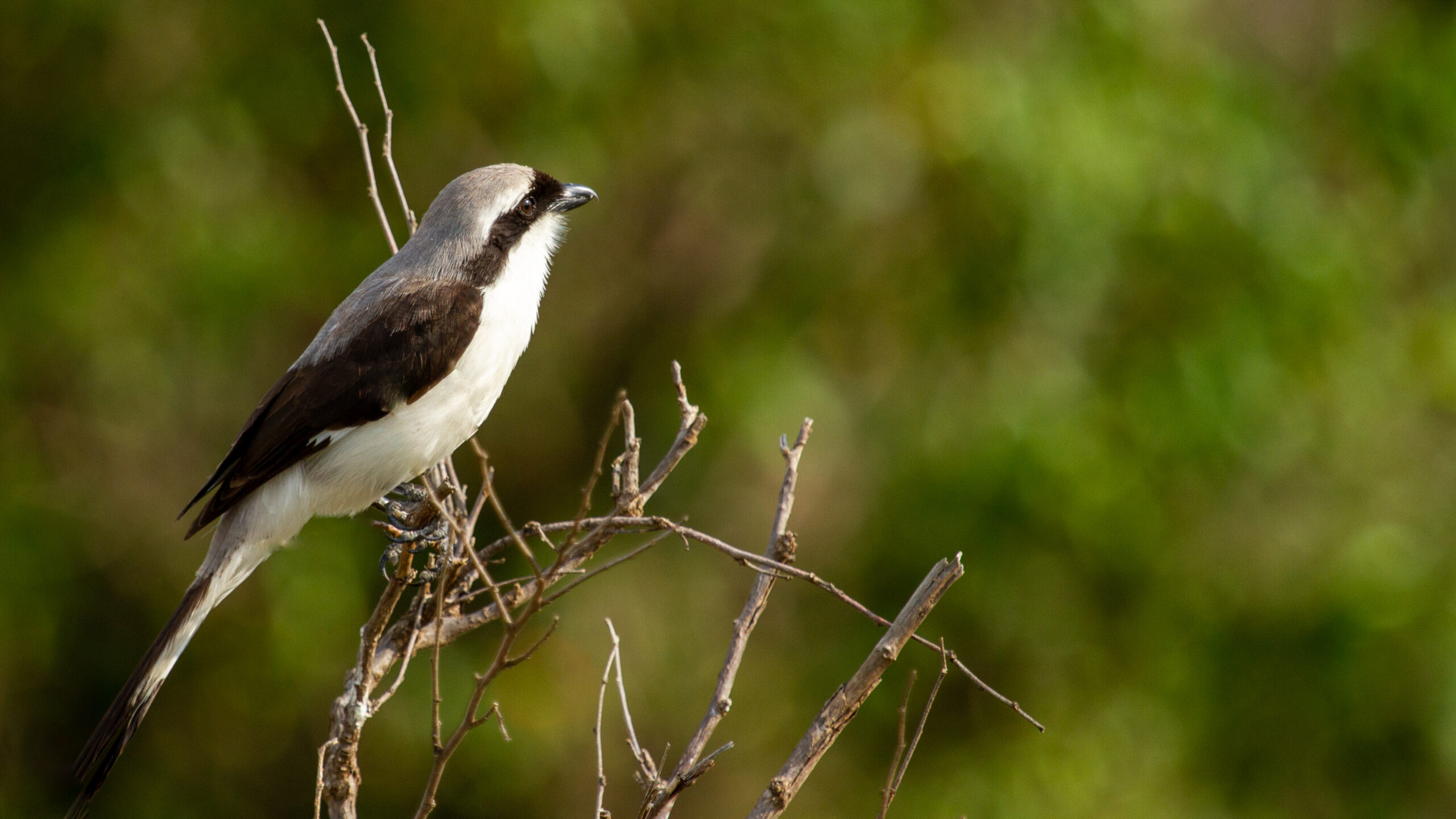
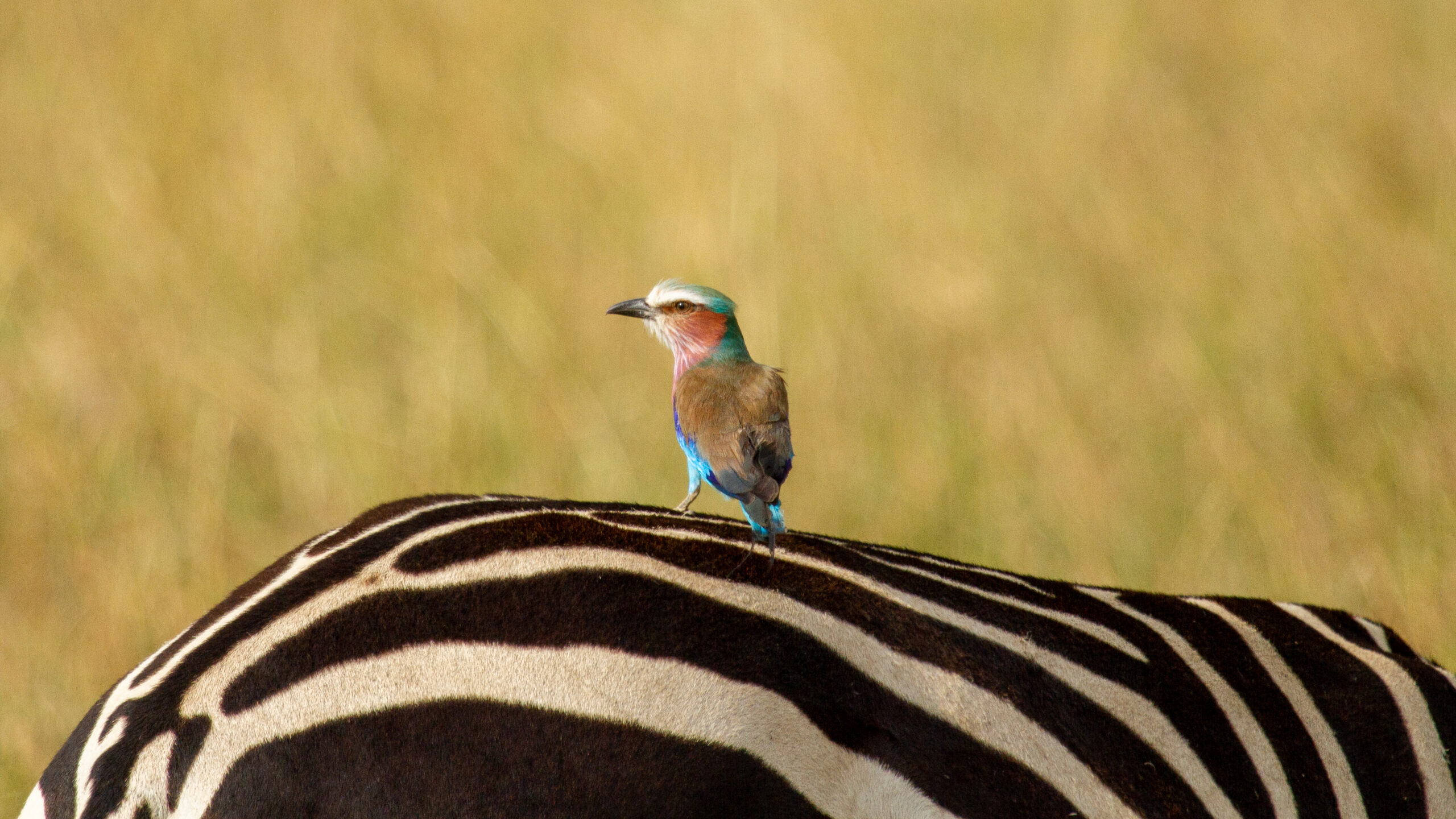
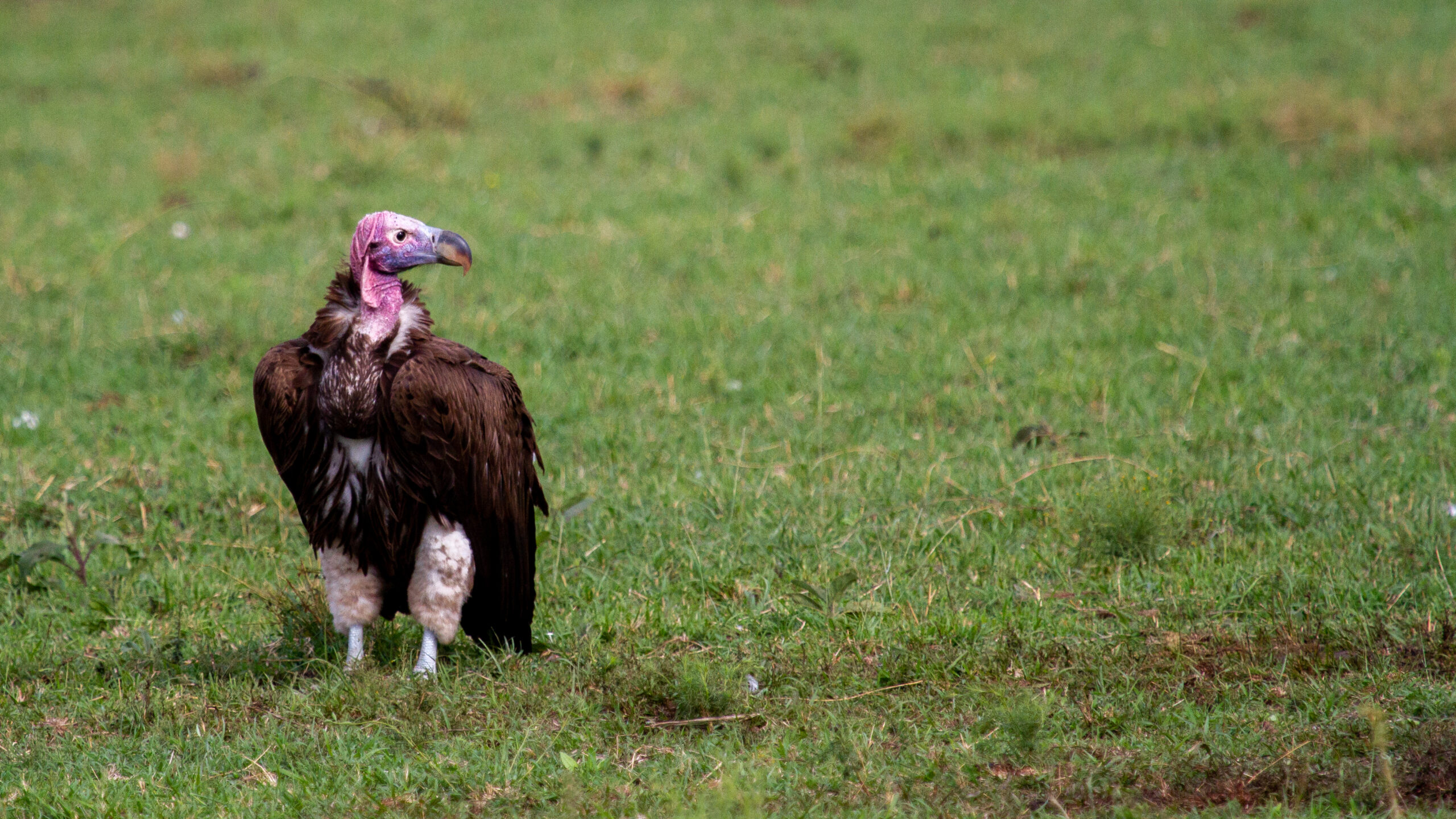
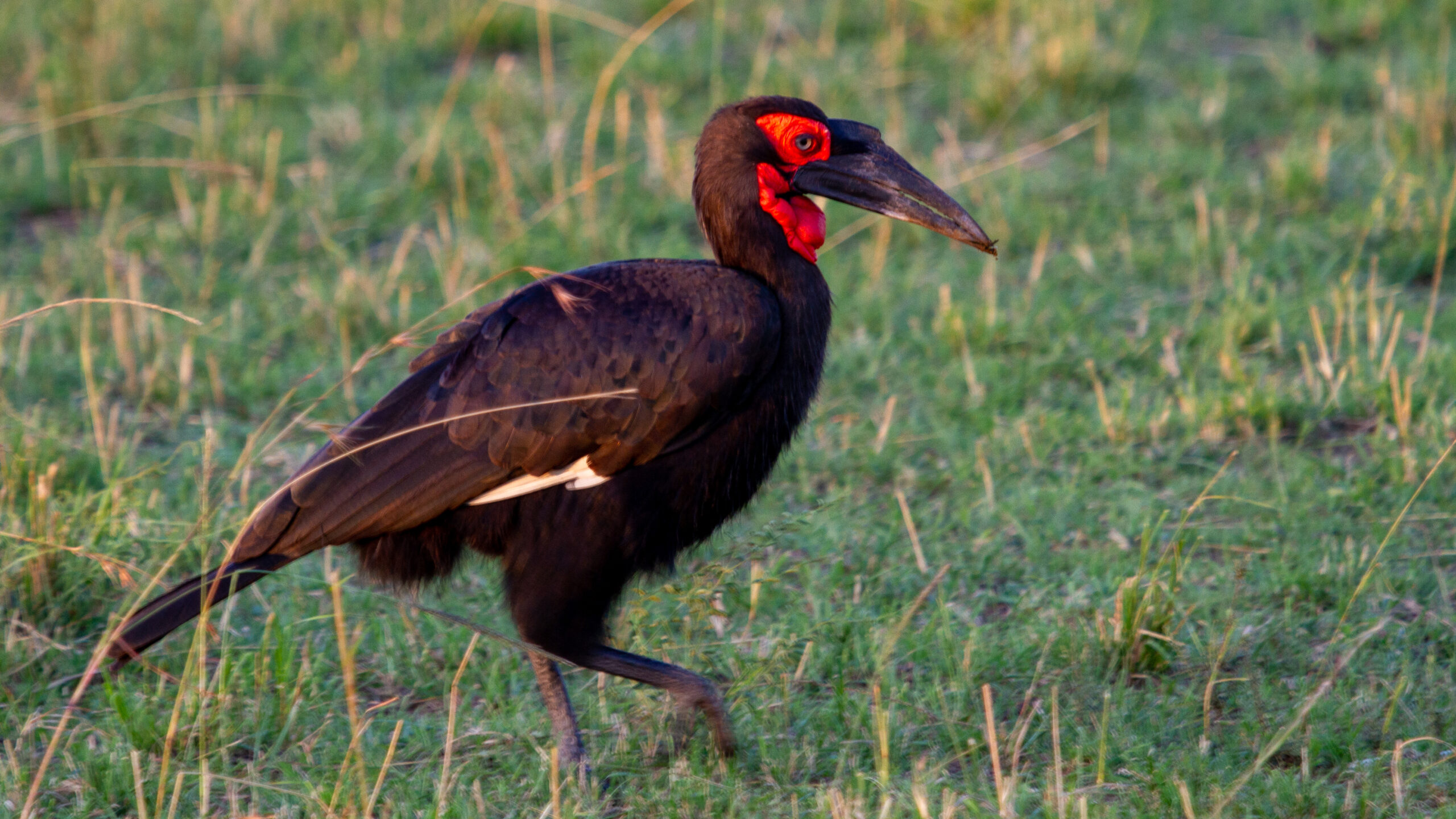
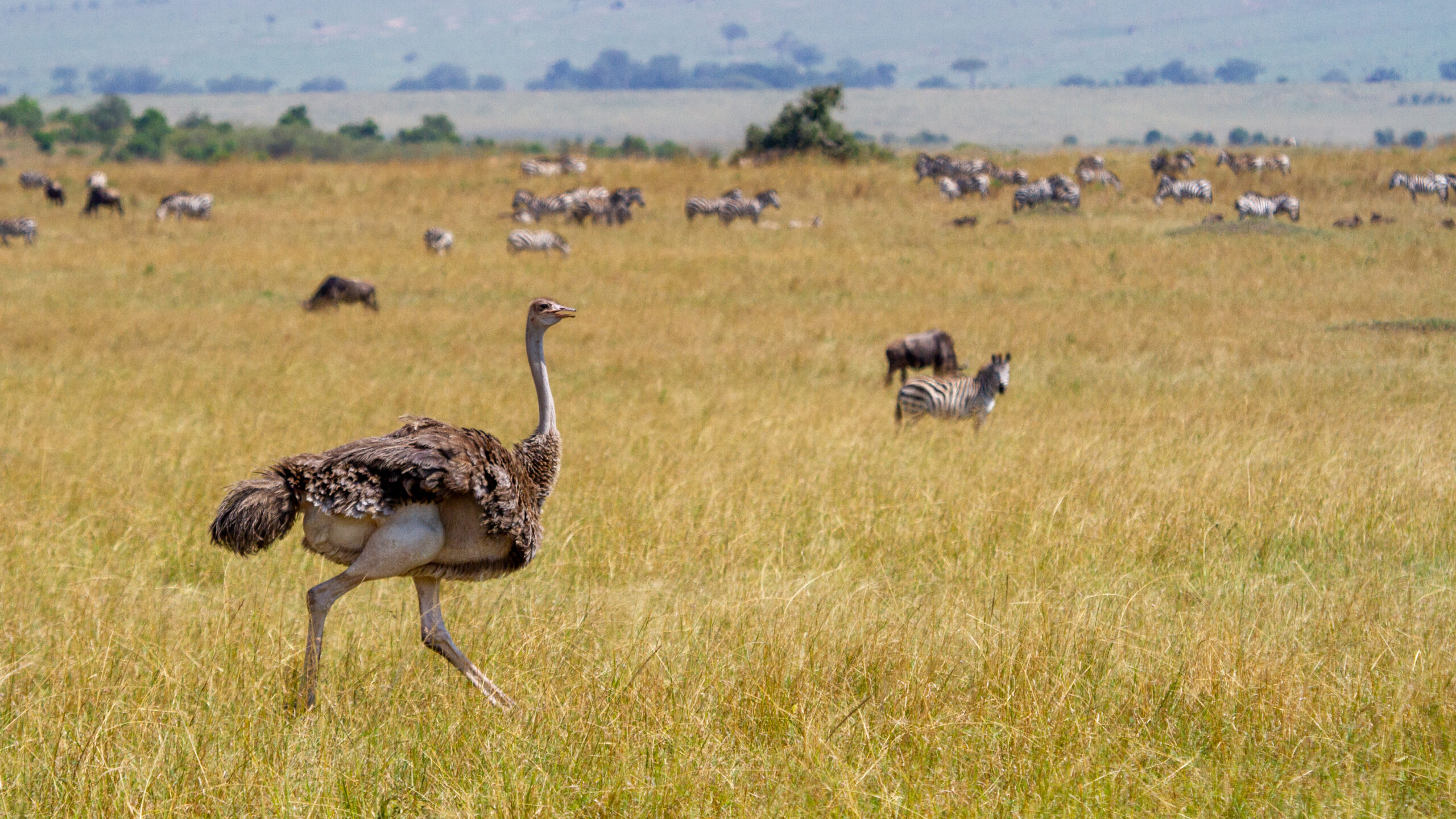
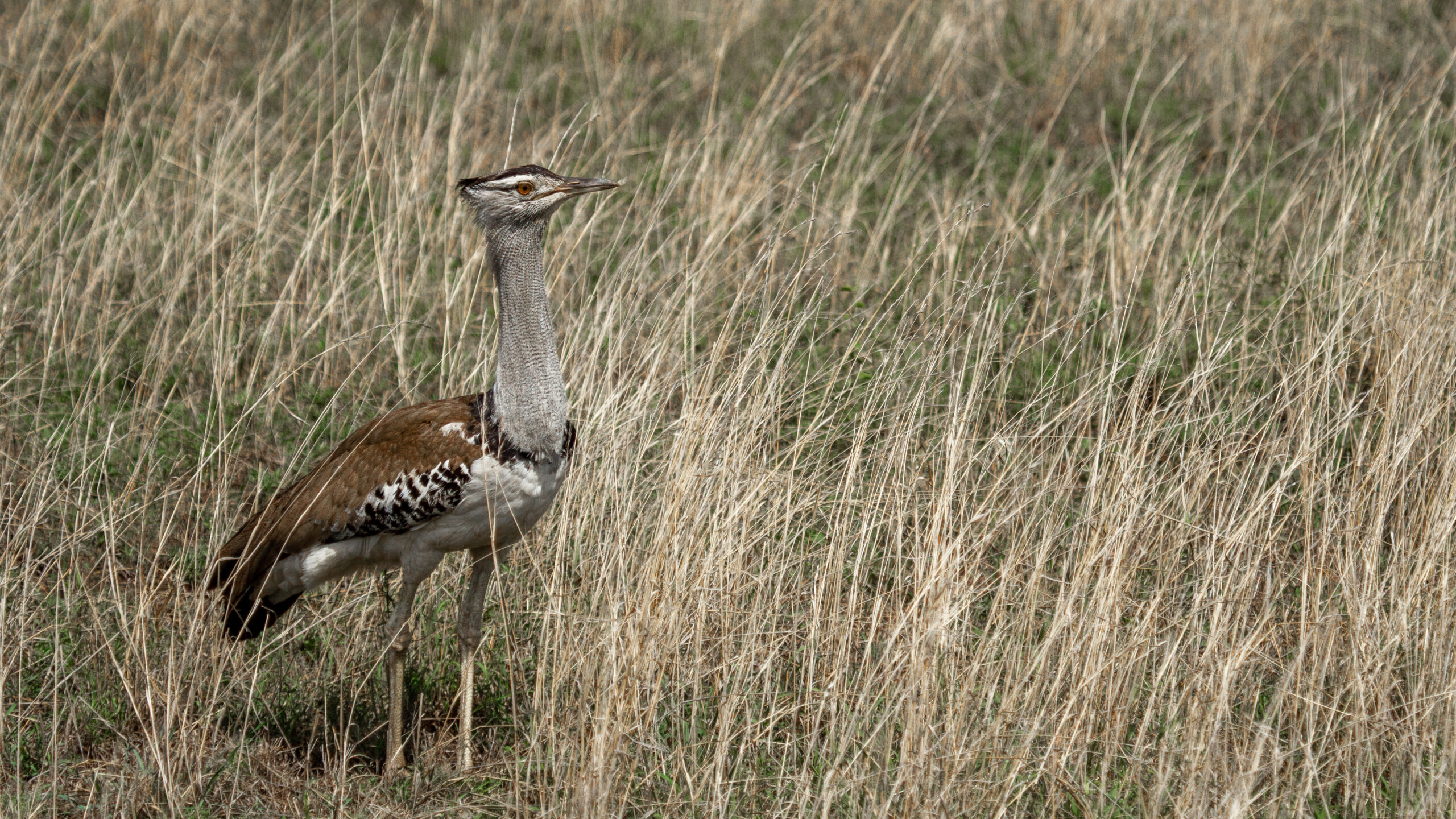
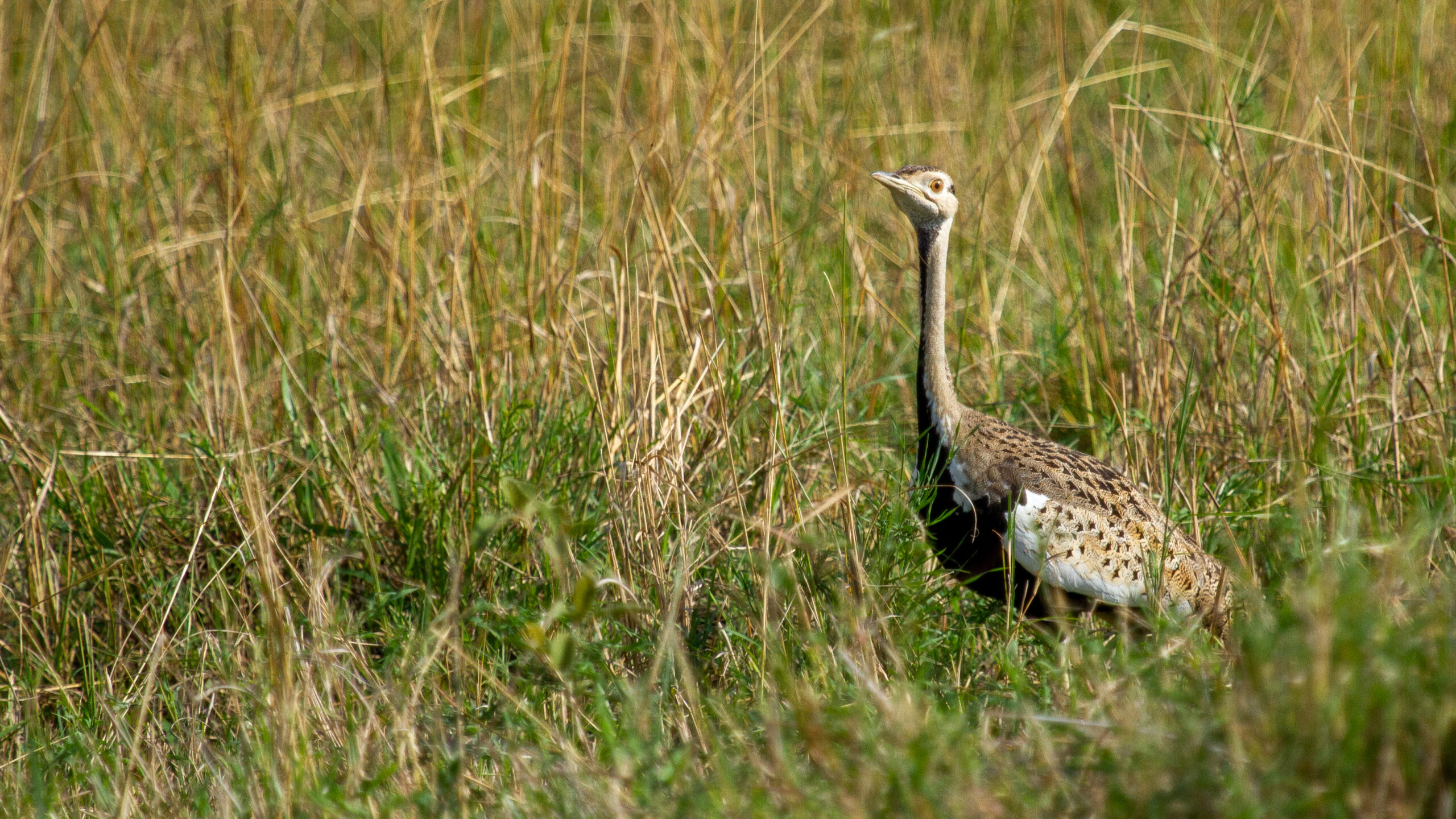
    I must be nuts clicking birds in Masai Mara. Some other guides and big five seekers would sneer / guffaw / politely curse under their breath when they realized that we had stopped for a (damned) bird, unless the bird was an Ostrich. Who stops for other birds, specially in Mara or Serengiti !!

    Well, big five draw big crowds and big bucks, but these lesser mortals too contribute to the entire ecosystem in their own ways and make the Jungle Book complete.

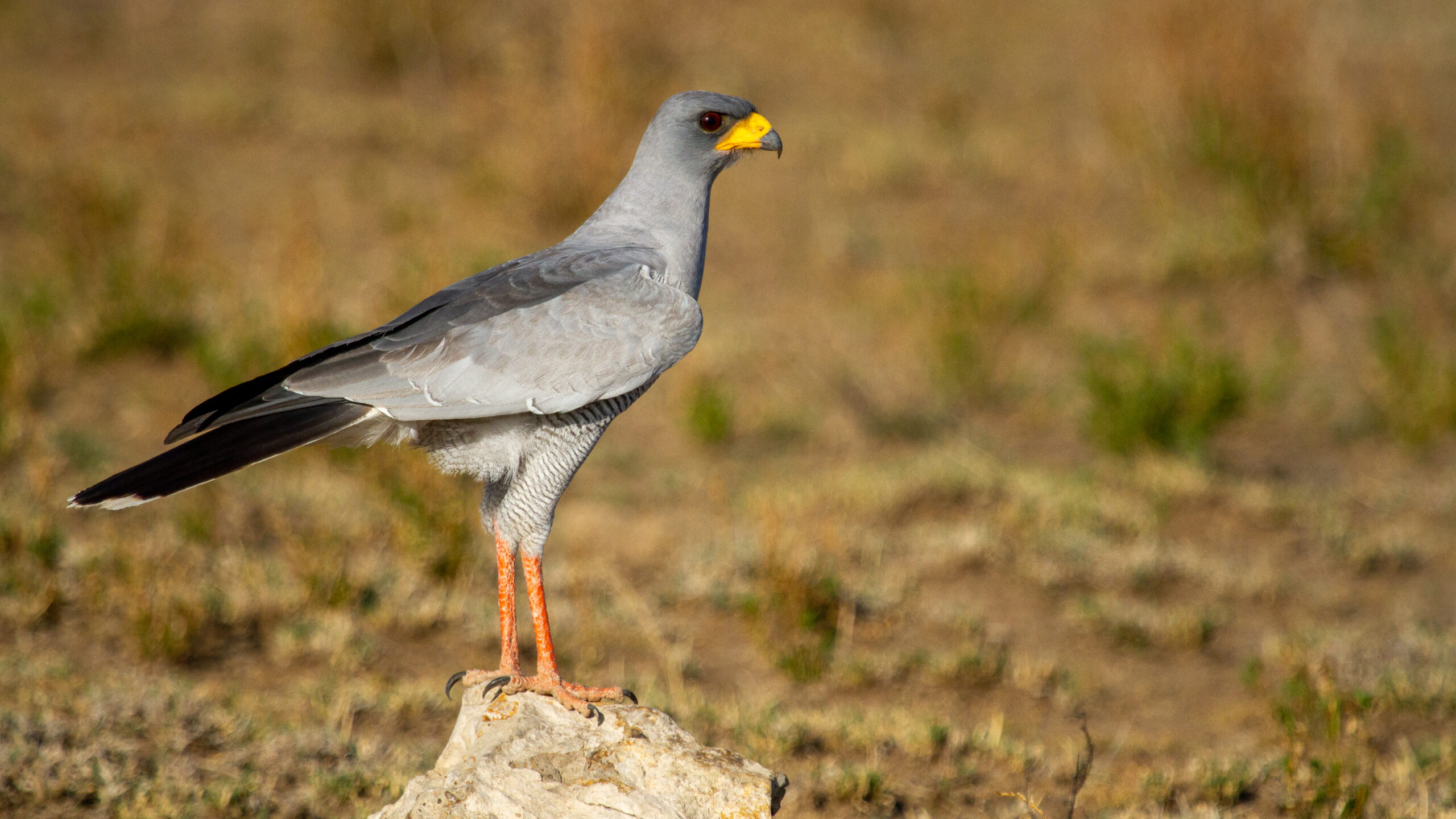
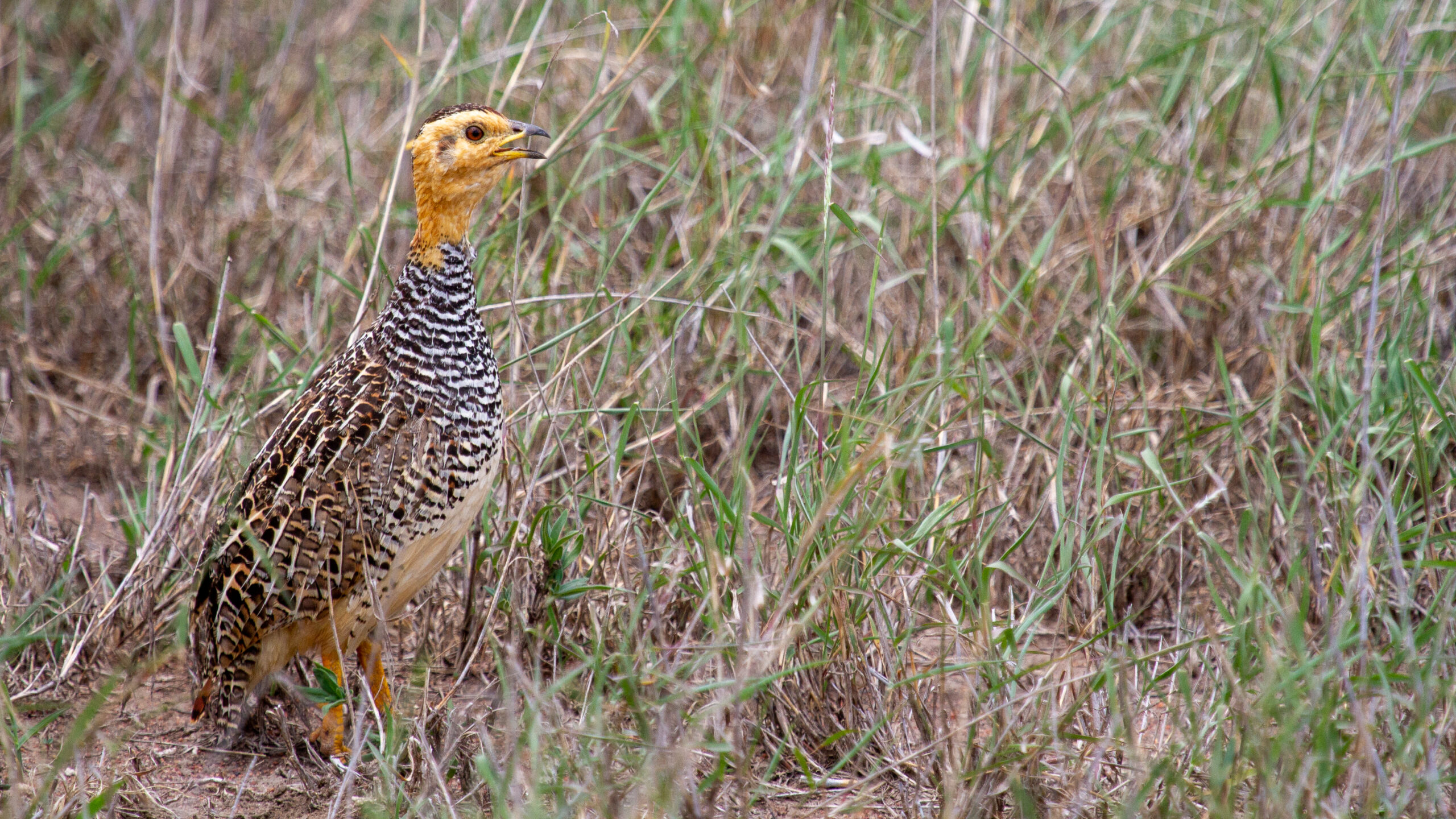
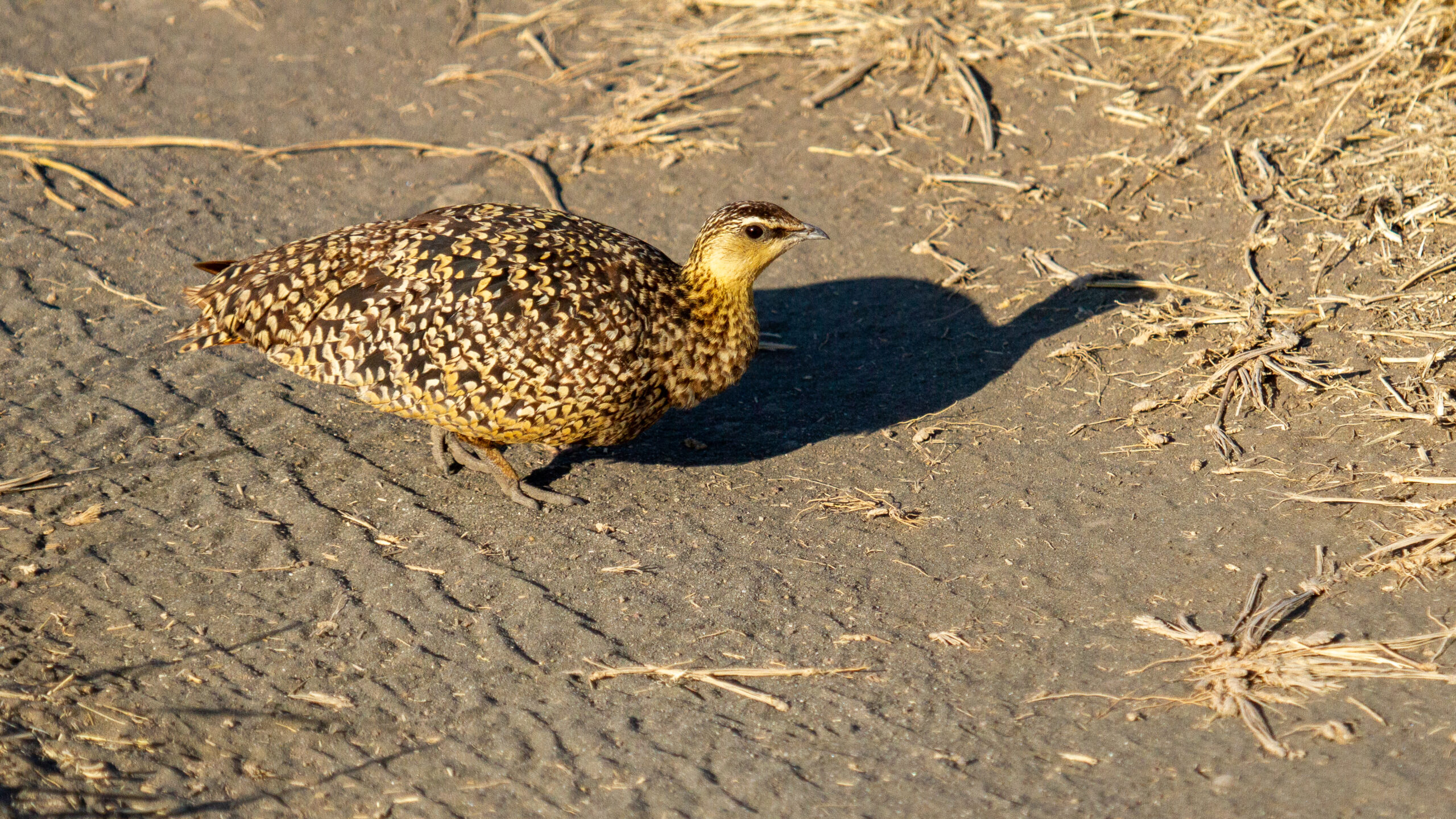
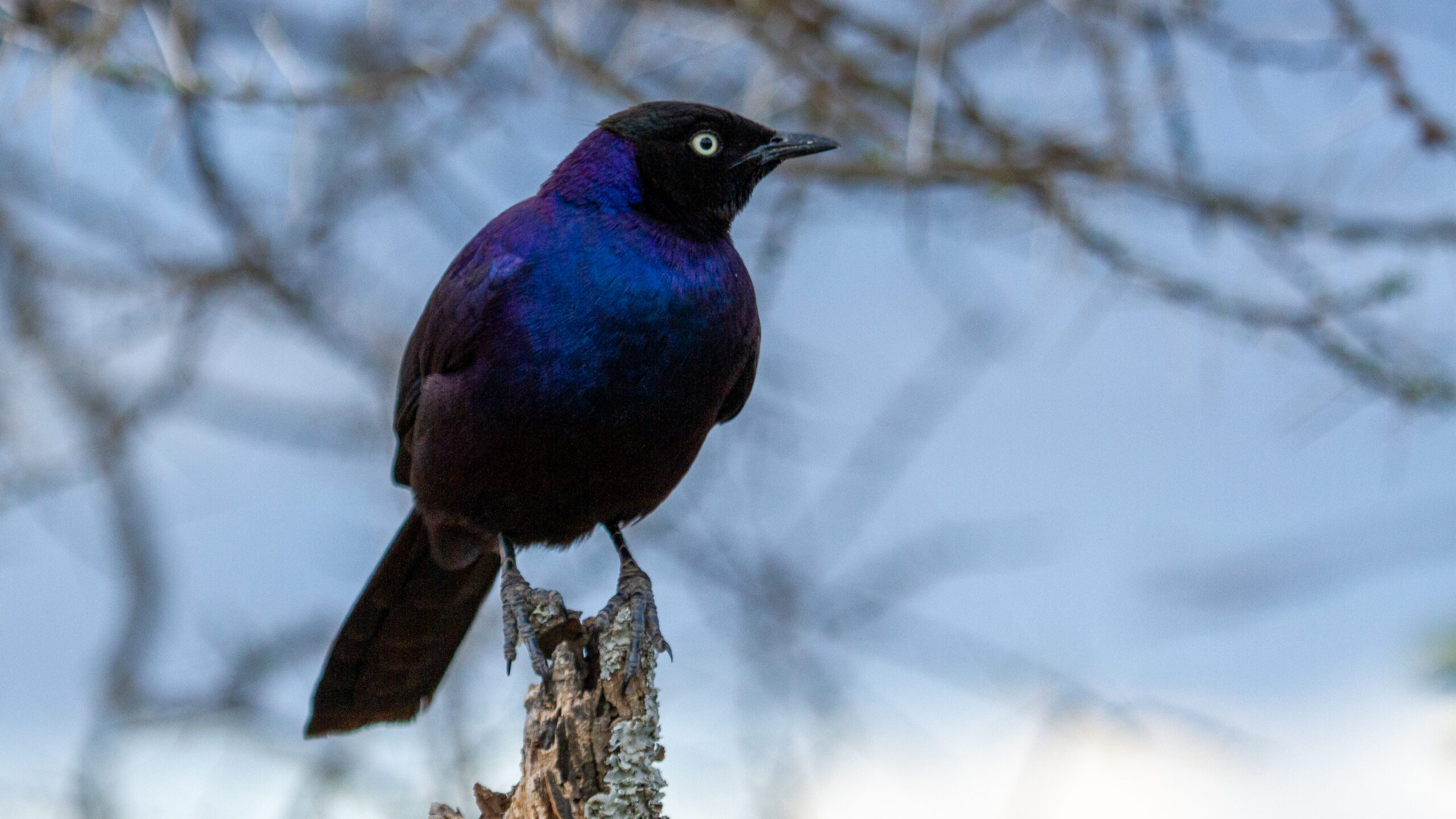
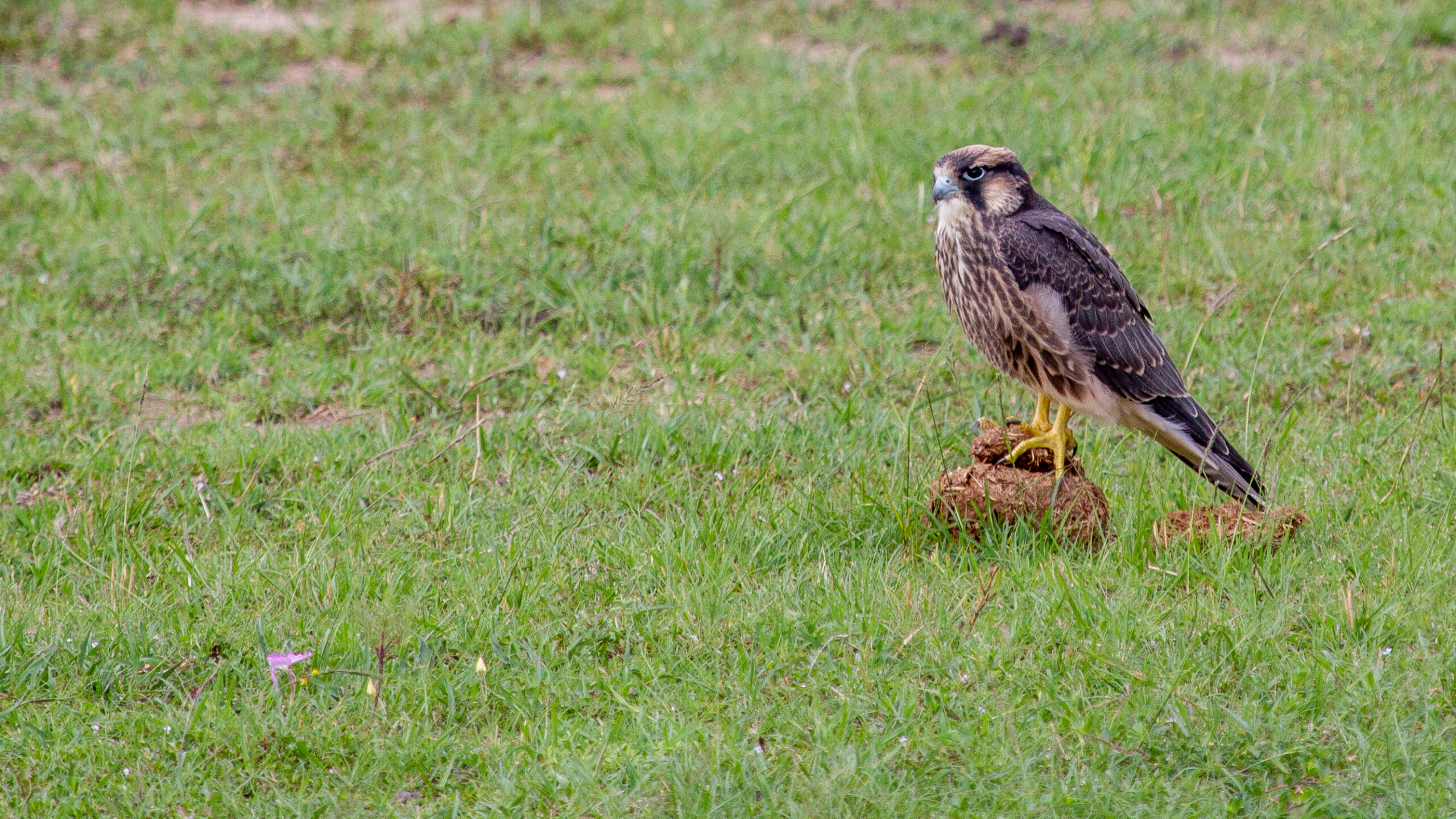
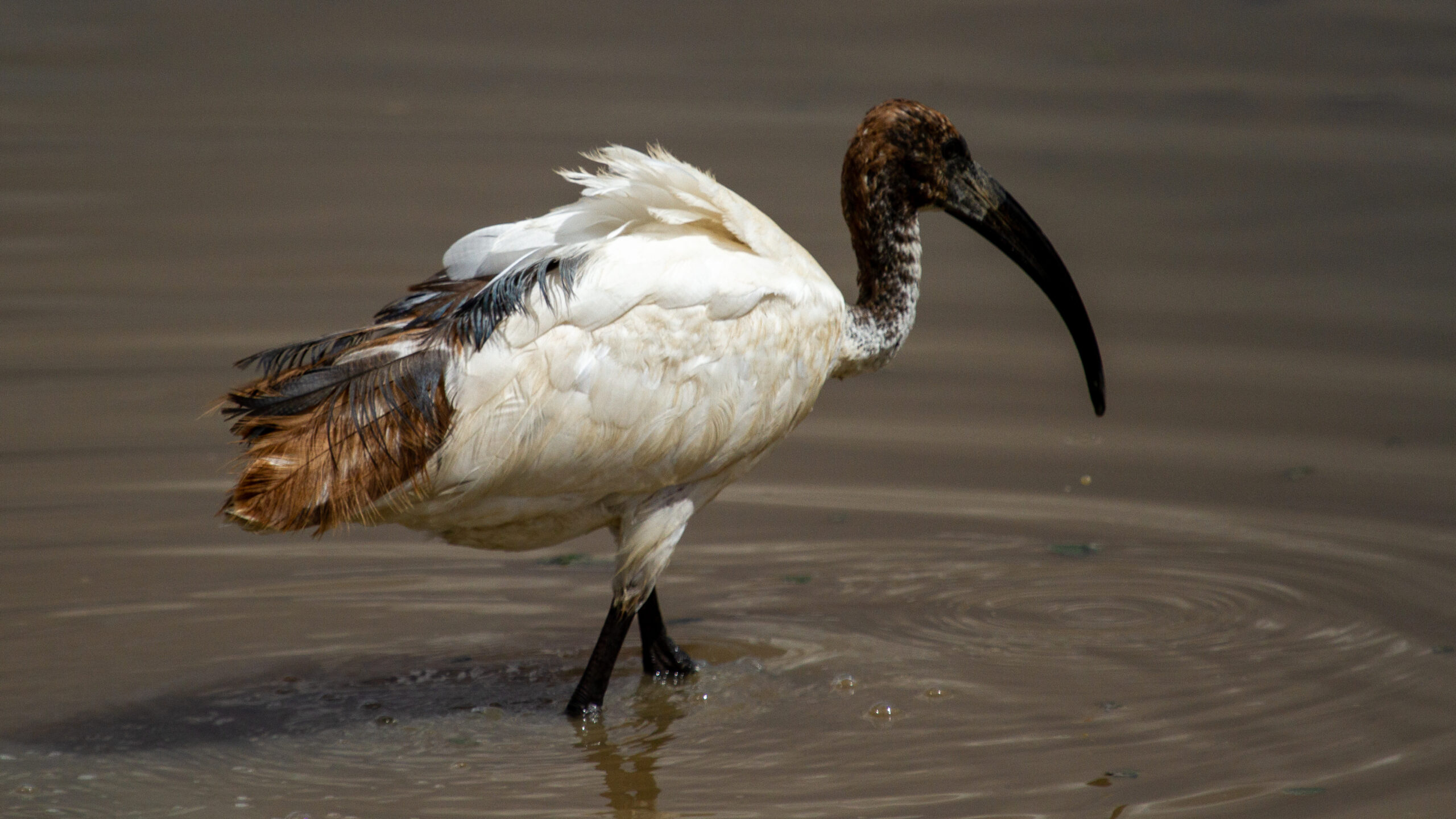
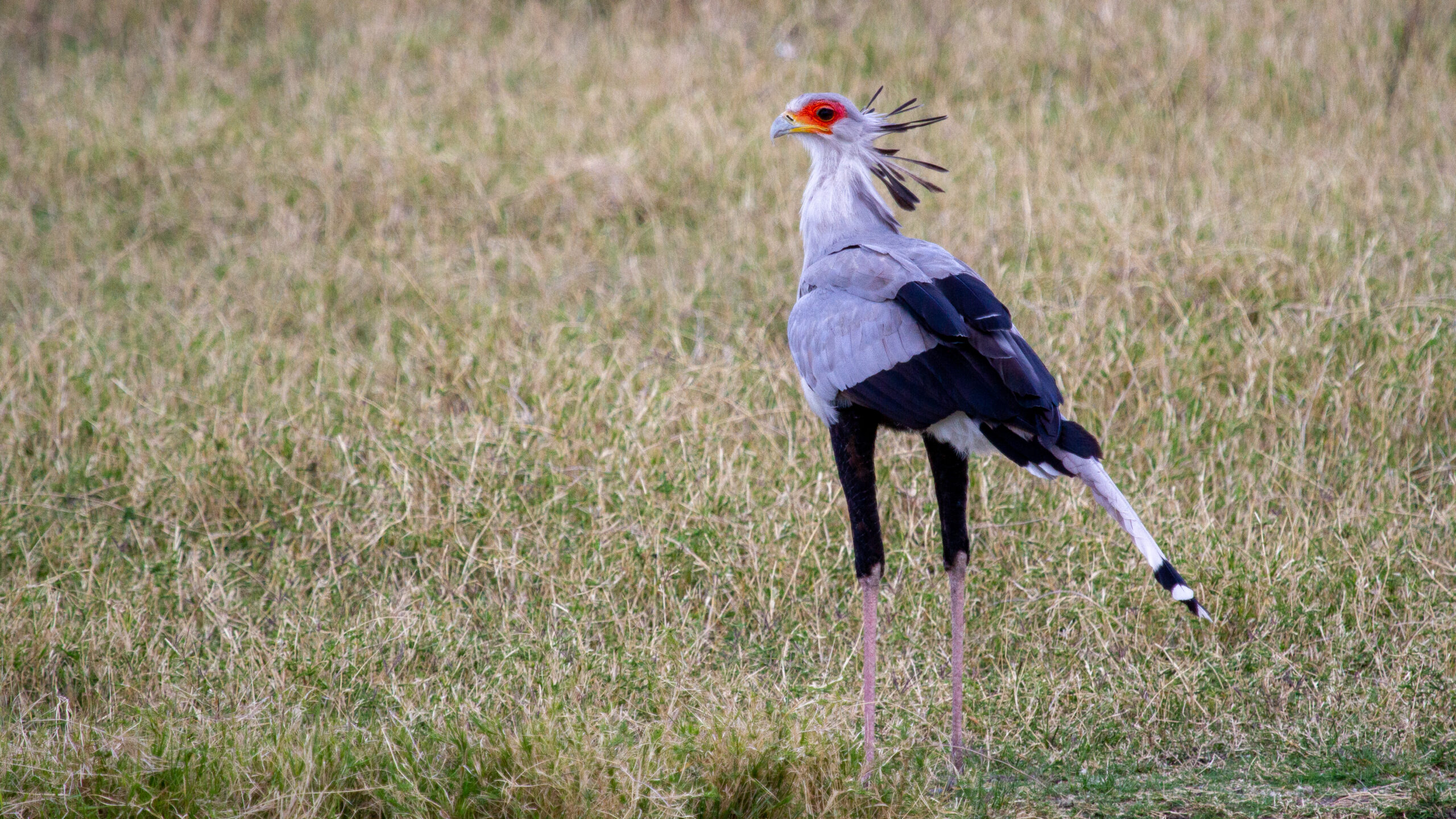
    Here are some birds from Msasai Mara (Kenya), Serengiti (Tanzania) and Ngoro Ngoro (Tanzania).

    Secretary Bird

    These are just a handful few which I was lucky to see. There are countless others, I am yet to see – next trip maybe. However, I do hope that you would enjoy watching the birds as much as a cheetah or a giraffe.

    Just in case you think that I totally skipped the big five, do spare some time for my other stories !

    Happy Birding !!