“The Earth does not belong to us, we belong to the Earth” – Chief Seattle
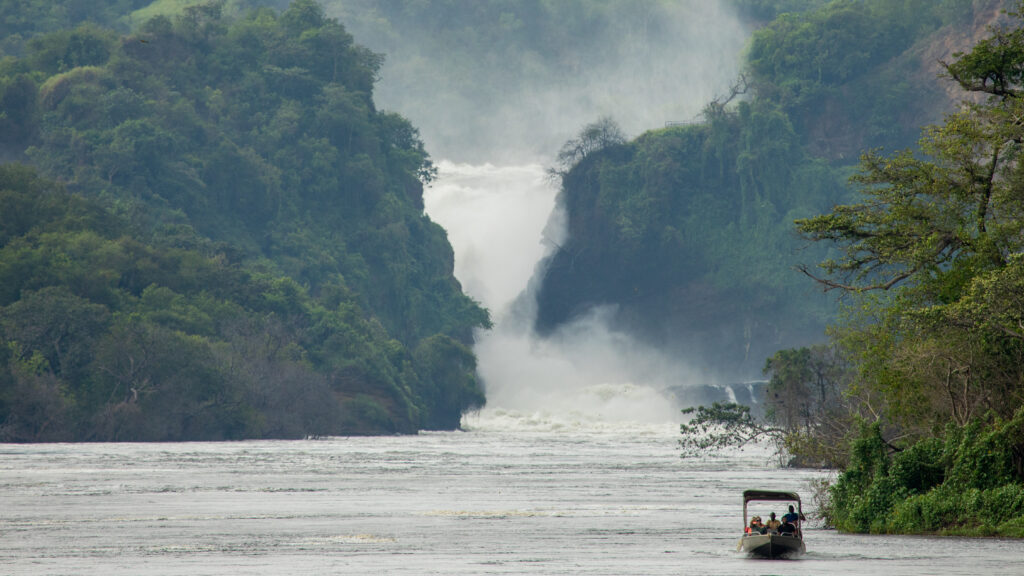
Murchison Falls National Park lies at the northern end of the Albertine Rift Valley, where the sweeping Bunyoro escarpment tumbles into vast, palm-dotted savanna. First gazetted as a game reserve in 1926, it is Uganda’s largest and oldest conservation area, hosting 76 species of mammals and 451 birds.
The northern section of the park contains savanna and borassus palms, acacia trees and riverine woodland. The south is dominated by woodland and forest patches.
The mighty cascade drains the last of the river’s energy, transforming it into a broad, placid stream that flows quietly across the rift valley floor into Lake Albert. This stretch of river provides one of Uganda’s most remarkable wildlife spectacles. Regular visitors to the riverbanks include elephants, giraffes and buffaloes; while hippos, Nile crocodiles and aquatic birds are permanent residents.
The savanna-dwelling patas monkey is only found here and in Kidepo Valley National Park.
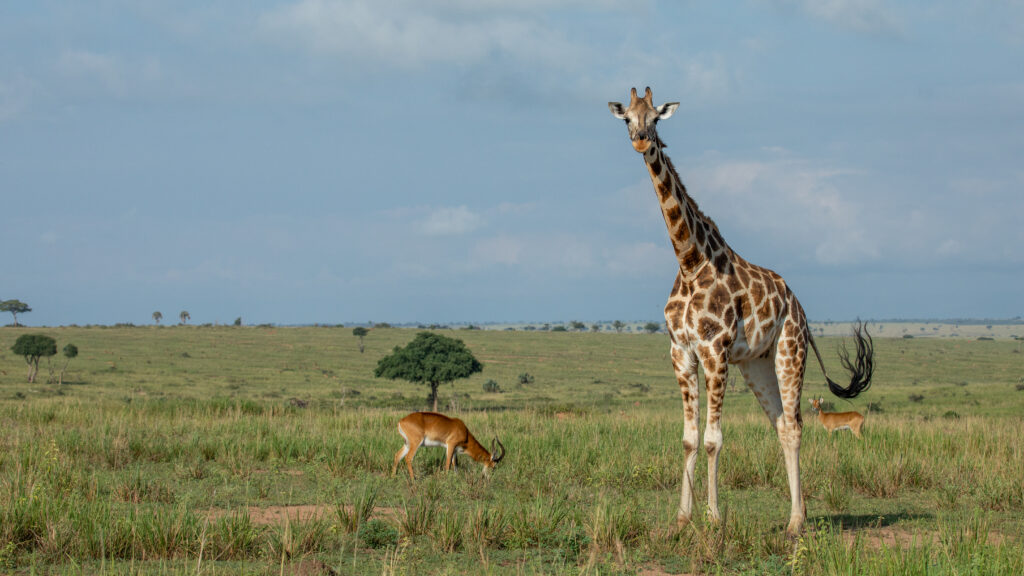
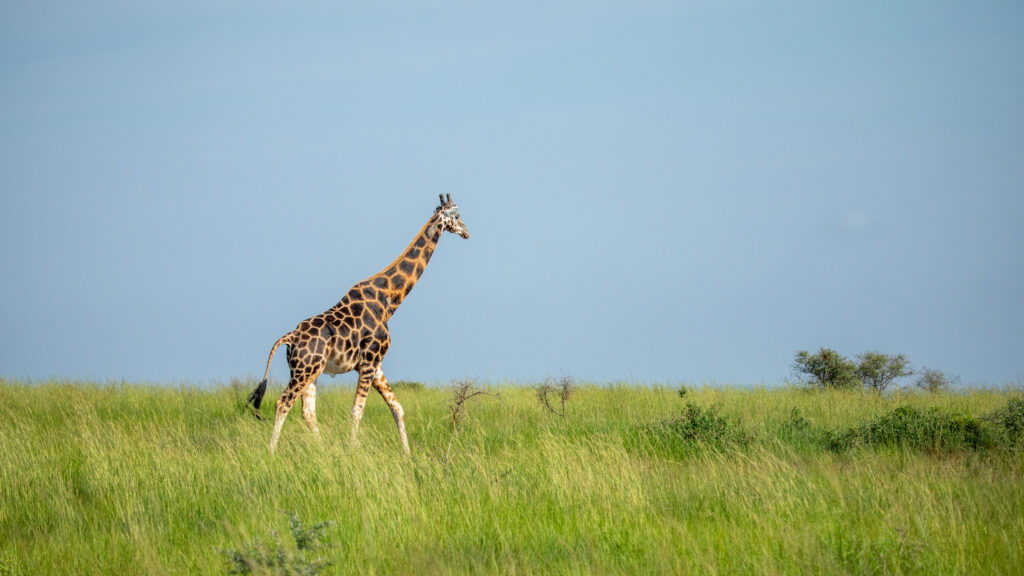
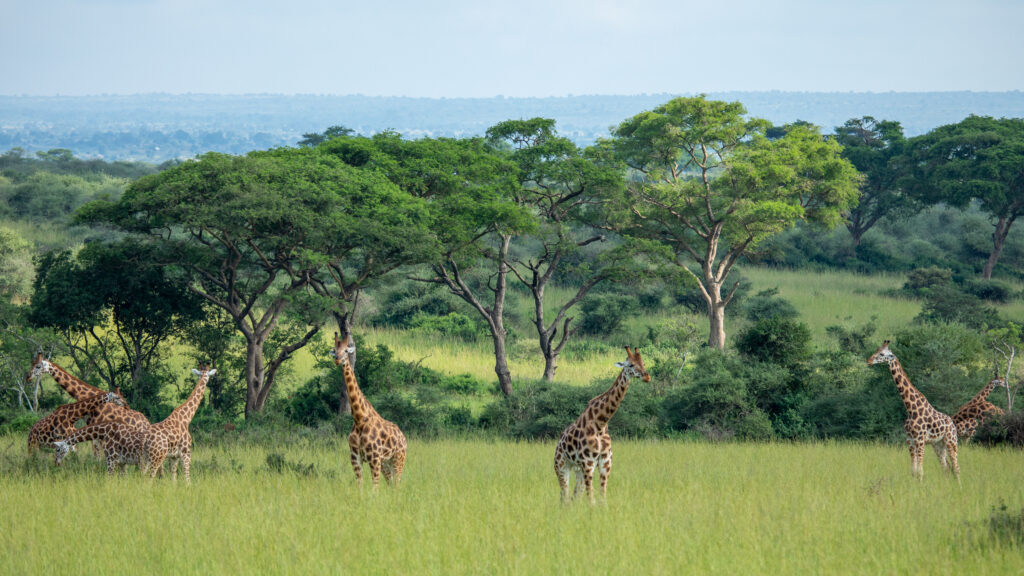
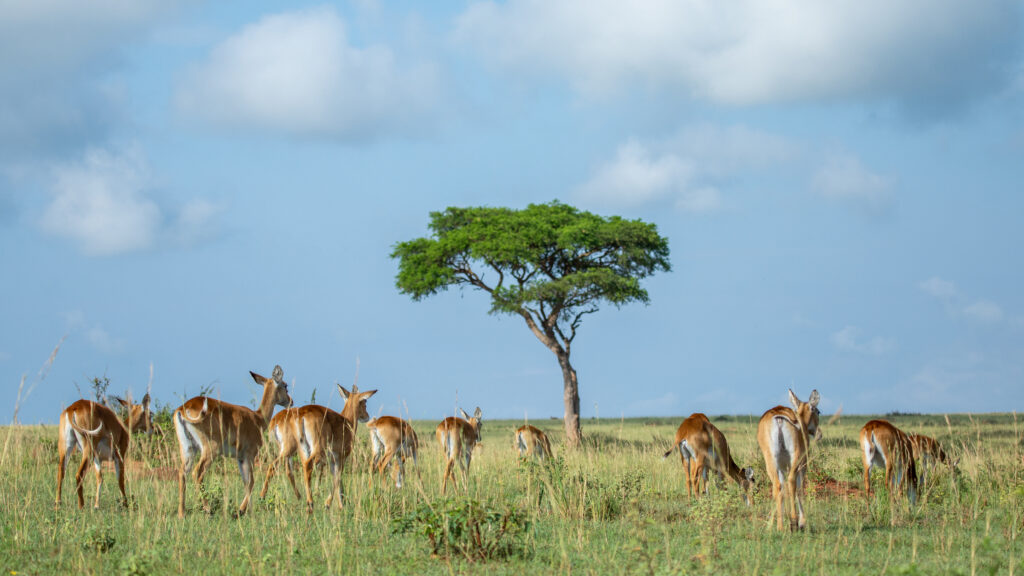
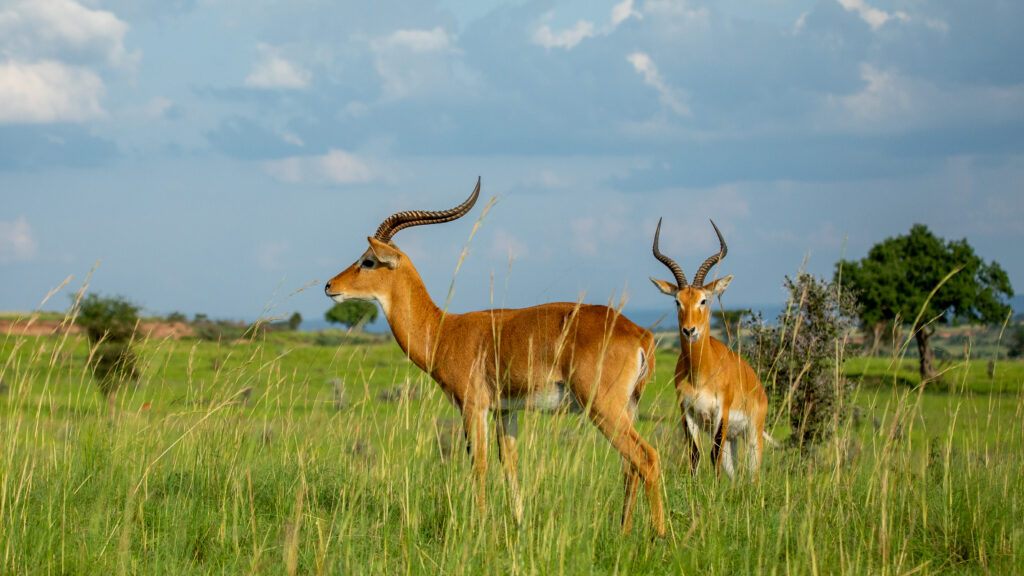
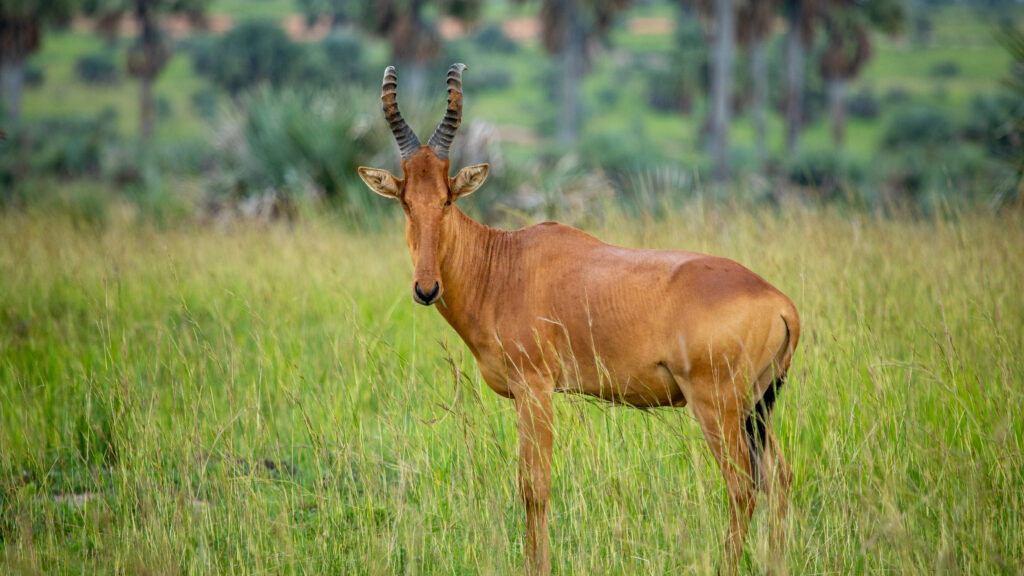
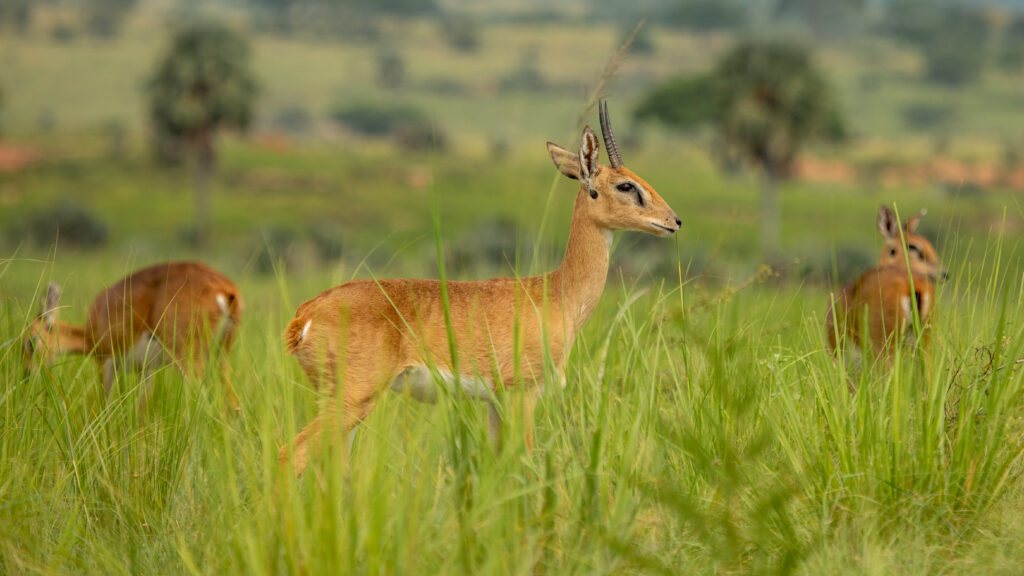
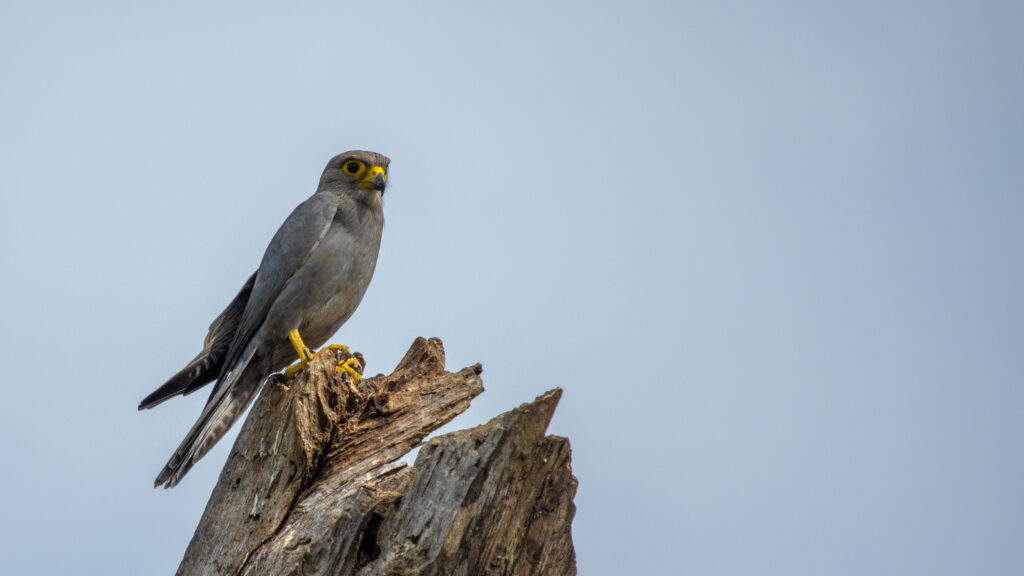
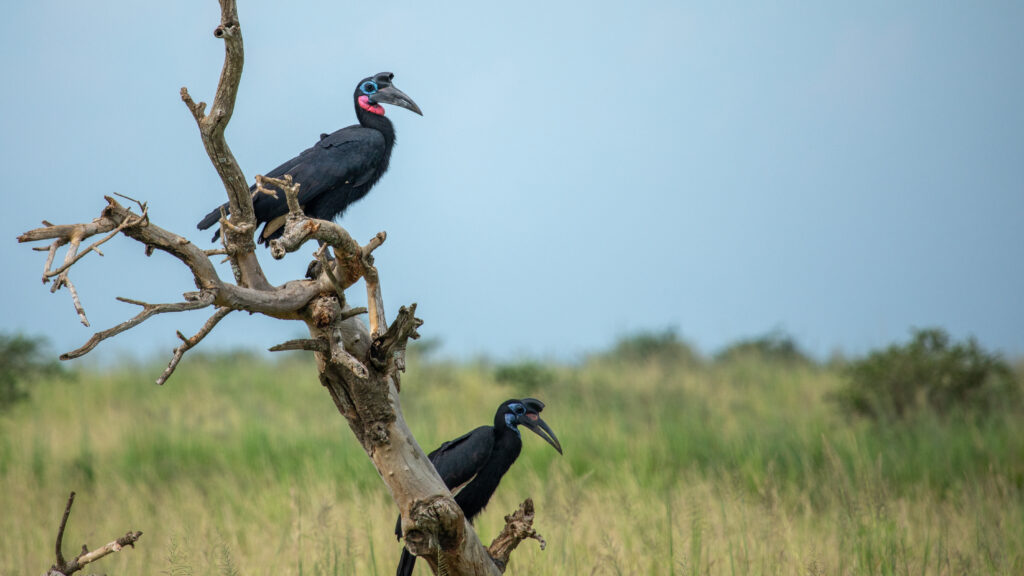
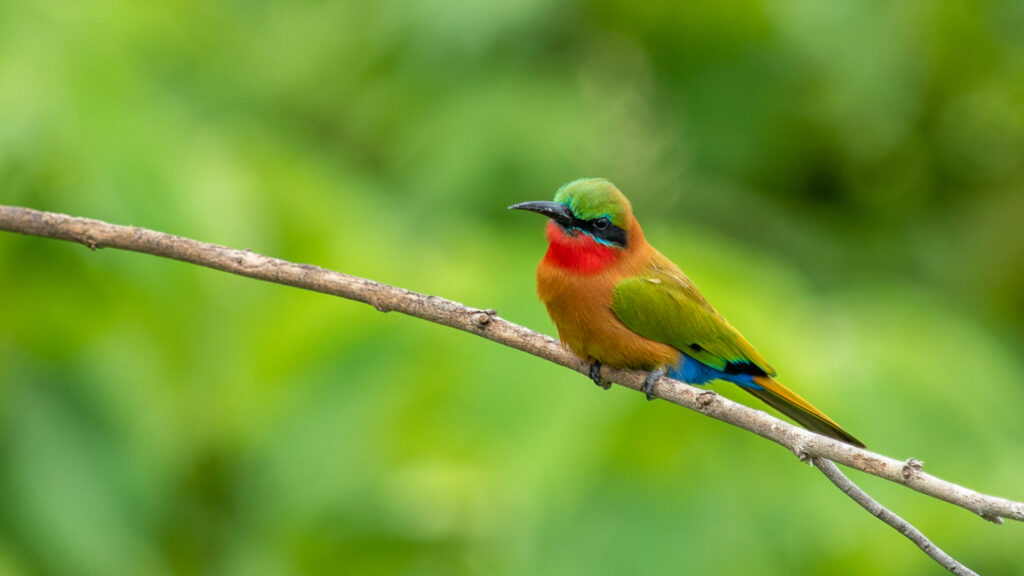
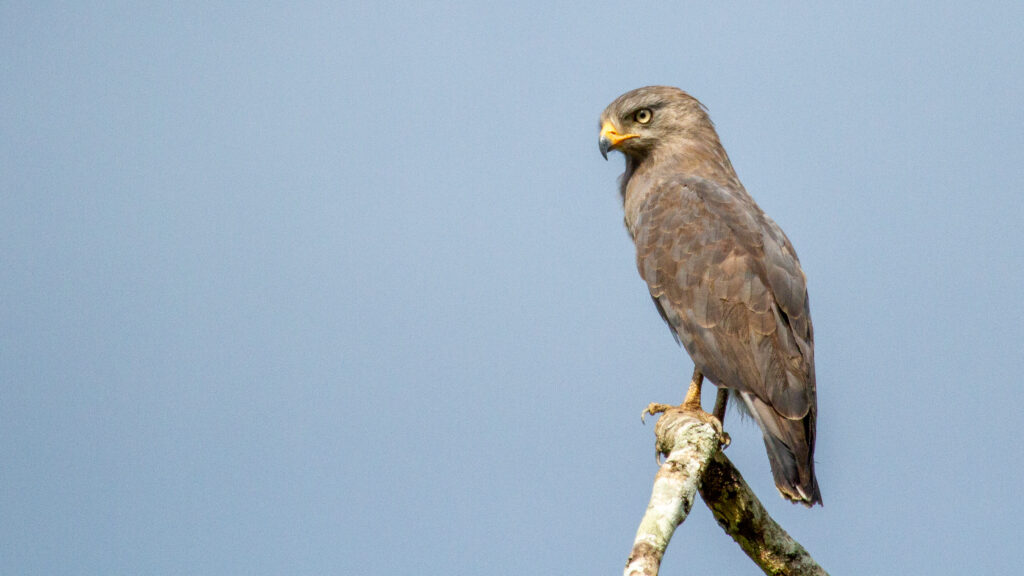
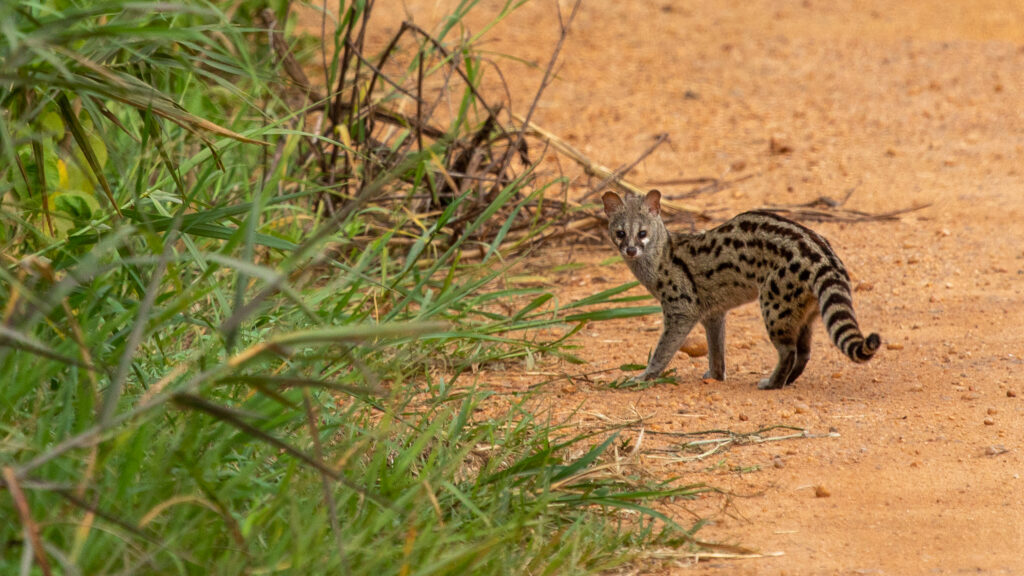
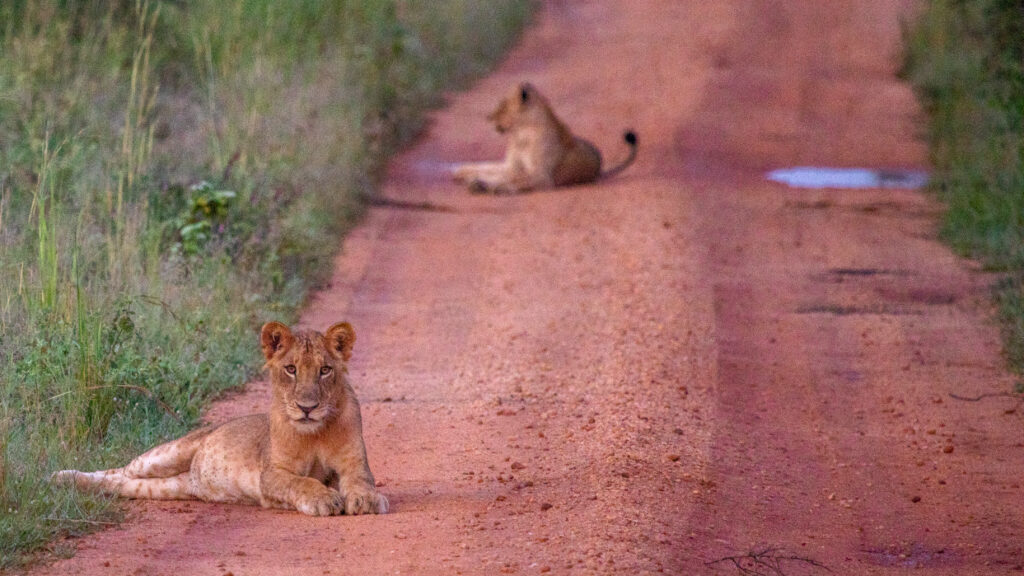
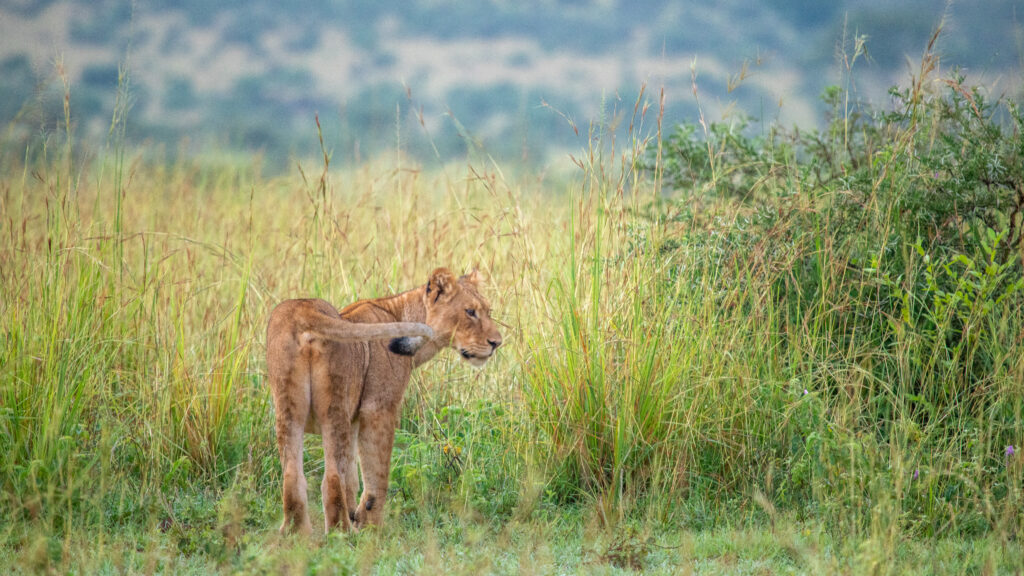
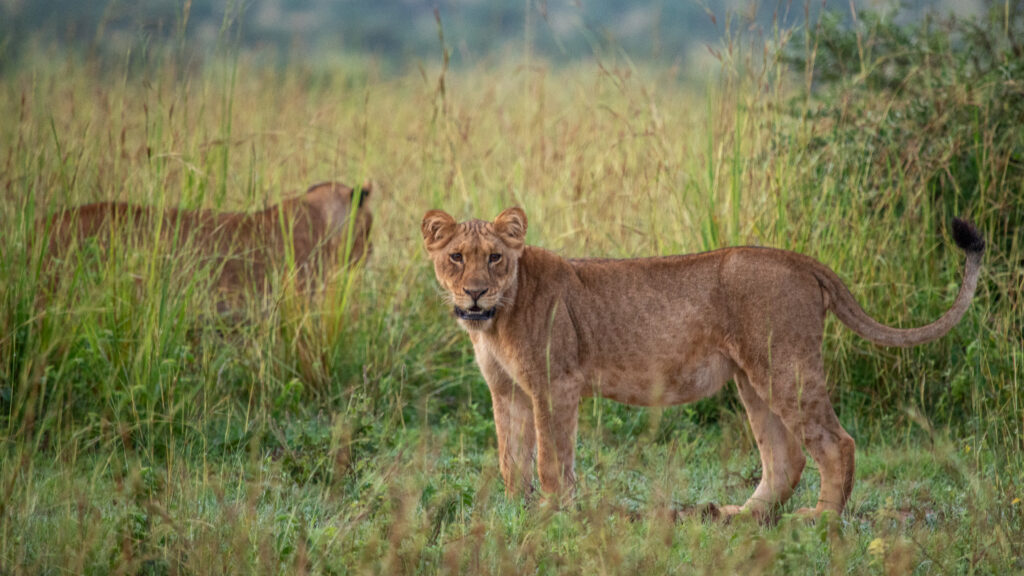
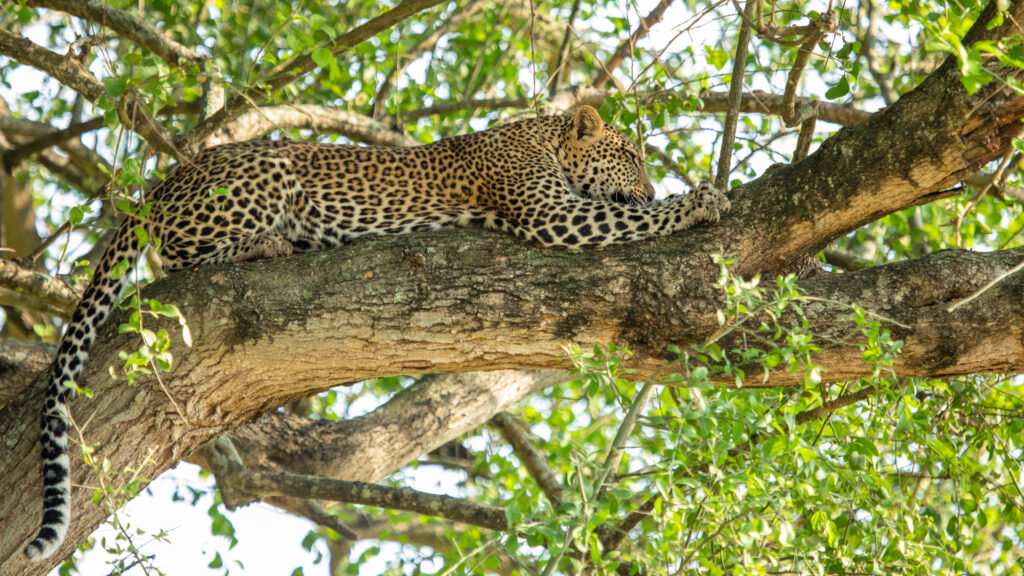
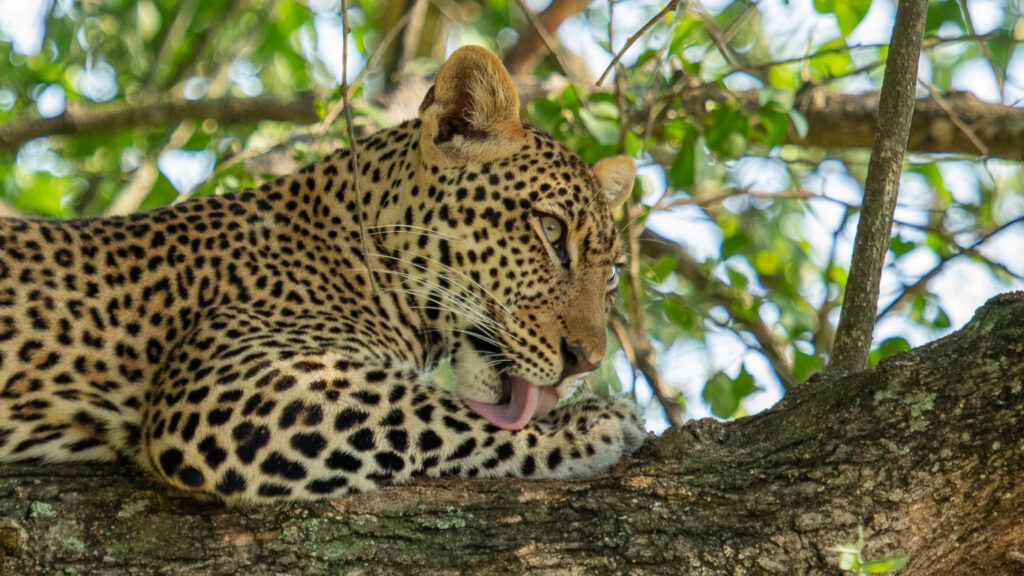
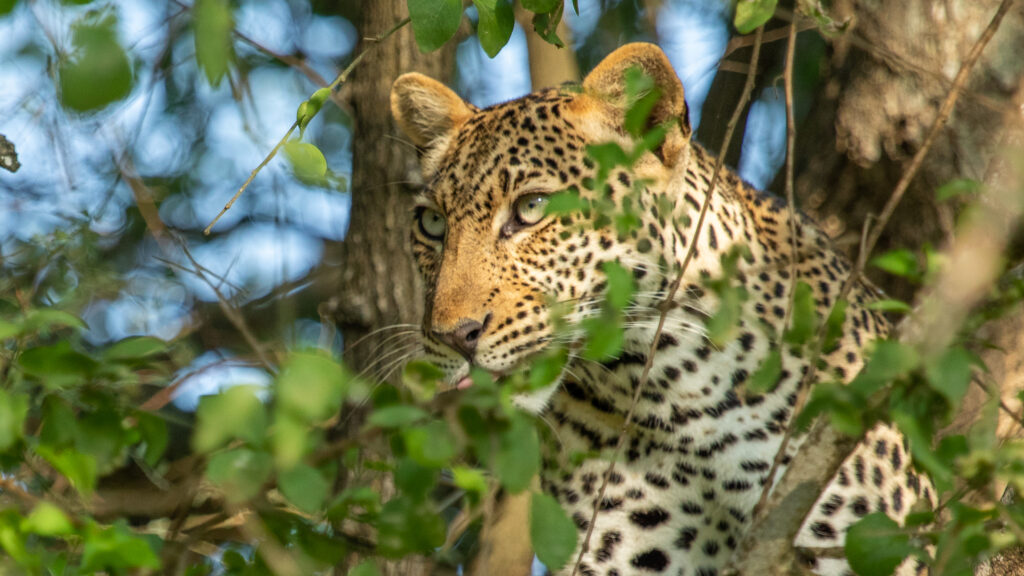
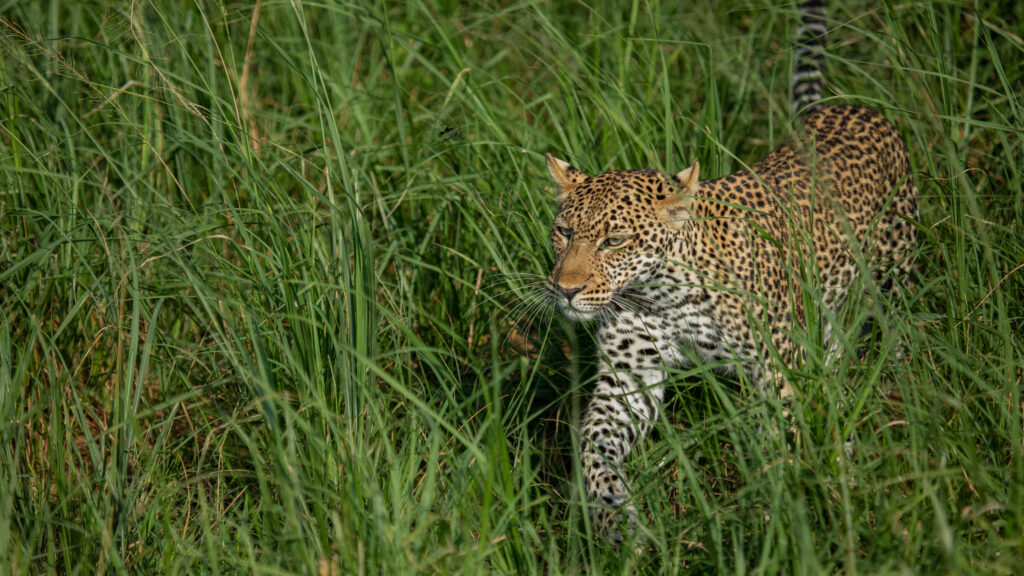
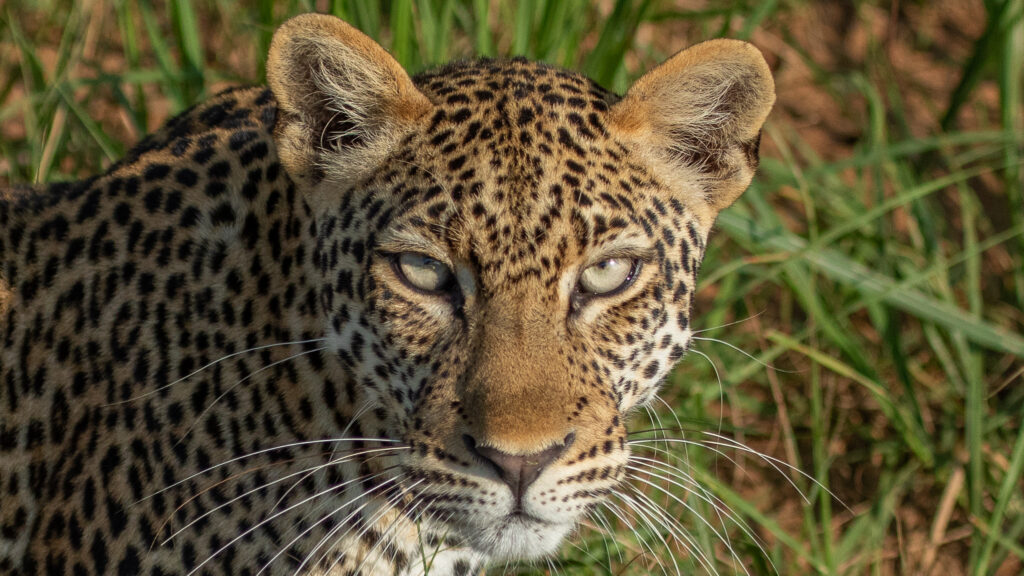
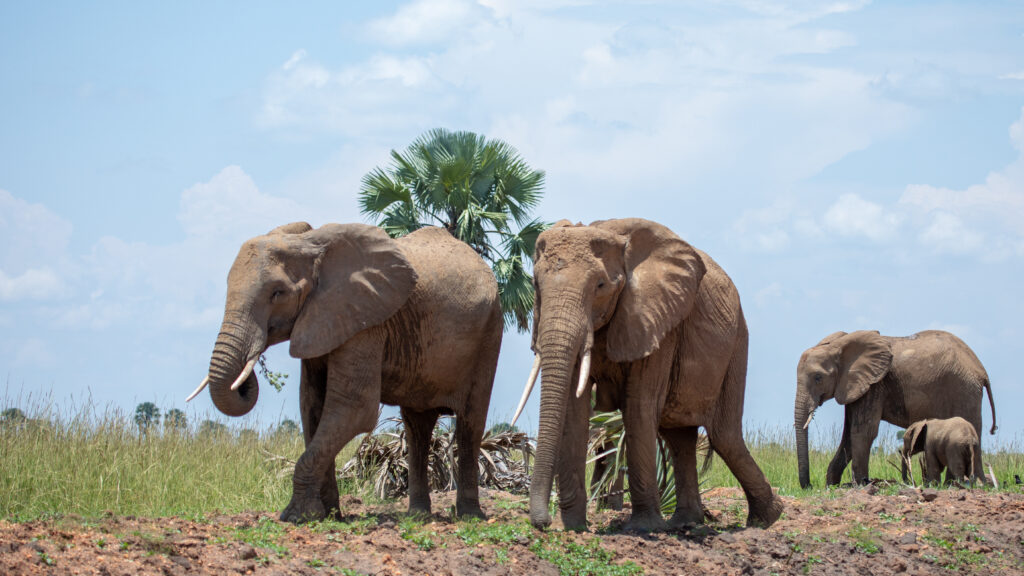
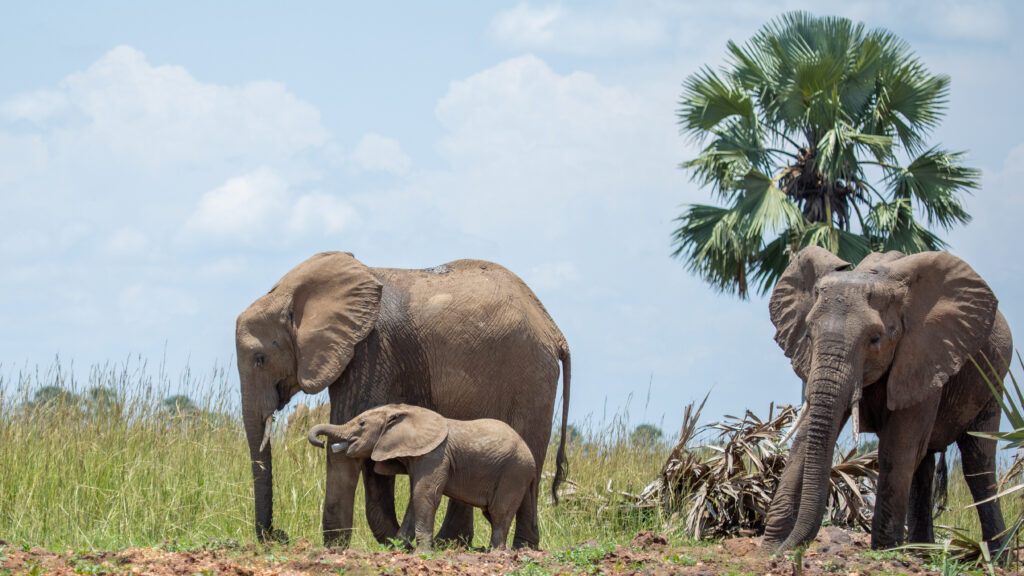
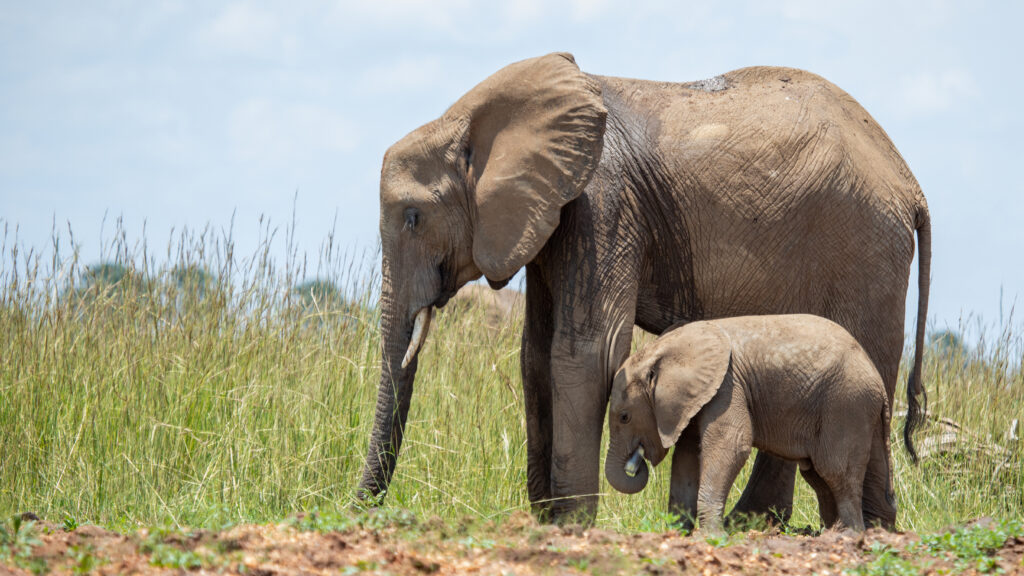
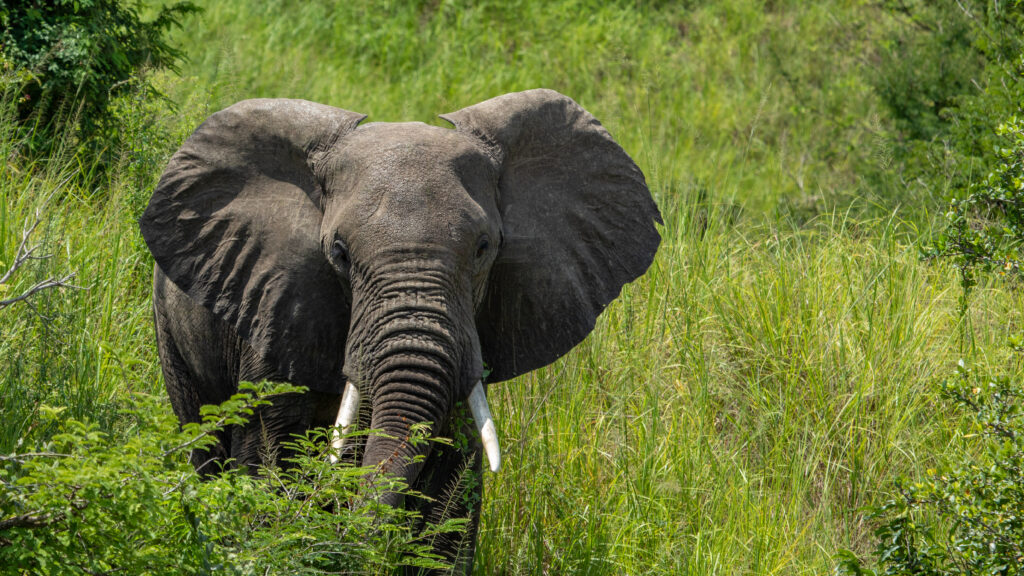
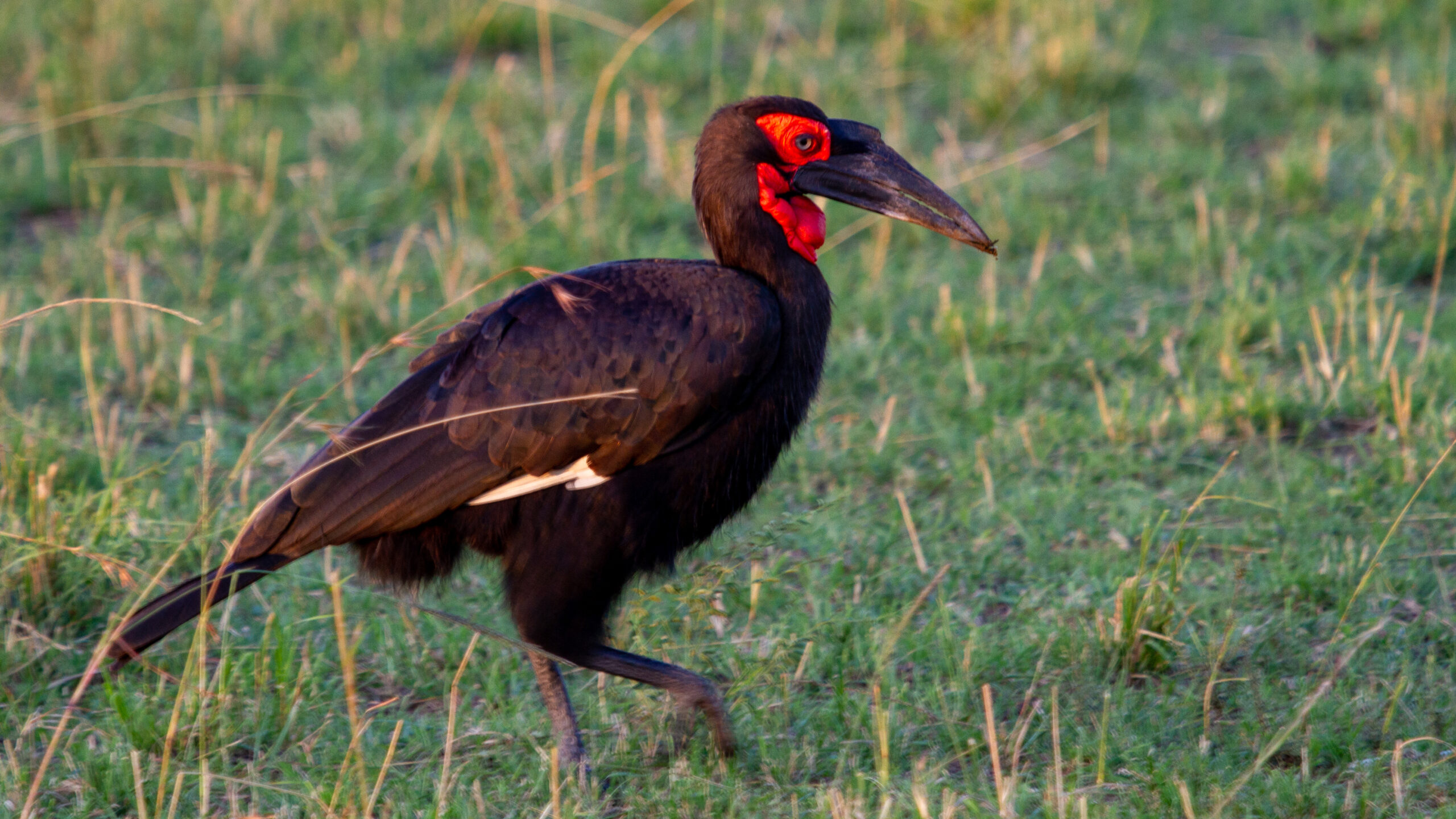
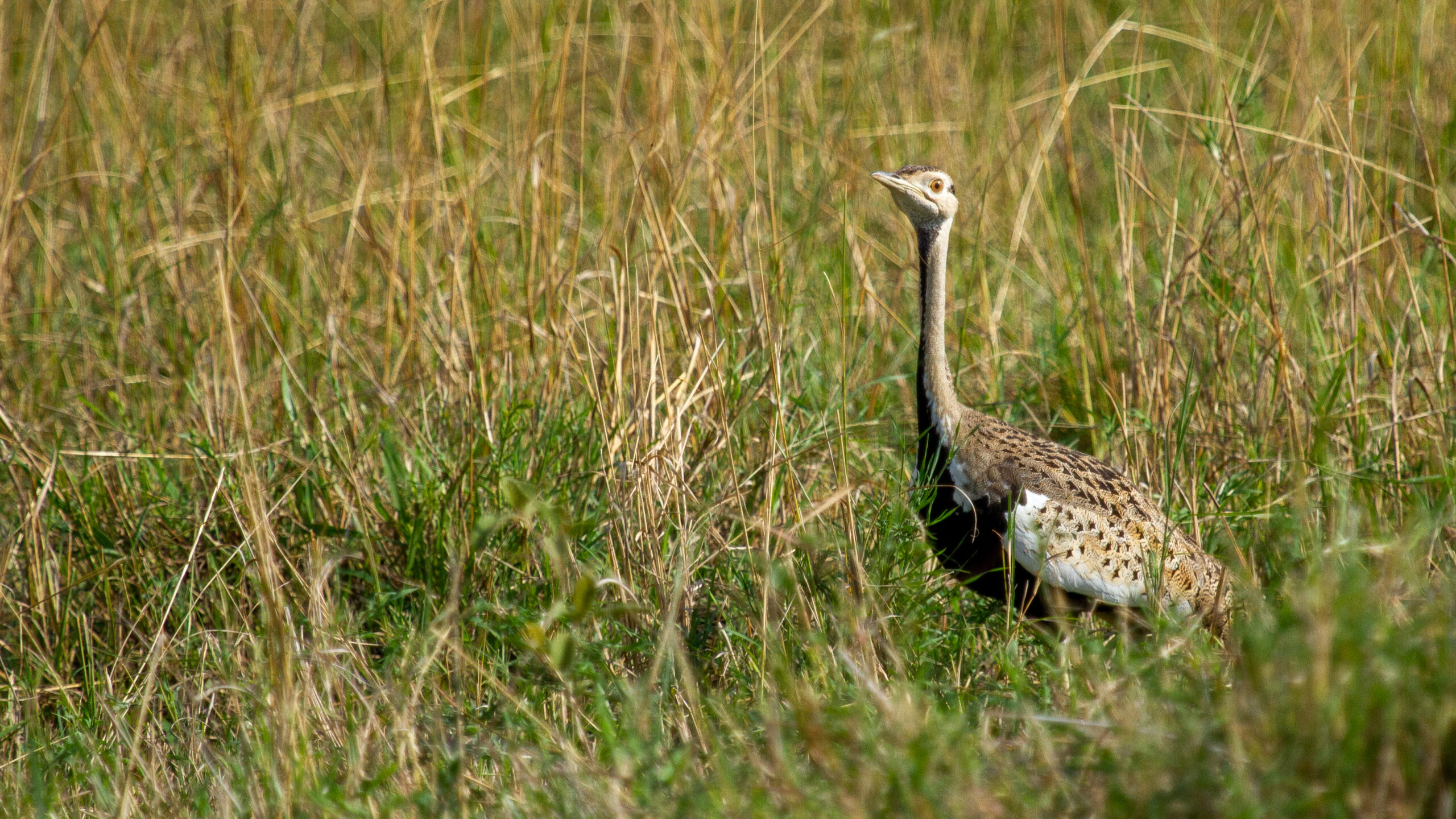
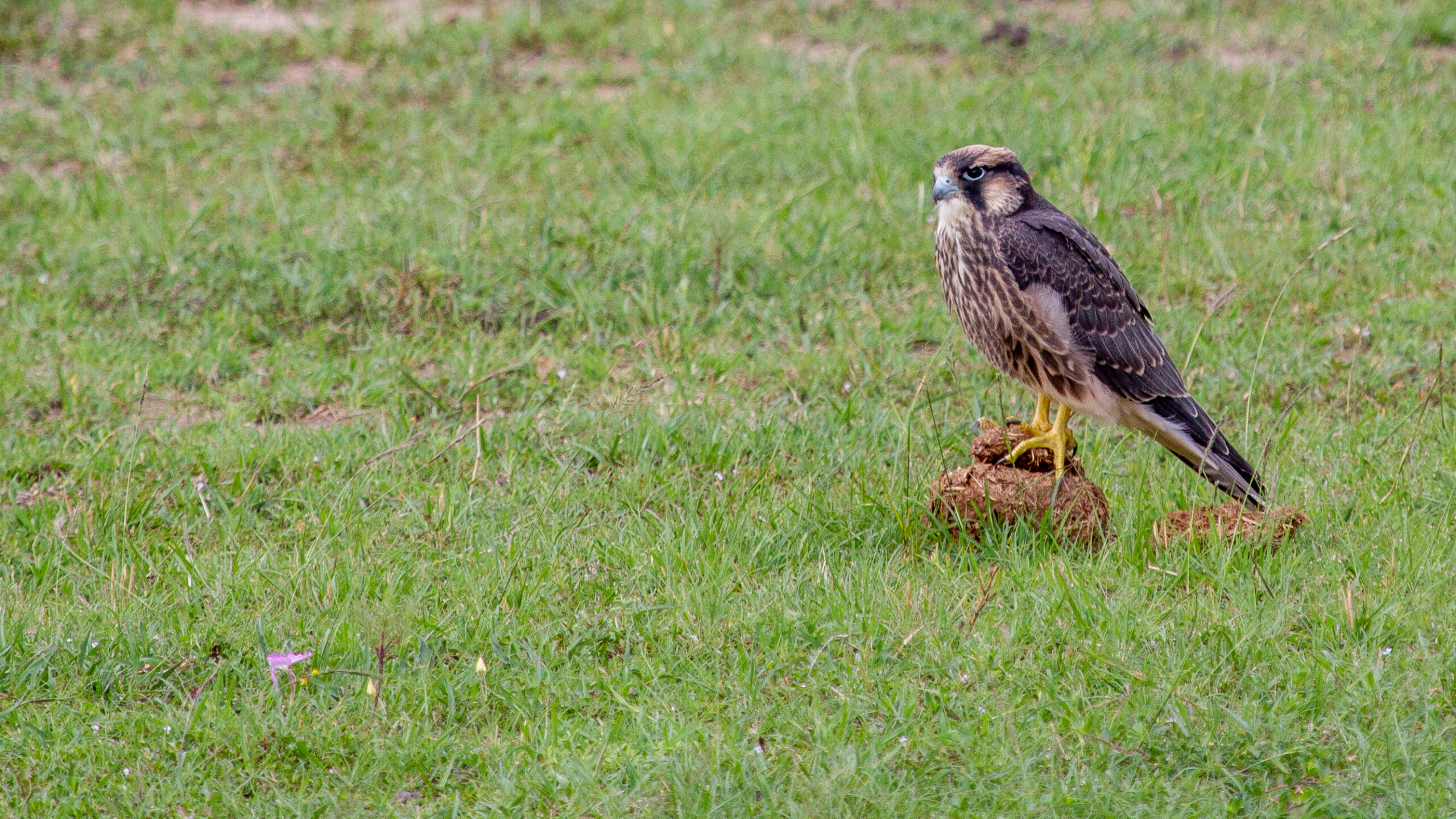
The Murchison Falls-where the Nile squeezes through an 8m wide gorge and plunges with a thunderous roar into the “Devil’s Cauldron”Lovely landscapes with these gentle giants and their other ungulate friends. The Giraffe on a Mission – wonder, what they think and why they do what they do?It is a treat to watch a tower / journey of giraffes ; I call them wild mobile towers (pun intended).A harem of female Ugandan KobesThe Alpha Male (Ugandan Kobe) and other young contenders nearbyJackson’s Hartebeest : also known as kongoni, Hartebeests are a large African antelope. Jackson’s Hartebeest is one of the 8 sub-species. These antelopes can weigh upto 200 Kgs. Males and females, both have the horns. It has a particularly elongated forehead and oddly shaped horns, short neck, and pointed ears. Form herds of 20 to 300 individuals. Once, found in abundance, their numbers have declined for all reasons human. Oribi : Male in the foreground. Horns distinguish the males from the females. It is a small antelope found in eastern, southern and western Africa. The oribi reaches nearly 50–67 centimetres (20–26 in) at the shoulder and weighs 12–22 kilograms. Typically diurnal, the oribi is active mainly during the day. Small herds of up to four members are common; males defend their group’s territory, 25–100 hectares (62–247 acres) large. Typically a grazer, occasionally engages in browsing.The Grey Kestrel. An African bird of prey belonging to the falcon family ‘Falconidae‘. Its shorter wings help differentiate it from very similar Sooty Falcon, whose wing tips almost reach the tail end at rest. It is a crepuscular bird, most active at dawn and dusk. It generally hunts from a high perch but occasionally hovers. It feeds mainly on insects, lizards and small mammals including bats, also hunt other birds, worms and amphibians. Prey is usually caught on the ground.Denham’s Bustard : A large bustard, It is a species of open ground, including agricultural land, grassland, flood-plains and burnt fynbos. It is resident, but some inland populations move to lower altitudes in winter. The common names for this species refer to the English explorer, Major Dixon Denham.Also known as Stanley bustard or Stanley’s bustard. The male is 9 to 10 kg and 100–116 cm, while the female is smaller.The Abyssinian ground hornbill or northern ground hornbill is an African bird, found north of the equator, and is one of two species of ground hornbill. It is the second largest species of African hornbill, only surpassed by the slightly largerSouthern Ground Hornbill. Above picture shows the male with a red collar and the female with a purely blue neck.A Red Throated Bee Eater. What a delight to see this bee-eater. The red-throated bee-eater has a wide distribution across tropical Africa, its range extending from Senegal and Gambia in the west to Uganda, southern Sudan, and Ethiopia in the east. The red-throated bee-eater is a colonial species, nesting in groups and remaining in the nesting area all year round. The nests are tunnels, excavated before the ground dries after the rainy season, the colony having up to about fifty nests. The diet of these birds consists mostly of honey-bees and stingless bees, as well as other insects.The short-toed snake eagle (Circaetus gallicus), also known as the short-toed eagle, is a medium-sized bird of prey. Spread over a wide range. This is an ‘Old World’ species found throughout the Mediterranean basin, into Russia and the Middle East, and parts of Western Asia, and in the Indian Subcontinent and also further east in some Indonesian islands.A Common Genet. An agile, omnivorous, opportunistic animal which lives on ground as much as on the trees. It also feeds on plants and fruits occasionally. Normally solitary, except while mating and with off-springs. normally has a litter of five. Was lucky to find this one looking around leisurely along the path. Stayed around for 15 to 20 minutes. The eureka moment at 0630 h, we were the first ones to enter the reserve. found six to eight young lionesses resting on the track (the grass was all wet with rain). The moment they heard the vehicle, they started to move into the grass. Lucky that these two stayed long enough for me to pick up the camera.One of the lionesses – thinking !!Two more lionesses from the same group as above.The best ever sighting of a leopard for me. It was a treat to see this young leopardess leap out of the tall grass and onto the bark of this tree. It was fascinating to see all the motions and actions including pulling at the bark to clean the claws. It was the most exciting times to see this Leopardess. Young, primed and promising !!The queen of the grasslands !!Looks squarely into my eyes. The gentlest of the giants came along. and then I saw the most heart wrenching scene – the young one was trying to push the empty plastic bottle down its throat. The elders were oblivious or had no clue about it. I watched helplessly and my query to our guide also brought in a quiet response – there is nothing that we can do about it.Guess, my prayers were answered (quickly). The young one dropped the bottle and moved on. Another pachyderm : A young male alerted by our presence !!
Murchison Falls national reserve was definitely a great place to visit with herds of wild animals still moving about freely. However, one can see the roads and tracks being built and cutting across the paths of these gentle creatures, who know nothing of human compulsions. I only hope the traffic remains within limits and there is enough for the man and the animals to survive together.
Lets persevere and preserve whatever little is left of our planet !!
A field collection of birds encountered across East Africa—portraits, behaviour and moments observed in their varied habitats.
The first collection
“In order to see birds, it is necessary to become a part of the silence.” ― Robert Lynd
East Africa, comprising of Kenya, Tanzania, Uganda, Rwanda and Burundi is home to approximately 1388 bird species, some unique, edging towards bizarre and endemic to the region. Since this region is home for me now – I am starting a series of posts to keep a good record.
There are 27 pictures below. You may find, leaves and foliage covering the bird in some pictures. Well, I like to keep and present, as I find them in their natural habitat, without much editing. Hope you enjoy that too. (To see a larger picture , click on the images below. Best viewed in a PC / Tablet).
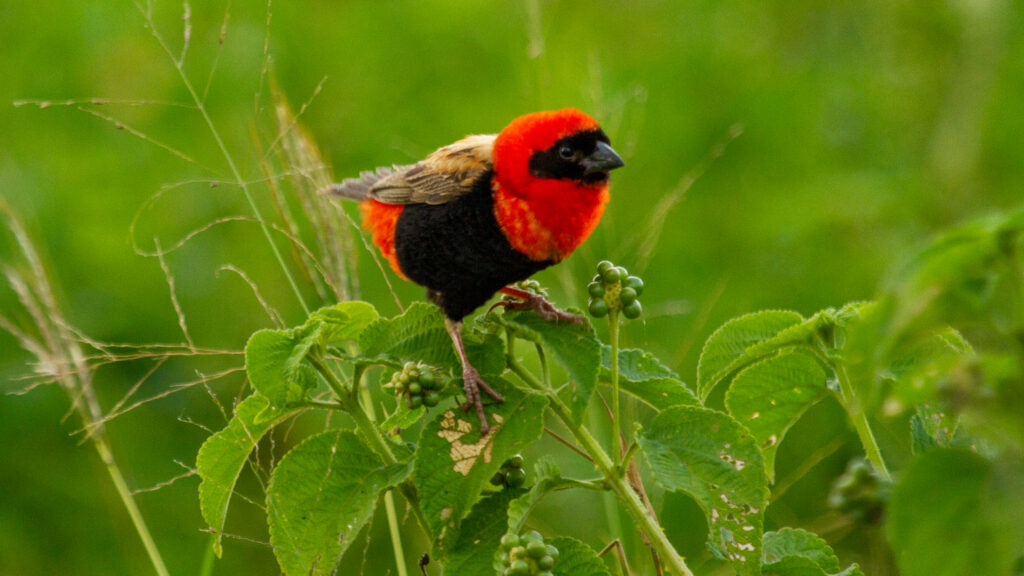
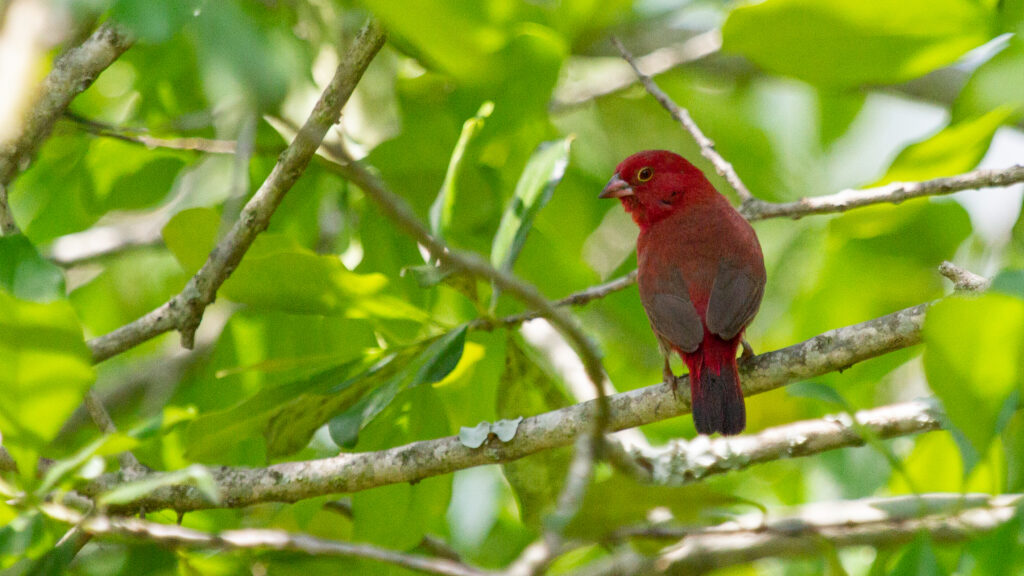
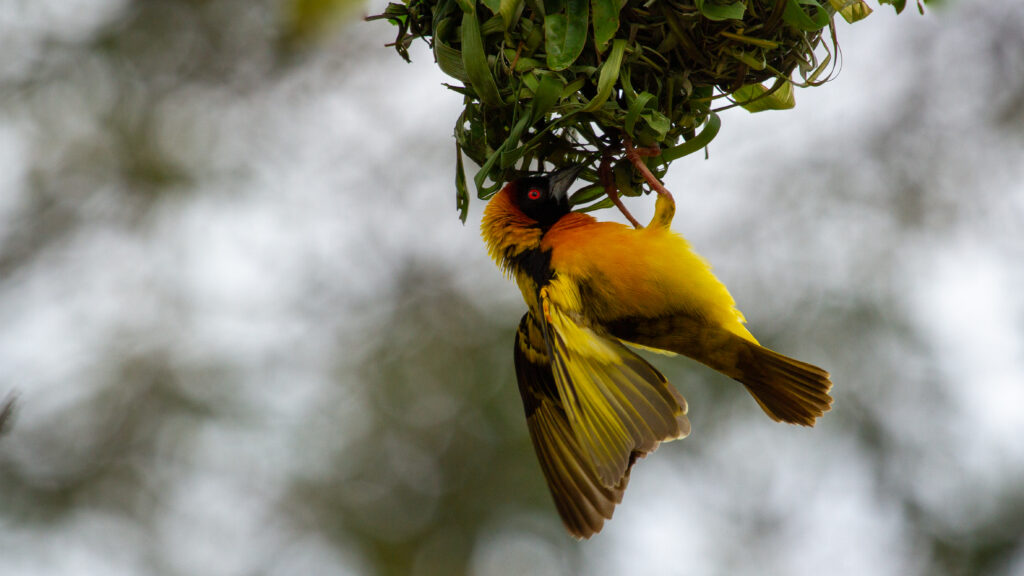
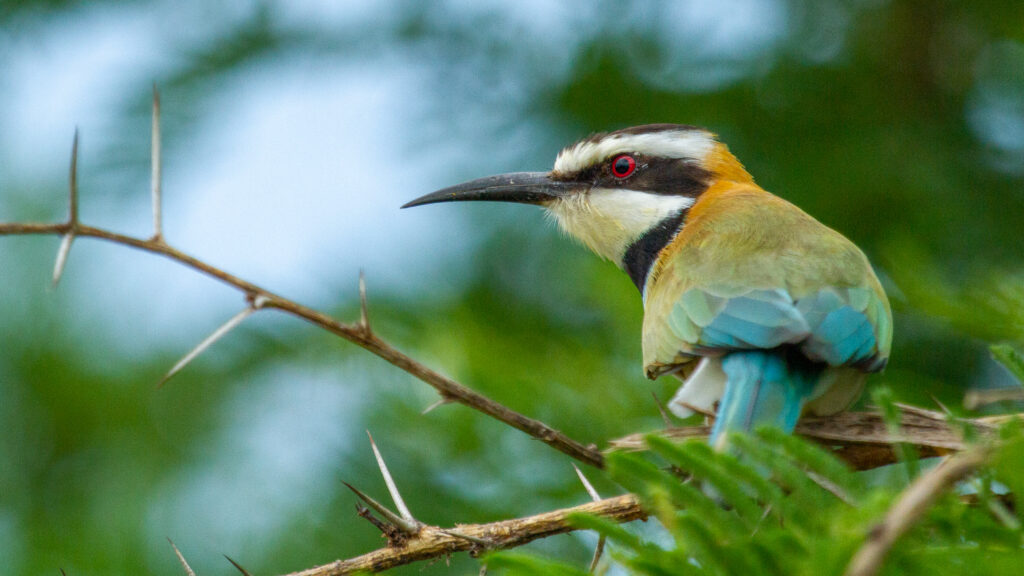
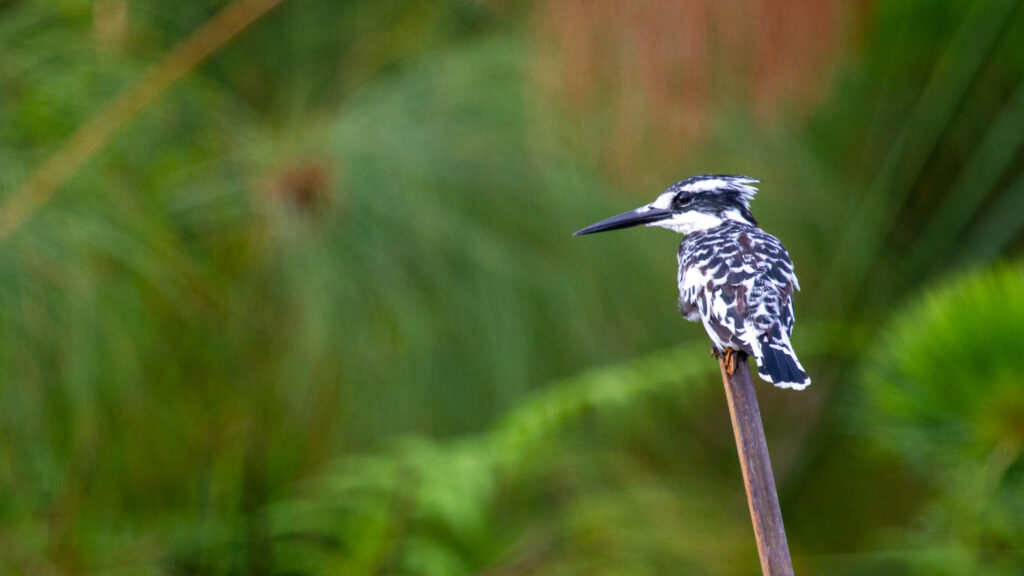
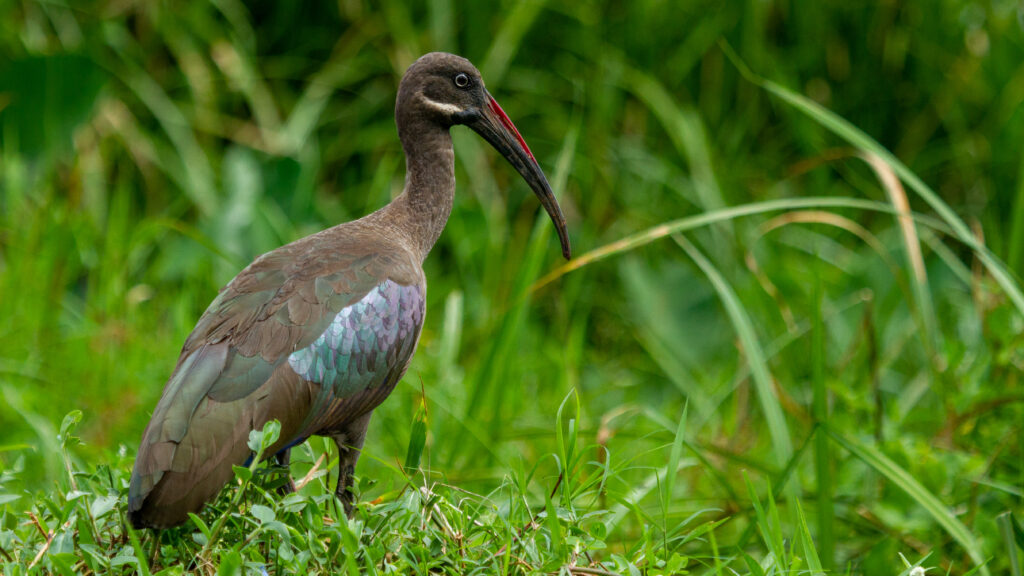
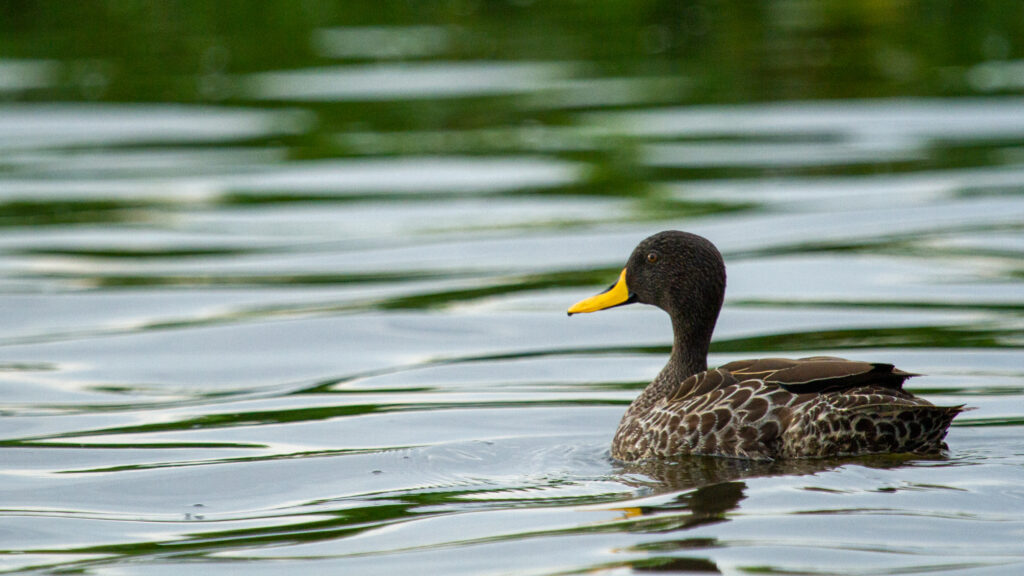
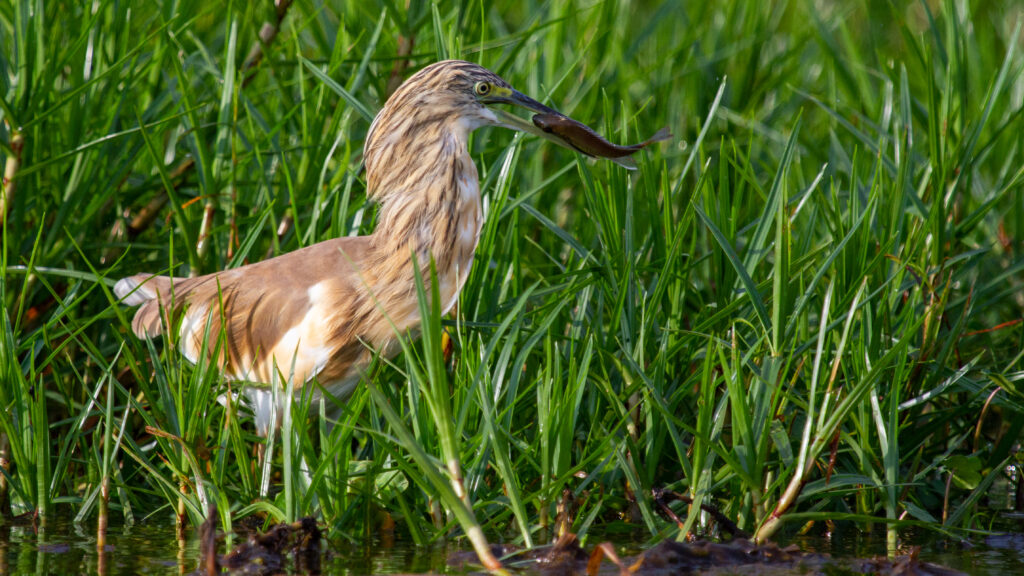
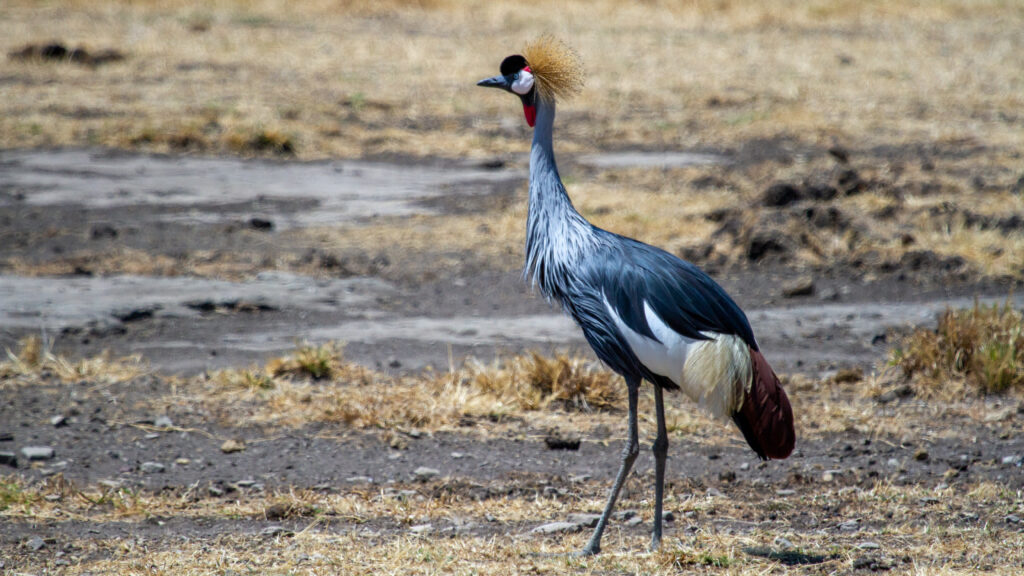
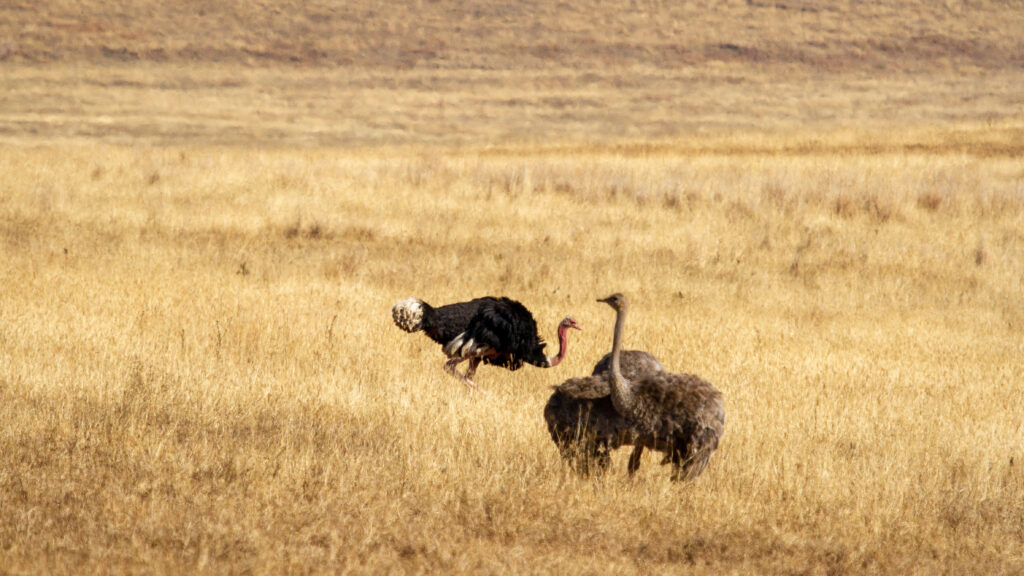
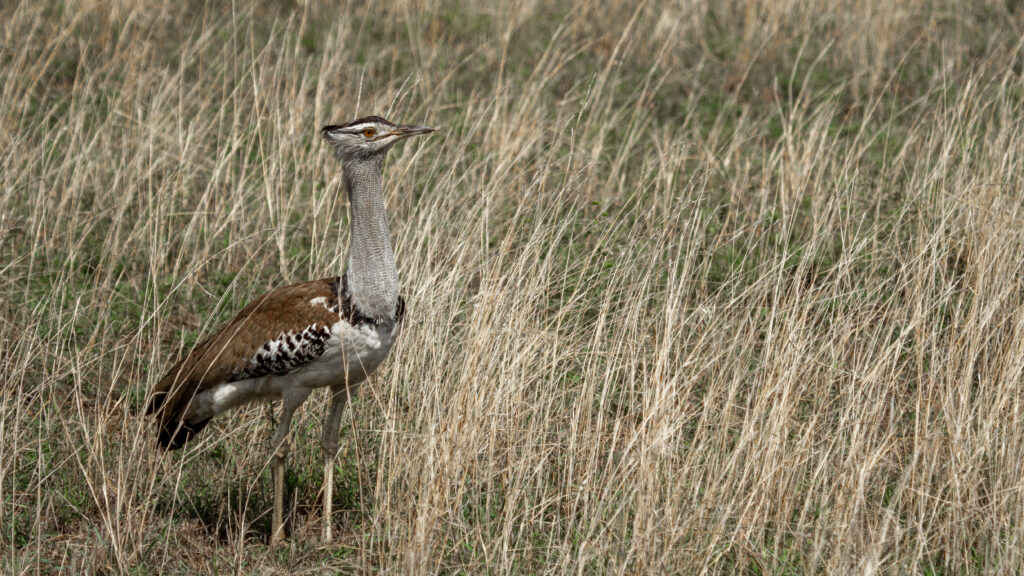
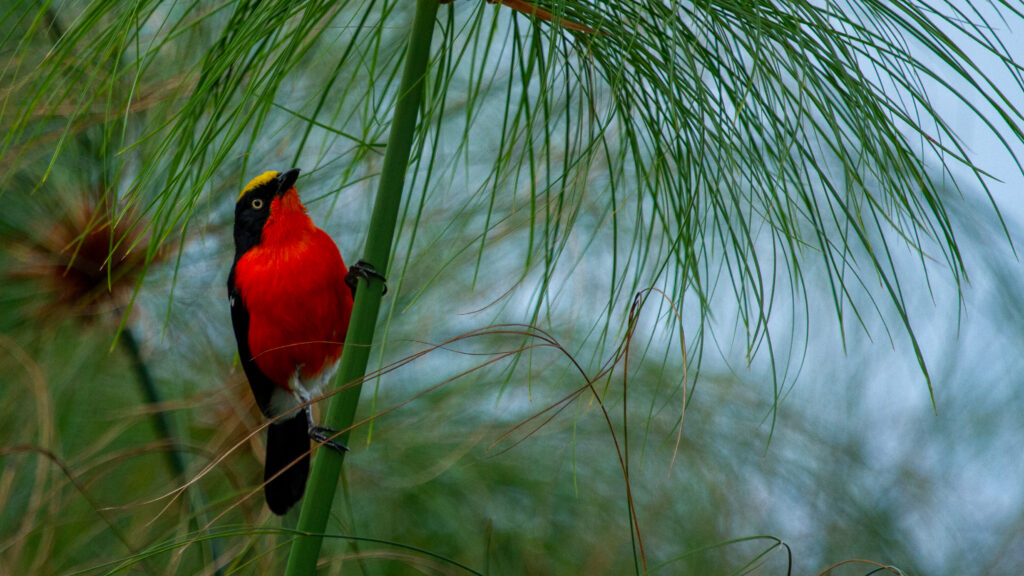
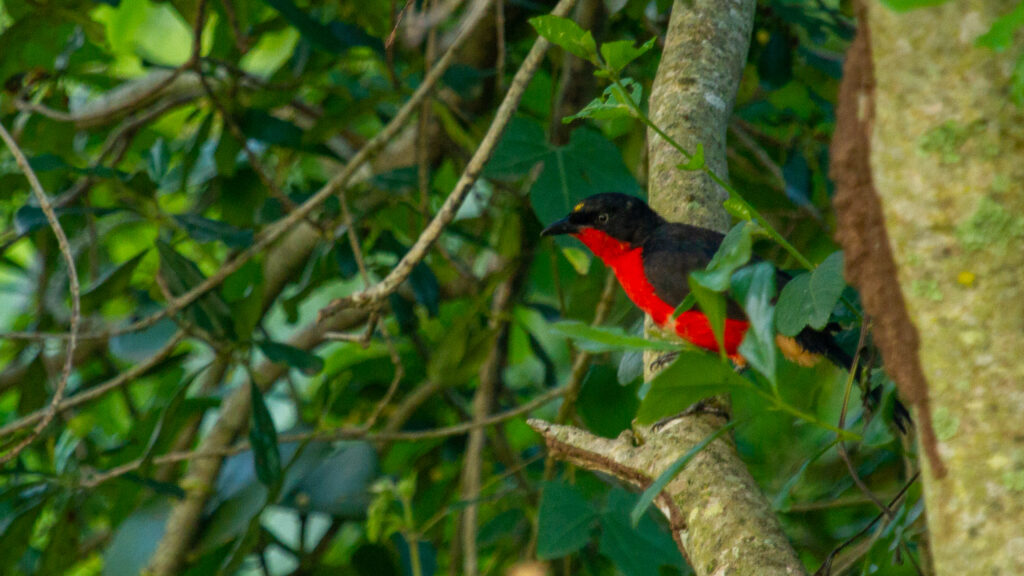
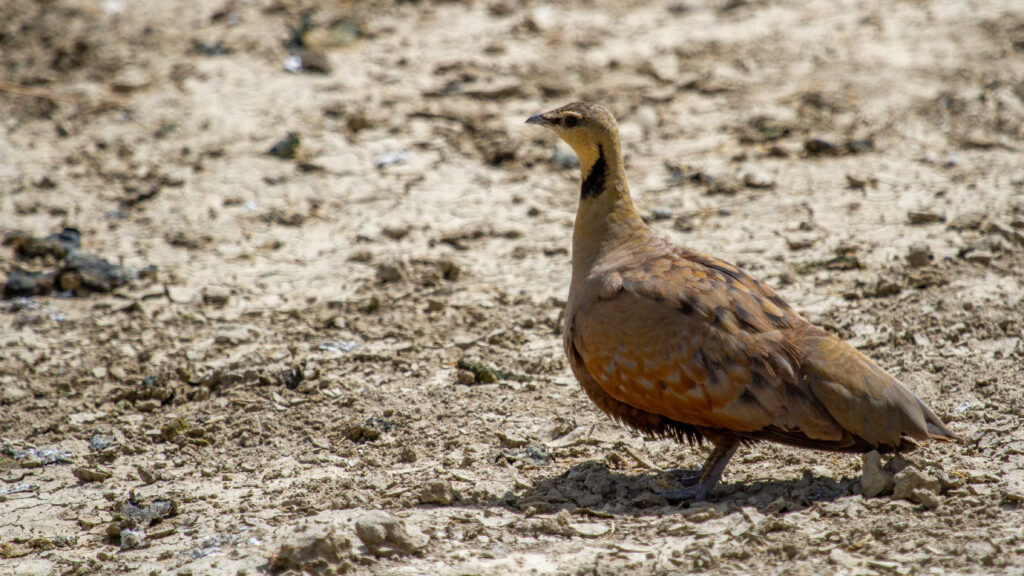
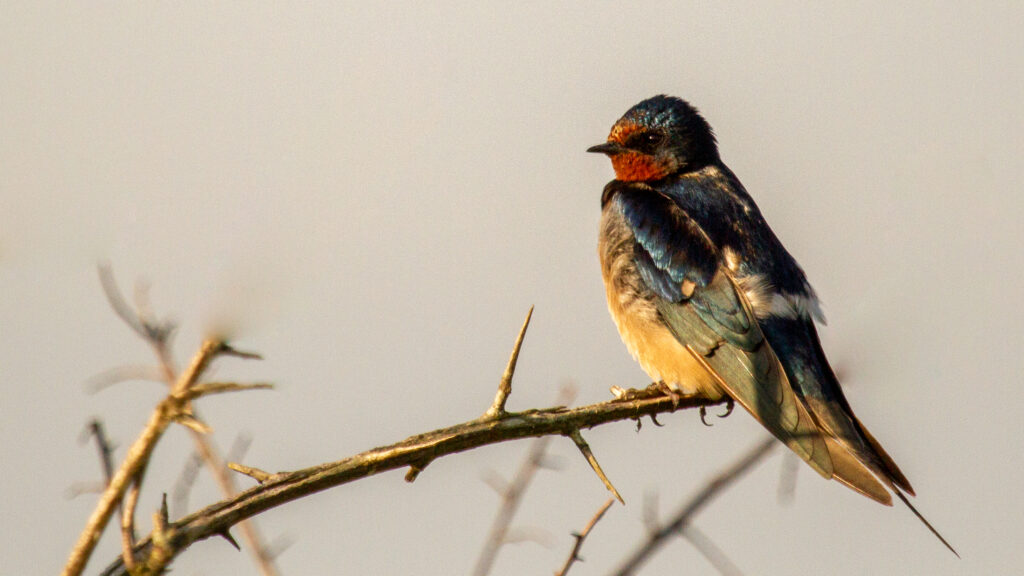
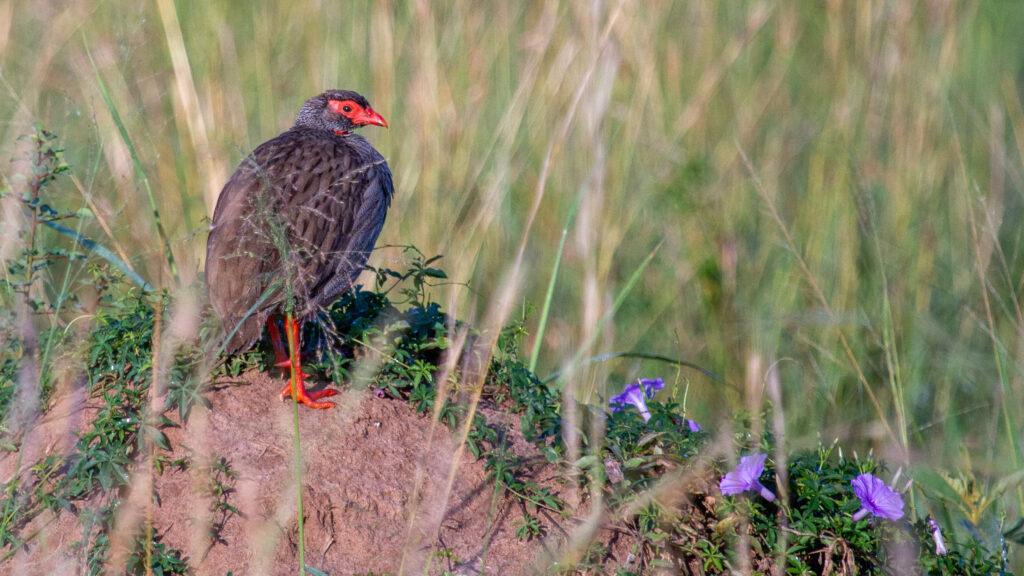
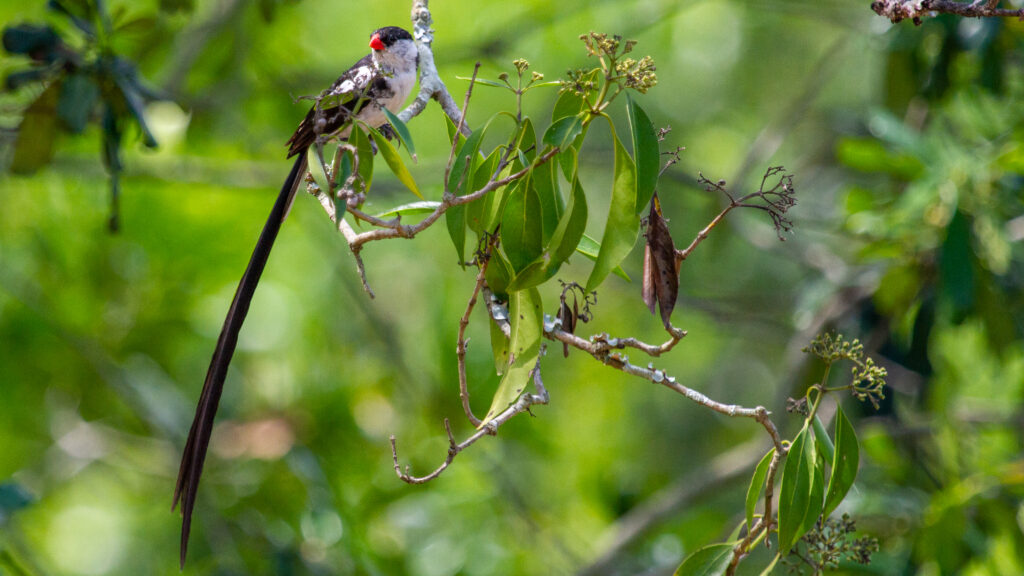
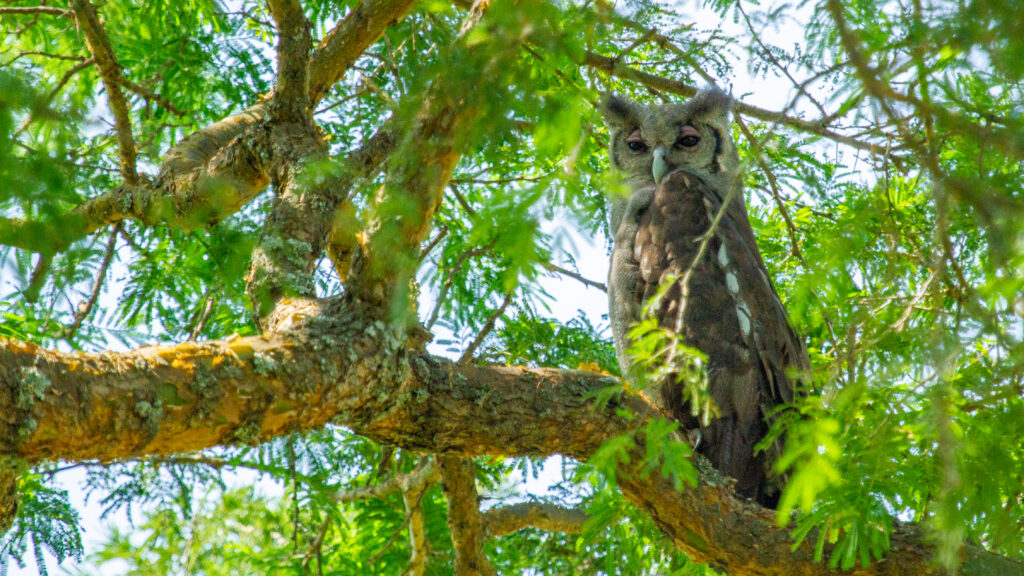
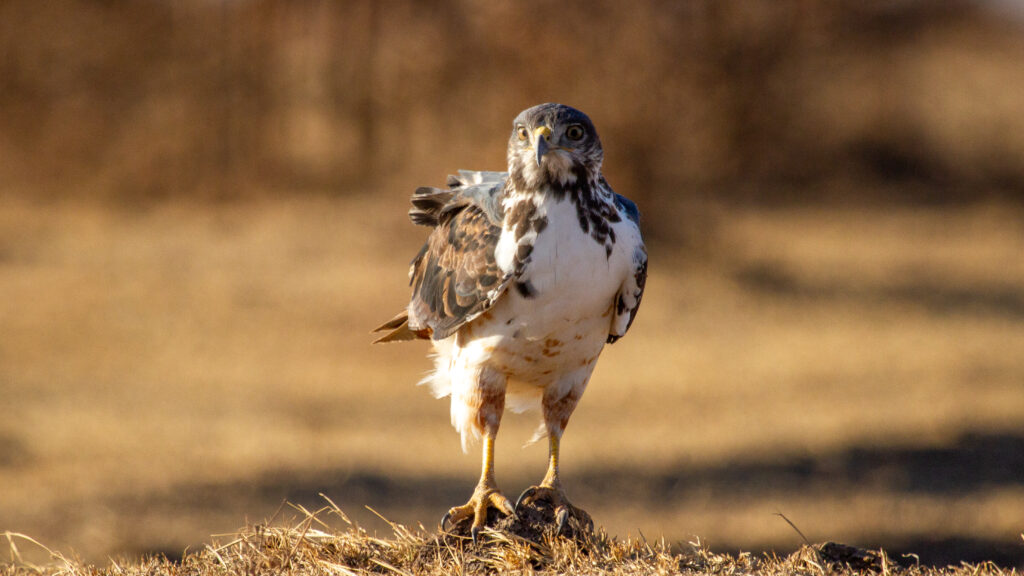
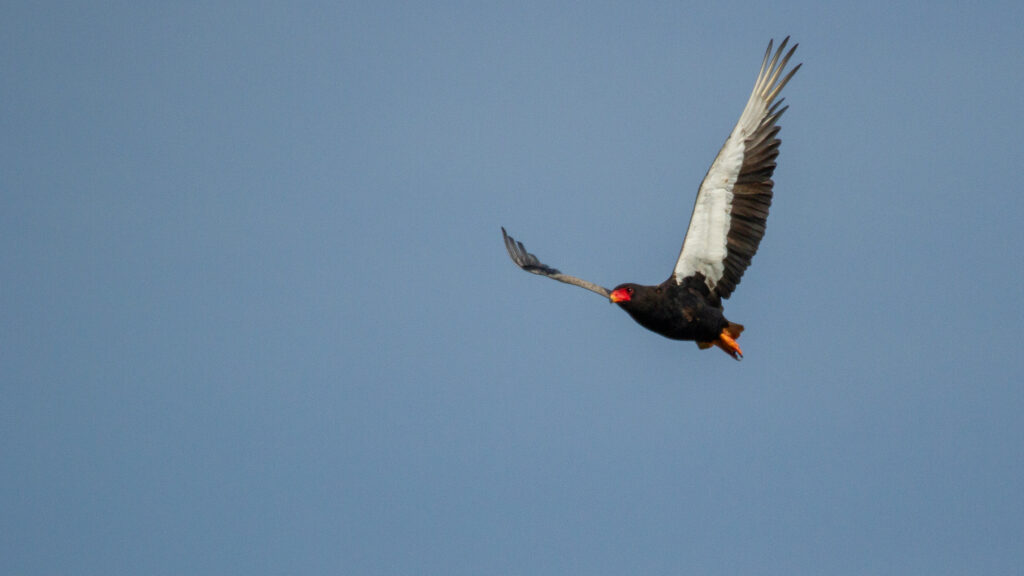
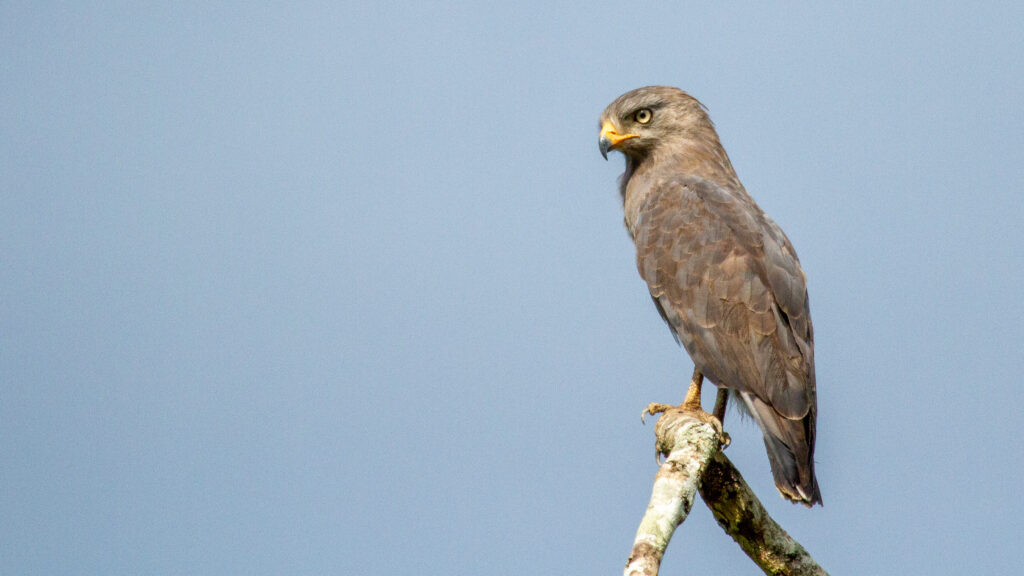
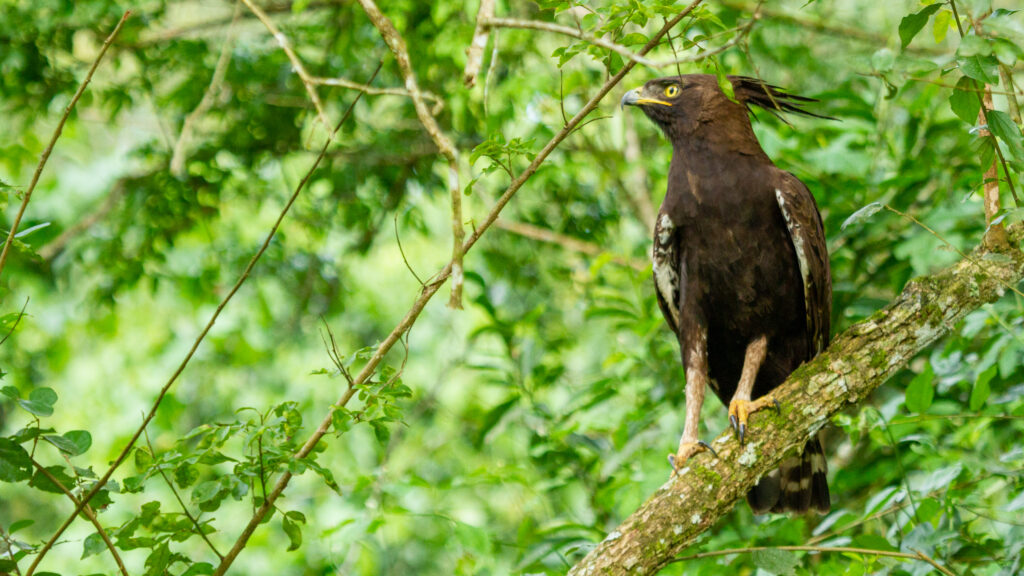
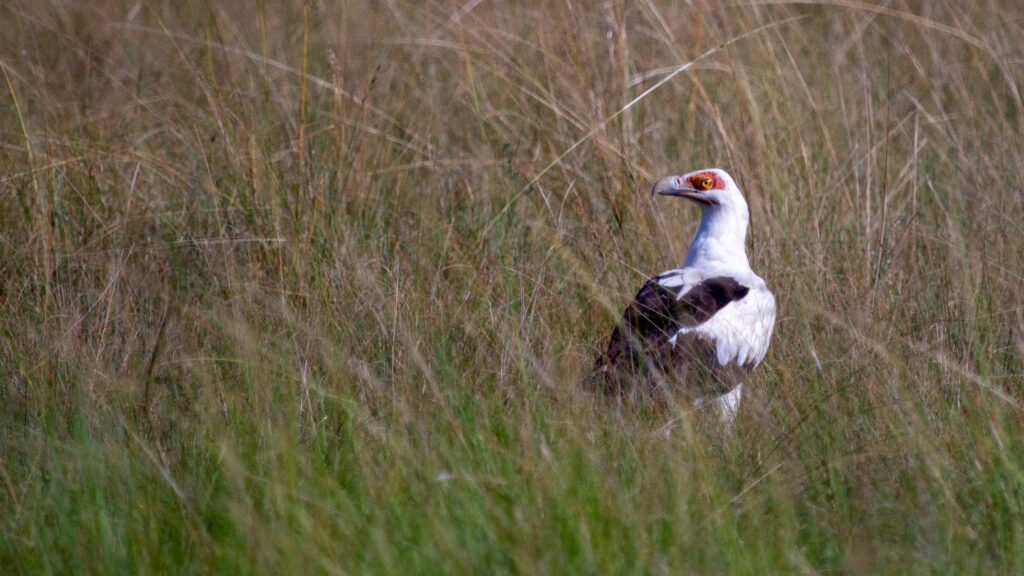
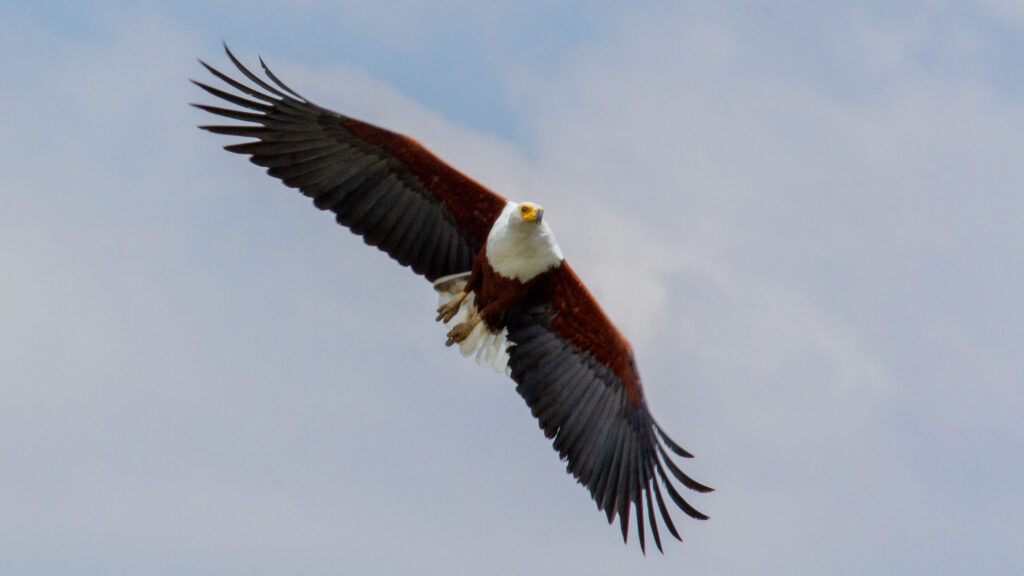
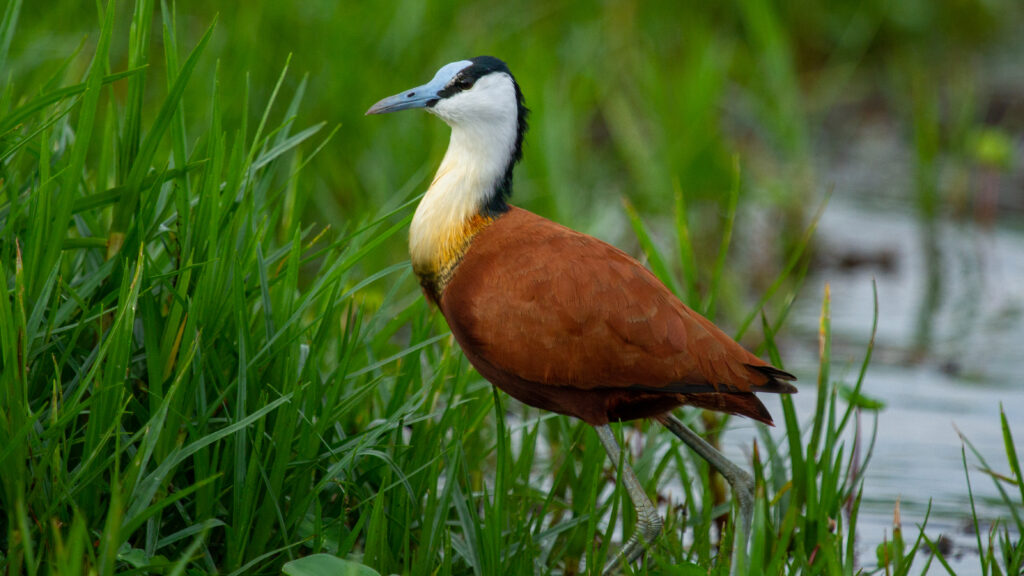
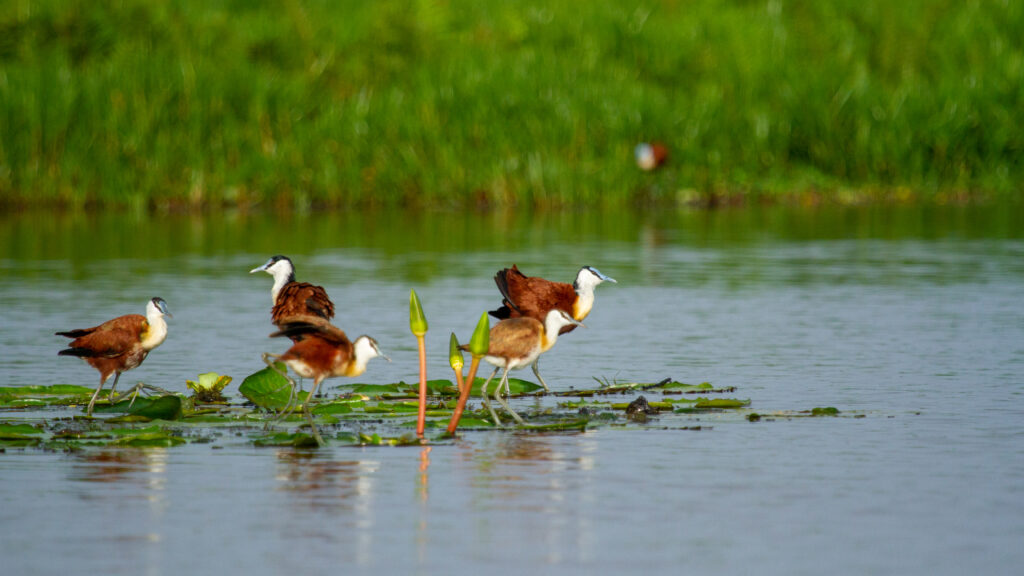
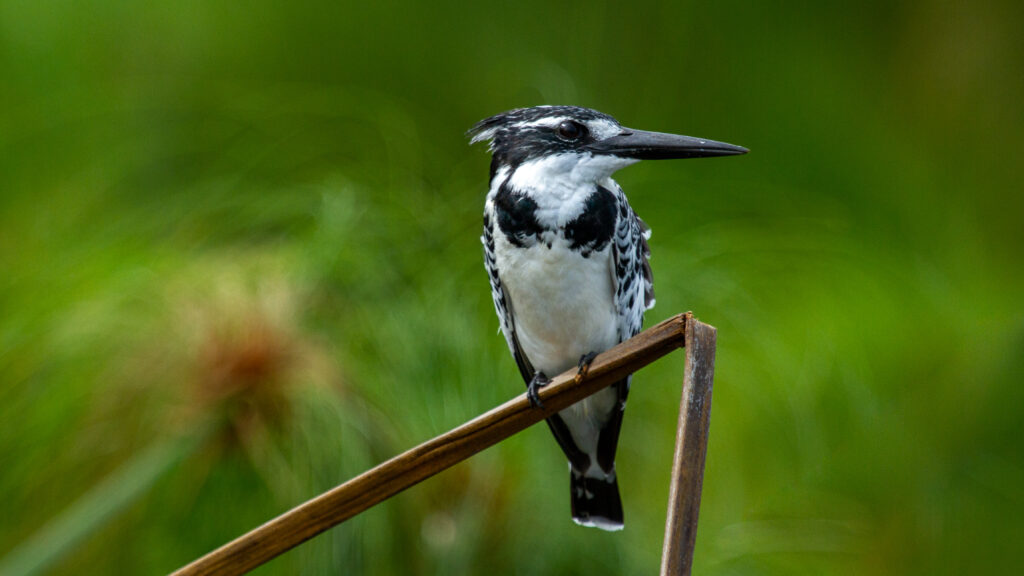
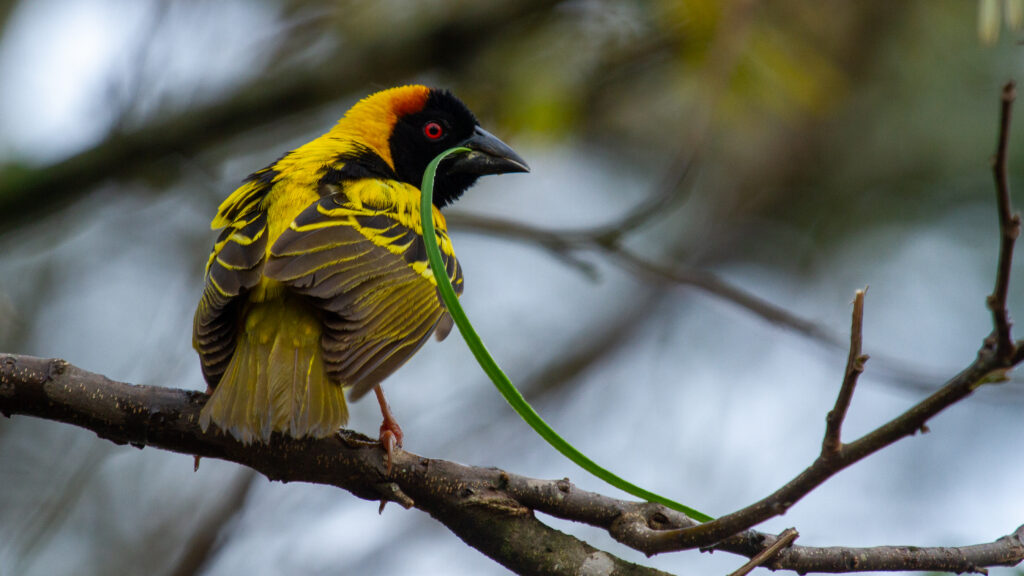
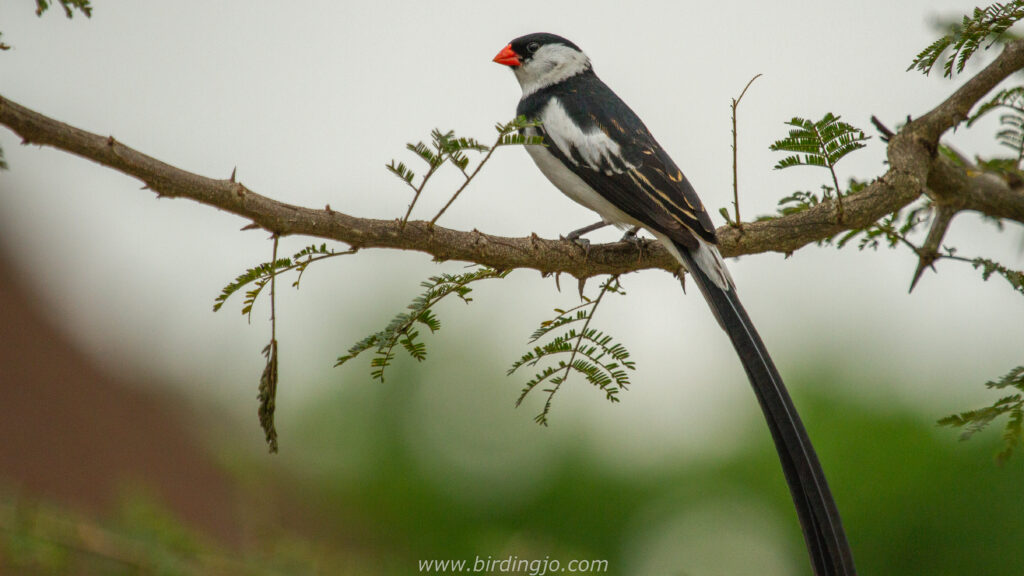
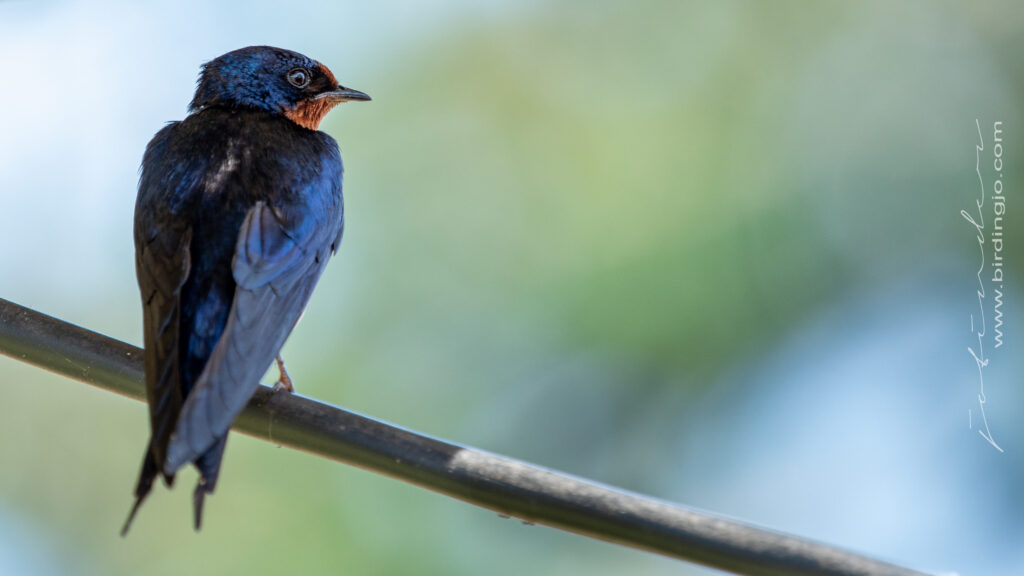
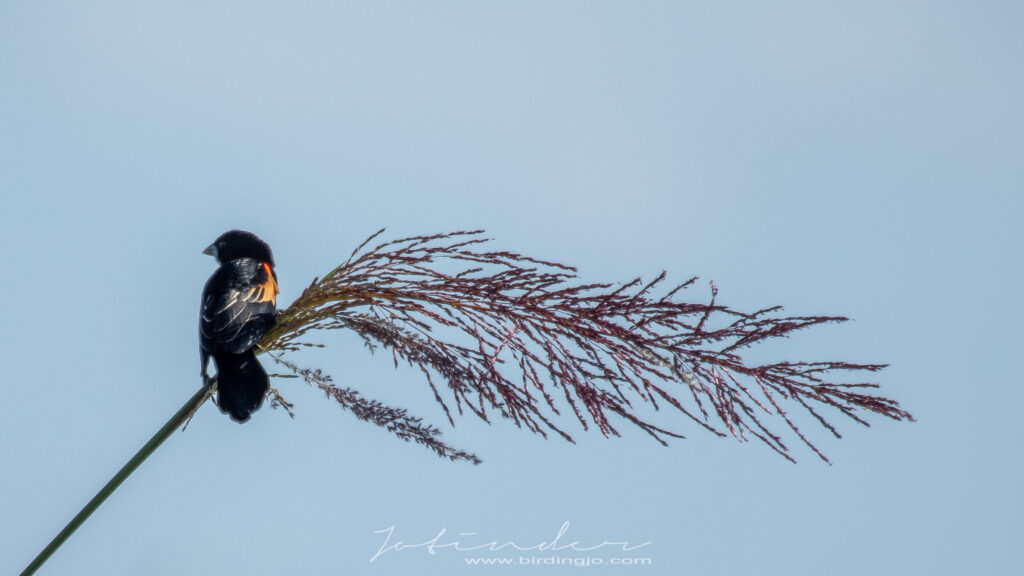
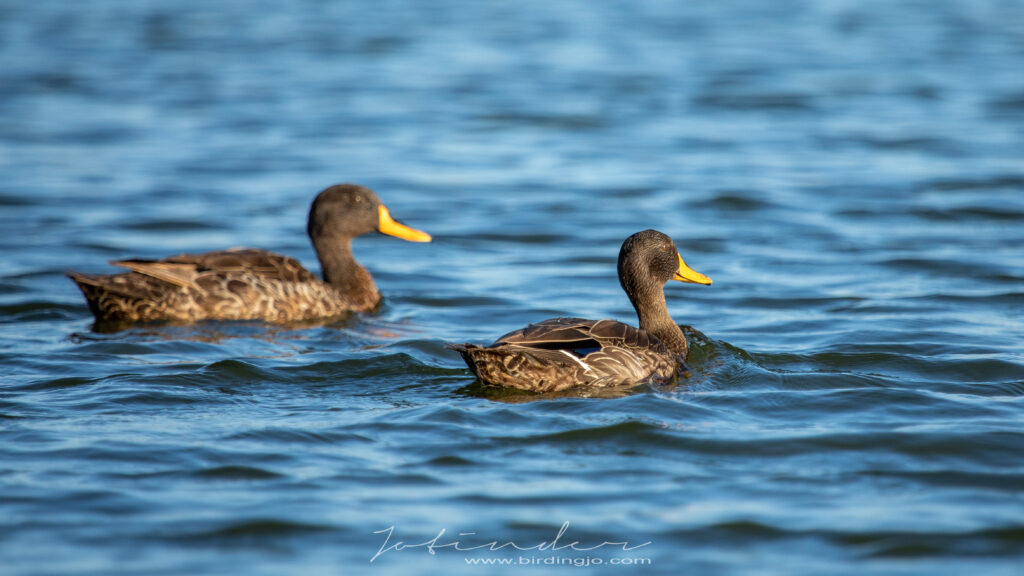
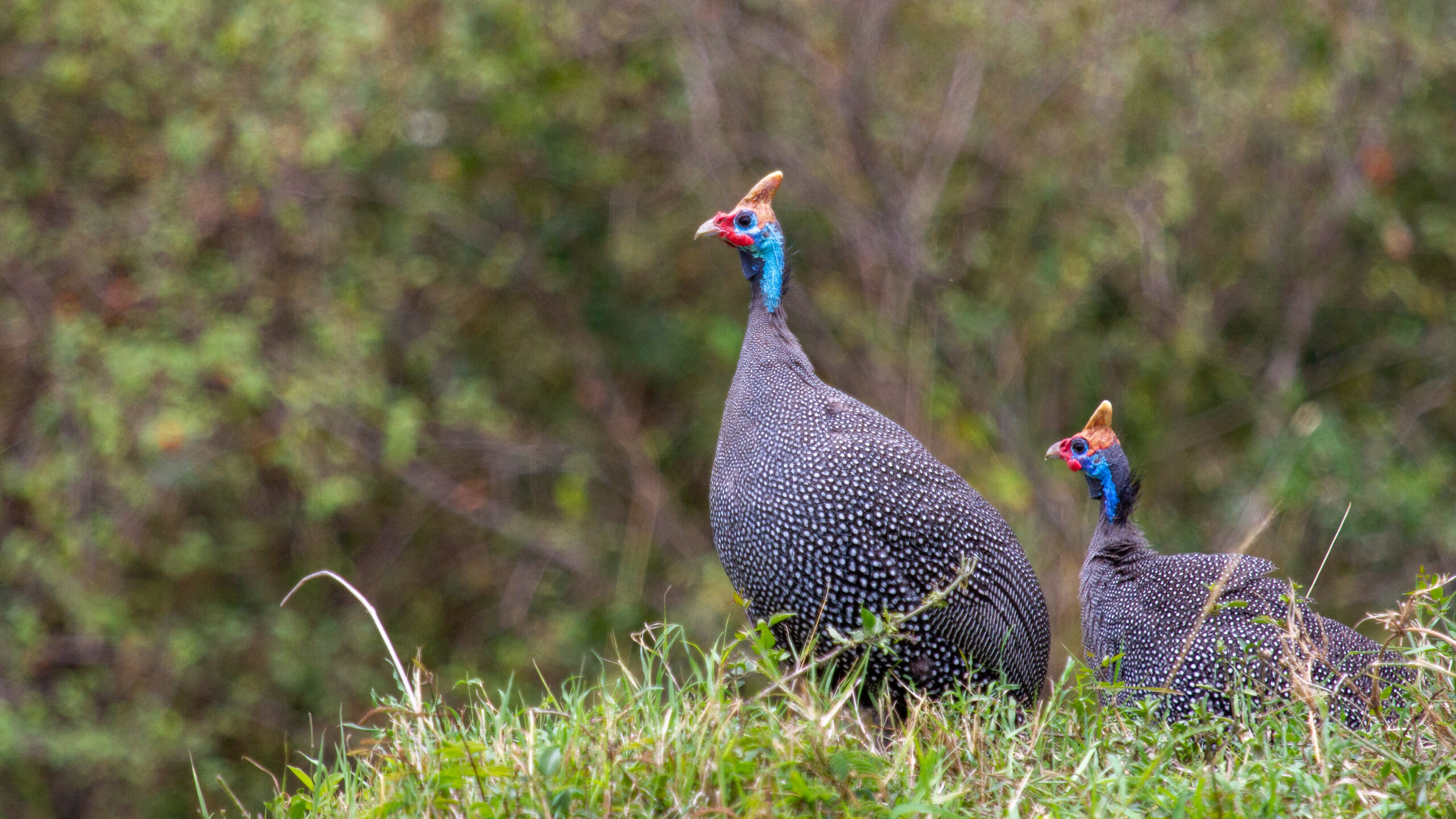
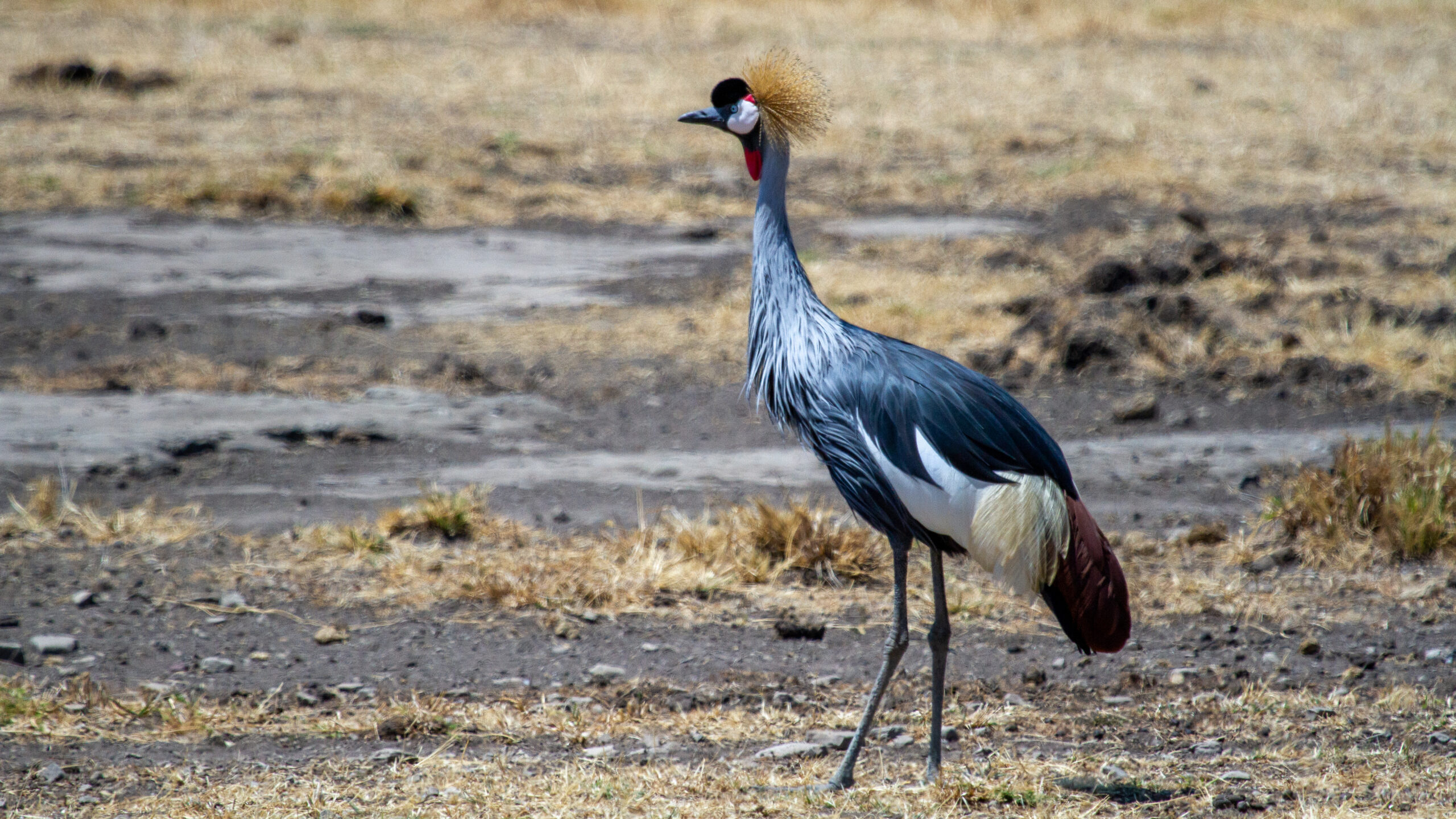
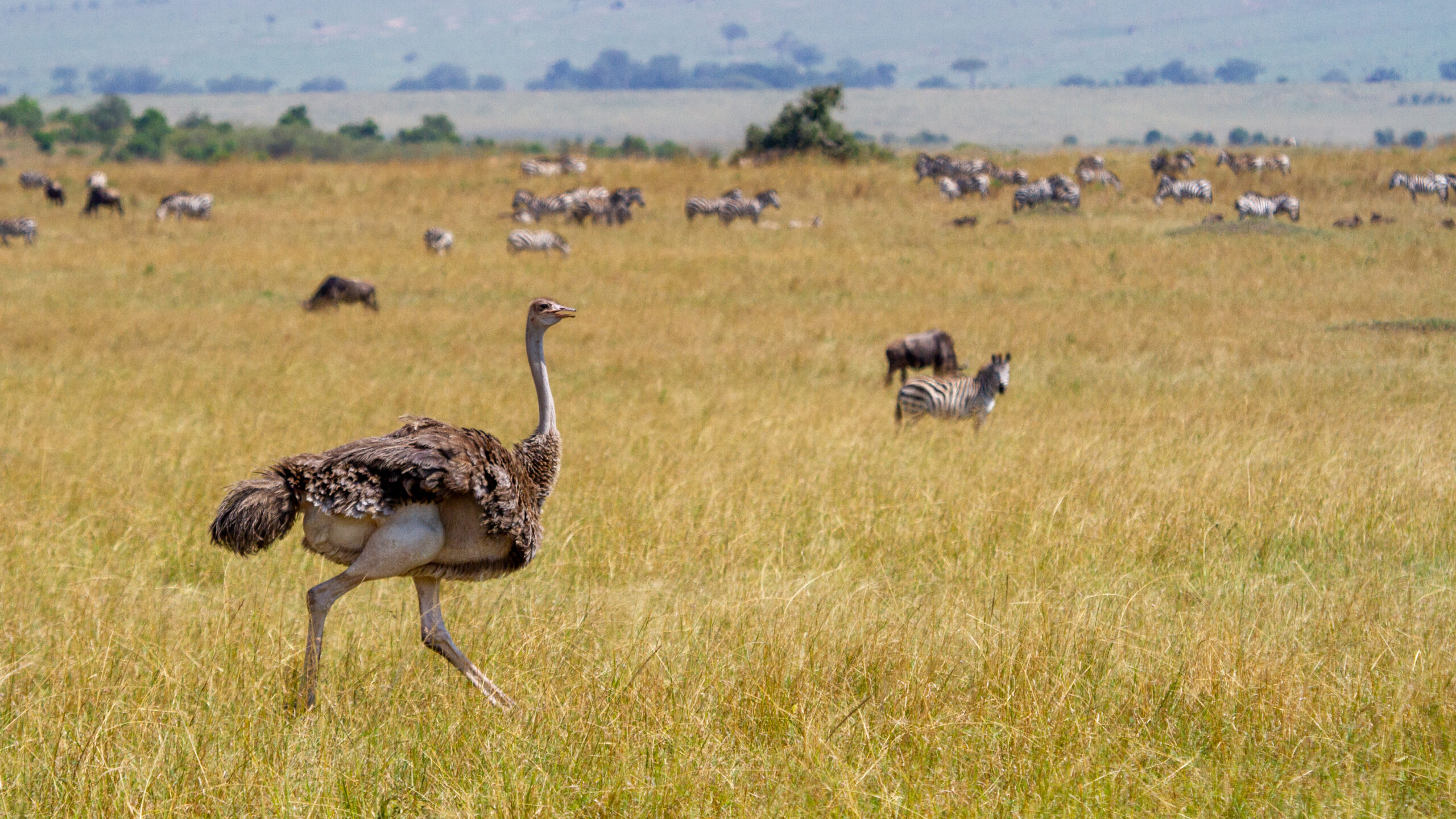
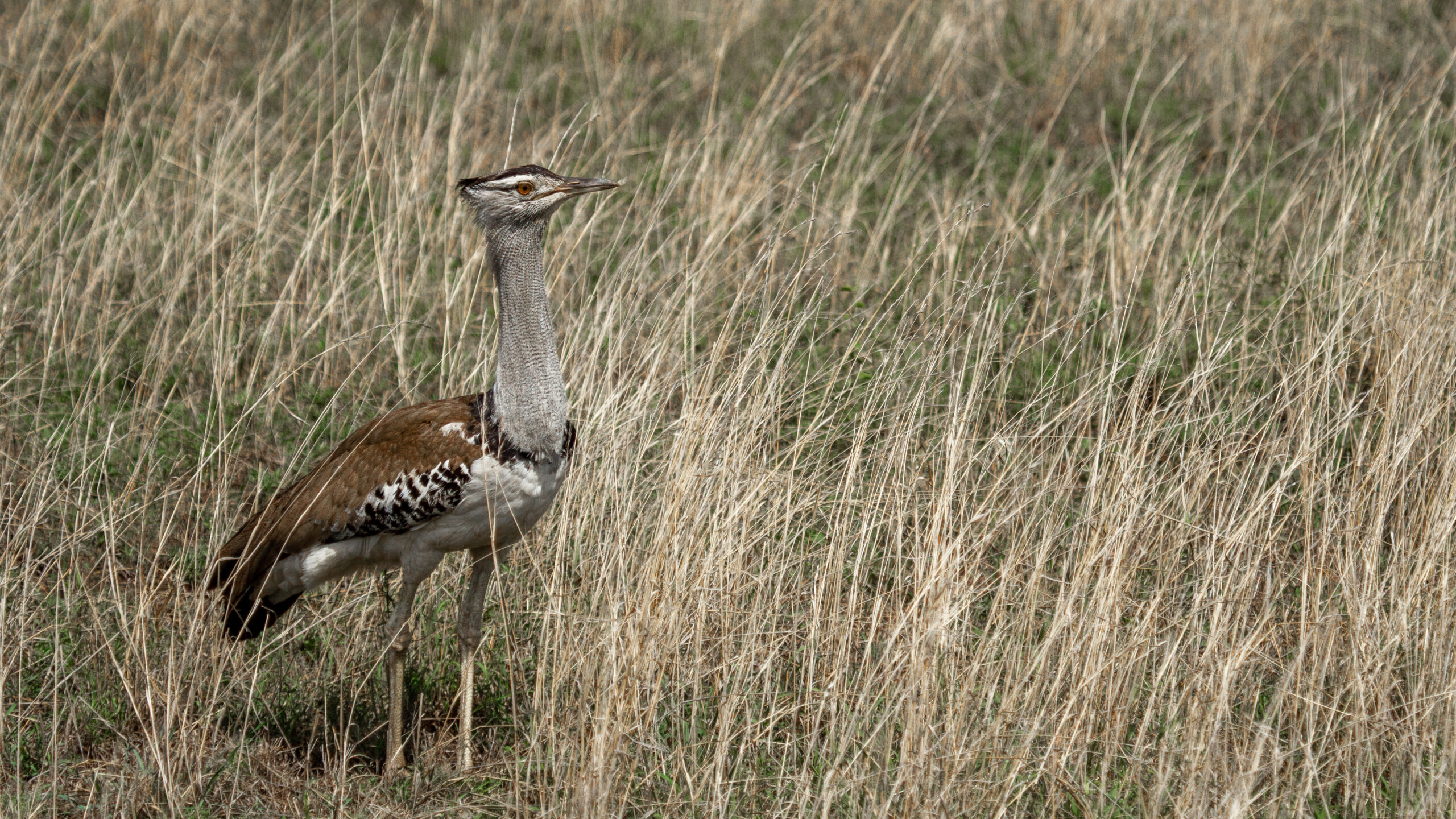
Southern Red Bishop on the invasive Lantana. QENP, Uganda.Red-billed Firefinch. QENP, Uganda.A male Black Headed Weaver (aka Village Weaver), Itanda Falls, Jinja, Uganda. Male builds the nest, females inspect and accepts. If rejected, the males discards the nest and starts all over again. White-Throated Bee-Eater. QENP, Uganda. These birds build their nests in the soil like the Pied Kingfisher .Pied Kingfisher. Kazinga Channel, QENP, Uganda.Hadada Ibis. Noisy and not shy, live amongst human habitat. Entebbe, Uganda.Yellow Billed Duck. Mbamba Swamps, Lake Victoria, UgandaA Common Squacco Heron. Mbamba Swamps, Lake Victoria, UgandaGrey / Golden-Crowned Crane – The National Bird of Uganda. QENP, Uganda.A pair of Common Ostrich. Ngoro Ngoro Crater, TanzaniaKori Bustard. The heaviest bird of Africa which can fly – adult males weigh upto 18 to 20 Kgs. Tarangire, TanzaniaPapyrus Gonolek. Habitat restricted to restricted to papyrus swamps. Mabamba Swamps, Near Entebbe, Uganda.Black Headed Gonolek. The other species of Gonolek can be found in bush, woodland, thickets, culltivated areas.Both species are quite shy and hardly give an opportunity for a clear picture. QENP, Uganda.Yellow Throated Sandgrouse. Ngoro Ngoro Crater, Tanzania Angola Swallow. QENP, Uganda.Red -Throated Spurfowl. Generally found perched on a mound, specially in the morning. QENP, Uganda.Pin-Tailed Whydah. A Male in Breeding Plumage. Exquisite aerial dance to attract females (dull brown, no tail). Kazinga Channel, QENP, Uganda.Verreaux’s Eagle Owl. Kihihi Area, QENP, Uganda. Feel absolutely lucky to have found this wise one. Please note that Owls are sometimes found in broad daylight.African Goshawk. Masai Mara, Kenya.Bateleur : A Very Unique Eagle with a Short Tail and Fabulous Flight Patterns. Kihihi Area, QENP, Uganda.Short-Toed Snake Eagle. Kihihi Area, QENP, Uganda.Long Crested Eagle. QENP, Uganda.Palm Nut Vulture. Quite Similar to African Fish Eagle (below) Kihihi Area, QENP, Uganda.African Fish Eagle : A Magnificent Raptor to observe either on a perch …… or in flight ! Mbamba Swamps, Lake Victoria, UgandaAfrican Jacana : Their long feet give them special abilities ! Mbamba Swamps, Lake Victoria, UgandaLeaf Walkers : Jacans on Water Lily Leaves . Mbamba Swamps, Lake Victoria, Uganda
Let me leave you with an excerpt from a poem by Debbie, which goes well with the compilation above.
“Ah and then there are the birds, breeds you have never heard. Colors that take your breath away, as they sit in the trees and watch you all day.
Yes, you are amazed once more by our Lord, an undiscovered forest holding secrets galore. I won’t say a word or tell a soul, this is our secret of pure beauty to behold. ”
– Debbie wagoner
Happy Birding !!
Further encounters in Uganda
“Tame Birds Sing of Freedom, Wild Birds Fly” – John Lennon
While East Africa in particular is known for wildlife safaris, especially for those looking for the ‘Big Five’, Uganda can easily claim itself to be a heaven for the birders. Uganda boasts of about 1350 species of birds including some endemic and unique birds, not / difficult to be found elsewhere.
Even though the heading mentions ‘East Africa’, this post mainly contains birds of Uganda, which I have been able to spot and record in last few months despite the partial restrictions on movement due to Covid-19. Most shots may not appear to be of Natgeo quality, remember, I am just a modest twitcher trying to share some experiences and memories.
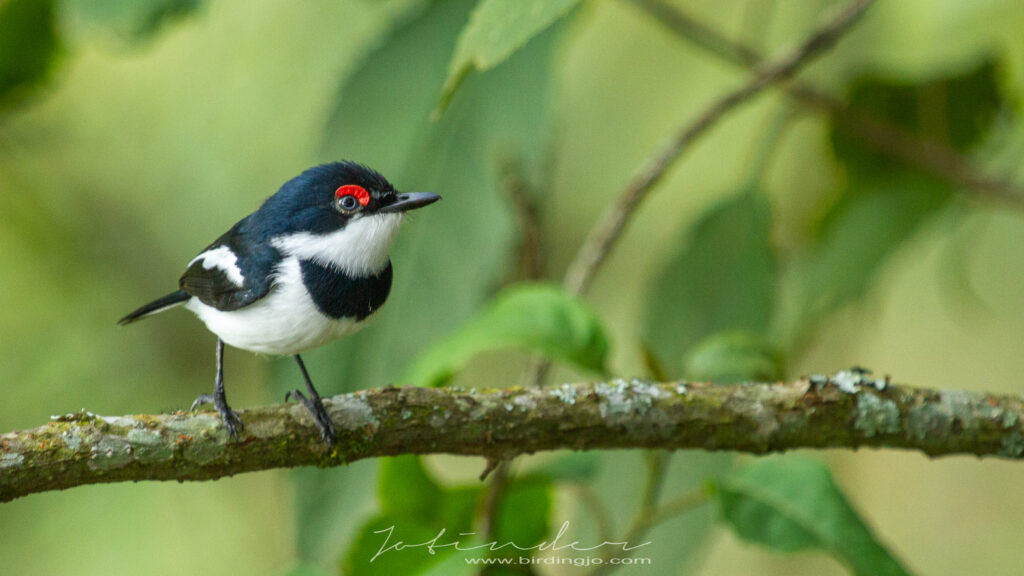
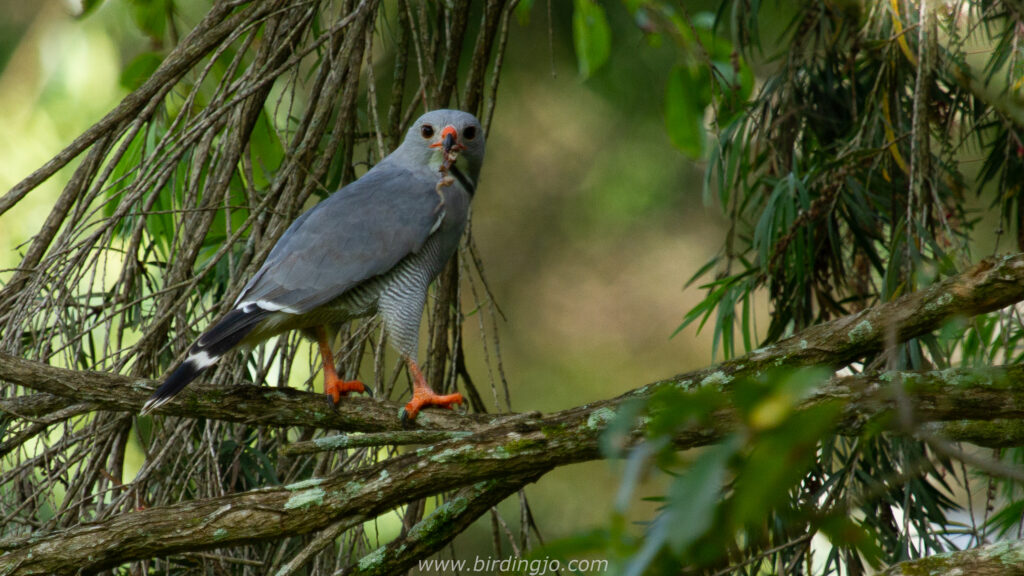
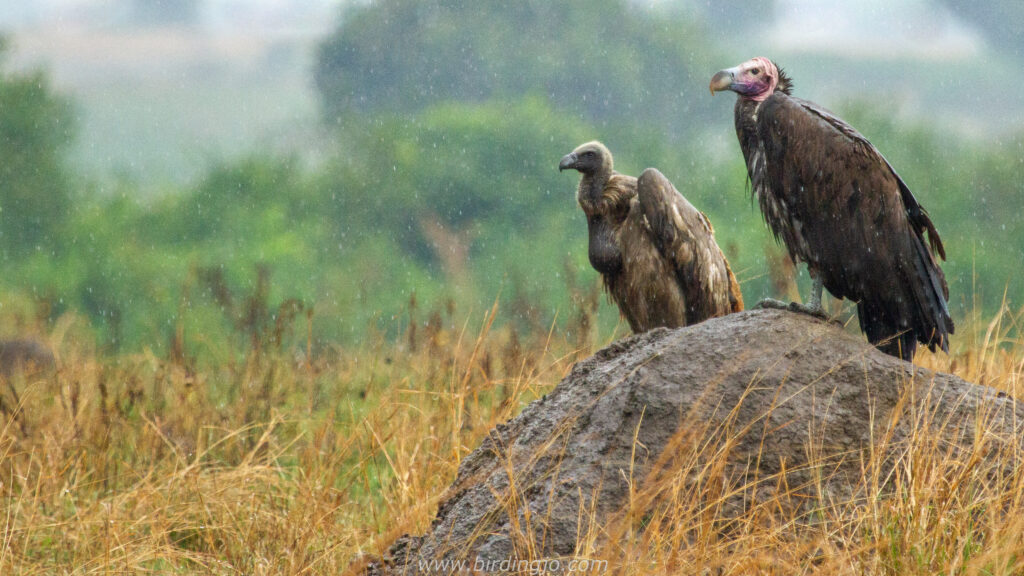
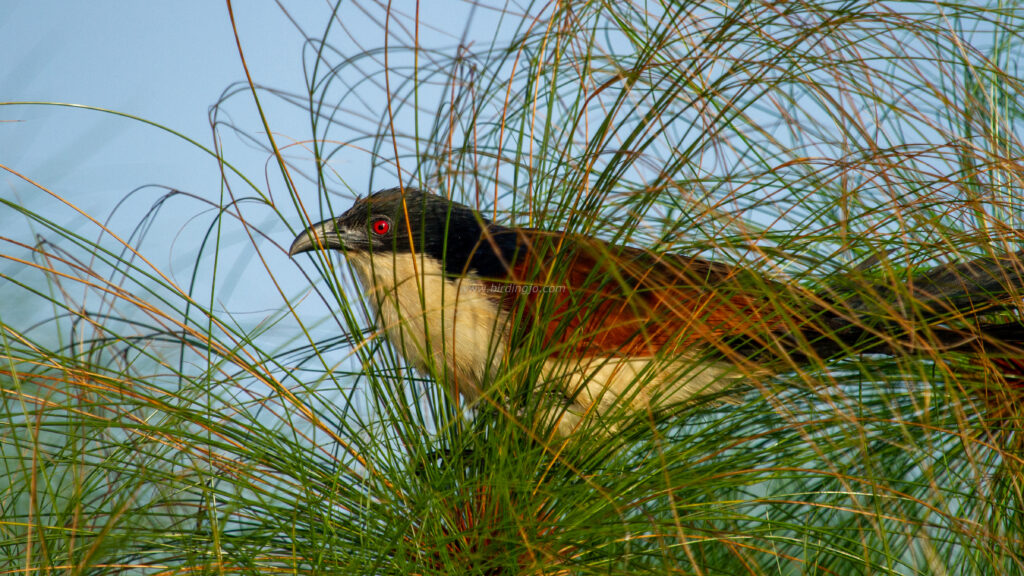
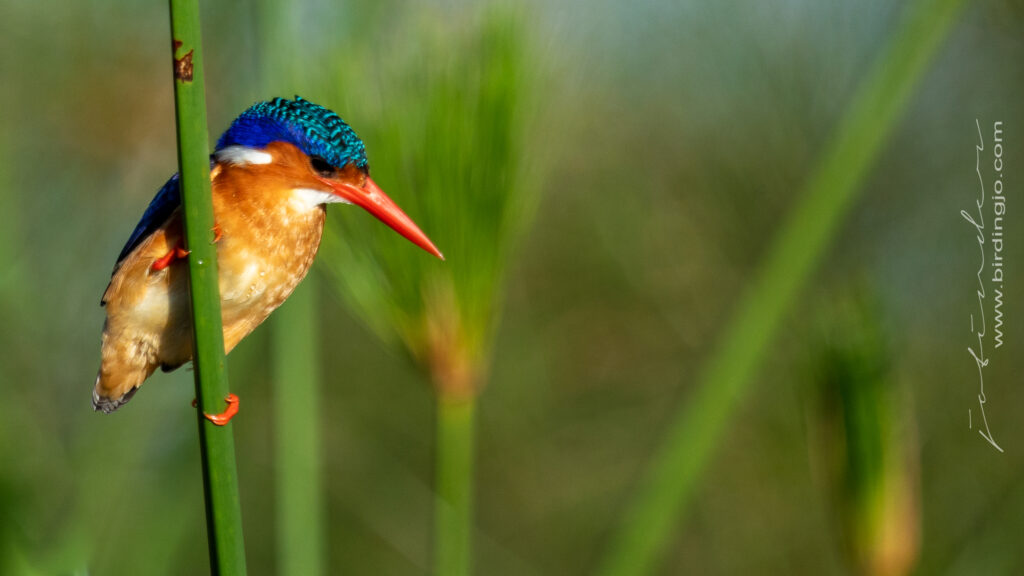
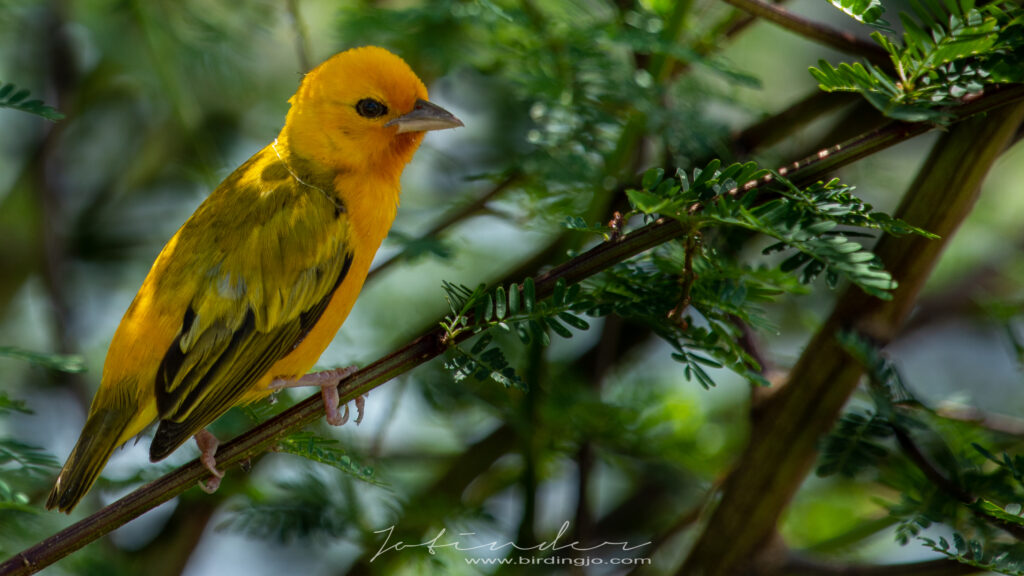
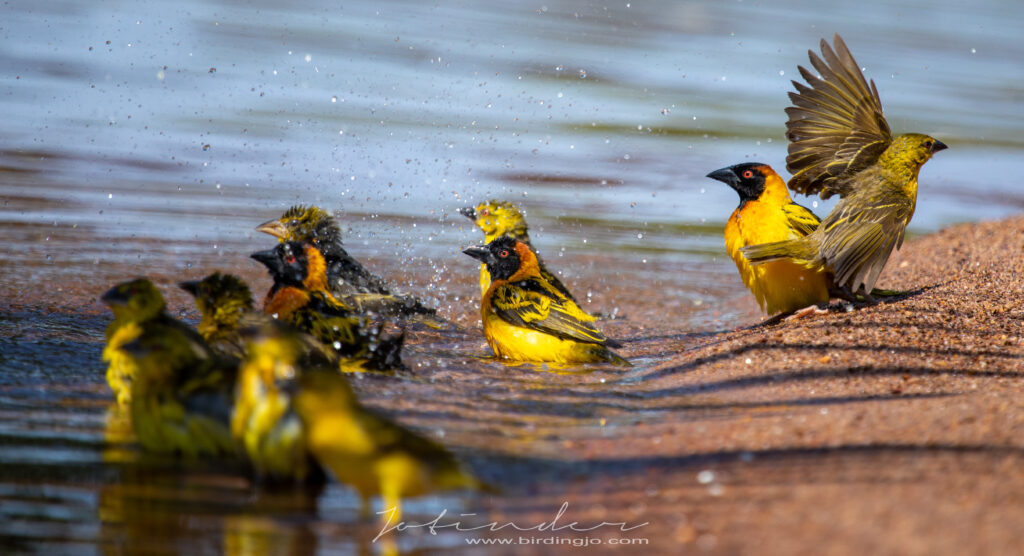
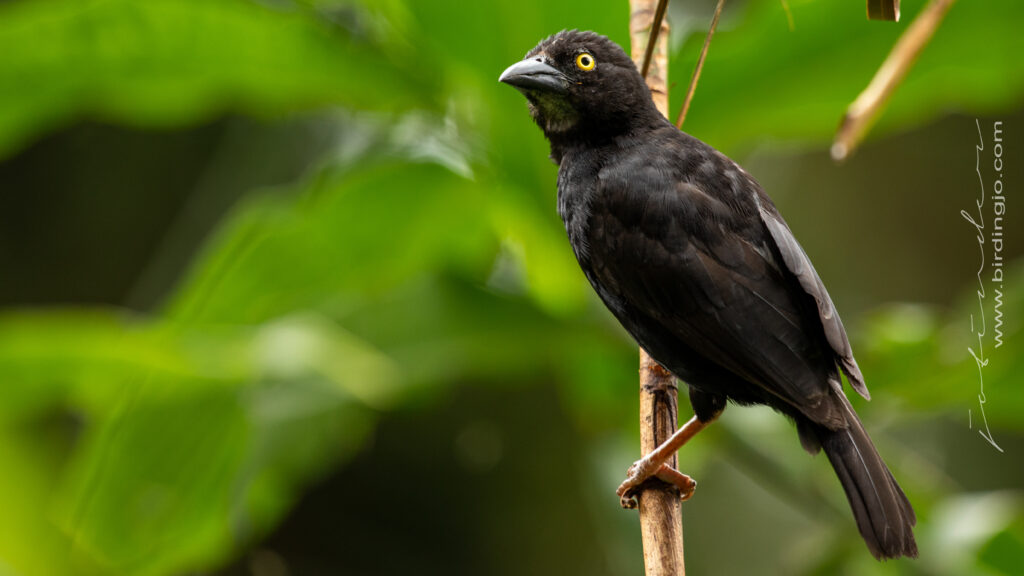
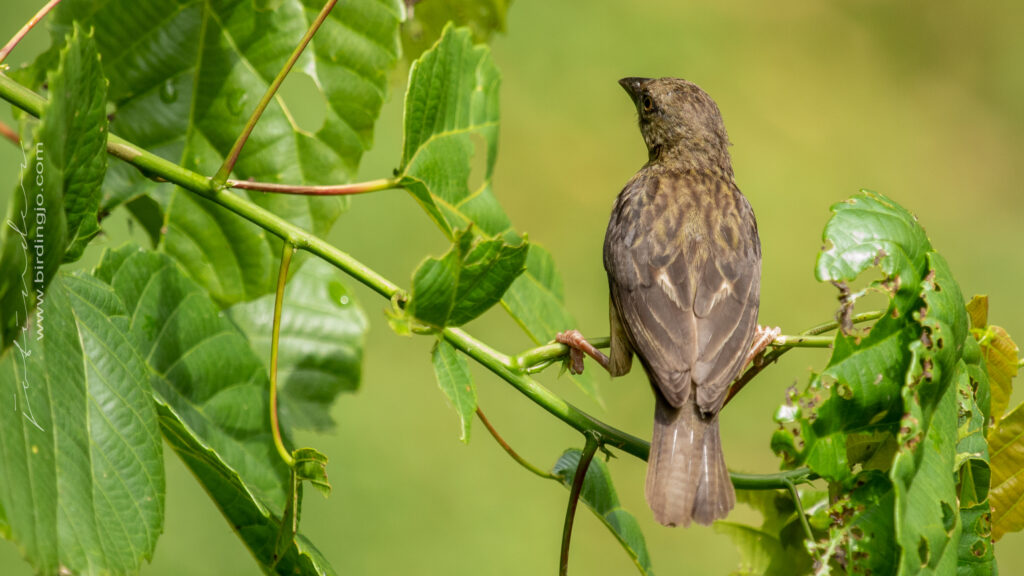
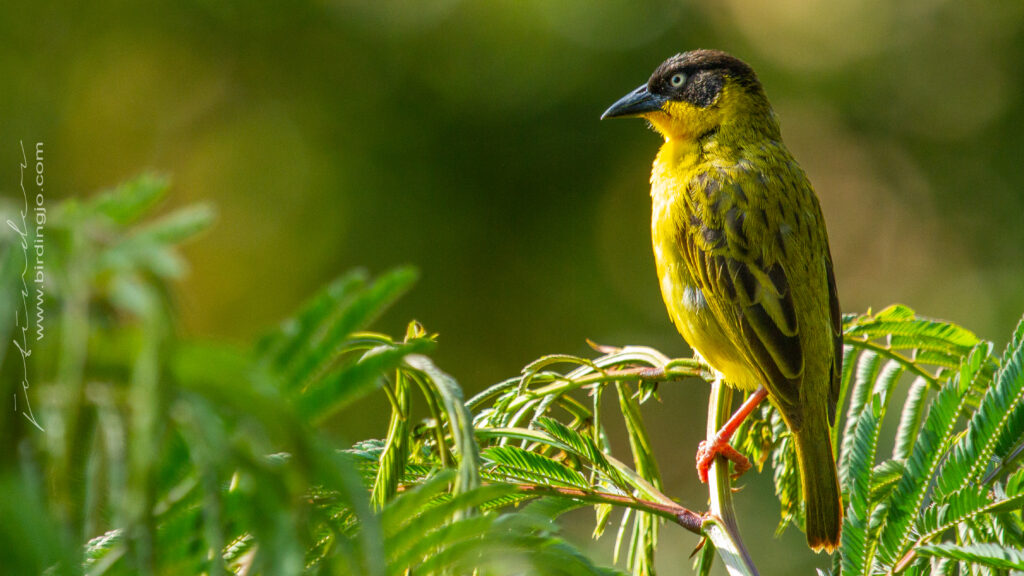
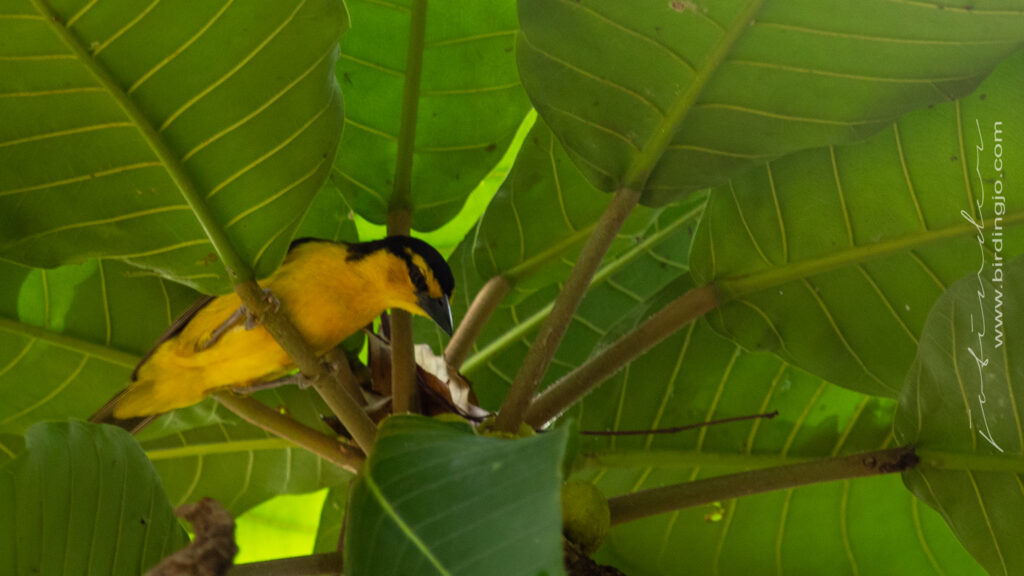
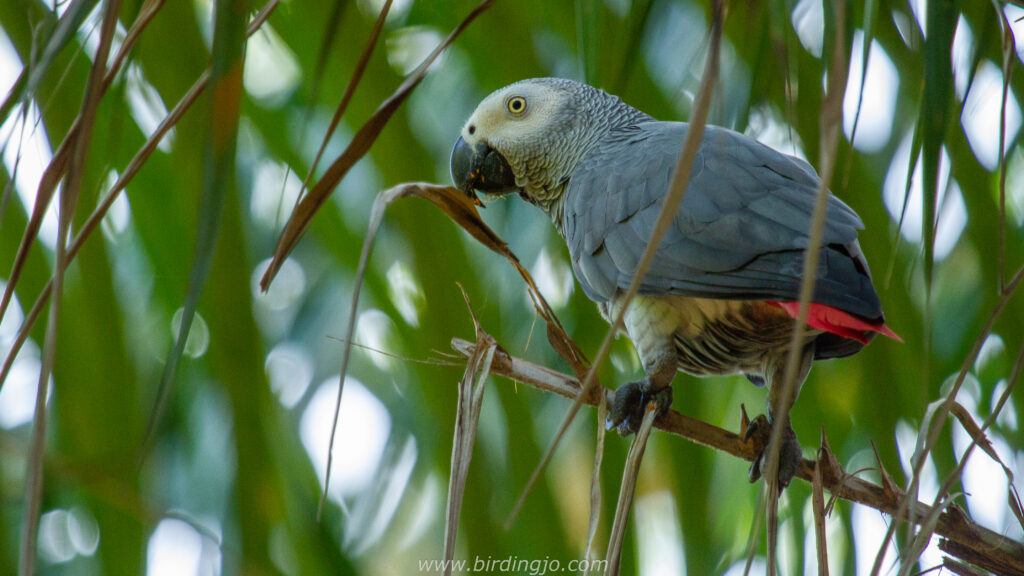
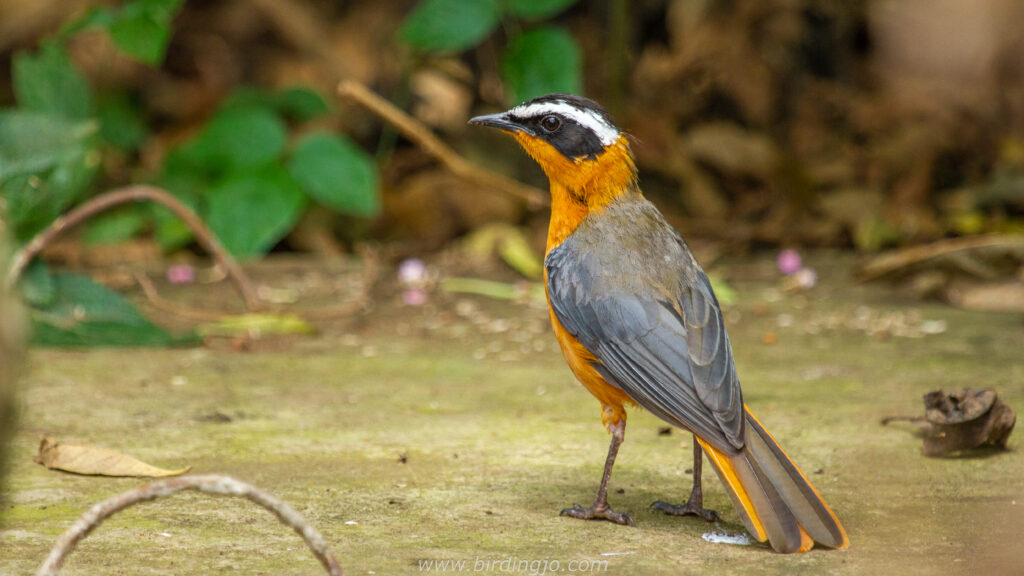
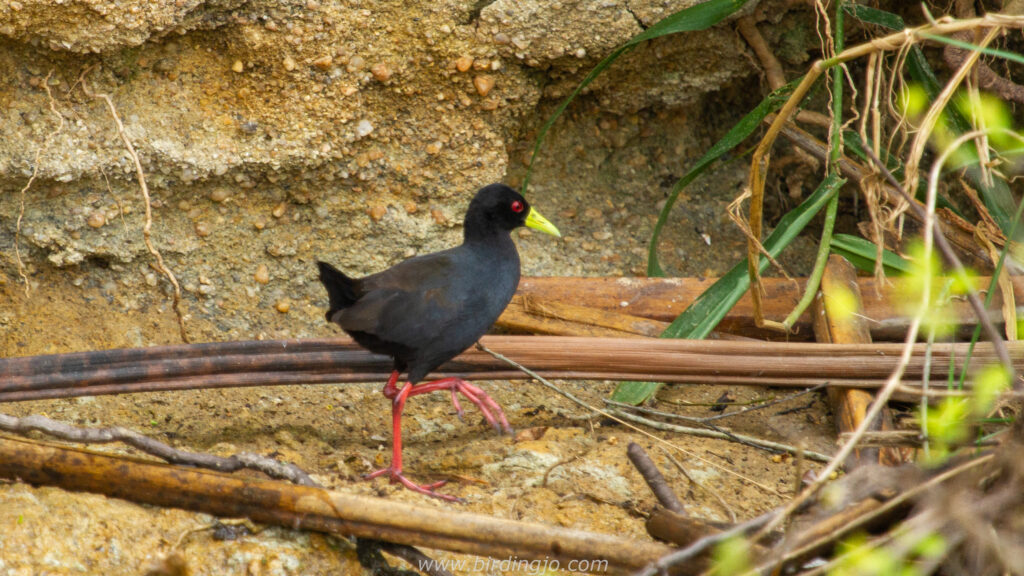
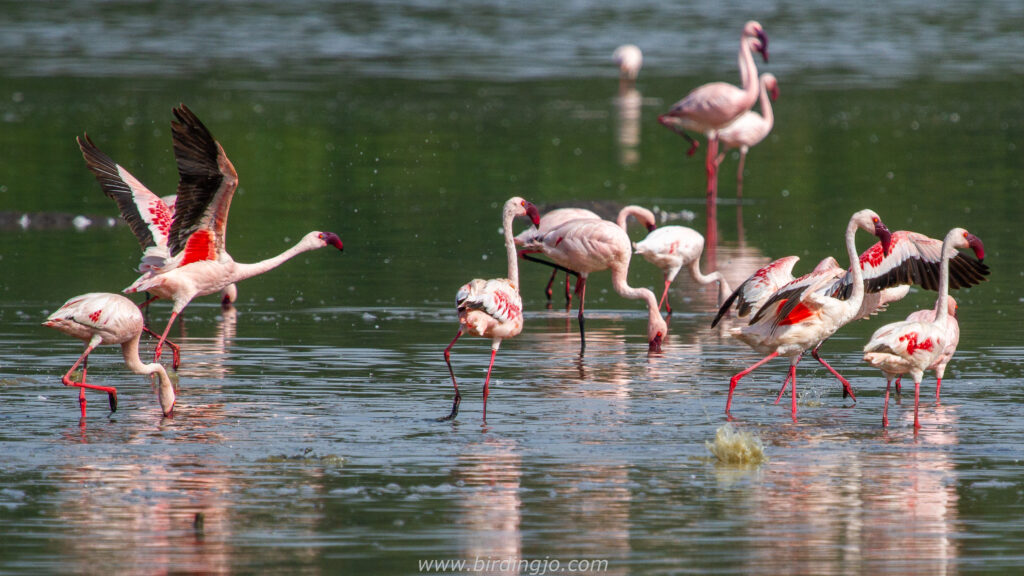
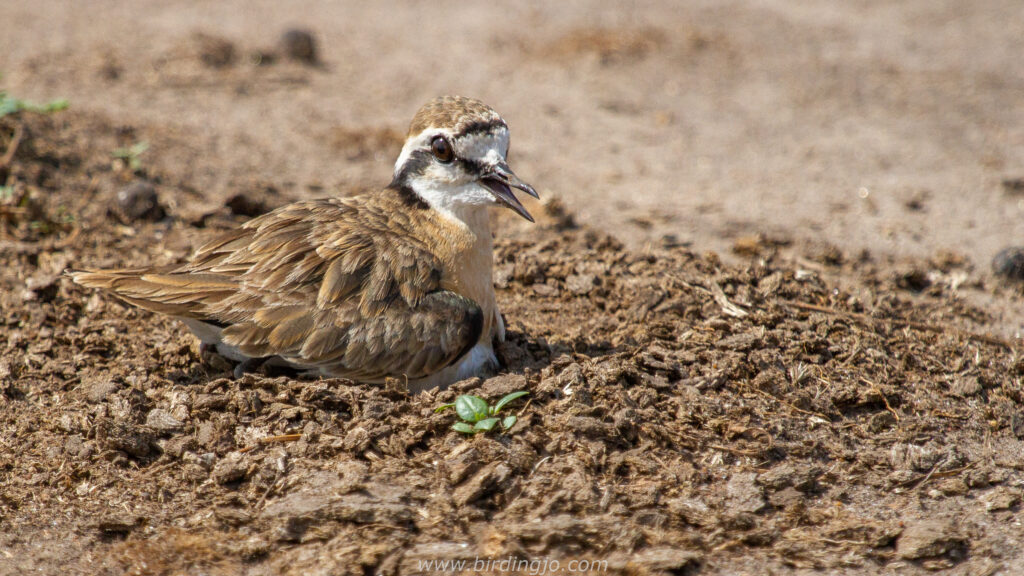
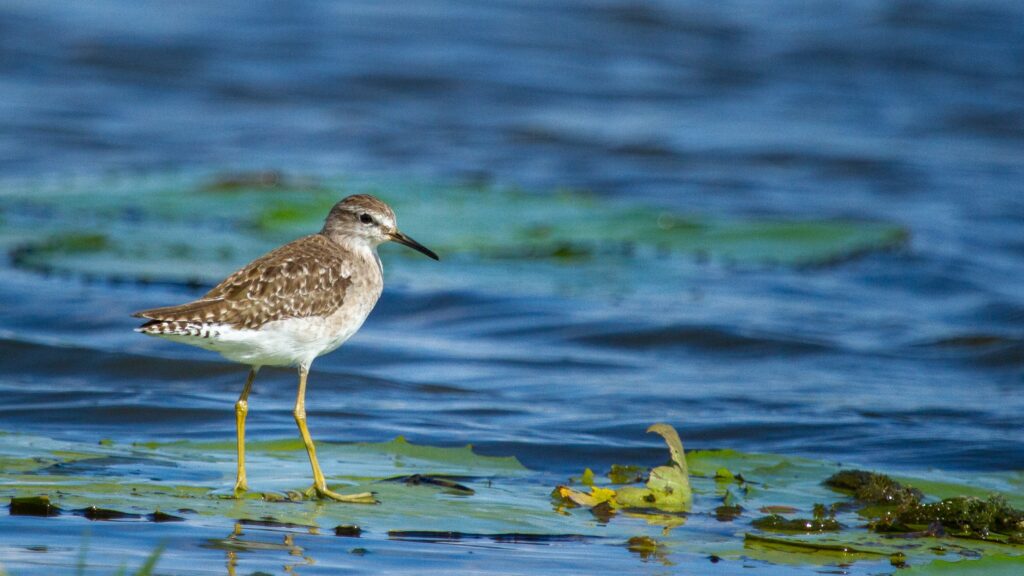
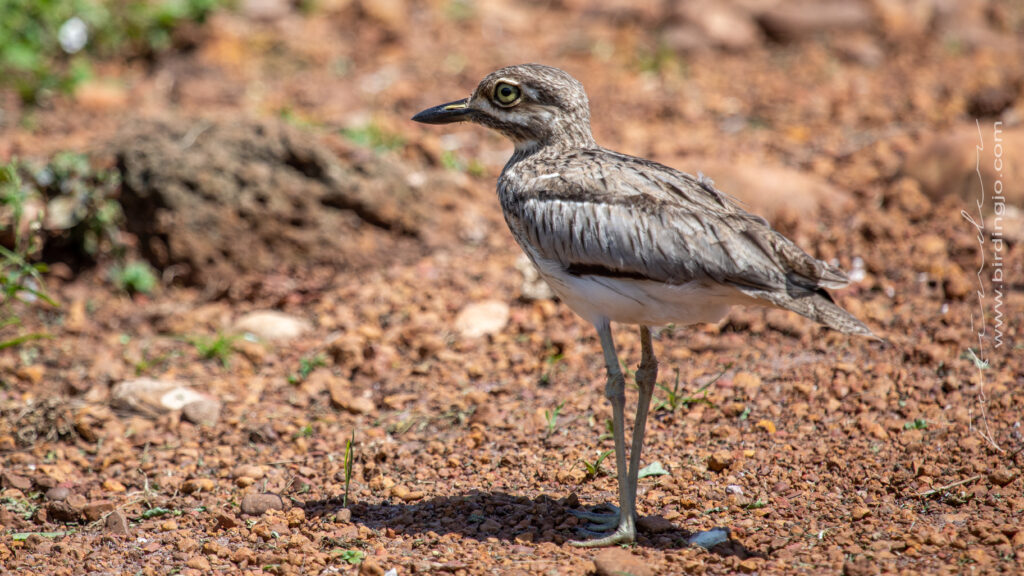
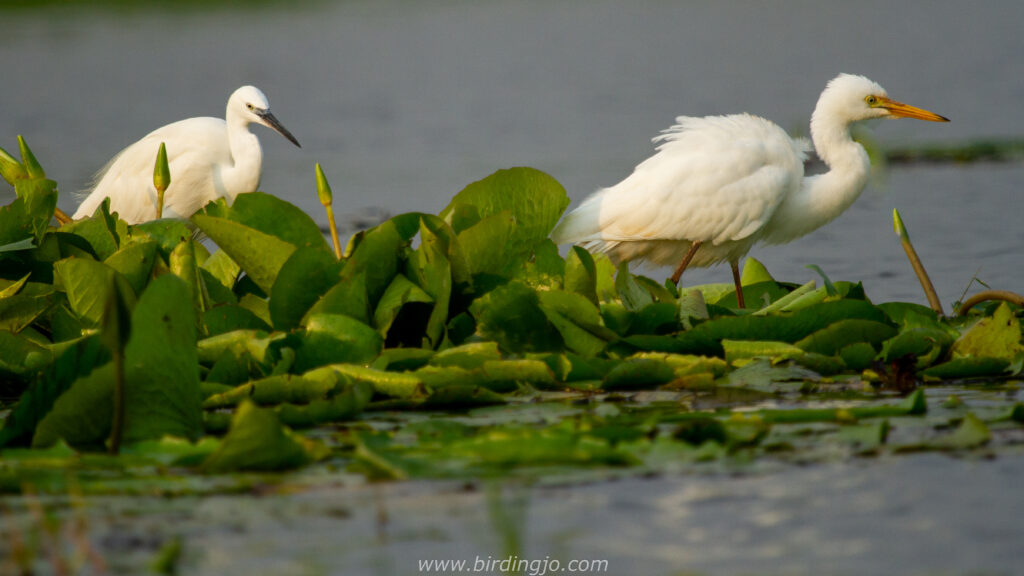
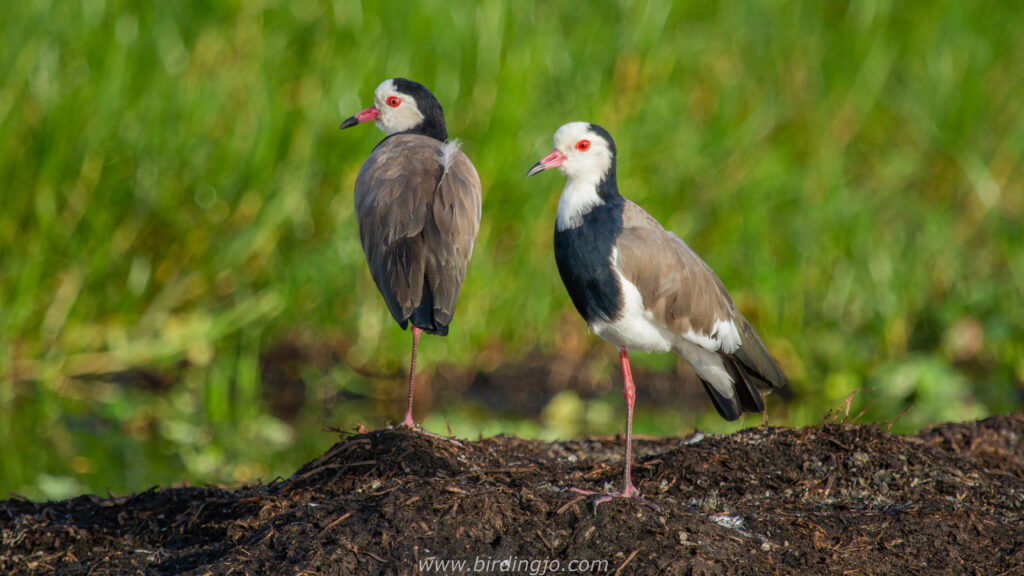
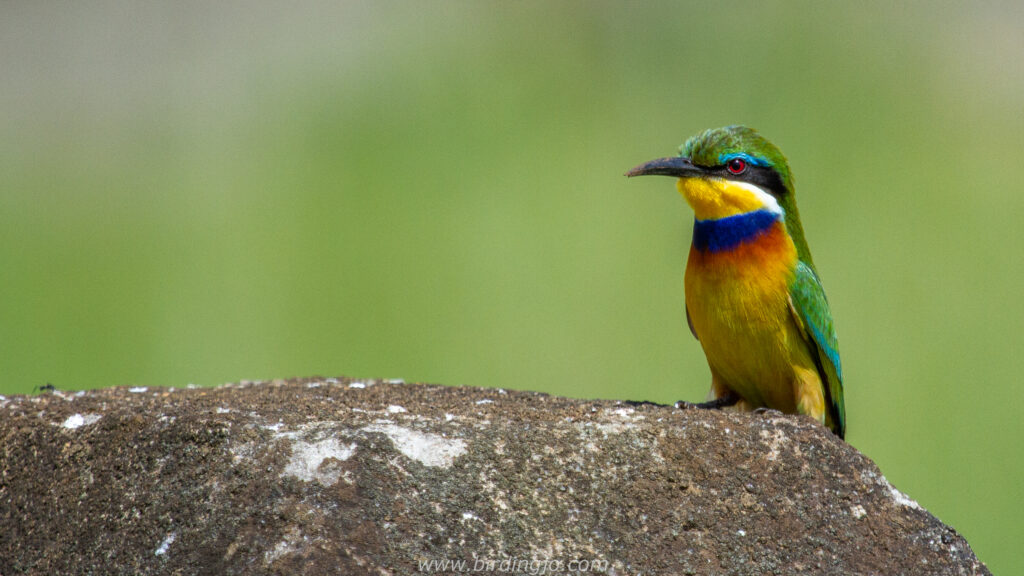
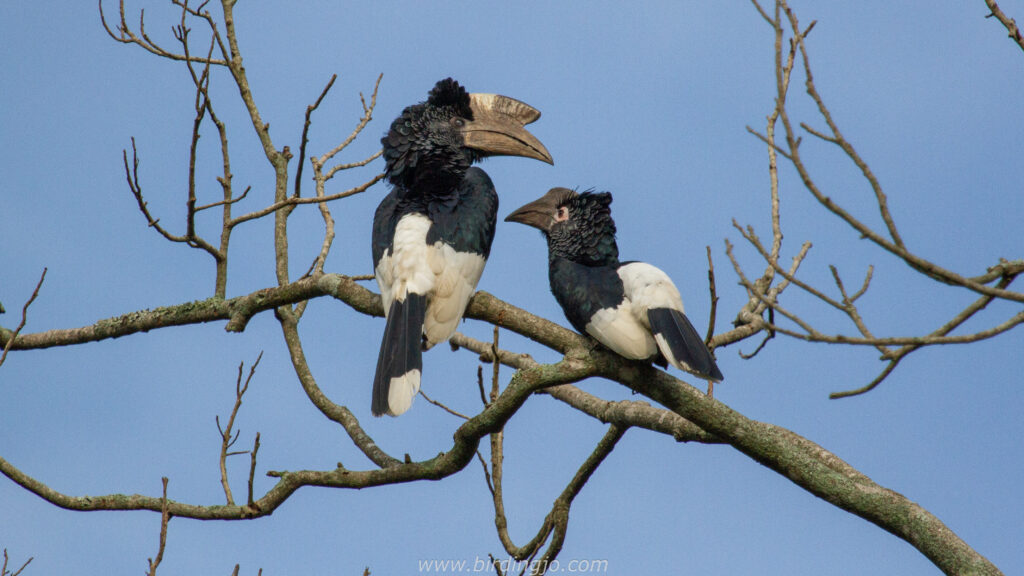
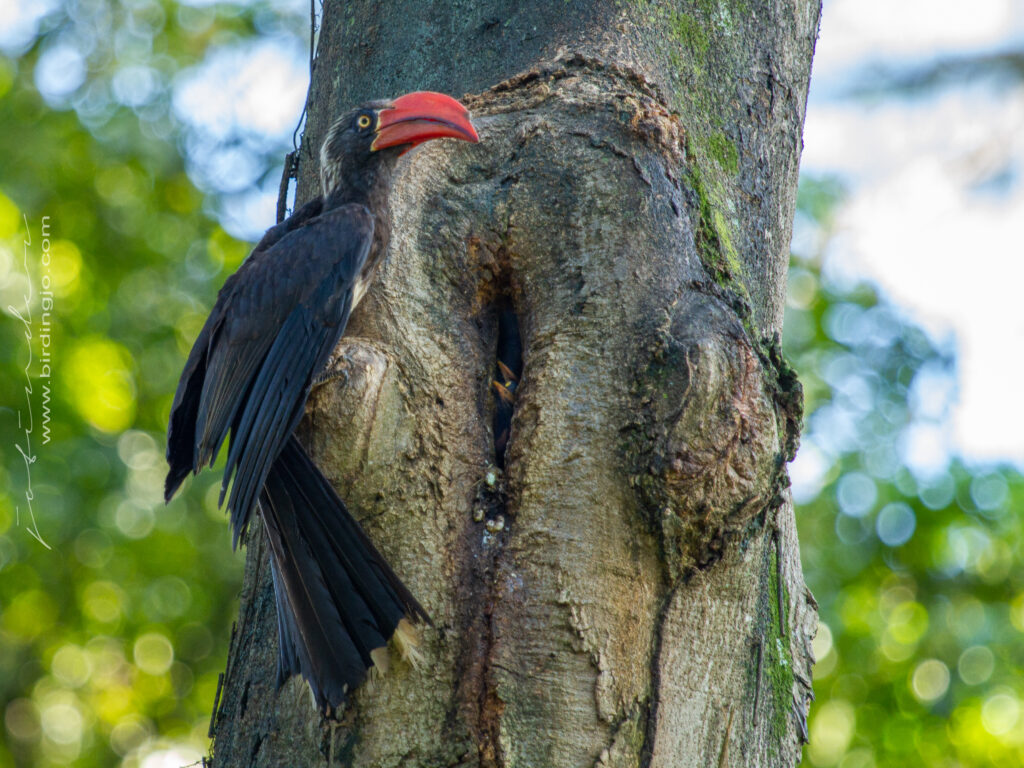
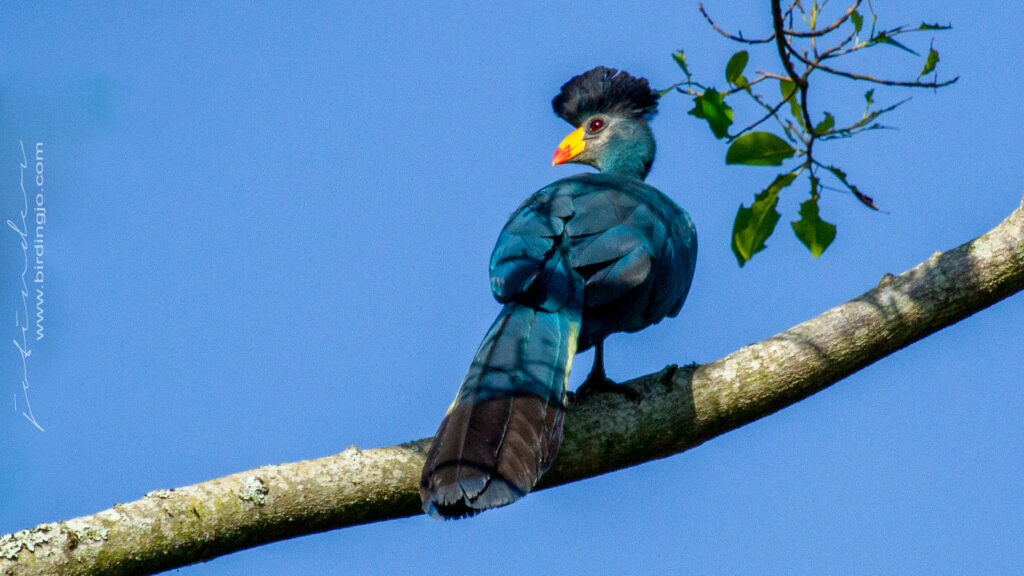
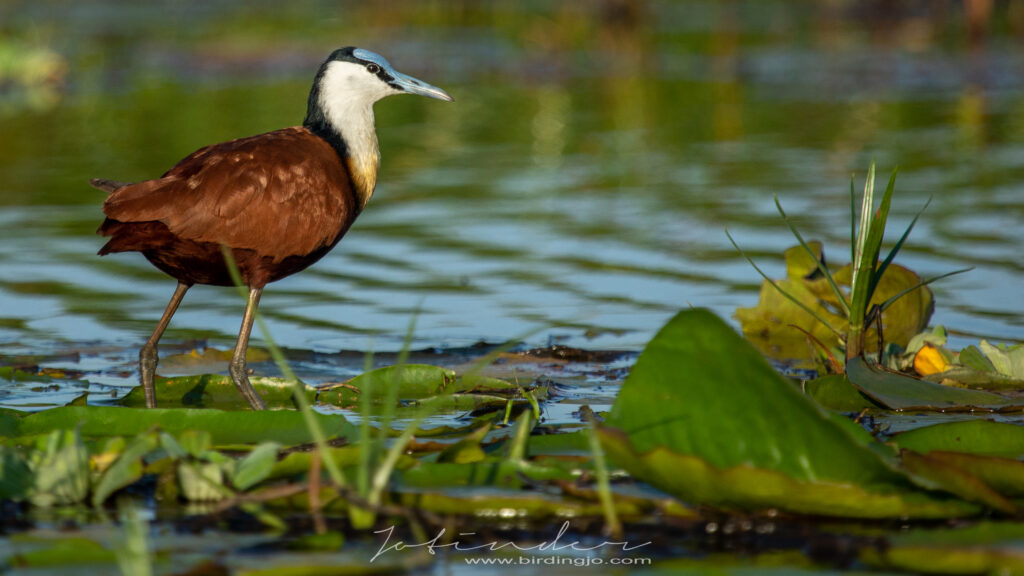
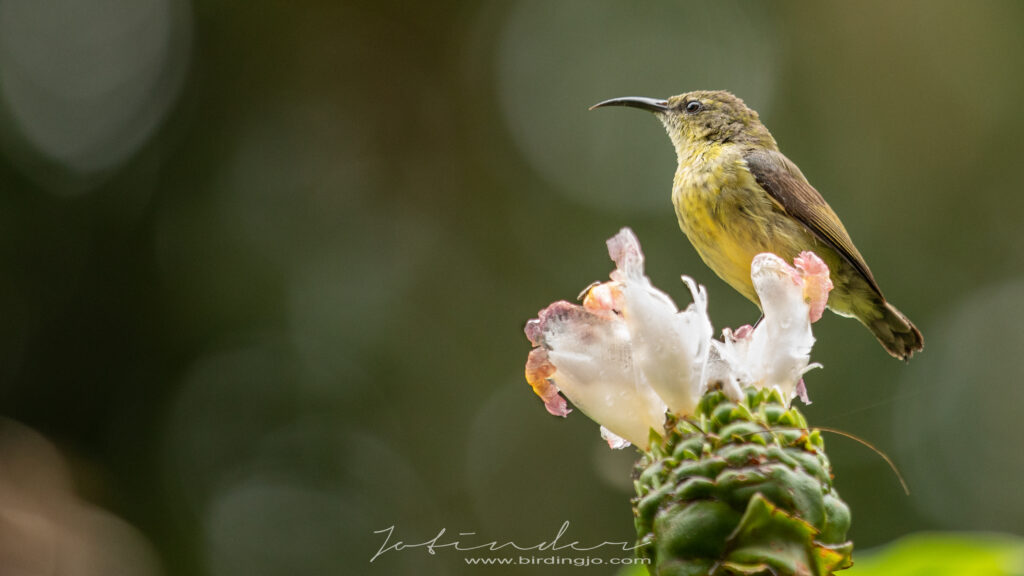
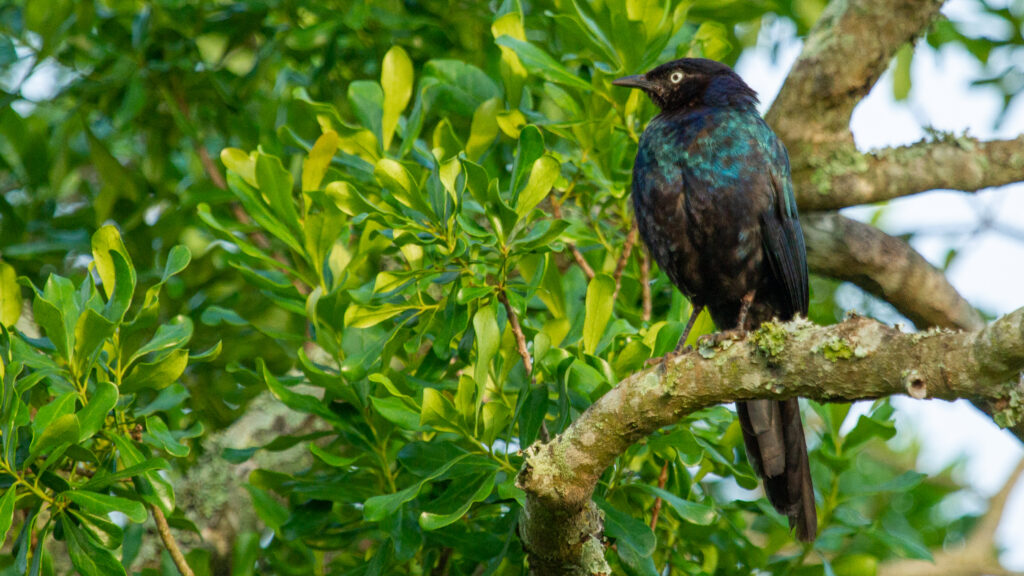
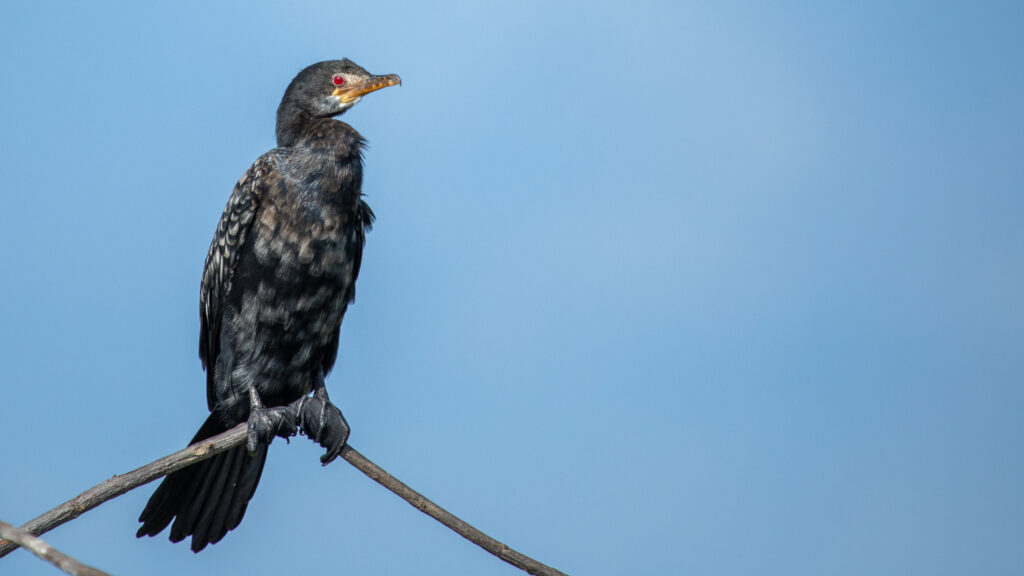
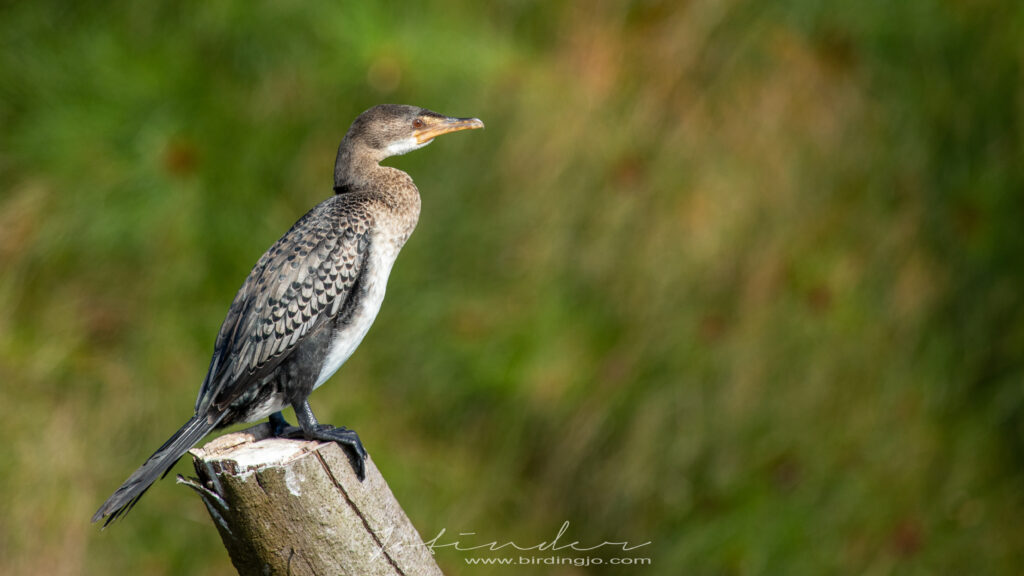
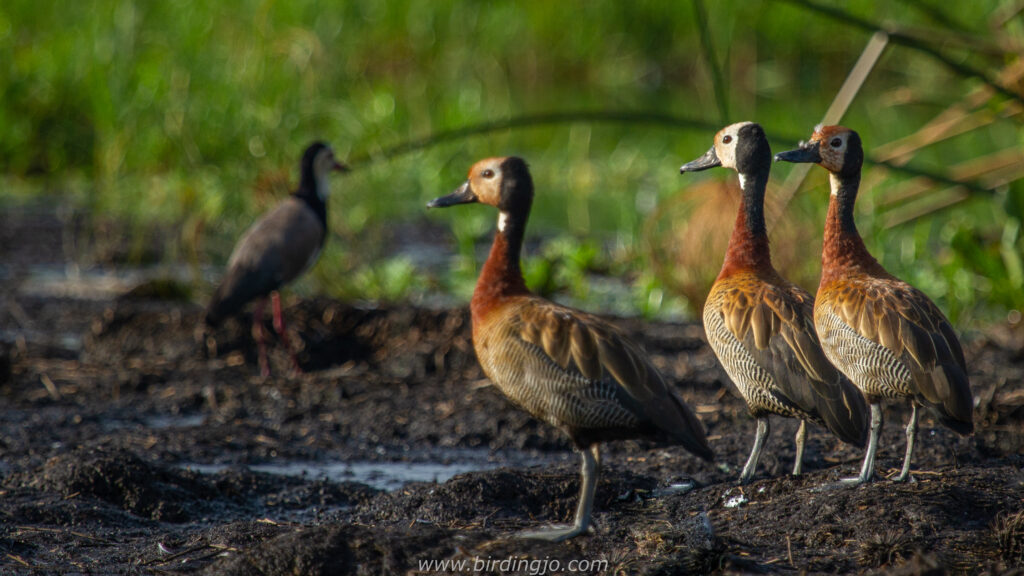
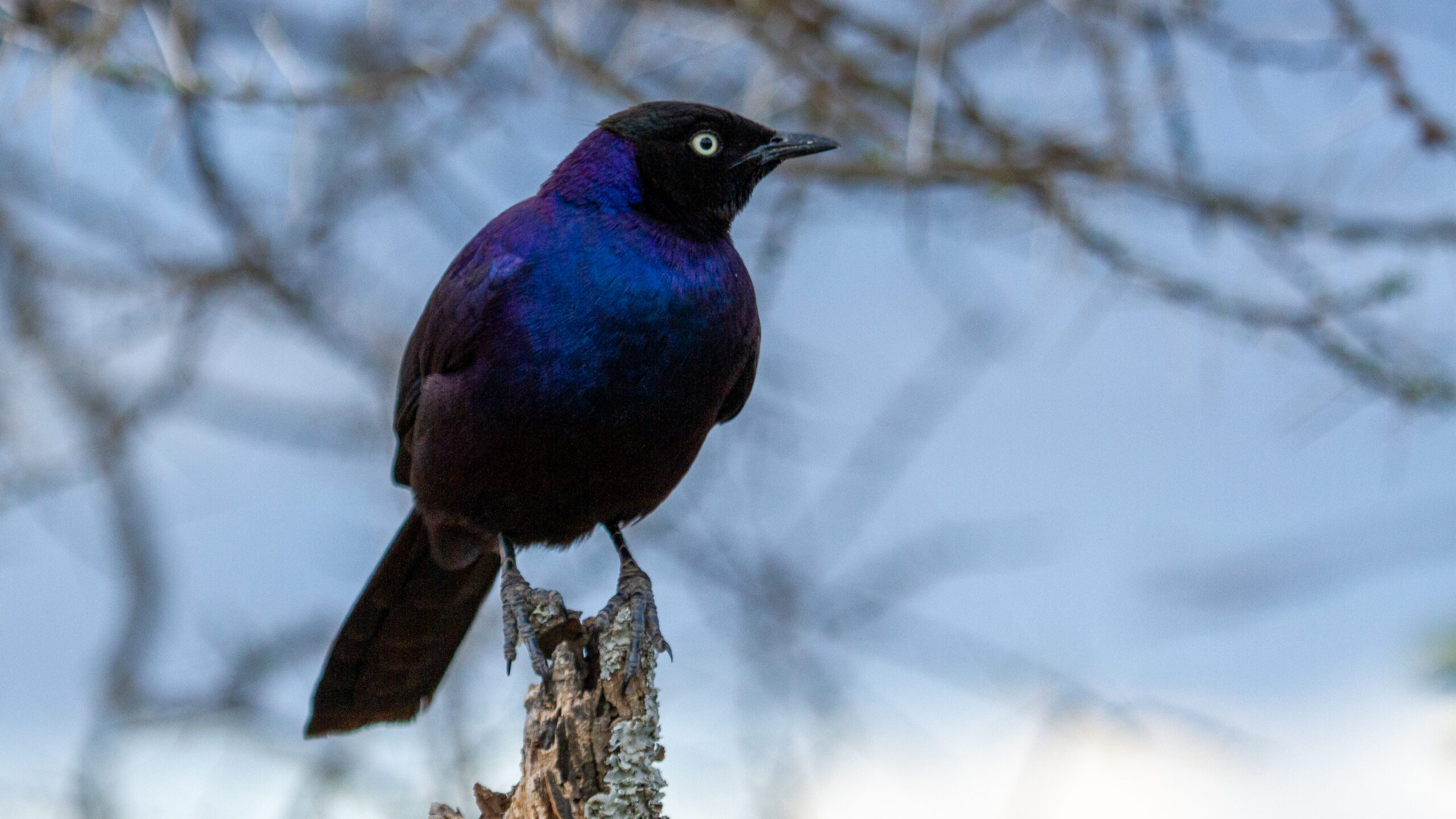
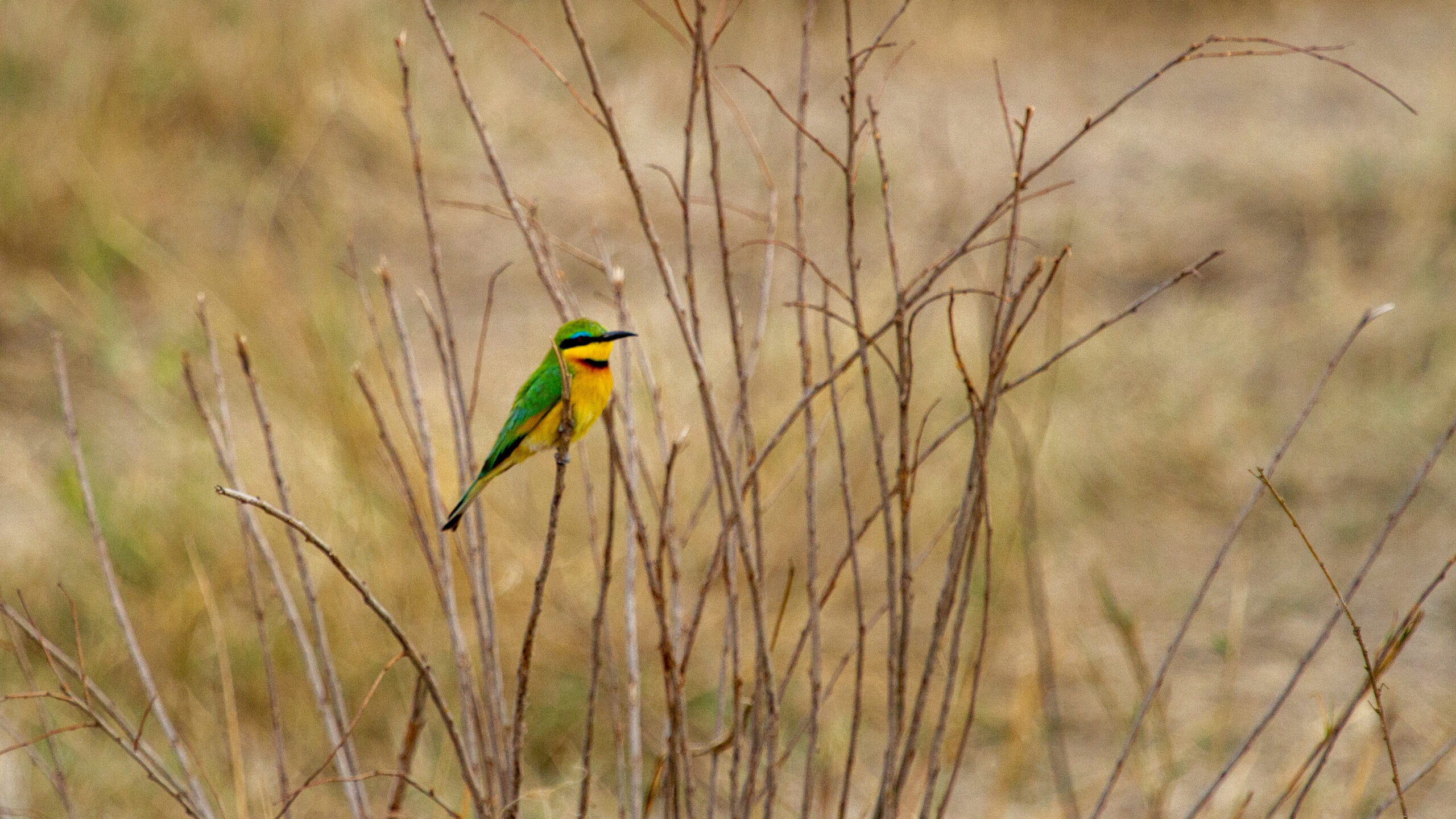
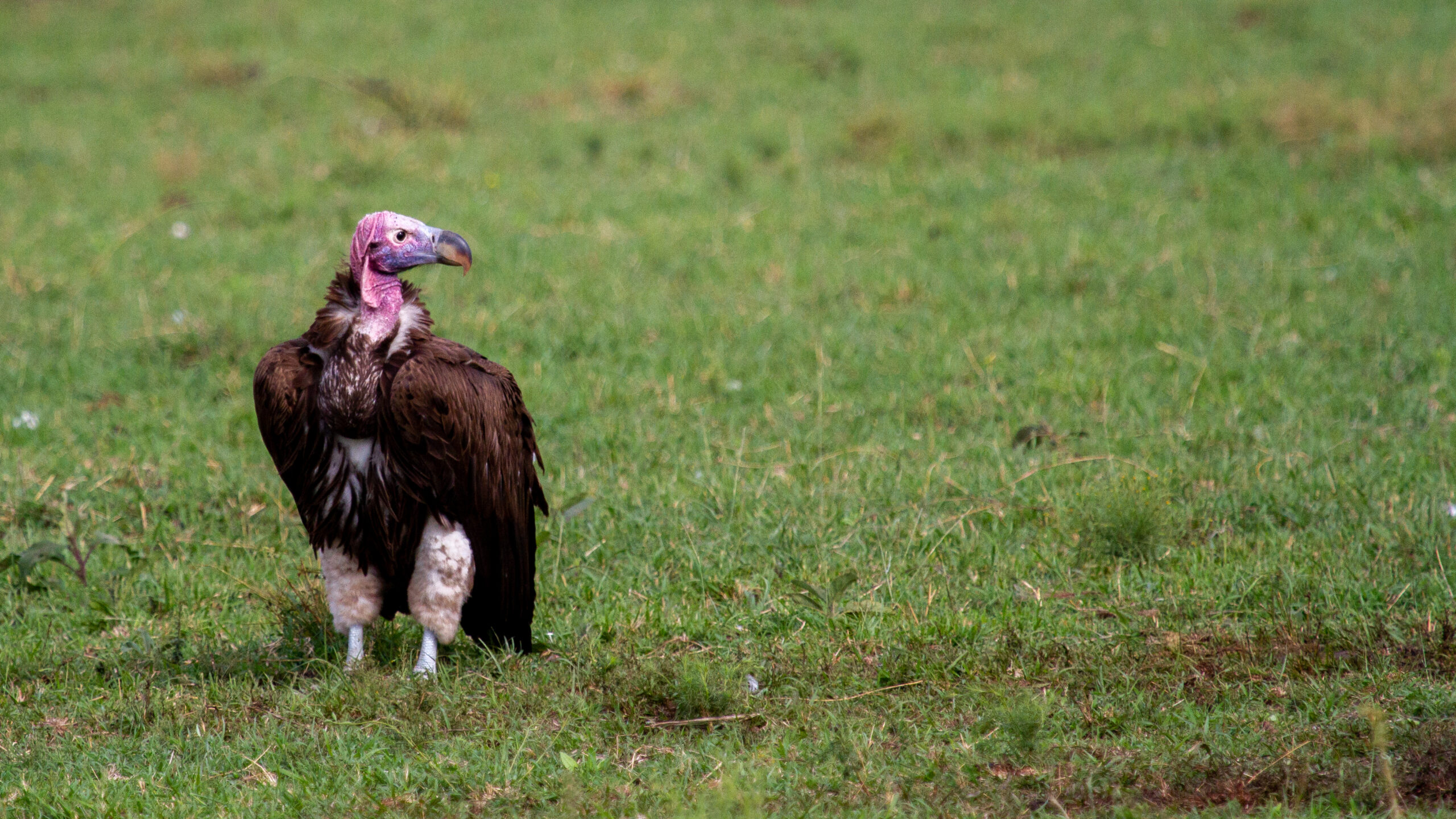
Brown-Throated Wattle-Eye, Male. The female has the brown throat patch. What a songster – one of the most melodious songs I have heard around in Uganda so far. Bwindi Impenetrable Forest, Western Uganda. March 2021.Lizard Buzzard : A small, gray buzzard, vertical black stripe on the throat is distinctive. Observed in singles or pairs in savanna / forest canopies. Often perches in the open, watching for insects, lizards, snakes, and other small vertebrates. Clicked in Botanical Garden, Entebbe, March 2021Lappet-Faced and Ruppell’s Griffon Vultures sharing a mound and some quiet time in the downpour. Lappet-Faced are larger and normally boss around the carcasses and would not tolerate the Griffon’s closeness. What I see here is some maturity and respect for diversity – in sharing a more comfortable perch. Queen Elizabeth National Park, Uganda. March 2021. Blue-capped Coucal. Mabamba, Entebbe, Dec 2020.Malachite Kingfisher. Mabamba Swamps, Entebbe, May 2021.Pied Kingfisher – Female. The male has two black throat bands which are completely joined. The female has one with a gap, as seen above. By the way, in birding, anything Black and White is prefixed with ‘Pied’. These lovely fish hunters are strong. Flying far away from the shore and diving multiple times in one sortie, before returning to catch a breath. Not all dives are successful. This one is sitting on a Papyrus stem. Clicked in Mabamba Swamps, Entebbe, March 2021. Orange Weaver, Male. Not so common as the Village / Black Headed weavers. Clicked at Ngamba Island (aka Chimpanzee Island), Lake Victoria, near Entebbe, May 2021. Black Headed / Village Weaver, Male. Female is duller in colours. Relentless nest builders, these males weave the leave strips or grass blades into beautiful nests. It is a competition, as the nests are inspected by the females who accepts it as home and the builder as a mate only if she is impressed. If the nest is rejected, the male starts all over again to build a new one. I have also seen the males stealing building materials (cushioning leaves etc) from each others nests. All seems to be fair in love, war and nature.Black Headed Weavers, in their community bath. Both males and females are seen here. Females, like the bird on extreme right is dull in colors and without the black mask. Ngamba Island, Uganda.Vieillot’s Black Weaver. Male. Unusual dark weaver, males show variation in colouration going westwards in Africa, however, females maintain same colour. See the female below. Shot in Botanical Garden, Entebbe. June 2021.Vieillot’s Black Weaver. Female. Botanical Garden, Entebbe. June 2021.Baglafecht Weaver, Female. Lake Buniyoni, South Western Uganda. March 2021Black Necked Weaver, Female. Male has a black neck. they build a hanging nest (like all weavers) with a funnel (not all weavers’ nests have that). Botanical Garden, Entebbe. June 2021. Gray Parrot. Large gray parrot with a white face and red tail. Possess an impressive vocal repertoire including whistles, bell-like notes, and screeches. Single and groups flying about and perching in high canopy. Clicked in Botanical Garden, Entebbe. March 2021.Pin Tailed Whydah, a Male in breeding plumage. Female and Non Breeding males do not have the tail, look alike and have dull brown colours. Looks can be deceptive. This pretty little thing is another practitioner of parasitic breeding, other commonly known are cuckoos. No specific target species, it lays eggs in the nests of a wide variety of Waxbills. White-Browed Robin-Chat. Pairs prefer forest thickets in well developed woodland, where they forage on the ground and sing from mid-canopy. Commonly seen in the house gardens (not shy of humans). A lovely songster – sings variations of song which at times get louder and louder in a characteristic crescendo, often incorporating varied jumbled notes and imitations of other species. Clicked in Bush Lodge, Queen Elizabeth National Park, Western Uganda. March 2021.Black Drake. A very shy and runaway bride of the swamps – just won’t let you get a shot, leave aside go near. Anyway, someday, I hope to observe it better. Kazinga Channel, QENP, Uganda.Lesser Flamingoes. Clicked at Lake Munyanyange, a crater lake in QENP, Uganda, March 2021Kittlitz’s Plover. Small plover with a brown back and pale underparts. Distinctive head pattern, with one black stripe behind the eye and another across the forehead. Found on mudflats, on saltpans, and in open fields, sometimes far from water. Displays a typical plover behaviour, running and plucking food from the ground. Shot at QENP, Uganda.Wood Sandpiper : Medium-sized brownish wader with a white belly, varied pale spotting and spangling on the back. Standing on a Water Lily leaf here at Mabamba Swamps, Entebbe, Uganda. Jan 2021.Water Thick Knee. A plover-like bird with large, yellow eyes. Crepuscular and nocturnal, always stays closer to the permanent water bodies. An Intermediate (yellow beak) and a Little Egret. The former is slightly bigger, just about 5 – 7 cm. Beak is distinctive. Was lucky to get them in same frame. Mabamba Swamps, Entebbe, Jan 2021.Long Toed Lapwing : Boldly marked with a white face and throat framed by a black nape and breast band. Wetlands and floating vegetation, where it can be found. Both are resting one leg. Lutembe, Near Entebbe, Uganda. Jan 2021.Marabu Stork : A large, grisly looking stork, who is not shy of moving about amongst the humans in towns – practically, wherever it can find something to feed on. A scavenger, also soars high to locate food / carcasses / waste dumps. Seen it in the busiest streets of towns as well as scuffling with vultures over carrion in Masai Mara. Clicked in Lutembe, Entebbe. Dec 2020.Blue-Breasted Bee-Eater. Beautiful bee-eater with a green back, yellow throat, and buffy underparts. Similar to Little Bee-eater but separated by slightly larger size and by the pale patch along the top and back of the yellow throat. Clicked at Lutembe, Entebbe. Dec 2021.Angola SwallowA pair of Black and White Casqued Hornbills. No prizes for guessing the larger male on the left and female on the right. It a treat to watch these amorous birds who spend some quality time together. Lovely in flight, you can also hear their wing beats over head as they move about from tree to tree. Crowned Hornbill. The female and the chicks are inside (one beak is visible). Wonder, how did the female get inside. Well, the hollow’s entrance is much wider than visible now. It is mastery of these hornbills, that once, the female enters the nest, the male brings in mud to patch up the entrance and leave just enough space for the feeding to continue. Look again – isn’t their skill amazing. Unethical to click birds at nest, just chanced upon this – took one burst of shots and left them without any further disturbance / stress of my presence. Location – Secret.Great Blue Turaco. All birds are beautiful, some are just beyond comparison. Turacos are such species. Shot at Botanical Garden, Entebbe, June 2021 African Jacana. Locals also call it Jesus Bird – as it appears to walk on the water, while feeding / standing on the water-lily leaves. Mabamba Swamps, Entebbe. May 2021.Olive Bellied Sunbird, Female. Botanical Garden, Entebbe. June 2021.Ruppell’s Starling. QENP, Dec 2020.Long Tailed Cormorant. Mabamba Swamps, May 2021.Large Cormorant. Mabamba Swamps, May 2021.Fan-Tailed Widowbird. Male. Mabamba Swamps, Entebbe. May 2021.Yellow-Billed Duck. Mabamba Swamps, May 2021.White Faced Whistling Duck. Distinct duck with black-and-white head, rufous breast, and barred flanks. As all whistling-ducks, long neck and legs give it a gooselike appearance. Found in freshwater marshes, lakes, and rice fields. Usually in flocks. Feeds at night. Lutembe
Several visits to Mabamba revealed more than a remarkable bird. They opened a window onto a living wetland, the patience of a specialist hunter, and a community whose knowledge has become central to its protection.
Into Mabamba
I had read about the Shoebill long before work brought me to Uganda. The possibility of meeting this prehistoric-looking bird in its own habitat was irresistible. Mabamba Bay, on the shores of Lake Victoria near Entebbe, offered the closest opportunity: a freshwater wetland of papyrus, reeds and floating vegetation where narrow channels disappear into a seemingly endless green maze.
Reaching the swamp is part of the experience. A larger boat crosses the open water before visitors transfer to a small canoe that can move quietly through the papyrus. Finding a Shoebill is never guaranteed. The guides read the channels, vegetation and recent sightings, checking likely feeding areas without disturbing the bird.
Entering the papyrus channels of Mabamba Bay.
The first encounters
On my early visits, long periods of searching ended in the thrill of finally seeing a Shoebill standing almost motionless among the floating plants. Its stillness was deceptive. Every part of the bird seemed focused on the water below.
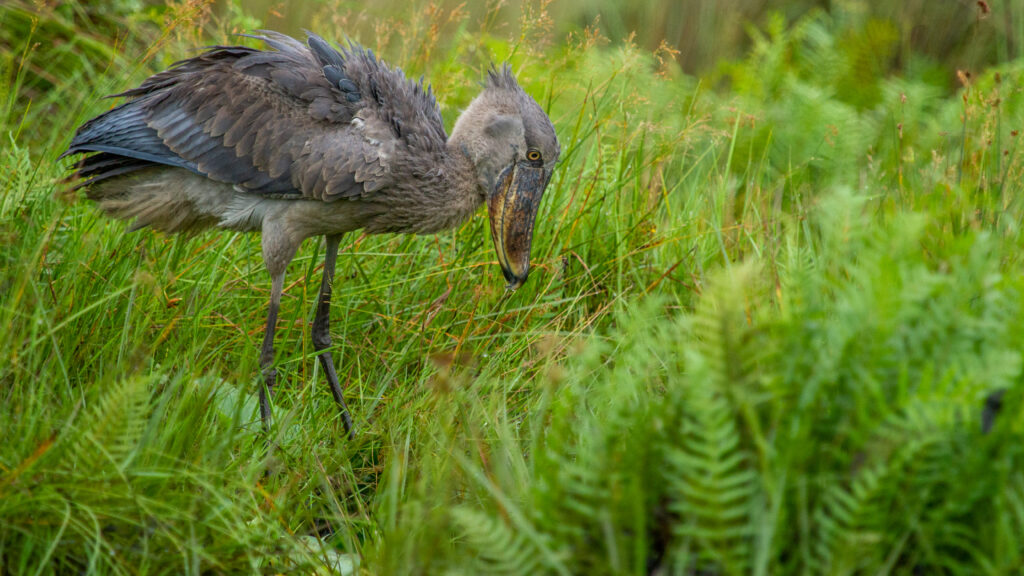
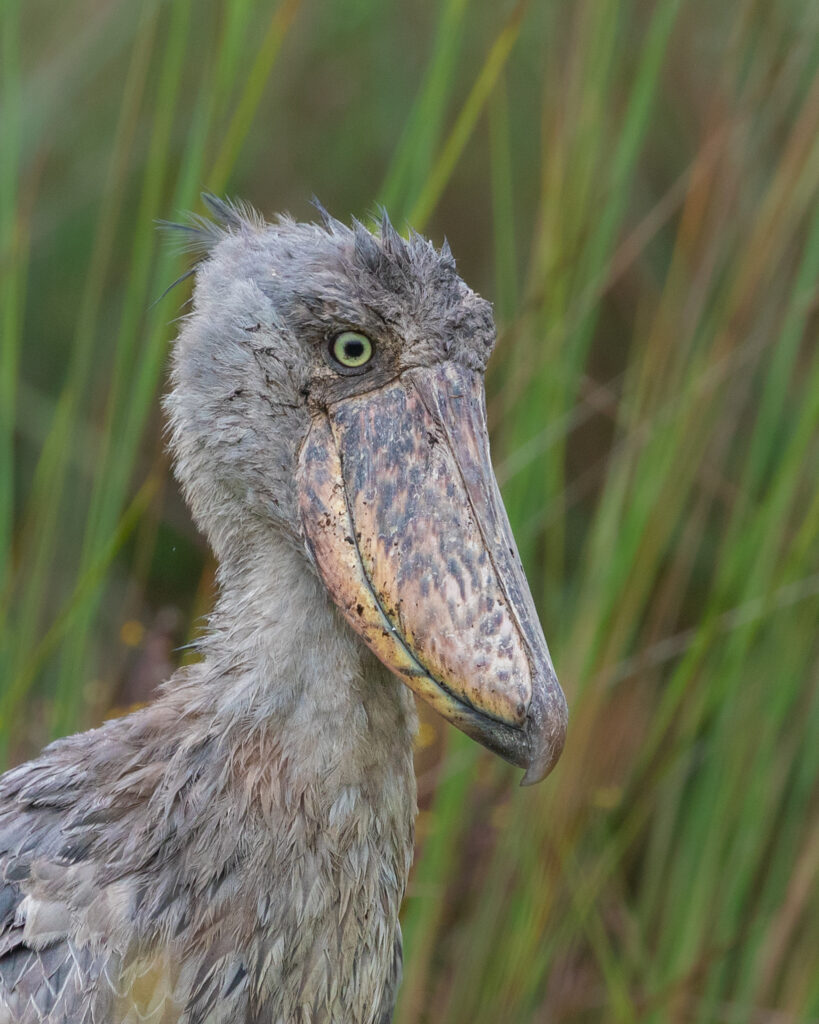
A young Shoebill in its papyrus habitat.
A wait of nearly half an hour was rewarded when the bird struck and emerged with a lungfish. It carefully separated vegetation from its catch before swallowing the fish. Watching such a large bird hunt with such restraint transformed the encounter from a sighting into a study of patience.
Hunting with singular focus and patience.
Built for the wetland
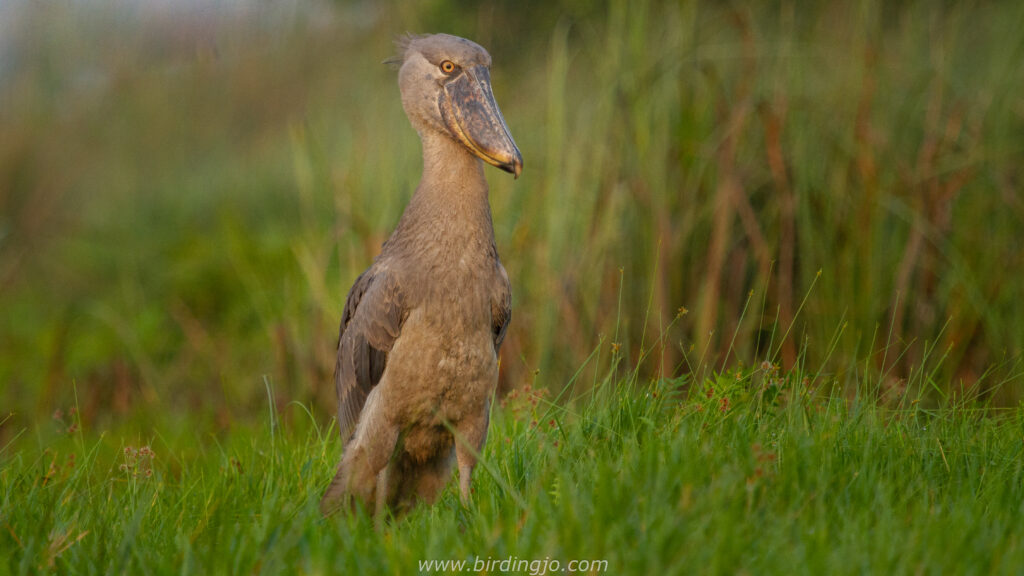
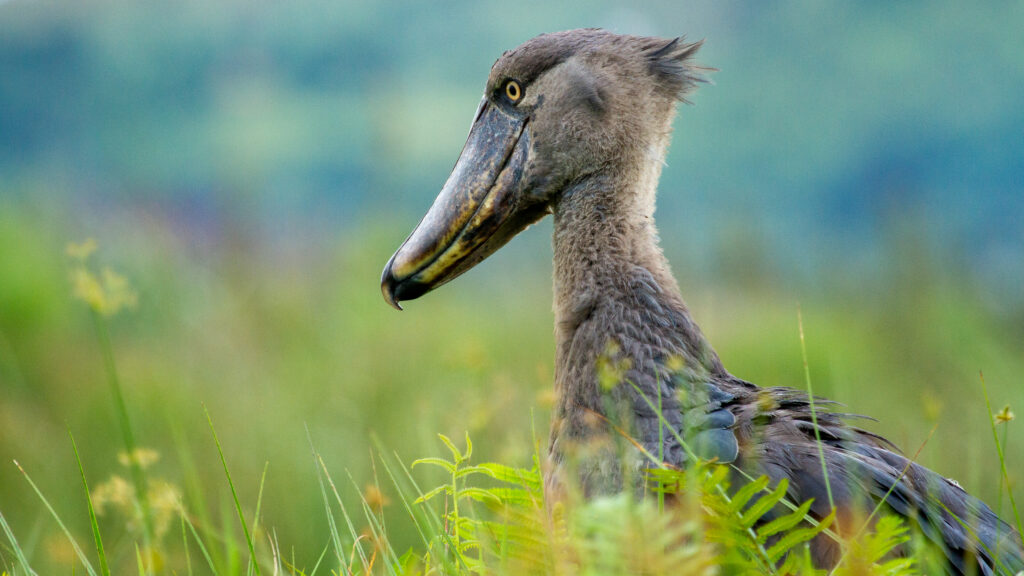
The Shoebill (Balaeniceps rex) is unlike any other bird. Its enormous shoe-shaped bill ends in a hook that helps secure slippery prey, while its long toes spread its weight across floating vegetation. It can stand almost motionless for minutes before collapsing forward in a sudden strike.
Freshwater swamps with undisturbed papyrus and reed beds provide the conditions it needs. Lungfish are a favoured prey, although the bird will also take other fish, snakes and small wetland animals. Its size and heavy bill suggest awkwardness, yet in flight it is unexpectedly graceful, soaring and gliding with ease.
The distinctive bill is both a defining feature and a specialised hunting tool.
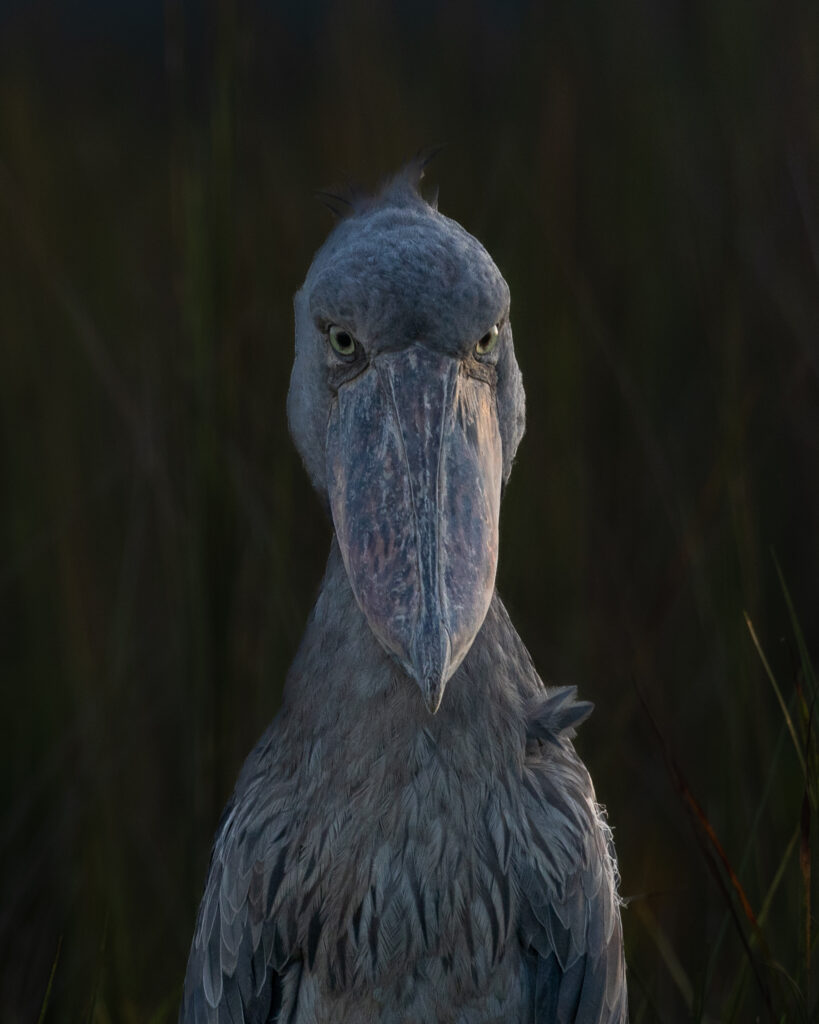
Repeated visits also showed that individuals can be recognised. Patterns, marks and colour differences on the bill vary from bird to bird. One individual carried three dark bars on the lower bill—small details that made each encounter feel personal without forgetting that these are wild birds moving through a much larger landscape.
Bill markings can help distinguish one Shoebill from another.
Behaviour beyond stillness
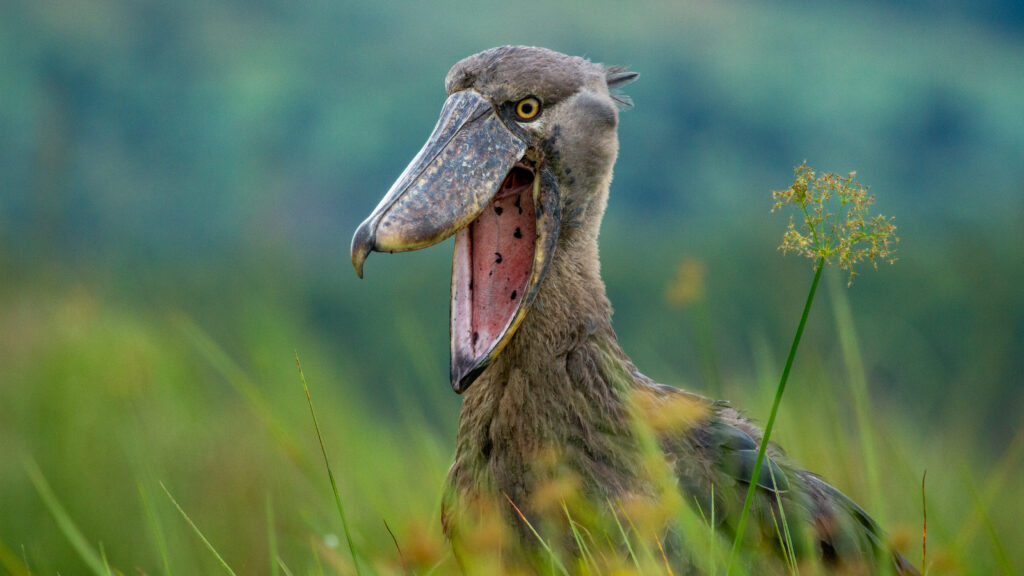
The swamp produced surprises on later visits. On one occasion a Shoebill suddenly spread its wings and opened its bill, appearing much larger. An African Fish Eagle was overhead. The display worked: the eagle changed course. Moments like this revealed a bird that was not merely statuesque, but alert, expressive and fully capable of defending its space.
A defensive posture in response to an African Fish Eagle overhead.
The Shoebill shares Mabamba with an entire wetland community. African Jacanas cross floating leaves on their long toes; egrets, sandpipers and fish eagles animate the channels and skies. The Shoebill may be the celebrated resident, but its survival depends on the health of this complete ecosystem.
A community and its wetland
Mabamba’s story is inseparable from the people who live and work around it. Local fishing families possess an intimate knowledge of the water, fish, seasons and birds. Some fishermen have become specialist bird guides, while others share information about sightings and changing conditions across the wetland.
The relationship has changed over time. Where Shoebills were once sometimes regarded as competitors for fish, conservation awareness and nature-based livelihoods have encouraged their protection. The wider community of guides, boatmen and fishermen now helps visitors experience the swamp while creating a stronger local interest in safeguarding its most distinctive resident.
The Shoebill is inseparable from the wetland that sustains it.
This work matters because the pressures remain real: disturbance, habitat change, expanding human activity and the illegal capture of birds or chicks. Protecting Mabamba therefore means protecting both habitat and the community relationships that make conservation possible.
Returning to the Shoebill
When I returned in December 2023, the excitement had not diminished. The journey through the swamp, the quiet search and the first sight of that unmistakable profile still felt extraordinary. Familiarity had added context rather than reduced wonder: each visit revealed another detail of behaviour, another corner of the wetland and another reason to value the people who know it best.
A later encounter at Mabamba Bay.
The Shoebill draws visitors to Mabamba, but the lasting impression is broader: a rare bird, an intricate wetland and a knowledgeable community connected by the same water. I hope many others have the opportunity to enter those papyrus channels, wait quietly and experience that relationship for themselves.
“It’s better to be absolutely ridiculous than to be absolutely boring.” – Marilyn Monroe
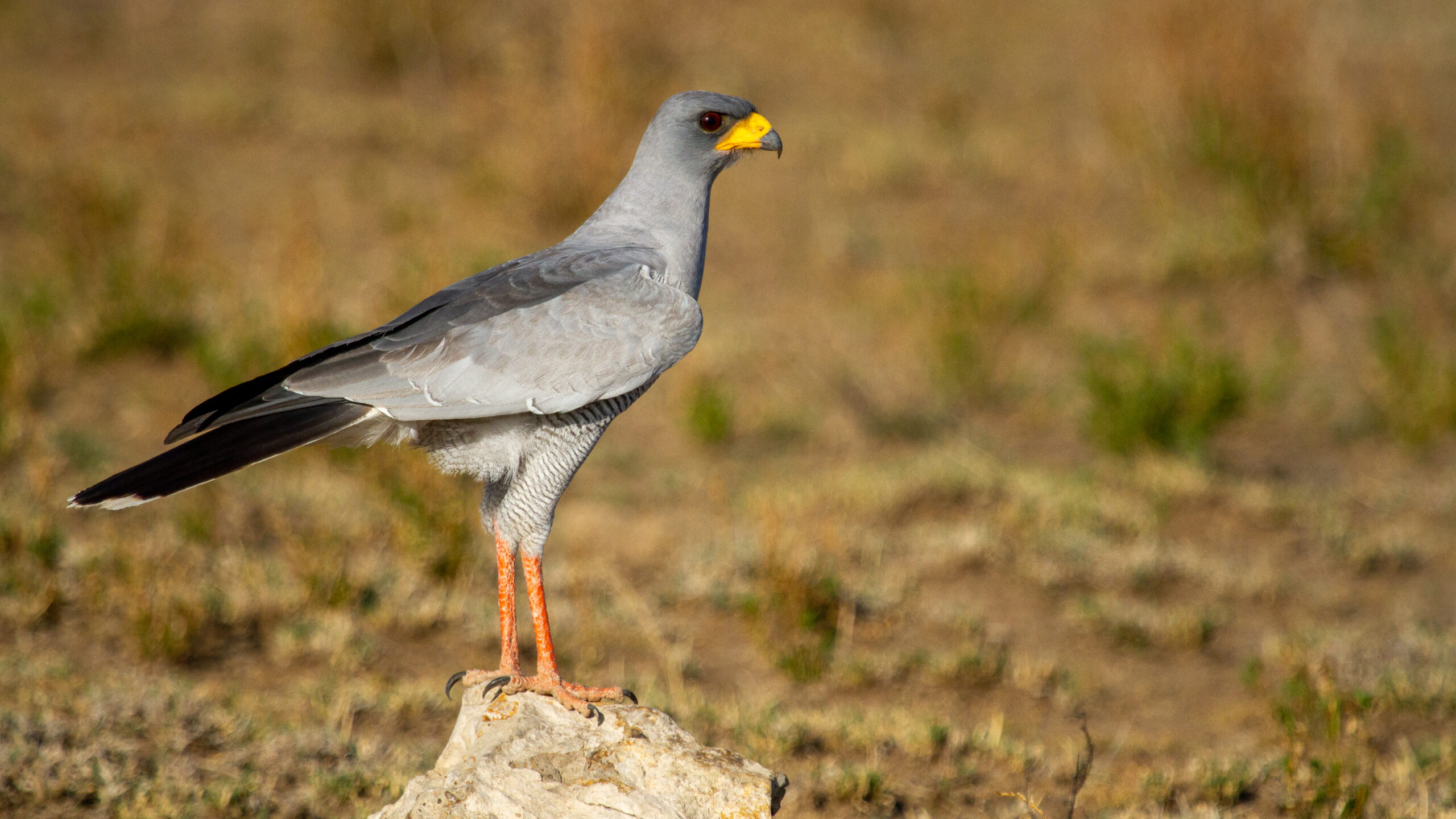
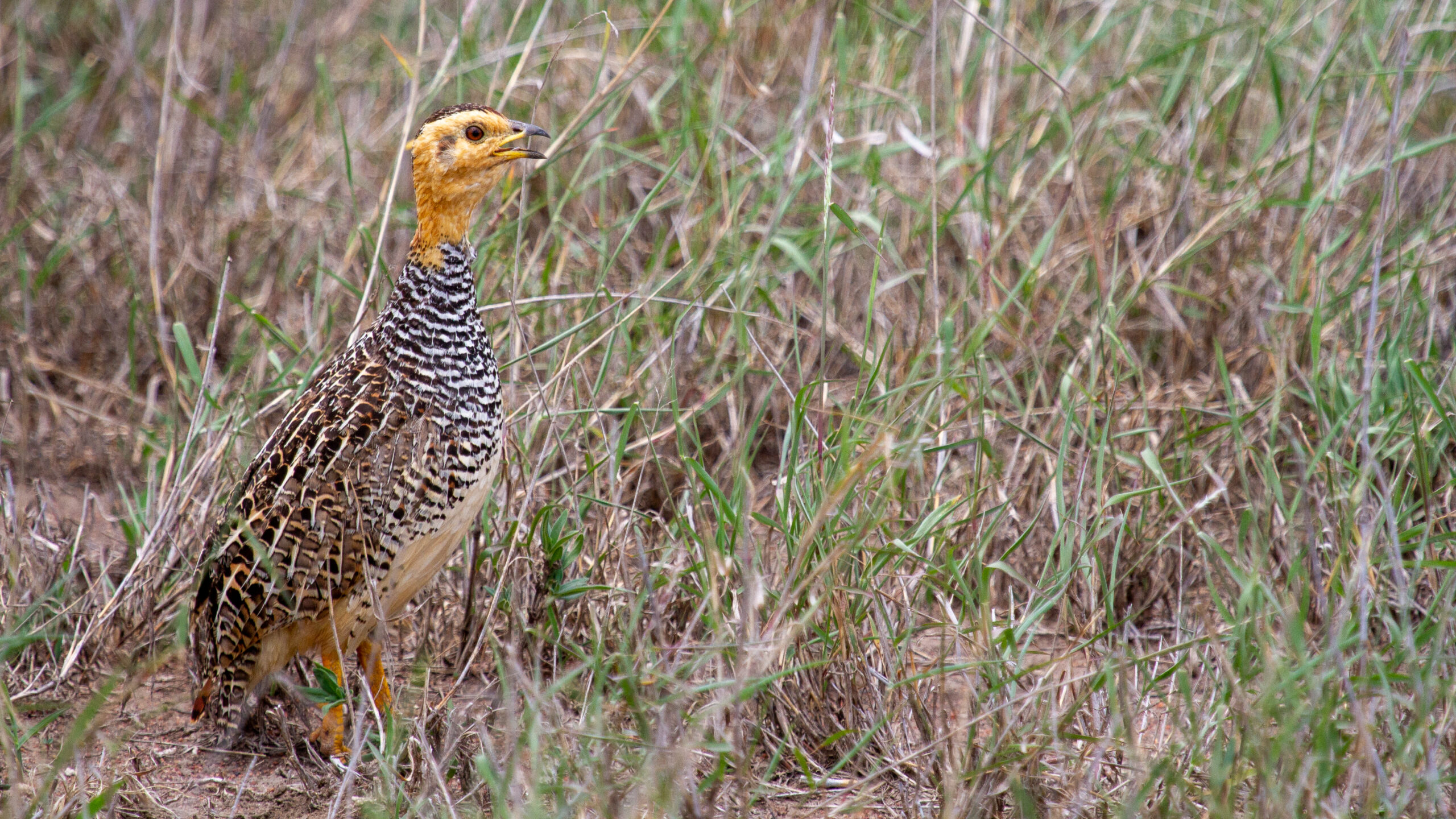
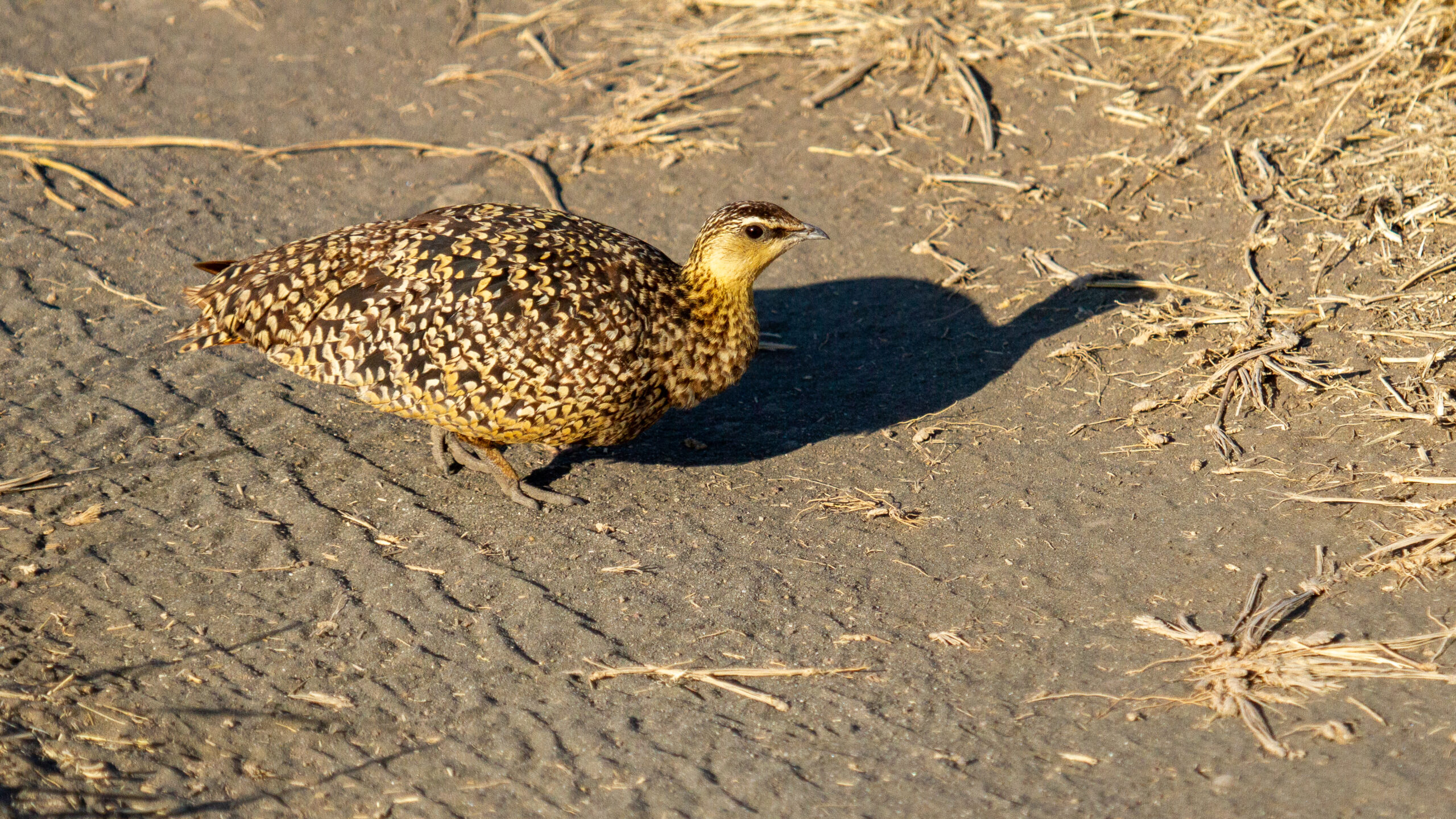
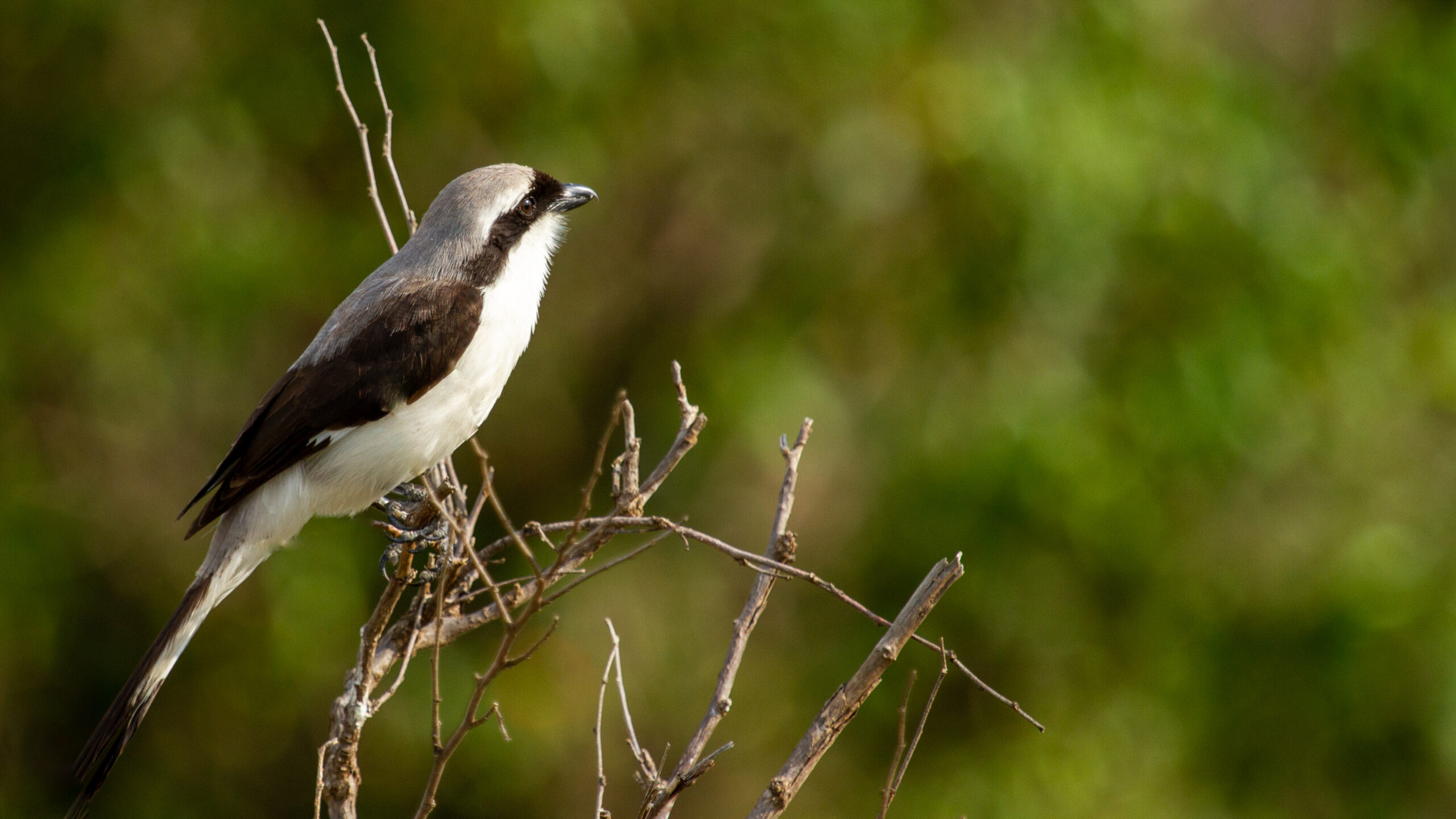
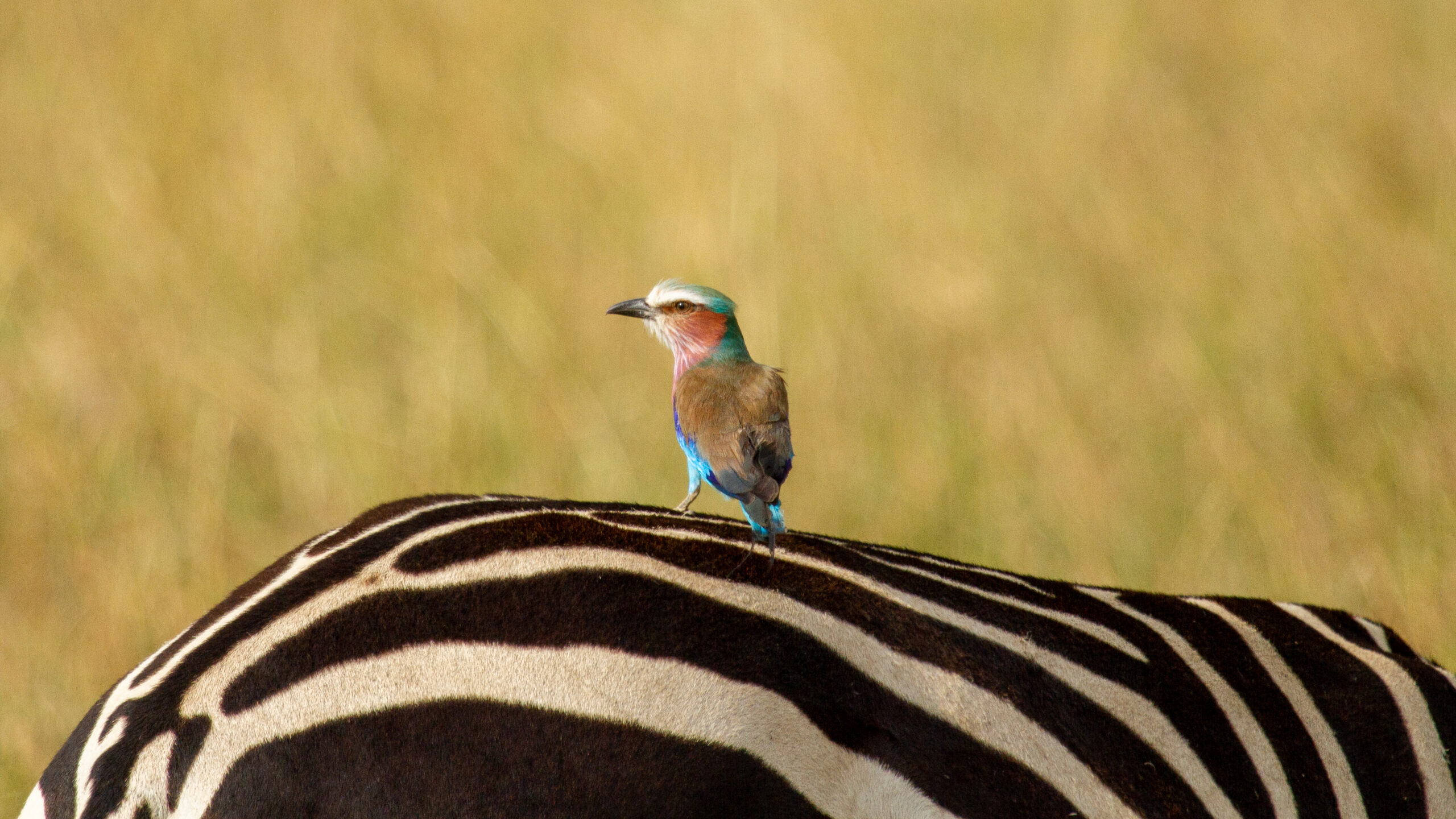
I must be nuts clicking birds in Masai Mara. Some other guides and big five seekers would sneer / guffaw / politely curse under their breath when they realized that we had stopped for a (damned) bird, unless the bird was an Ostrich. Who stops for other birds, specially in Mara or Serengiti !!
Well, big five draw big crowds and big bucks, but these lesser mortals too contribute to the entire ecosystem in their own ways and make the Jungle Book complete.
Here are some birds from Msasai Mara (Kenya), Serengiti (Tanzania) and Ngoro Ngoro (Tanzania).
These are just a handful few which I was lucky to see. There are countless others, I am yet to see – next trip maybe. However, I do hope that you would enjoy watching the birds as much as a cheetah or a giraffe.
Just in case you think that I totally skipped the big five, do spare some time for my other stories !